

It’s time for me to make my predictions for the game industry in 2026. But before I do that, I’d like to take us back to a moment a year ago.
At the Game Awards in 2024, Larian CEO Swen Vincke announced the new Game of the Year (back then, it was Astro Bot), and he made a prediction.
“The oracle told me that the Game of the Year 2025 is going to be made by a studio who found the formula to make it up here on stage,” Vincke said. “It’s stupidly simple, but somehow it keeps on getting lost. A studio makes a game because they want to make a game they want to play themselves. They created it because it hadn’t been created before. They didn’t make it to increase market share. They didn’t make it to serve the brand. They didn’t have to meet arbitrary sales targets, or fear being laid off if they didn’t meet those targets.”
The audience erupted into applause at his words, and he was not drummed off the stage for taking too much time.
He added, “Furthermore, the people in charge forbade them from cramming the game with anything whose only purpose was to increase revenue and didn’t serve the game design. They didn’t treat their developers like numbers on a spreadsheet. They didn’t treat their players as users to exploit. And they didn’t make decisions they knew were short-sighted in function of a bonus or politics. They knew that if you put the game and the team first, the revenue will follow.”
He closed with, “They were driven by idealism, and wanted players to have fun, and they realized that if the developers don’t have fun, nobody was going to have any fun. They understood the value of respect, that if they treated their developers and players well, the same developers and players would forgive them when things didn’t go as planned. But above all they cared about their games, because they love games. It’s really that simple.”
He got that prediction right. The Game Awards Game of the Year for 2025 was Clair Obscur: Expedition 33, made by a team of 30 people at Sandfall Interactive, an indie game studio in Paris, France.
My predictions are foolish

While he made that look easy, predictions are a tough business. Industry doesn’t always follow the simple formula of a creator like Vincke, whose studio produced the big winner Baldur’s Gate 3. With that said, here’s my take on predictions.
Predictions are foolish to make and yet the temptation to rush back into the breach is always a pull for me. The future is terrifying the more unknown it is, and so I and many other prognosticators try to see a pattern in the darkness ahead. But it’s useful to think about all of the different futures that can unfold, and from that comes strategy.
All I can say once again is that I hope you are well and that we’ll all have a better year in 2026 than we had in 2025. I am more optimistic this year than I was last year. This year was marked by 5,300 layoffs, much smaller than the 14,600 last year. Still, that brings the total laid off in the past 3.5 years to nearly 40,000. I hope the bleeding stops in 2026, and our trusted job data source, Amir Satvat, believes a recovery is under way. (Update: Satvat believes there were 9,053 layoffs in 2025, compared to 15,631 in 2024).
Let’s review what we’ve seen in recent years that threw off our predictions. The pandemic created a whipsaw, where we saw a huge growth in online demand for games as people couldn’t go out. Then it contracted again as people were able to travel and do other things again.
The structure of the industry will likely further change thanks to the acquisition battle between Paramount and Netflix over Warner Bros. Discovery, which has a $1.5 billion gaming business. And we’ll see fallout from the pending Saudi/private equity coalition buying Electronic Arts for $55 billion. Those deals won’t close for a while, but they can cast a big shadow across the industry when it comes to the job outlook.
I’ll continue to wager we can expect games to continue to outgrow other forms of entertainment. I expect that trends such as AI tools and gameplay innovations, Hollywood transmedia, the metaverse, cloud gaming, esports, mixed reality, user-generated content and other trends will come along to reinvigorate the game industry — as well as great new games in the core areas of the PC, console and mobile game industries. I’m gunshy about predicting Grand Theft Auto VI, given a couple of delays so far. But it’s still nice to have a date of November 19, 2026, for the game’s launch date.
For the usual comparison and embarrassment, here are my predictions for 2025, 2024, 2023, 2022, 2021 2020, 2019, 2018, 2017, 2016, 2015, 2014, 2013, and 2012. At the bottom of the story, I’ve also given myself grades for the predictions I made a year ago for 2024. This year, I got one “F,” five “A” grades and six “B” grades.
I got a lot of help from friends on social media for these predictions and there were more than I could write about. Thank you. As a bonus, here’s my tips and tricks for CES 2025.
1) Layoffs will stabilize as hiring comes back
The game jobs recovery is real and accelerating for next year. That is one of the predictions from game jobs community champion Amir Satvat, who recently renamed his community as Always Supporting the Game Community. Given his analytic focus, I’ll take Amir’s predictions over mine any day.
In a recent post on LinkedIn, Satvat said his predictions for next year are based on data that he uniquely collects from more than 5,000 game studios — in his spare time. That data is why he has had more than six million viewers of his job community content in the past three years. (Update: Satvat believes there were 9,053 layoffs in 2025, compared to 15,631 in 2024).
Satvat noted that he is sharing personal predictions that reflect only his views and do not represent his employer, his community, or anyone else. These come from three years of his community’s data, insight from the 5,000-plus studios and partners connected to the network, and many polls and conversations with you.
Satvat said updated numbers show his job resources have helped 4,400 people find jobs in games, and people have had more than 86,000 coaching conversations through his resources. (This is why he was named a Game Changer at the 2024 The Game Awards). He doesn’t see a boom coming, but it will be a recovery. And it will be unevenly distributed, with more jobs being created in the emerging parts of the world and fewer in mature areas like the United States.
2) Direct-to-consumer alternative app stores will provide real growth

Imagine other industries where you have to pay 30% to a platform just to buy something. Credit card companies would charge 30% instead of 3%.
Tim Sweeney, CEO of Epic Games, saw this as a big problem with the fees that Google and Apple charged for purchases of mobile games. He sued for antitrust, incurring huge legal fees and losing tons of mobile revenue for Fortnite in the process.
In the U.S. and other parts of the world, he won a small victory: the right for game makers to send users to alternative app stores for bigger discounts for their players. That is going into effect in the U.S. now, and other places soon, thanks to regulations that are following the U.S. rulings.
This means that game makers may be able to keep 27% more of the revenue that comes in for their games, thanks to alternative app stores provided by Samsung, Amazon, Xsolla, Stripe, Coda Payments, Tebex, Zee, Paddle, Nexway, Neon, 2Checkout, DualEntry, Paymentwall, Adyen and PayU. Game companies are also creating their own stores. They’re all providing more distribution options, enticing players with discounts and providing more competition and higher margins for game makers and publishers.
The European Union’s Digital Markets Act (DMA) now requires Apple to allow third‑party app stores and sideloading on iOS. That means there’s a legal backbone for alternative app stores and less fear for the developers sticking their necks out. This will give game companies much needed breathing room, better profits, a connection with their own players again and the ability to reinvest.
I think this is why we’re seeing the formation of user-acquisition funds because reinvesting in growth is possible again. If all of this comes to pass, billions of dollars will swing in favor of mobile games, and the mobile gaming business will become the engine of growth again.
3) The game industry will feel the weight of bigger forces
We know that heavy duty forces that could affect gaming. While the games industry likes to think of itself as its own universe, with its own rules, the truth is that it’s part of the global economy. It’s subject to swings beyond its control.
The whole world has to deal with geopolitical tension, tariff whiplash, and economic uncertainty for 2026. That will inhibit consumer demand, including for buying games. But there are other forces like the rise of demand for AI infrastructure. Nvidia is cutting so many deals on the strength of its spectacular market capitalization growth, and the demand for AI chips is so strong that it’s driving up prices for memory chips.
The problem is that those memory chips — dynamic random access memory and flash memory — are also used in game consoles and PC gaming rigs. A PitchBook report says hardware prices could rise 40% to 50% under some scenarios. That could hurt sales of the Switch 2 as it’s taking off, and it could stop console makers from lowering prices. It could even stall the introduction of new machines. Sony already raised prices in the U.S. in 2025 — something that almost never happens due to the forward march of tech efficiency.
There are also bigger forces ready to invest in games. This is not such a bad thing, unless our politics gets tangled up in the deals. The Saudi Arabian Public Investment Fund is the leader in this movement, and it’s leading the $55 billion acquisition of Electronic Arts. Other big investors include JP Morgan, General Catalyst and Tencent. This is a game for the big kids, and they’re driving consolidation in gaming that could have huge consequences for the kind of games that we get to play.
4) Call of Duty will face a tough reckoning
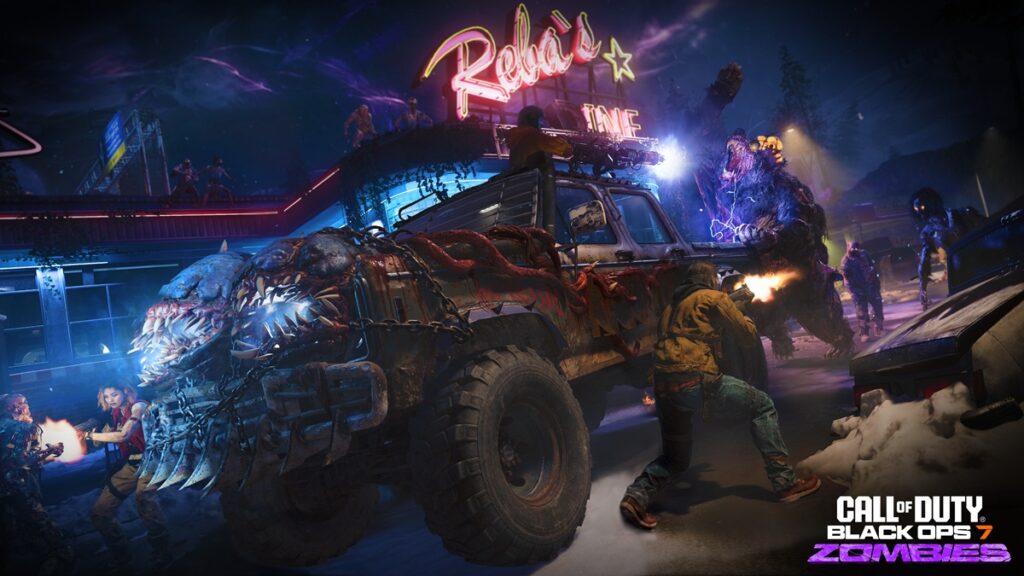
For more than two decades, Call of Duty has driven growth in the huge first-person shooter games market, as if it were Activision’s law of growth. But with an overly wacky campaign for Call of Duty: Black Ops 7, players are finally feeling fatigue.
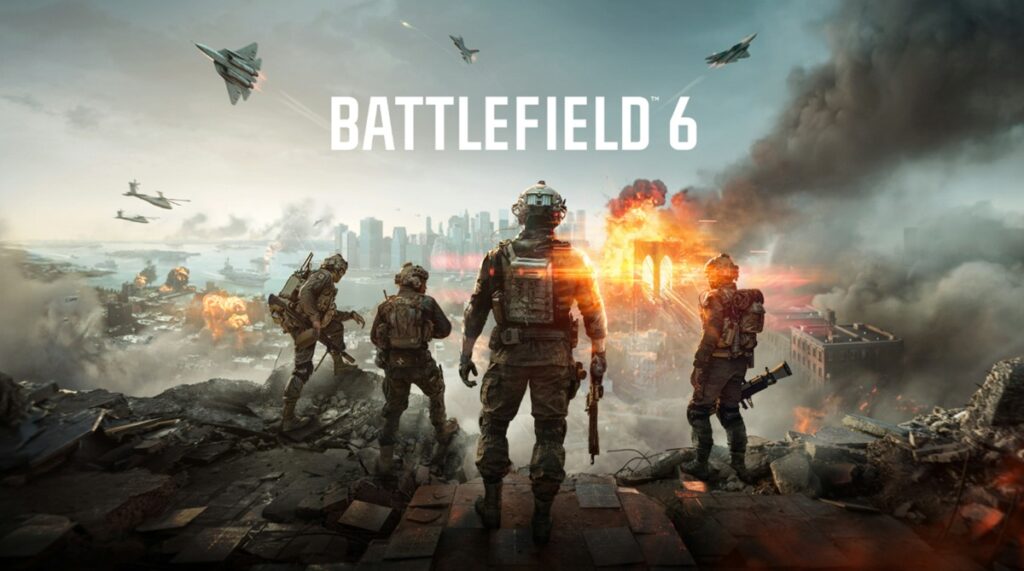
It’s always been risky for Call of Duty to come out every year. That annual habit for players gave Activision (now part of Activision Blizzard, which is itself part of Microsoft) the marketing power to use its marketing to elbow competition out of the way. But now GTA VI stands in the traditional launch window of Call of Duty, and Battlefiled 6 and even tiny ARC Raiders are showing that there cracks in Call of Duty’s armor. Call of Duty is at a crossroads.
The franchise has generated $35 billion since 2003, with 24 mainline games during the 22-year run. It’s not gong to go away. But Microsoft may have to consider skipping a year to give the developers more time to get their games done and come up with a more diverse slate of scenarios beyond Modern Warfare and Black Ops. Activision’s teams, with more than 10 studios with thousands of developers, will have to earn their gains in the future. They can’t afford missteps like in 2025 and they have to make the right calls on monetization, burnout, and the notion that all good things can come to an end.
By extension, Electronic Arts’ Battlefield team, now mourning the loss of their leader Vince Zampella, will also have to contemplate what it does next to keep players around even though Battlefield has had much smaller teams and longer development cycles than Call of Duty. It’s not going to be easy, and there may be a window for more competition. If Call of Duty is feeling the pain and hitting the wall, Battlefield could be in the same boat.
5) The debate over AI use in games will come to a head as a culture war
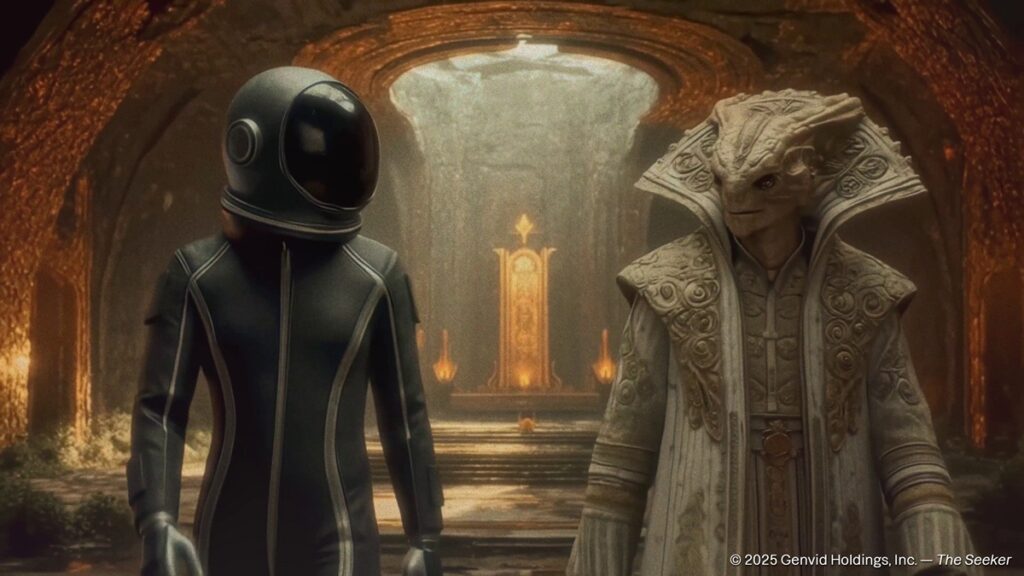
We’ve already written about how SAG‑AFTRA’s voice actors are drawing red lines around synthetic voice cloning and demanding control and fair pay.
Inside game studios, there’s a growing split between teams embracing AI as a way to ship faster and cheaper, and those who worry it will hollow out junior creative roles and flood the market with low‑quality games, dubbed “AI slop.” Players, game critics and other observers are wondering if AI is going to be used primarily to make better experiences—or to optimize battle passes, engagement metrics, and lay off game developers.
We saw how the Indie Game Awards took away two awards from Clair Obscur: Expedition 33, for the undisclosed (accidental, even) use of generative AI in the pre-production phase of the game. As is familiar after controversies around blockchain and metaverse hype, the U.S. is where there are more objections emerging to the use of AI tools. But in places like Asia, it’s likely we’ll see developers racing ahead ot embrace AI. I have seen how ordinary game studios are no longer able to raise money, while AI-based game tool makers can.
It’s easy to see how this tools conversation could turn into a culture war. In the latter, technology arguments won’t win the day. Teams and players could plant their flags around refusing to use AI — or to insist on AI-first or AI-assisted game development. It’s going to be tough for all — pitting programmers against artists inside game companies — and it’s quite possible that AI could eliminate programming jobs first.
If the pro AI camp wins, we’ll see creative freedom result in AI-native games that deliver gameplay experiences that we’ve never seen before. But that creative freedom may get cut short by the culture wra.
6) Nintendo will gain more market share with Switch 2
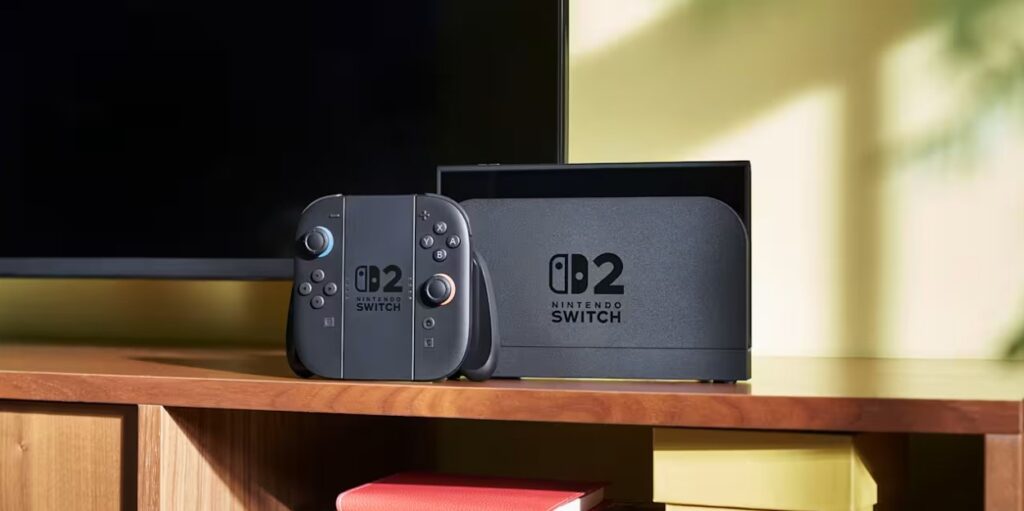
Microsoft and Sony haven’t launched new game consoles since 2020. They’re overdue, at least on the announcements. But Nintendo has probably cleared more than 13 million Switch 2 sales since the debut in June.
Although Nintendo priced the Switch 2 at $450, a big increase from the original Switch’s price of $300 in 2017, it will likely come in at a lower price than any new consoles from the rivals. (As an example, the Windows-based ROG Xbox Ally X debuted as a handheld from Asus and Microsoft this year at $1,000). So not only will Nintendo have a timing advantage, it will also have a pricing advantage.
So far, the Switch has sold more than 150 million units, while the last generation PlayStation 5 has sold around 86 million million and the Xbox Series X/S has sold a weak 34 million. Nintendo has strong third-party support this time and it is also preparing big first-party titles and movies that could stoke demand as well. The Switch 2 also has a mobility advantage over the home consoles from Sony and Microsoft.
At just $200 or $250 depending on promos, the threat to Nintendo doesn’t come from the traditional rivals. It’s from the Nex Playground, a startup game console that uses motion-sensing from cameras that detect your body movements as controllers. And the bigger threat to Sony and Microsoft is the Steam Machine products coming from Valve in 2026.
7) A Netflix bid for Warner Bros. will be blocked either by a higher bid or by antitrust enforcement
Netflix’s $72 billion bid to buy most of Warner Bros. Discovery has already been superceded by a $108 billion from David Ellison’s Skydance/Paramount. Warner rejected the Paramount bid to buy all of Warner already for various reasons like financing, but David Ellison’s father, the super-rich Larry Ellison of Oracle fame, has pledged $40 billion in financing. That could make Paramount’s hostile offer attractive to shareholders.
On top of that, the Ellison’s have a political edge, as Jared Kushner, Donald Trump’s son-in-law, is part of the Ellison deal and Larry Ellison is an ally of Trump. That will matter in antitrust reviews.
While Trump has rolled back Joe Biden’s strict antitrust enforcement and regulations, it will still be hard for Netflix to gain approval. Netflix is No. 1 in streaming videos and Warner’s HBO is No. 3. That means it will gain market share on rivals like Disney+ and Apple TV and Paramount. That’s a no-no in antitrust reviews, which could declare that the relevant market is streaming, where most of the revenue comes from. Netflix has a history of raising prices, noted analyst Michael Pachter of Wedbush, and that’s bad for consumers, as is too much concentration in a market. On traditional antitrust law and Trump’s own political favorites, Netflix is going to lose on the regulatory approval.
Hollywood talent could also object to concentration of power in Netflix’s hands, as it hasn’t been an advocate for movie theaters and it will control much of the world’s important intellectual properties.
But here’s the thing. Even if Netflix knows it won’t get approval, it should bid anyway. It will face a $5 billion penalty if it fails to complete the deal, but putting Warner into limbo for two years will keep it out of the hands of Paramount and that could help Netflix pull further ahead in market valuation during that time.
For gaming, this means that Warner Bros. Games could end up like a political football, tossed around to different parties before it finds a real home. If Netflix does get its hands on Warner’s games division, that could be the big prize as games, which appeal to the youngest demographics, represent an existential threat to streaming.
8) AR gaming will finally get its moment with AI glasses

Mark Zuckerberg has already made augmented reality on AI glasses possible with the latest version of his Meta Ray-Ban glasses, which for the $800 Meta Ray-Ban Display version has a combination of AI voice queries as well as a small screen on the lenses for AR. This is the platform that AR advocates have been waiting for, as a lot of technology can fit in a package that is pretty much the size of some heavy ordinary sunglasses.
Zuckerberg noted that the first version of the Meta Ray-Ban glasses, which were a success, could be the “backdoor to the metaverse” that he pledged Meta would get to via his focus on virtual reality. While he is still pushing on the VR front, he has diverted funding toward beating the other big platforms on AI technology.
Yet he is motivated to make AR and AI glasses a success because it combines his big passions for both AI and AR in the same products. The byproduct for gamers could be a great platform for AR games. Pokémon Go on ordinary smartphones proved that people have the appetite to play AR games, but the hardware has fallen short.
I don’t expect this to play out fully in 2026, but the competition for AR gaming will get a boost from it and we’ll see more momentum in the coming years. The features that enable games include real-time scene intelligence, object recognition, hand-tracking, natural language recognition, voice recognition and AR on glasses. That tech is ready, or just about ready, in a form factor that matches consumer tastes for ordinary glasses.
The dark horses in this battle? Samsung, Google and Apple are surely racing down the same road.
9) Pressure will grow on Microsoft and Sony to talk about the next generation
This is really an extension of the prediction in No. 6, but it deserves more focus. As noted, the PS 5 and Xbox consoles are hitting old age. Hardware costs are prohibitive right now, and they are a reason Microsoft and Sony want to delay their launches. But further loss of market share looms in a market with Nintendo attacking on the mobile front and Valve attacking with home consoles.
The pressure will also come from players, who are impatient for new platforms. I’ve been playing most of my games on a high-end PC (from Falcon Northwest) because the graphics look so much better than the consoles, and the new fast OLED monitors are great. Valve can tap the same external manufacturers as its rivals can, and so it could feed a lot of units into the market in 2026.
We know there isn’t too much happening yet from Sony and Microsoft. Otherwise, there would be plenty of leaks from game developers who would be working on the next-generation games already. But those game developers are also going to put pressure on Sony and Microsoft to get their act together. They need to hang on to the market, so it’s time to plant the flag for PlayStation and Xbox — if they want to stay in the hardware businesss. I suppose the flip side of this prediction is Steam Machines will succeed as home consoles in 2026. Especially if that Half-Life 3 rumor wakes up again.
10) User-generated content will continue to gain traction
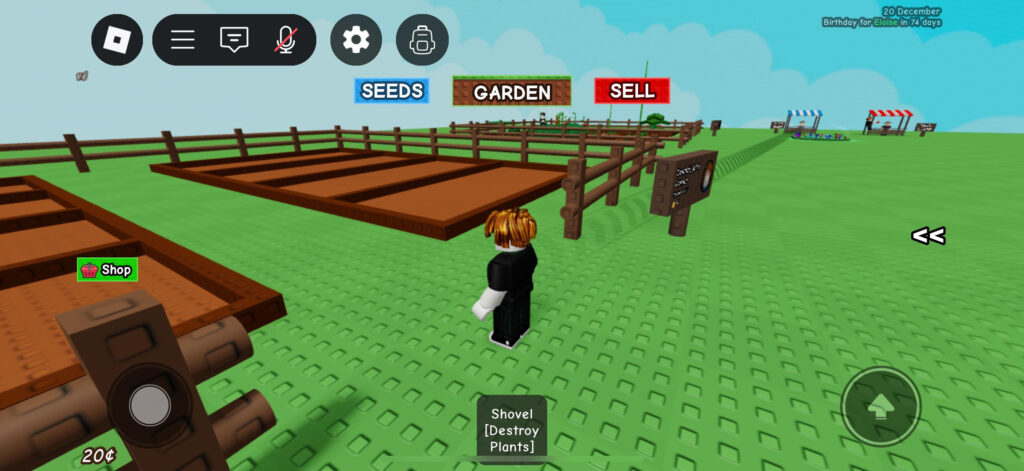
User‑generated content will continue to grow in 2026, sometimes with purely new intellectual properties and sometimes with the backing of brands.
As Matthew Ball pointed out in an essay, Roblox has more daily users than most consoles have monthly users, more hours played than any other game ecosystem, and more creators than many professional game development platforms.
Roblox has thousands of games with millions of players, and it’s become the default platform for kids — so much so that Disney’s Bob Iger said his brand could be gone in a generation if it doesn’t establish a presence on such platforms. Roblox continued to grow in 2025 and now it’s above 151 million daily active players. Roblox said in Q3 that its hours played was 39.6 billion, up 91% from a year earlier.
The user-generated content on Roblox and Fortnite Creative (Unreal Editor for Fortnite) has yielded some huge hits. Grow A Garden hit a record 22 million concurrent players on Roblox, while older titles on Roblox like Adopt Me, Brookhaven and 99 Nights in the Forest have hit many billions of plays.
The tools to make these games, aided by AI and other automations, are making it easier for small teams to come up with their creations. Popular titles on Fortnite Creative (UEFN) include Steal the Brainrot, Bed Wars and The Pit. On the PC, Overwolf paid out more than $300 million to modders in 2025. The economics are likely to shift toward creators.
A lot of people have observed that the ground floor for game jobs is increasingly in jeopardy. I think of UGC on Roblox and Fortnite as the basement. And there’s an elevator that can take you from the basement all the way to the top. The barrier to entry is dropping on the UGC platforms, even as it rises on traditional PC and console platforms. The brands — like FIFA, Sega and the NFL — are noticing the success of these games and they’re backing them.
Of course, the one thing Roblox has to watch is how it can stamp out child predators on its platform. I expect that UGC will be a big deal on GTA VI, whenever that launches.
11) Indie games will steal the industry’s heart — again
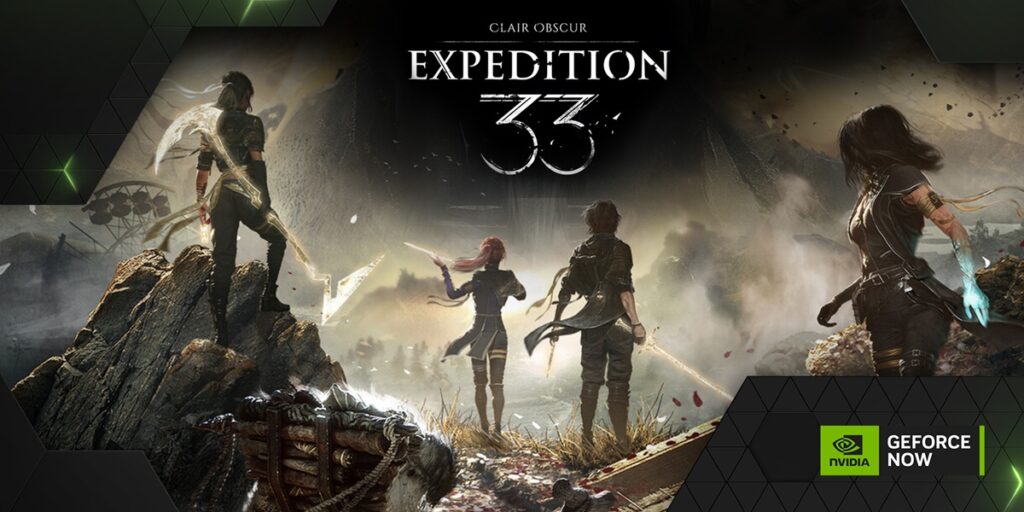
Even as we celebrate the triple-A games that capture so much of the time and market share of gaming, we all have a soft spot for indies who keep creativity and innovation vibrant in gaming.
While big companies are consolidating and ratcheting up budgets while laying off people, many of the pro developers are finding homes in indie game studios. Clair Obscur: Expedition 33 won 10 awards at The Game Awards, yet it was made by a team of only 30 people at Sandfall Interactive. It was an original game, with no well-known IP behind it.
The developers in charge of these games take risks and provide the kind of edgy content and experimental game mechanics that aren’t so easy to execute in the biggest companies. Just like in indie films, indie games are drawing audiences that support them and seek them out even as they avoid the franchise-heavy triple-A space.
Among the big hits in the indie realm are Dave the Diver (from Mintrocket), Hades and Hades II (Supergiant), Dredge, Sea of Stars, Palworld, Helldivers II, Hollow Knight: Silksong, Balatro, Peak and ARC Raiders. The latter was made by a 110-person team in a division at Nexon — but that is pretty small for triple-A titles.
Indies make the best use of human capital. Many of the developers leaving big studios during the past 3.5 years of layoffs aren’t leaving the industry. They’re forming small teams, chasing passion projects, and bringing decades of experience into the indie space. Some of them are tapping AI to do the work of 10 developers. Some are soldiering on with the skills they learned in studios.
The result so far has been a wave of games that blend professional polish with personal storytelling. In 2026, indies won’t just fill the gaps between blockbusters. They will define the emotional highs of the year — the games people recommend to their friends, the ones that win awards, the ones that remind everyone why they fell in love with games.
Swen Vincke’s speech at The Game Awards captured a truth the business interests of the game industry keeps forgetting: the best games come from teams making the game they want to play. To paraphrase Vincke: in 2026, one indie team, whether it’s one developer or 30, will deliver a game that cuts through the noise. It won’t chase trends. It won’t be built for “engagement.” It will be built with love for play. And players will reward it.
Honorable mention
GTA VI will be the Game of the Year in 2026. If GTA IV ships on time — the biggest if in the world now for games — it will cast a long shadow. Game companies will avoid shipping anything in Novmber and may rush to get their games out earlier. It will be so big it will become the cultural touchstone for all of entertainment in 2026. And it will send a blast radius out that could stall sales of just about any other game in the launch window.
Grading my predictions for 2025
(1) Grand Theft Auto VI will be the game of the year
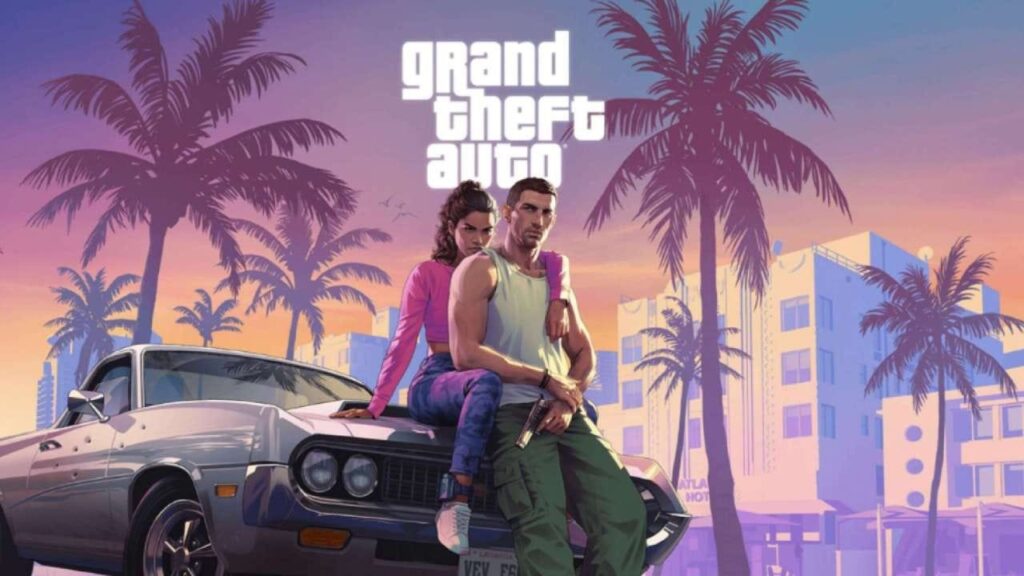
Letter grade: F
Analysis: After telling us that GTA VI’s launch was delayed until May 26, 2026, Take-Two CEO Strauss Zelnick announced that the game was delayed again until November 19, 2026. Perhaps that exact date will stick, but I’m gunshy about making another such prediction. I bet Zelnick is too, but his predictions should be better than mine.
Rockstar Games has superb mindshare among gamers, and it has done a great job building buzz for Grand Theft Auto VI. The first trailer generated more than 228 million views on YouTube when it came out a year ago. There is so much pent-up demand for this title, as the previous game Grand Theft Auto V debuted in 2013. After 11 years, that title has sold more than 205 million copies to date, generating perhaps $12 billion at retail.
Thousands of developers are working on the latest version. And while superstar developers on Grand Theft Auto V — Leslie Benzies and Dan Houser — have left Rockstar, Houser’s brother Sam Houser is still running Rockstar and so you can expect a lot of continuity in the game’s production values. The game trailer showed the title will take place on familiar ground in a fictional setting in Miami, it features strong characters from the criminal underworld, and it is loaded with realistic 3D graphics and pop culture. That’s a formula that Rockstar created years ago and it will likely work again, given the power of franchises in today’s gaming business.
I think the only thing that could derail this from being Game of the Year would be if it were delayed into 2026. That is possible, but the forecasts from parent company Take-Two Interactive have been getting more and more specific. We don’t know the launch date yet (other than the fall of 2025), but you can bet every other game will avoid coming out at the same time as Rockstar’s latest title. And I expect that Rockstar will continue with its games-as-a-service strategy, where it would likely launch a new version of Grand Theft Auto Online once GTA 6 comes out.
(2) Game layoffs will continue, but the game job market will get better
Letter grade: A
Analysis: Game industry layoffs came in at about 5,300 in 2025, down from 14,600 in 2024, according to the Game Industry Layoff Tracker. Meanwhile, the game industry revenues grew an estimated 7.4% in 2025 to $196.7 billion, according to market researcher Newzoo.
We have a wide and diverse gaming economy now where there will be both improvements and setbacks at the same time. This mean game layoffs will continue, but it’s still possible to have an improvement in the overall job market for game companies as revenues recover.
Amir Satvat, the game job champion (who was honored as a Game Changer award winner at The Game Awards) has provided the most transparent information on supply and demand for game jobs, and he has been predicting for a while that job hires and losses will hit an equilibrium on a 60-day trailing basis in December 2024, though he has now moved that to January. If that’s true, there will be more hiring than firing in January, for the first time in about 31 months. We’ll see if that holds true for 2025.
How this really goes depends on a lot of things, like the health of the global economy and whether AI will create or eliminate jobs. There are too many companies working on too many games. Many of them won’t be winners and they will likely lay off staff. But I believe that demand will pick up as we near the launch of new devices (like Nintendo’s Switch 2) and games on my most-anticipated games list of 2025 get released.
If anything, I believe in the law of gravity. We’ve had such a long down cycle that it feels like things can only get better. The demographics favoring games — especially titles like Roblox, Fortnite, Minecraft and mobile games — are only going to get stronger and the pie will get bigger. Such tidal change that comes with that generational force is hard to spot, but I am still optimistic that game developers of all types will surprise and delight us with their creativity when it comes to making outstanding games.
(3) AI games will come on strong

Letter grade: B
Analysis: AI game tools certainly took over the funding related to the game industry, after money dried up for game studios during 2025. AI startup General Intuition raised $133.7 million, Moonlake AI raised $28 million, Kyzo’s Friends raised $11M and there were more. However, some games faced backlash for using AI, including Clair Obscur: Expedition 33, which lost two awards from the Indie Game Awards for using GenAI in prototyping and failing to properly disclose that. The industry is still waiting for AI in games to truly change the face of gaming.
All game companies are working on this technology in some way. For the longest time, AI has made a big difference in making games more fun. Just look at Left 4 Dead and No Man’s Sky, which have used AI to create adaptive and procedurally generated content. But the onset of generative is spurring more AI in gaming.
Electronic Arts recently demoed a variety of AI tools in the works at the company, such as a large language model consisting of only EA’s copyrighted content going back decades. To make its EA Sports College Football on time, EA used machine learning to help its artists create more than 11,000 college football athlete likenesses in just three months. That’s a lot more efficient than what used to happen.
Based on all of the pronouncements from big companies and statements from game startups, you can bet that game companies are kicking the tires on AI tools from game startups aimed at making game development faster, cheaper and easier. They may, like EA, be making their own or they may be betting on startups like Inworld AI that have talent from both AI and games in-house. AI can make our worlds more dynamic and personalized to exactly what we want.
The game startups are using generative AI to make non-player characters (NPCs) smarter in their games. They could be working on AI art generation, with tools like those from Didimo designed to make it easier to create a thousand variations of NPCs to fill out a crowd in a game. And they could be trying to come up with new types of gameplay where they can give players smart AI companions to help them finish games in a more satisfying way.
I think there will be vast ramifications from the use of AI in games. We already see that in the ongoing strike by SAG-AFTRA’s voice actors, who want control over and fair payment for the use of their voices when it comes to AI generation of voice in games.
But the genie is coming out of this bottle, and a brave new world awaits. AI is already getting used a lot in gaming, but I really have no clue what’s going to happen with its myriad consequences down the road.
(4) Blockchain gaming will face its biggest test in the market

Letter grade: A
Analysis: There were plenty of blockchain game successes if you looked for them. Echelon Prime saw success with its esports and utility token focus; Pixels continued to retain players for its social metaverse; Axie Infinity saw a comeback with a return to 200,000 monthly active players; Off the Grid continued to do well as a triple-A shooter; Catslap was a meme-game viral hit. Hamster Kombat saw more casual play-to-earn success. Gods Unchained saw continued growth as a collectible game; World of Dypians saw success. Age of Dino grew a lot, and TON mini-games saw mass adoption on Telegram. However, if you look at the value of tokens associated with these games and whether the valuations grew or not, then you pretty much find that none of these games are successes yet. Perhaps the one success? WeMade’s relaunch of ROM: Golden Age.
There are arguments on both sides about whether blockchain games will fail or take off in 2025. Many seasoned game devs like Josef Fares have gone on the record saying that blockchain games are fad with too many scams that will fade because there just isn’t enough utility for Web3 gaming.
Chainplay found in an analysis that 93% of Web3 gaming projects are dead. On average, 316 new Web3 gaming projects launch each year, but 262 projects disappear, indicating that a significant number struggle to stay afloat for more than a few months. About 95% have see their token prices drop after hitting their trading peaks. Altogether, 3,200 such projects have been announced.
But Chainplay noted that some venture funds have navigated this environment well. Such firms can plow their proceeds back into Web3 game startups to keep trying for the big score. The market capitalization for blockchain games sits at $25 billion today, acccording to Coin Gecko. That means not everyone has given up. Again, that’s plenty of money to experiment with.
Meanwhile, blockchain games like Hamster Kombat have generated hundreds of millions of downloads on Telegram, which is an unfettered and crypto-friendly messaging service favored by the crypto crowd. That demand can go poof in an instant as soon as tokens related to those games launch and fall short. But Telegram and new chains like Base are providing a lifeline to some companies as they experiment with new models and creativity.
Hardcore games like Off the Grid are also arriving on the blockchain, and casual fare like Pixels and Pirate Nation continue to pick up where Axie Infinity left off. The big-budget games take years to gestate, and some of them are finally coming out of a long development pipeline, said Yat Siu, executive chairman of Animoca Brands, which has invested in 540 Web3 gaming companies.
Many of these companies that have raised money have big war chests, as blockchain games have commanded as much as half of all game fundings in any given year during the past three years. And crypto is likely to get a pass from the incoming Trump administration. Depending on your point of view, for good or bad, 2025 is likely one of the years that will make or break this much-castigated trend. If you’re wondering which titles could take off, check out the Gam3 awards list.
(5) Other regions will continue to emerge with triple-A games

Letter grade: B
Analysis: There wasn’t a breakaway hit like Black Myth: Wukong in 2025. But there were plenty of successes in emerging markets, including Chinese titles Wuchang: Fallen Feathers and Far Beyond Time.
Black Myth: Wukong sold more than 25 million copies since August, according to Niko Partners. It was a rare triple-A game that succeeded on the global stage, even though it was made with local Chinese content by local Chinese game developers. It turns out this resonated far better on the global stage than many predicted, and it’s a sign that games are following in the footsteps of the global film and TV industry, where we’ve long seen huge international audiences for fresh content like South Korea’s Squid Game.
While China has been huge in free-to-play games like Genshin Impact, it has lagged the West and Japan in making triple-A titles, Niko said. But Black Myth: Wukong is now the most-played single-player game in Steam history, with more than 37 million people logged into it on August 25.
For more on this subject, check out a fireside chat I had with Matthew Ball, author of the bestselling book The Metaverse, CEO of Epyllion and a seer of the game industry. We spoke at our recent GamesBeat Insider Series: Hollywood & Games event on December 12 in Los Angeles. Ball also wrote a great essay on the trend of how he expects games will follow Hollywood with more international content.
We’ve seen growth of game development in unexpected regions as those regions come online and participate in the global economy. For instance, India game VC firm Lumikai predicts the Indian game market will grow from $3.8 billion in 2024 to $9 billion by 2029. Gaming is already 30% of India’s entertainment market, and it’s on the verge of becoming bigger than Bollywood. With growing revenues will come bigger budgets, more talent and more creativity.
(6) Switch 2 will breathe new life into hardware sales

Letter grade: A
Analysis: The Nintendo Switch 2 sold more than 10 million units by September 30 — after just four month on the market. The numbers are expected to hit 19 million by March 31, 2026. By most accounts, this is a great launch. It helped that the system had great games like Mario Kart World, Donkey Kong Banaanza and Metroid Prime 4.
Last year, I was right that Nintendo would announce that it would unveil the Switch 2 hybrid home/portable game console in 2024 and launch it in 2025. Nintendo updated its forecast saying it plans to launch the system in 2025 and it will be backward compatible with the original Switch, which debuted back in 2017.
This means it will be eight years since Nintendo launched a game console, and that period of time is really pushing the limit in terms of technological obsolescence and gamer patients for new gear. Hopefully, the conditions will be right as well. Assuming there won’t be a China-U.S. tariff war, and that’s a very big if given the statements of incoming President Donald Trump, the conditions should be good for launching a new machine.
The supply chain should be ready to produce such a device in large numbers, and gamers are likely to be more amenable to a Nintendo console, which typically carries a lower price compared to its rivals Sony and Xbox. Nintendo has big games like a new Metroid 4 game in the works, and you can guess that it’s probably got big Mario and Zelda games coming for the console transition too.
(7) Game and TV movies will widen demand for games

Letter grade: A
Analysis: In the earnings call of big game companies, executives are singing the praises of game adaptations into movies and TV shows. Shows like The Last of Us, Minecraft, The Super Mario Bros. Movie, Fallout, and even Borderlands ( a movie that bombed) have reportedly lifted sales of video games based on those franchises. That’s because the shows reach wider audiences than games and they inspire people to try out the games to dive deeper into the worlds of the franchises.
Years ago, Hollywood moguls were skeptical that game adaptations would ever suceed. But Dmitri M. Johnson, cofounder of Story Kitchen (an instigator of the Sega movies including holiday hit Sonic the Hedgehog 3) and a speaker at our Hollywood and Games event, noted that we have so many proof points now that great game adaptations can be done.
On top of that, the movies and shows have been increasing game sales. Executives at Microsoft said that the Fallout streaming series on increased sales of Fallout games, even though Bethesda didn’t have a show-related game ready at the same time. Older games saw sales improve. Nintendo said the same about the Super Mario Bros. Movie, which generated $1.3 billion in box office revenues and increased interest in Mario games. And Sony said that The Last of Us streaming show on HBO also had the same effect. This means that execs in Hollywood no longer have to be persuaded that transmedia adaptations can be a great idea, especially if the focus is on what fans want.
Borderlands didn’t take off as expected. But game leaders also no longer need to be completely skeptical that a movie or TV show about their games will ruin the properties. Game developer Richard Dansky (franchise narrative director at Crytek) did a Facebook post on this subject that conveyed the point well. “Narrative works on an emotional level,” he wrote. “It takes time and resources to come to fruition, and skill to do it effectively. Its purpose is to drive four things: attachment, anticipation, identification and investment.”
He added, “Get those four things going and you build an audience that likes your stuff, shares their takes on your stuff with the world, wants more of your stuff, sticks around because they’re looking forward to the next bit of your stuff, and thus continues to spend money on your stuff.”
OK, the word “stuff” isn’t so eloquent here, but this is a great argument on behalf of narrative’s power for persuading bean counters of the value of great stories.
(8) Roblox, Fortnite and Minecraft will keep gaining share on traditional games

Letter grade: B
Analysis: Roblox has been lapping other platforms for a while, but Fortnite and Minecraft have not had as strong results lately. But analysts such as Matthew Ball have pointed out how much bigger Roblox has become compared to other platforms.
At its recent Roblox Developer Conference, Roblox executives said more than 400 brands had moved into making games on the platform, which skews toward younger Generation Z and Generation Alpha audiences. Fortnite has also gotten traction with brands, and Minecraft has its own unique appeal too. Magid reported that the youngest audiences are now encountering gaming for the first time on smartphones, not on Nintendo game devices. If you want to reach them, you have to find them in gaming where they are, not on traditional media.
Tim Sweeney, CEO of Epic Games, says there are more than 600 million players who have joined these games with user-generated content at their core, essentially making the metaverse destination that so many of these brands want. Companies that cater to the brands, making games for the brands which work on the platforms, are generating a lot of hits. Gamefam has five of 15 top brand-related games on Roblox, with the No. 1 game Sonic Speedrun getting more than a billion plays. Halo co-creator Alex Seropian’s Look North World launched a game for Twitch on top of Fortnite.
And Disney’s CEO Bob Iger said that Disney was making a universe on top of Fortnite with Epic Games because Disney isn’t reaching the youngest players and audiences anymore because it doesn’t have a huge presence in such games. As Joe Ferencz, CEO of Gamefam, told me in our interview from the story above, the brands that aren’t on these platforms are going to be dying brands.
(9) Disney and big media companies will buy big game companies

Letter grade: B
Analysis: OK, Disney didn’t dive into the fray. But other big media companies went on a buying binge. Netflix and Skydance/Paramount are slugging it out to acquire Warner Bros. Discovery, which owns the Warner Bros. Games division. And coalition led by Saudi Arabia’s Public Investment Fund has lined up to buy Electronic Arts for $55 billion. Those are earthquakes that are going to trigger changes yet to come.
Speaking of Disney, Iger has reportedly begun the succession process as he plans to retire once again from the top job at the kingdom of Mickey Mouse. Andrew Wilson, CEO of Electronic Arts, was mentioned as a candidate to replace Iger in a Wall Street Journal story. We don’t know if it’s true. But why not? The big media companies have made runs at game companies like EA, Activision Blizzard and Ubisoft in the past. We should expect more of the same to happen.
We don’t know when and where it’s going to happen. There aren’t many healthy entertainment companies that could buy the likes of EA. Tencent is reportedly talking with Ubisoft about taking the French game publisher private. Disney could also bring its Disney Universe project in-house by buying Epic Games.
And Pitchbook said there is a 93% chance that Discord, the game communications company, will go public in 2025. Someone else could stop that from happening by acquiring Discord, but I don’t think that is likely. Eventually, the game companies will become so big that they may be the ones doing the acquiring. This is all speculation, but it’s not so crazy when you think about the chess game of the game industry.
(10) Politics in games will become a bigger trend

Letter grade: B
Analysis: Political concerns have been growing for a while based on games. There has been a wave of unionization in the U.S. Geopolitics have become a big topic, with concerns rising about Saudi involvement in games, as well as the Russia-Ukraine war and the China-Taiwan tensions. And there are concerns about AI and blockchain in games. Games have not always directly addressed these issues, but gamers have made their voices heard. And anti-woke voices have been raised against games with diverse characters.
Video games have evolved from simple entertainment to complex narratives that can rival the depth of literature and film. As interactive media, they offer unique opportunities to explore and engage with political issues in ways that other forms of storytelling cannot. They can make you feel what it’s like to walk a mile in someone else’s shoes, like in games like The Last of Us Part II, which depicts a relationship among lesbian lead characters and captures the pointlessness of the cycle of violence.
Or games can generate narratives for more aggressively partisan political games like This War of Mine, Bury Me My Love and Papers, Please. Critics found fault with Detroit: Become Human, but it did a great job exploring how humans will interact with AI beings.
Games play with our emotions and immerse us in believable worlds. Why not immerse us in political realities? Commercial-focused games that simply want to monetize everyone don’t run the risk of injecting politics into games because they’re afraid they might alienate half the player base if they take a side on a political issue. But they also risk becoming irrelevant to the things that concern us. Ubisoft’s Watch Dogs: Legion and Far Cry 5 skated close to the political edge, but they also stopped short.
I am hoping this will change as politics has become more important than ever in our lives.
Anima Interactive, started by a daughter of immigrants Karla Reyes, wants to push the political discussion about the reality of immigration into the mainstream with a game about the journey of migrants, dubbed Take Us North. This is an excellent idea for a video game, even though some may find it shocking to make a game about a journey in which some migrants don’t survive. News flash. Games can tackle difficult subjects and tell narratives in a more sensitive way than you hear on mainstream news shows.
And if we want to educate our younger populations about politics, there’s no better way to reach them than through games. One of my usual favorites is The Political Machine series from Stardock Entertainment, which tries to educate us about how the electoral process works through a political game. Serious Games used to be a big deal, and we should make sure that it becomes a mainstay of our gaming appetite. Games can be a serious medium to tell political stories, and to get facts and the narratives right.
(11) Gaming’s edge will survive but face a long road

Letter grade: B
Analysis: The edge of gaming is still the edge. It hasn’t moved to the front and center. AI and blockchain are still on the periphery, as big companies have not moved aggressively into these technologies. The edge is still rising, but user-generated content, movies and film, cloud gaming, subscriptions and new platforms are still gaining ground but not yet dominant.
Our GamesBeat Next conference surfaced a lot of hot trends at the edge of the game industry, as opposed to the core industry of mobile, PC and console gaming. We all know about efforts to take game technology and expand it into things like blockchain, metaverse and AI. They will succeed if they put gamers and fun first, and find a true utility to make things easier, better and more enjoyable. But there are a lot of other edges to the frontier of games, including user-generated content, movies and film, cloud gaming, subscriptions, and platforms like Roblox and more.
Mobile has by far eclipsed console and PC games, but we aren’t sure which trends at the edge will become explosive in the coming years. That’s the fun about the game industry. It’s always changing, and there are lots of landmines that derail plans for quick growth.
In Europe, we’re seeing the emergence of regulator-sanctioned alternative app stores that will enable developers to avoid big fees from Apple and Google. Subscription game platforms like GeForce Now, Netflix, Xbox Game Pass and Apple Arcade are freeing individual game makers from being slaves to monetization. They also get gamers to try out a lot more games than they ordinarily might play. UGC is making game platforms more viable and turn into huge entities. Ad and reward models are taking off. Roblox, Minecraft and Fortnite could be forerunners of the metaverse.
As these technologies mature and become part of mainstream gaming, they could redefine how games are developed, distributed, and experienced. Just as PCs, consoles, and mobile devices have become central to gaming today, these emerging technologies will shape the future, offering new possibilities and transforming the industry in profound ways.
Change is good. We don’t have to reject these ideas before they get their true tests in the market. Sure, there will be failures. But once in a while, something can succeed and take the market by storm. Just look at the Nintendo Wii, with its Wiimote, or the Nintendo Switch, which made hybrid portable and console gaming a thing. I love writing about the intersections of games with tech, science fiction and entertainment. The edge is always more fun. And one day, the edge will become the core.
(12) Alternative app stores will start to get traction

Letter grade: A
Analysis: Epic Games has won important facets of its antitrust cases against Apple and Google. It’s not winning every victory, as cases in Japan and South Korea show. But courts are generally requiring Google and Apple to provide real alternative paths for game developers that allow them to avoid 30% fees for platform costs. This is a trend I expect to accelerate in 2026.
Apple and Google have operated a duopoly on mobile app stores for years. They take a 30% cut of every transaction and that has made game developers like Epic Games CEO Tim Sweeney really mad. He sued both companies and brought down the antitrust heat on them. In the U.S., he mostly lost an antitrust trial against Apple but won one against Google. Among the rights he won: the ability to advertise the existence of an alternative app store from within your game on the Google or App stores.
In Europe, the victory was more pronounced as European Union regulators approved the Digital Markets Act to force “gatekeeper” companies to allow developers to create their alternative app stores. On top of that, as HTML5 web games become more capable, it’s easier than ever for some game developers to directly distribute their games via web links. Blockchain game companies are also trying to make an end run around the major platforms through decentralized technologies.
These efforts are gaining momentum and market share, and it’s not unreasonable to expect that one day the whole world will be like China, where Google stayed out of the market and, as a result, tons of app stores sprouted to take its place. The result can be more diversity of content, better discovery and lower fees charged to developers. Matthew Ball, who we mentioned above, wrote in his book, The Metaverse, that the metaverse will never get built so long as platforms can charge game devs 30% fees.
(Ernesto Pagano of BCG and Matt Tubergen of Digital Turbine suggested this as a major trend for 2025).