
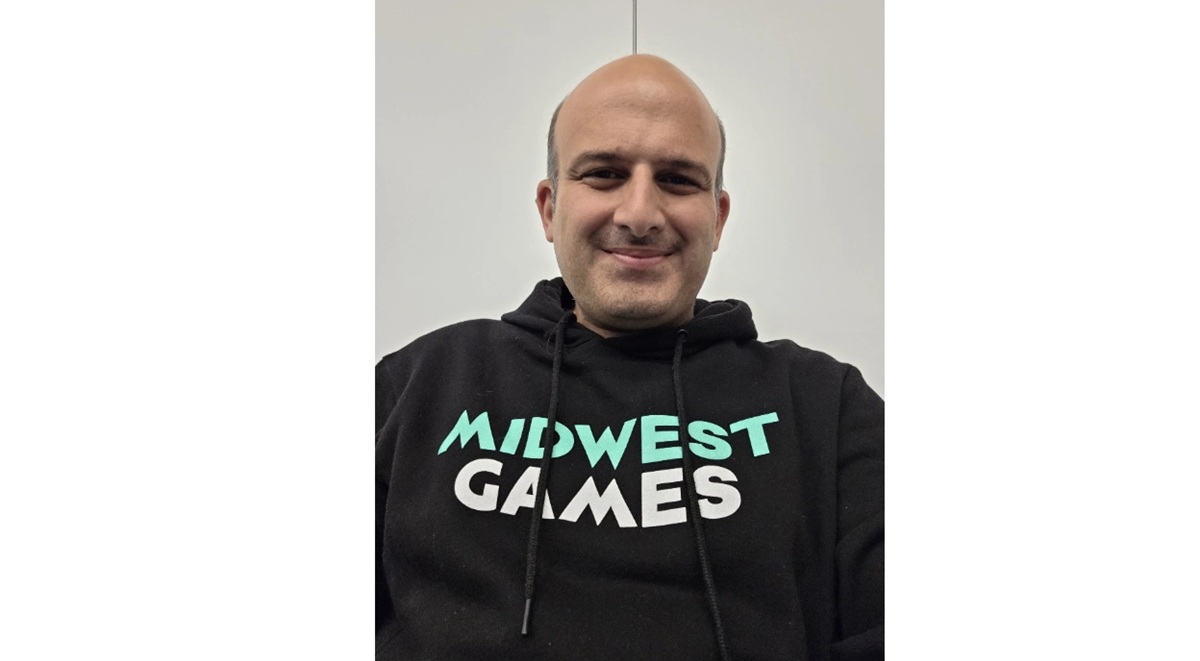
The game jobs recovery is real and accelerating for next year. That is one of the predictions from game jobs community champion Amir Satvat.
In a post on LinkedIn, Satvat said his predictions for next year are based on data that he uniquely collects from more than 5,000 game studios — in his spare time. That data is why he has had more than six million viewers of his job community content in the past three years.
Satvat noted that he is sharing personal predictions that reflect only his views and do not represent his employer, his community, or anyone else. These come from three years of his community’s data, insight from the 5,000 plus studios and partners connected to the network, and many polls and conversations with you.
Satvat said updated numbers show his job resources have helped 4,400 people find jobs in games, and people have had more than 86,000 coaching conversations through his resources. (This is why he was named a Game Changer at last year’s The Game Awards; I’ll be speaking with him in a podcast recording this week at our GamesBeat Insider Series: Hollywood and Games event).
“I am not putting hard numbers on most of these yet, but I am confident enough in the direction of these trends to offer these conclusions,” he said.
But he was clear that in 2026, he believes the velocity and magnitude of games hiring will continue to increase The recovery trend is real and accelerating.
“Layoffs will remain in a similar magnitude ballpark to 2025. Stability will improve but not dramatically,” Satvat said.
He also said new entrants and attempted entrants will continue to accelerate Including graduates, lateral movers, and those laid off.
“Early career pressure will remain extremely high. I do not see entry challenges easing yet,” he said.
Satvat said a rising share of laid off games professionals will find work outside games
Despite the recovery, the pressure of point the new entrants will still be a challenge for the accelerating recovery.
He said the share of open roles in North America and Western Europe will continue to decrease and opportunities will grow in Latin America, Eastern Europe, and Asia.
Satvat said a greater share of total production load will continue shifting to external development and contractors. Studios will rely on distributed talent more than ever.
“The average individual’s purchase of full price AAA games will remain flat or decline
Prices are challenging in a tough macroeconomic environment, and, particularly, long running series compete with their own cheaper older entries,” Satvat said.
He also said indie games will remain the majority of top critical titles. And independent creators will continue to shape many celebrated releases.
Satvat said the share of roles in North America will diversify slightly away from the top five states and regions. Cost pressures will keep reshaping hiring footprints.
“Gaps in supply and demand for the most competitive fields like game design, writing, and narrative will get worse. Openings remain tight while demand rises,” he said.
Placement rates will, relatively, improve for mid career professionals with five years to 15 years of experience. He said a few fields will remain heavily oversubscribed.
“I know this reads as a tough picture. It is tough. But I do not believe in most apocalyptic scenarios. I believe it will keep becoming a more globally employed sector with downward pressure on compensation as similar quality talent emerges at lower cost locations,” Satvat said. “Discoverability will get harder and creators will need to adapt to new influencer driven and socially driven paths for players to find their work. Opportunity will still come from democratized access and the ability for anyone to create something great.”
And he said, “The biggest challenges will be at the triple-A level where costs remain high. Many teams risk staying locked in a hit or miss survival cycle. I hope more teams break out of that cycle and experiment with new approaches.”