
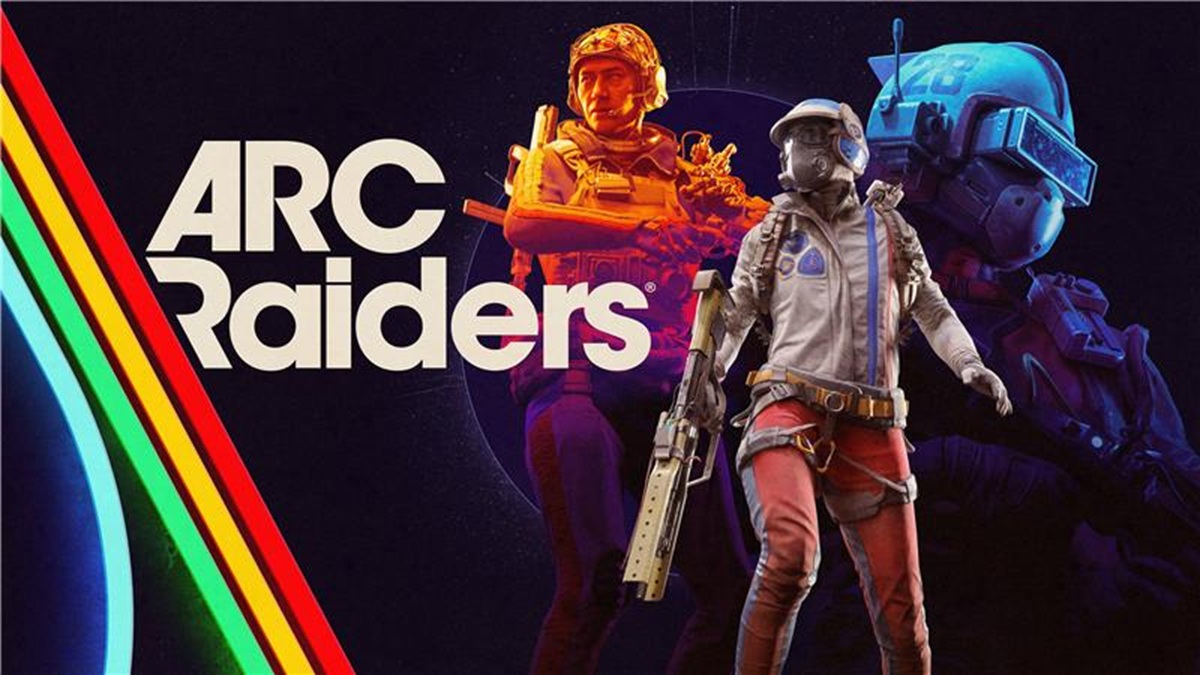
One of the most exciting surprises of gaming in 2025 came with the launch of dark horse ARC Raiders, an extraction shooter that was squished between the launch dates of Battlefield 6 and Call of Duty: Black Ops 7.
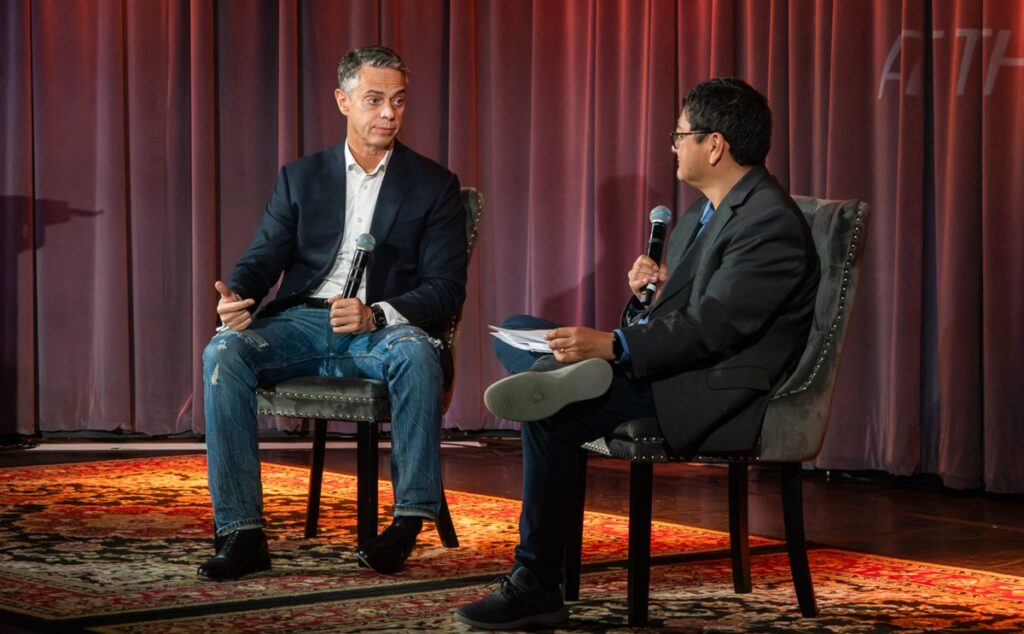
ARC Raiders is a tremendous success, but it’s only here because of a valiant effort of the developers to make the best game possible after nearly seven years of development — full of pivots that served the cause of player fun. I rated the game a 5 out of 5 stars. That’s why it was a thrill for me to get the inside story of the game’s development while playing the game with Patrick Söderlund, CEO of Embark Studios, and Owen Mahoney, the former CEO of Nexon and the man who greenlit the project and fully funded it. The studio just released a big winter update for the game.
As a shooter fan, I knew I was going to play a lot of Battlefield 6 and Black Ops 7. But it turned out the time spent in ARC Raiders was so much more satisfying. In fact, Söderlund said players are spending an average of three hours a day in the game and many have already hit the level cap of 75.
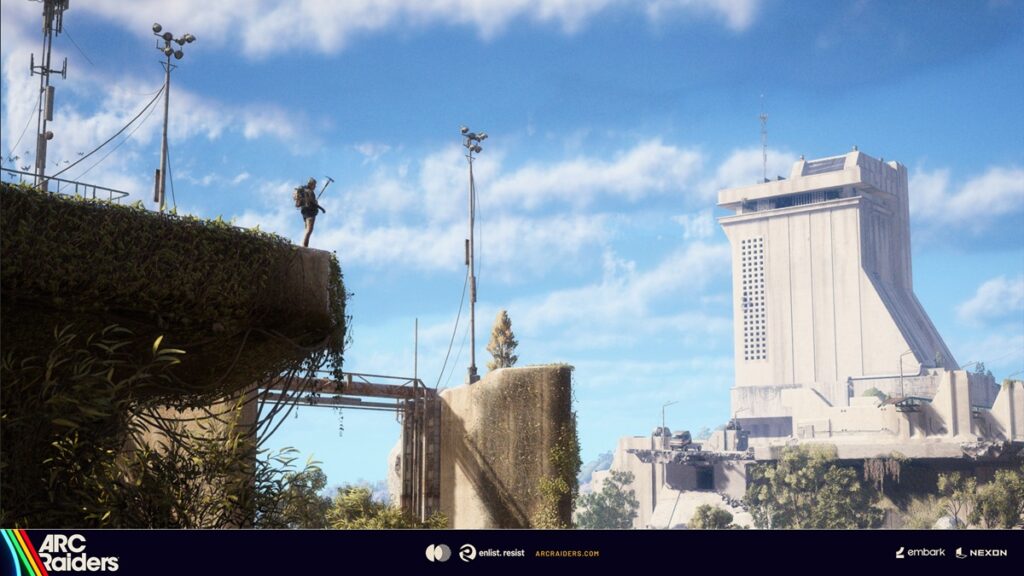
This game got the post-apocalytpic survival gameplay right. You could play the multiplayer game as a solo explorer or as a co-op duo or trio. When you left the safety of Speranza in the underground to the terrifying surface where you had to scavenge for goods to sell, it mixed the gameplay of games like Fallout Shelter and Fallout 4.

In the Fallout Shelter mobile game, you pretty much stay underground. In Fallout 4, you explored the open world above ground. But this game takes you from below to above for 15 to 30 minutes of multiplayer gameplay, with a focus on the most terrifying and action-packed parts of the experience. You have to evade the much stronger AI robots, the ARC, and stay away from humans who want to shoot you for loot. Then you have to go to an extraction point and wait for a slow elevator to come while alarms go off loudly.
All of that was architected to create tension for the player. For instance, voice chat allows you to talk to other teams while in close proximity. You can say you’re “friendly,” but the other might not believe you and shoot first. If they truly are friendly, you can band together to find loot and kill bigger ARCs than you otherwise could. That tension and the chill nature of exploration allow you to strike up a conversation with your fellow player.
Our gameplay
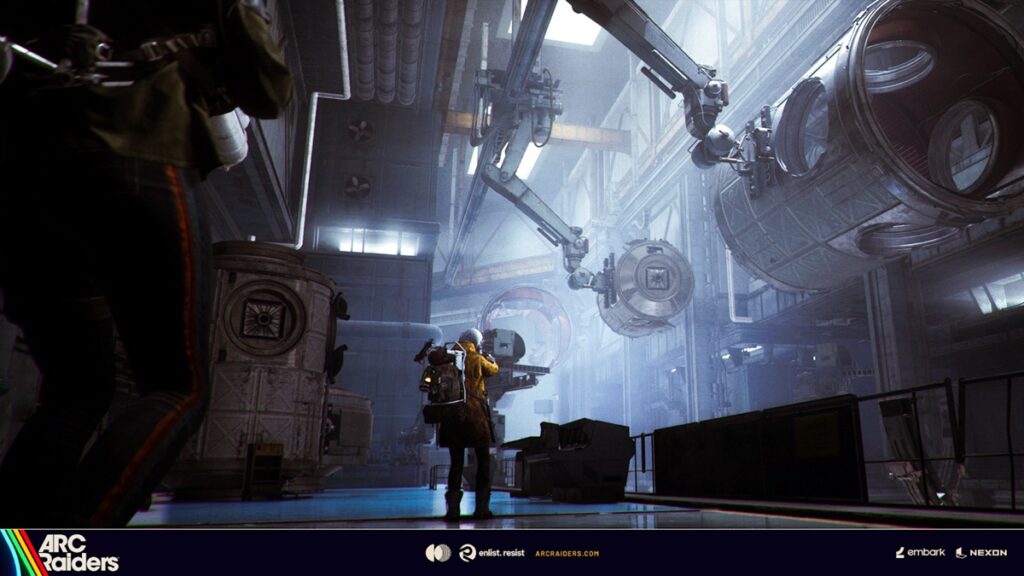
I played with Mahoney and Söderlund for nearly two hours. That was after I played a lengthy session with Mahoney and my friend Mark Chandler, who helped edit the video. It was clear from when I first stepped into the world with Söderlund that he loved the game and had played it many times — at least over 100 hours.
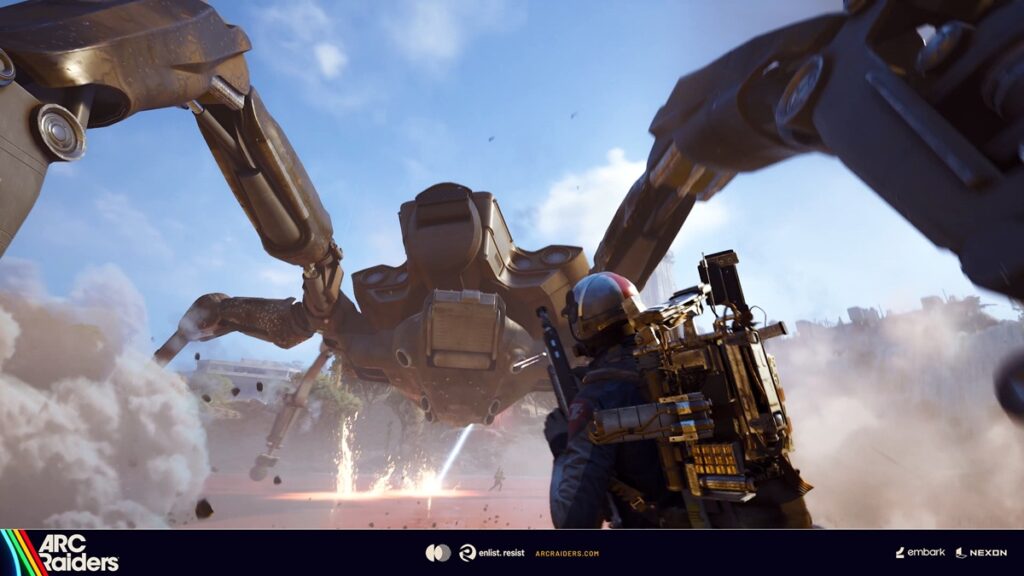
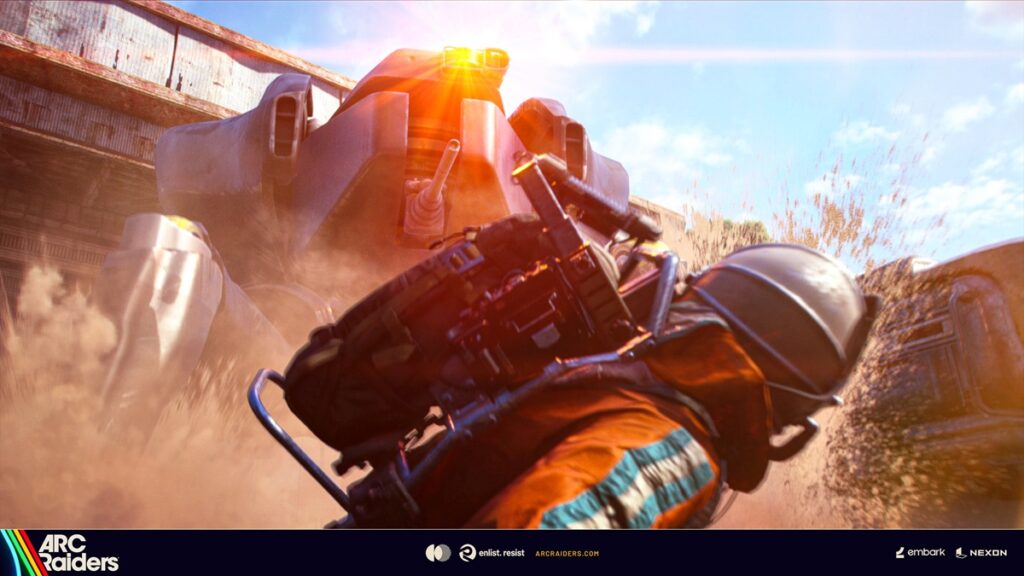
In the game sessions, we took down a Rocketeer, one of the heavily armored ARCs flying above us, with Mahoney’s Wolfpack, a grenade that explodes into multiple homing missiles. We also took down a Leaper, which looks like a massive spider that leaps to wherever it sees you. We were just about to loot the Leaper’s body when a team of humans ambushed us and stole our loot. They apologized to Söderlund as he died, since they thought we were a different group of human players.
When we went below ground, we crafted items. Söderlund acknowledged that Nexon taught his team so much about crafting items in games in a way that made everything recyclable and enjoyable. It is a game full of systemic game design, with the result being emergent gameplay. Emergent gameplay is like a player figuring out they could jump on top of a flying Rocketeer. That leads to unexpected joy and cool social media moments.
Söderlund that small joys like this are one reason why the game isn’t a competitive shooter. It’s more of a cooperative game, rather than a cooperative one. He said the game started as a single-player survival game, but the team pivoted and added multiplayer. The pivoting was necessary for bringing out the fun and it was also required because the big changes put the game behind schedule. Söderlund said the team was lucky to have The Finals in the works and it was able to pivot to launch The Finals first.
There are so many thing that affects your nerves if you’re trying to stay hidden topside. If you come upon a flock of birds, they will fly into the air and alert enemies to your position. An ARC will turn yellow in the air if it spots you. If you get to close to an active car, its car alarm will blast. And if a Raider gets downed, a flare will go off for all to see. All of this adds to the tension when you’re trying to play in stealth mode.
Söderlund said his team had a long debate about launching on October 30, two weeks after Battlefield 6 and two weeks before Call of Duty’s launch. Yet the team believed the game was strong and it could be viewed as a unique title in the shooter market. Above all, Söderlund said the team wanted to avoid overlapping with Grand Theft Auto VI, and when that game was delayed until 2026, the launch date got more clarity.
It was only after some debate that the price was also set at $40. The price had to be set once the team decided to shift away from a free-to-play model. Some team members believed the price was too low, but Söderlund said the team believed the title was comparable to something like Helldivers 2, another multiplayer-focused double-A game which also debuted at $40. The game launched to great success, and there are hundreds of thousands of people playing the game at any given moment.
This was made on a modest budget with a team that peaked at just 110 or 120 people, far fewer than the thousands that worked on Call of Duty and a smaller yet far bigger team that worked on Battlefield 6. Even with the small size, the team created its own custom backend, combined with a cloud option to deal with traffic. It’s gratifying to see Söderlund be able to take a victory lap after so many other studios and games have failed in recent years.
Yet the process of launching hasn’t all been fun. ARC Raiders has been criticized by anti-AI developers and audiences for using AI for the voices of the AI robots, the ARC. But Söderlund said that AI tools, when used in the right way, can make a game better. He also said the team still employs voice actors and its purpose in using AI isn’t to eliminate jobs in the studio. So Embark doesn’t use AI so it doesn’t have to hire more people. Games are and should be a “people industry,” Söderlund said.
“We don’t use AI to not have to hire people or replace people or job groups or voice actors,” Söderlund said. “People have to take a step back and understand what it is and how it can be a big help to developers and be a tremendous benefit to players. I realize it is an intricate subject and discussion.”
The stance on AI hasn’t affected the popularity of the game. Players are frequently posting crazy videos on social media where there are fun moments in emergent gameplay, like taking out Matriarchs or Leapers in the game single-handedly. That’s a joy to Söderlund, whose team wanted to have players take agency and control their own gameplay from the start.
It’s because the team took the time to build systems that players could exploit — and because it pivoted and delayed the title over the course of nearly seven years — that this game will be an enduring one over time.
Please check out the gameplay video, which Mark Chandler and his friend Fega Ofovwe edited for us.