
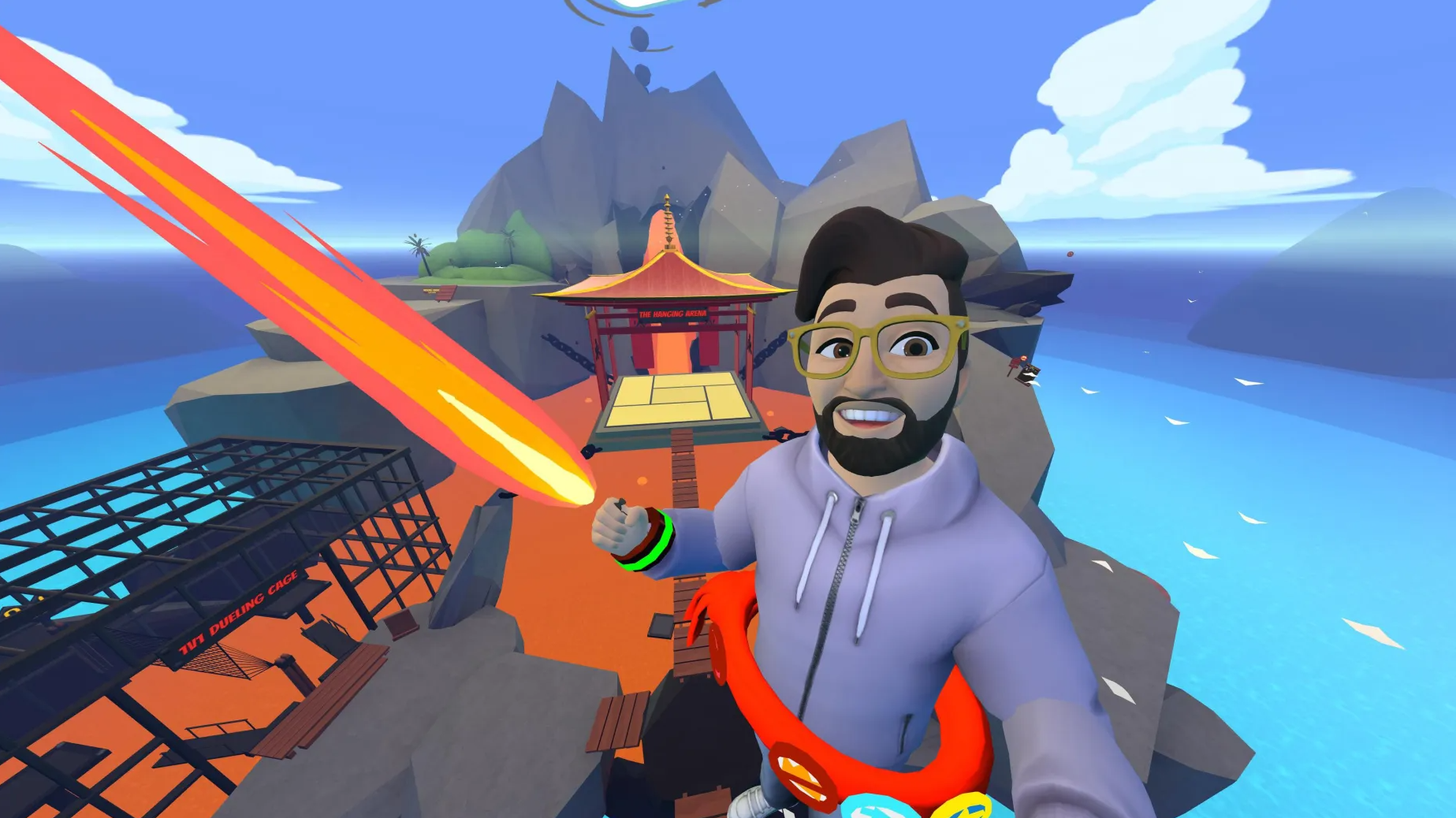
As the future of Horizon Worlds hangs in the balance, the platform’s creators are scrambling to prepare for whatever comes next.
Eugene “Emorgul” Morgulis has been a prominent Horizon Worlds creator since 2023. His portfolio of VR and mobile experiences on the platform has garnered roughly 50 million visits, with the bulk of his audience coalescing around his “Element Battling” experiences, in which players compete against each other in different challenges and competitions using the elemental powers of earth, water, fire and air.
Meta’s announcement last week that it would be shutting down Horizon Worlds in June 2026 — followed by an Instagram post by Meta chief technology officer Andrew Bosworth the next day walking back some of the announced changes and ensuring that access to some VR worlds would continue after June — was “devastating on both a personal and professional level” for Morgulis. But the writing has been on the wall for quite some time, given Horizon Worlds’ mobile pivot last year, and Morgulis said that last week’s announcement did not come as a shock. (As of today, March 24, Horizon Worlds’ official developer website still features a message announcing that the platform will become completely inaccessible via VR on June 15. A Meta representative did not respond to a request for comment.)
“I’ve been emotionally preparing myself for this for a while,” the creator said in an interview with GamesBeat. “So, I guess it’s not a surprise — but it’s still very, very painful.”
To learn more about the impact of last week’s news on Morgulis’ audience and his bottom line, GamesBeat spoke to the Horizon Worlds creator for an annotated Q&A.
The following conversation has been lightly edited and condensed for length and clarity.
On the potential paths forward for Horizon Worlds creators
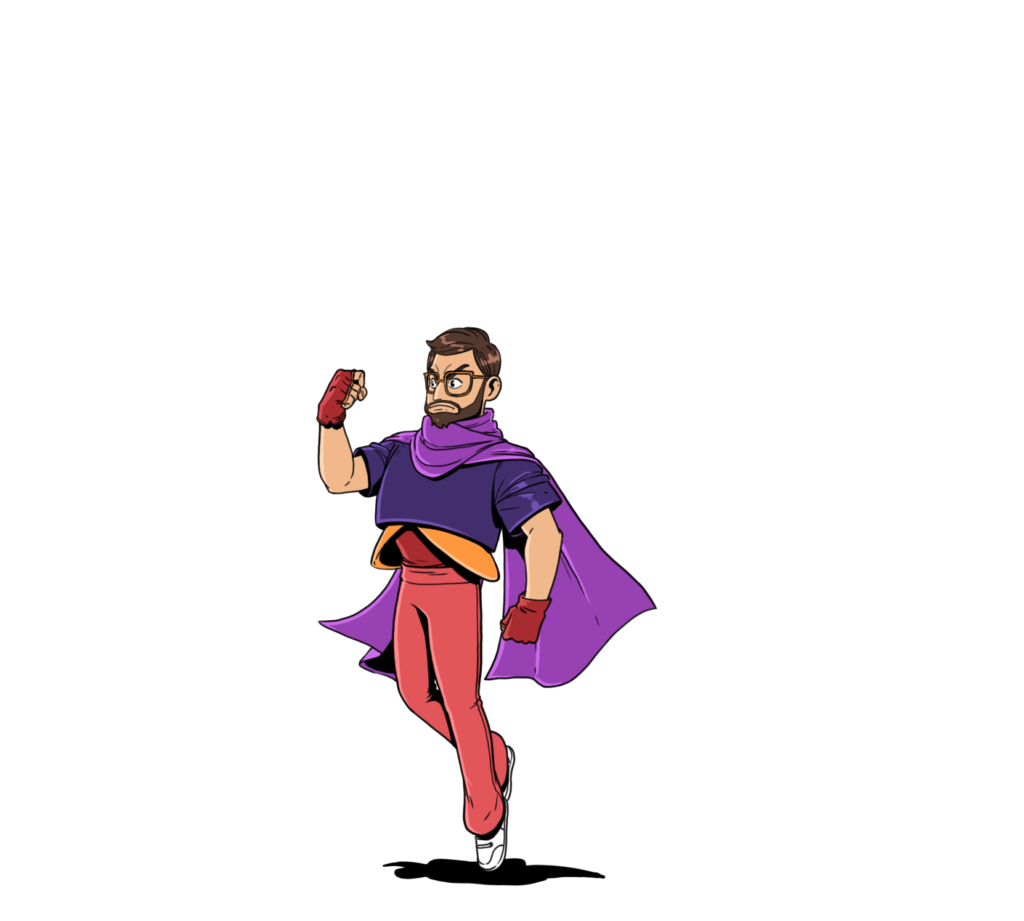
Eugene Morgulis: “I don’t want to stop making things that make people happy, and if I can do that on Horizon Mobile, I’m going to see what the opportunities are there, so I’m leaving the door open for that. Looking at other platforms, VR creation is a bit beyond me. Building in Unity is something I would have to learn, or hire a team to build right. And then there’s looking at other platforms — do I take some of my more successful worlds that work in both VR and on desktop or mobile, and do I take some of those to Roblox?”

GamesBeat: Unlike other user-generated content platforms, Horizon was unique in that it initially focused on virtual reality as its primary user experience. As a result, creators left unmoored by the impending Horizon Worlds shutdown don’t quite have an obvious offramp. There are other popular VR platforms on the market, like VRChat, but these platforms lack the built-in creator monetization tools of Horizon Worlds.
On the financial impact of the Horizon Worlds shutdown
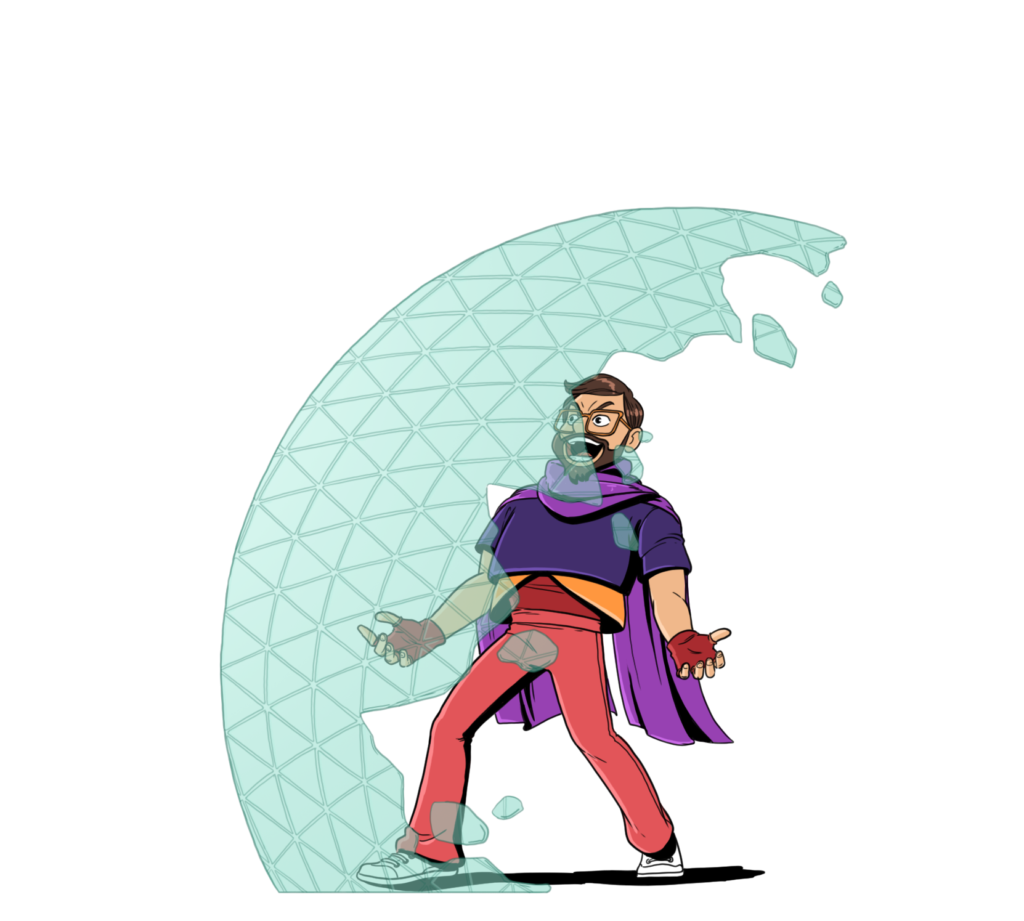
Eugene Morgulis: “We’ll see what mobile monetization continues to look like, but yeah — it’s a massive, massive hit to my income. [The Meta Horizon Creator Program] is not going to continue like that, not for VR.”
GamesBeat: The sudden drop-off in income for Horizon Creators who relied on Meta’s platform engagement payout and other creator revenue share programs could be a sign of potentially scary things to come for creators on other user-generated content platforms. Although user activity and engagement has consistently ramped up on Roblox and Unreal Editor for Fortnite, neither of these platforms has yet been able to turn a profit. The end of the Horizon Creator Program shows how vulnerable creators truly are to the whims of platform leaders who are willing to pull the plug if an initiative isn’t paying off.
On the gulf between the reality of Horizon Worlds and the platform’s public perception inspired by memes like Mark Zuckerberg’s infamous Eiffel Tower selfie
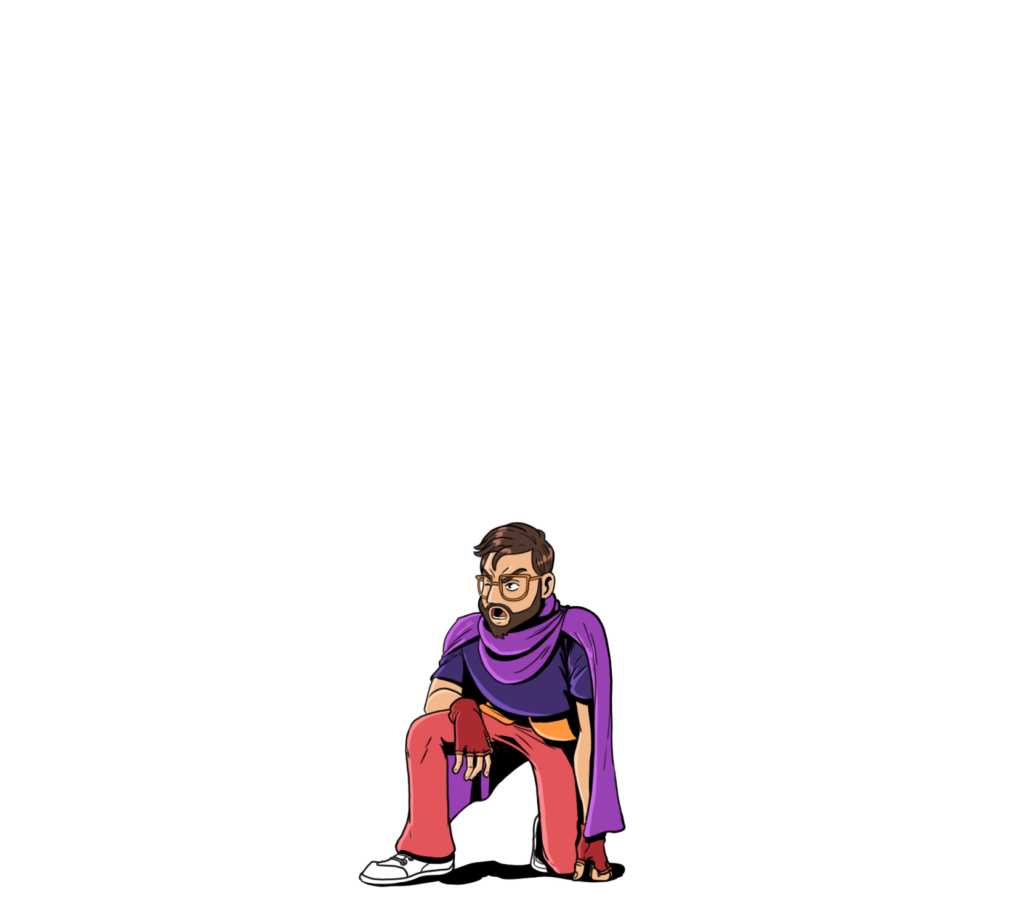
Eugene Morgulis: “That image became a synecdoche for everything people hate about Horizon. When the post-mortem is written, that image needs to be a prominent part of it. Everything they did to improve the games, or the creators did to improve the game — everything they did to improve the engine, improve the visuals — none of it pushed past that three-year-old photo.”
GamesBeat: In some ways, the internet’s reaction to Zuckerberg’s infamous Horizon Worlds selfie was a microcosm of the web’s reaction to the metaverse in general. Although the platform consistently made updates to address users’ biggest concerns — such as implementing full-bodied avatars and launching a mobile version of the platform in 2023 — the very term “metaverse” was stained in the public consciousness after Horizon’s slow start in 2021. The next company to build an immersive, VR-powered user-generated content platform might be wise to describe its product to the masses using a different term.