
Presented by Xsolla
D2C used to be a conversation dominated by the largest publishers – the ones with the dev teams, big budgets, and the quarterly earnings calls to justify a multi-million-dollar integration project. But that’s not the only story anymore. Studios further down the publisher pyramid – those with one or two live titles and a small monetization team – are now launching their own D2C channels, and much faster than before.
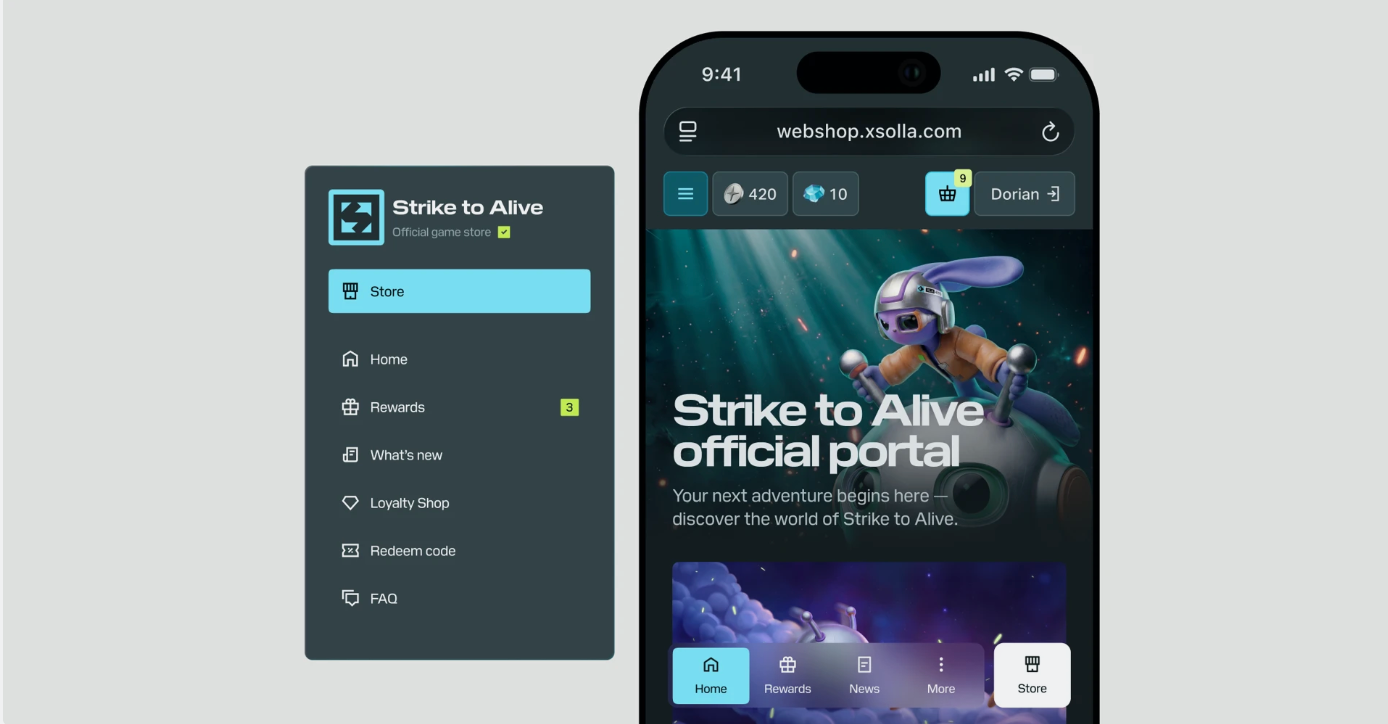
Global video game commerce company Xsolla has been a big part of that shift. With more than 700 Web Shops launched since 2021 and Merchant of Record services across more than 200 countries, Xsolla’s latest move is a new multi-page Web Shop template – a fully branded, mobile-first D2C destination that studios can generate from an App Store link, customize without code, and launch in days.
The shift isn’t just about moving faster, either – it’s about launching something that feels closer to a real player destination, where the relationship goes beyond the transaction itself.
Getting the foundations right
Making the strategic case for D2C is one thing, but making it work operationally – especially with a small team – is another, given how much the infrastructure needs to handle behind the scenes.
Studios need full brand control over how their D2C presence looks and feels – they need to own the player data such as behavior, purchase patterns, and engagement, rather than having it sit with a platform or a vendor. At the same time, compliance has to cover payment localization, tax, and regulation in every market the studio operates in, baked in from day one instead of something just patched on later as an afterthought. What’s more, the day-to-day work has to be something the team can absorb without having to restructure around it.
Xsolla Web Shop is built around these requirements, with the payment, compliance, and Merchant of Record infrastructure already in place under the hood. It’s clear to see why partners across the mobile space are already running direct channels on this foundation – the same foundation Xsolla’s multi-page Web Shop option sits on top of.
With this multi-page, templated option, studios can generate a fully branded destination from an App Store link, customize through editable content blocks, and go live in days, with commerce, rewards, news, and LiveOps tooling all included from the start. It’s built mobile-first, with no custom development required – putting D2C within reach of teams that wouldn’t normally have the engineering headcount to take it on.
Why speed matters
For large-scale publishers, a six-month D2C build is expensive but manageable. That’s not so much the case for a studio running a team of fifty with a shipping schedule to hit. For them, time-to-launch is often the difference between the project happening at all and it sitting on a roadmap indefinitely.
But this is where things are shifting. D2C infrastructure used to require dedicated engineering, custom builds, and ongoing technical overhead that smaller teams couldn’t easily spare. But now, templated approaches like Xsolla’s Web Shop mean a studio can launch in days rather than months, and operate the channel without restructuring the team around it.
Store vs. channel: the next phase of D2C
While speed is important, so is what’s actually launching. Most mobile studios that already run a D2C presence started with a single-page web shop – a transactional page that handles purchases outside the app store and brings in revenue. These work, and a lot of studios are happy running them. But a multi-page D2C destination opens up something different. By adding dedicated pages for rewards, news, events, and content alongside the store, it gives players reasons to visit that aren’t tied to a purchase – and when those players are already there engaging with the game, they’re more likely to spend.
Going D2C looks very different now to how it did even a year ago. What used to be a six-month engineering project that needed dedicated headcount and a roadmap slot is now something most teams can take on alongside the work they already have on. This means the studios still treating D2C as a future project might want to think about whether they’re really still waiting for the right time, or whether the right time has actually already arrived.
To see what the Web Shop could look like for your game, talk with the Xsolla team.