
Intel reported first-quarter financial results, with revenue hitting $13.6 billion, up 7% from a year ago. The net loss was 73 cents a share, but the non-GAAP earnings per share attributable to Intel was 29 cents.
Intel is also forecasting growth with revenue for the second quarter expected to be $13.8 billion to $14.8 billion, with second-quarter earnings per share attributable to Intel of 8 cents a share and non-GAAP EPS of 20 cents. Gross margin is expected to be 39% in Q2.
Intel has had a long road to recovery, with rivals Nvidia and AMD outcompeting it in the AI era. But Intel is staying the course with a focus on manufacturing as well as solid chip design. Intel beat estimates. Analysts expected revenue of $12.43 billion and earnings of 1 cent per share. Its stock is up in after-hours trading.
“The next wave of AI will bring intelligence closer to the end user, moving from foundational models to inference to agentic. This shift is significantly increasing the need for Intel’s CPUs and wafer and advanced packaging offerings,” said Lip-Bu Tan, Intel CEO, in a statement. “With a solid foundation in place, we are addressing this opportunity by listening to our customers and driving their success with our technical expertise and differentiated IP. This deliberate reset to how we operate drove a sixth consecutive quarter of revenue above our expectations, as well as new and deepened relationships with strategic partners.”
“We delivered robust Q1 results, reflecting the growing and essential role of the CPU in the AI era and unprecedented demand for silicon, as well as our disciplined execution to expand available supply,” said David Zinsner, Intel CFO, in a statement. “We remain focused on maximizing our factory network to improve available supply and meet our customers’ needs throughout the year.”
Business highlights
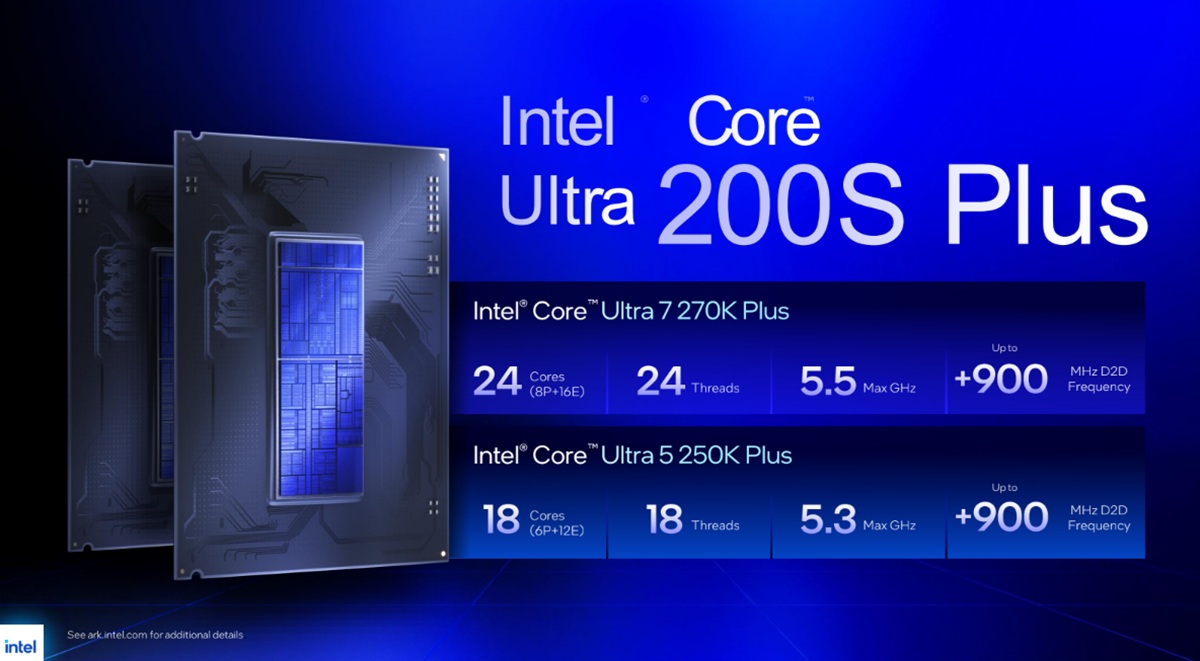
During the quarter, Intel said it expanded its client portfolio, launching Intel Xeon 600 processors for workstation, Intel Core Ultra 200S Plus and Intel Core Ultra 200HX Plus processors for desktop and mobile, Intel Core Series 2 processors for health and life sciences edge computing, and Intel® Core Ultra Series 3 processors with Intel vPro.
Intel also launched Intel Core Series 3 processors, bringing Intel 18A and the latest IP, modern features, and all-day battery life to the mainstream for the first time.
Intel and Google announced a multiyear collaboration for continued deployment of Intel Xeon processors across Google’s workload-optimized instances, including the latest Intel Xeon 6 processors powering C4 and N4 instances.
In an analyst call, Intel said that revenues related to Intel Foundry, where Intel makes chips for other companies, were up in the quarter, as Intel rolls out Intel 18A, its most-advanced manufacturing process.
Full year, the PC industry sales will be down in the second half and the full year.
The collaboration also includes co-development of custom ASIC infrastructure processing units (IPUs) designed to improve utilization, reduce complexity, and scale AI workloads more efficiently.
Intel joined the Terafab project as a strategic partner alongside SpaceX, xAI, and Tesla. Intel’s ability to design, fabricate, and package ultra-high-performance chips at scale will help accelerate efforts to refactor silicon fab technology.
Intel Foundry expanded assembly and test capacity in Penang, Malaysia to support customer products amid rising global demand for packaging solutions while increasing global semiconductor supply chain resilience.
Intel repurchased the 49% minority equity interest in the joint investment entity related to Fab 34 in Ireland. The agreement reflects Intel’s continued business momentum underpinned by the growing and essential role CPUs play in the era of AI and a significantly strengthened balance sheet.
Business outlook
Intel’s guidance for the second quarter of 2026 includes both GAAP and non-GAAP estimates as follows. In Q2 2026, Intel expects revenue of $13.8 billion to $14.8 billion and earnings per share of 8 cents (attributed to Intel) and non-GAAP EPS attributed to Intel of 20 cents.
Intel said that its results include charges associated with the impairment of goodwill at the Mobileye reporting unit. Q1 2025 mainly includes charges associated with the 2024 restructuring plan, which resulted in a lot of layoffs.