
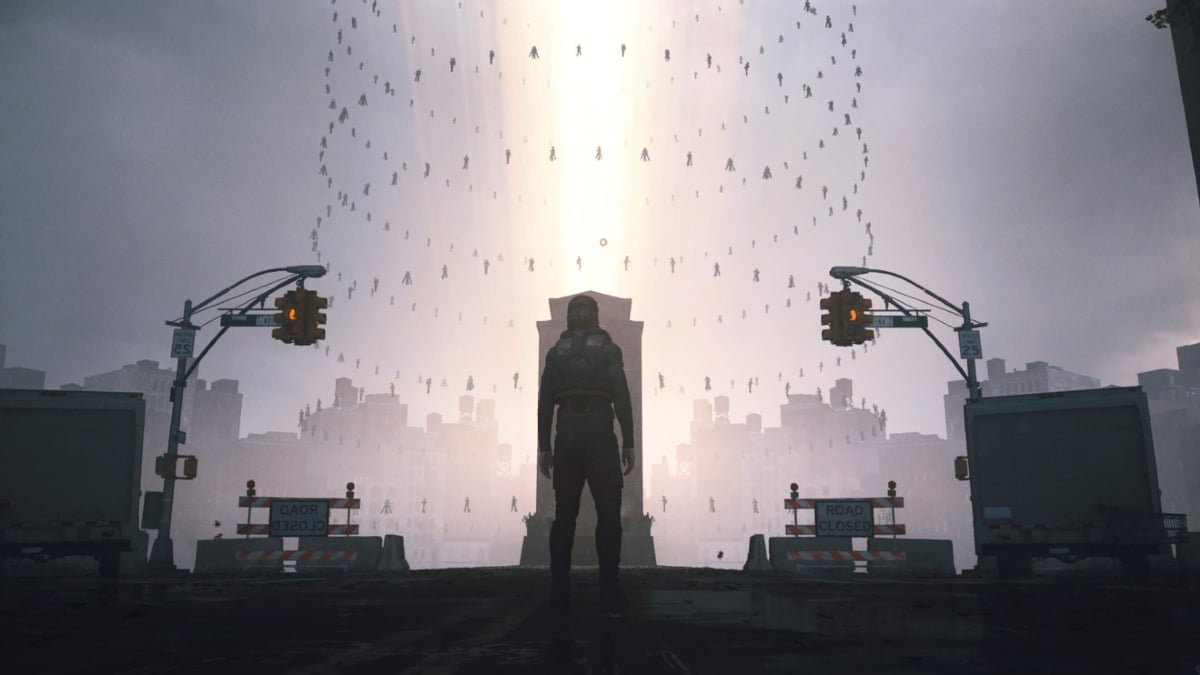
We’ve now spent many hours playing Control Resonant and our verdict is in for the sequel to 2019’s Control, a game that feels like a soft re-entry point for the Remedy Connected Universe. You see, Control Resonant is much more than simply Control 2, it’s an entire genre shift, and not only does is it serve as an experiment on whether that works for the franchise, its a litmus test for the whole industry.
The Alan Wake games, Control 1, and Remedy’s (no longer part of the same universe but still cleverly relevant Quantum Break) were all third-person shooters that existed alongside another complementary gameplay gimmick, but Resonant shifts gears entirely and is now a hack and slash adventure akin to Devil May Cry, Ninja Gaiden, etc. This was a massive gamble from Remedy, but in our view it’s paid off.
Changing the entire genre of a series with a sequel isn’t totally unheard of in video games, but it’s a rarity, and something that could quite easily have blown up in Remedy’s face. However, it works, and still manages to feel like it shares DNA with the original Control and the wider Remedy universe.
Taking Control
The events of Alan Wake 2 have happened by this time. As those following the Remedy Connected Universe will know, the Alan Wake series collided with Control in that game’s final DLC. These crossovers continued in Alan Wake 2, with the Federal Bureau of Control (FBC) playing in a key role in Alan’s fight against The Dark Presence.
However, Control Resonant moves the action away from Bright Falls and back to New York where the FBC is still fending off an attack by The Hiss a malevolent entity from another dimension that attacked ours by way of a frequency that turns humans into it’s monstrous foot soldiers. The Hiss has escaped the FBC’s HQ and is now loose in New York while the Bureau scrambles to contain it.
The bad news is that The Hiss is possessing and killing people indiscriminately across the city, but the good news is that’s its being hunted by a new equally terrifying entity that has isolated Manhattan to stop The Hiss From spreading. Unfortunately, this new entity is also turning humans into monsters known as Resonants, so the FBC now has to deal with a smackdown between two interdimensional god-like beings.
Jesse Faden, the protagonist of the first game and new director of the FBC is missing, so players take control of her wayward but similarly superpowered brother Dylan – who’s immune to The Hiss after being freed from it’s influence in the first game. The FBC view Dylan as a pariah due to his complicated and violent history with them, but they also view him as an expendable weapon in the fight against The Hiss. So they decide to unleash their monster on the monsters.
Hitting the streets
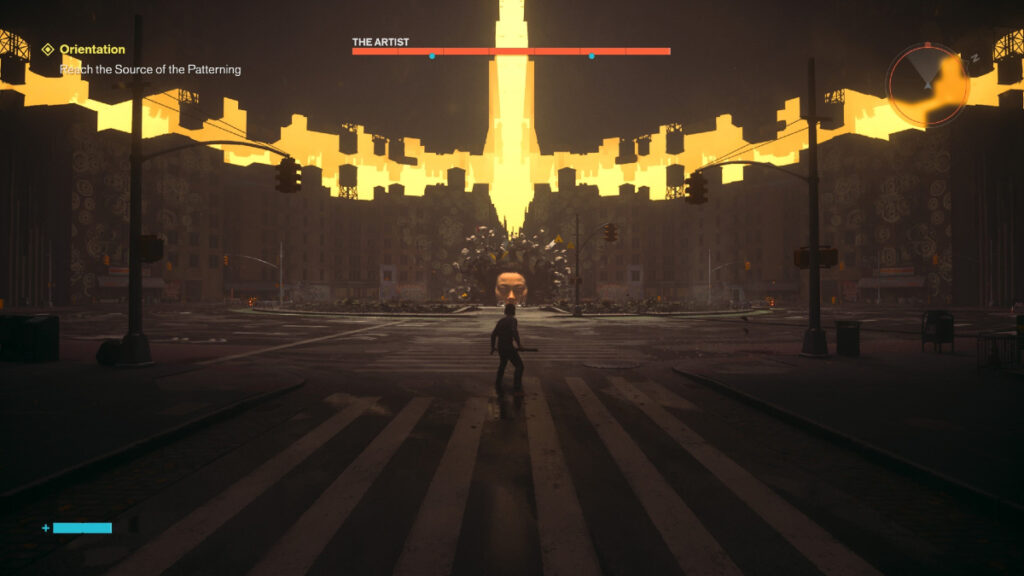
While the original game took place fully in the FBC’s Oldest House HQ, Control Resonant is set in New York’s streets and offers players a lot more freedom than the claustrophobic and drab corridors of the original game. While Resonant feels like an open world experience, it actually isn’t. The world is mostly a set of interconnected maps (not unlike a Soulslike game) where the player needs to open up new routes and fast-travel points as they explore and complete quests.
Anyone expecting Crimson Desert levels of freedom is going to be disappointed, but this new setup really helps Control Resonant feel like a grander experience than the original, as well as reinforcing the idea that The Hiss has escaped into the wider world, which is a terrifying thing to consider. The player also has a lot more choice around where they go and what they do which makes the Hiss infested New York start to feel like your own personal playground after a while.
It’s a nice touch, and one that rewards player exploration and experimentation. Want to go take on some creative and tough boss battles? Go hunt the Resonants and take their powers to get stronger in combat. Want to learn more about Jesse Faden’s mysterious disappearance? You can follow her trail and unlock some cool new traversal abilities that help you reach more areas of the map.
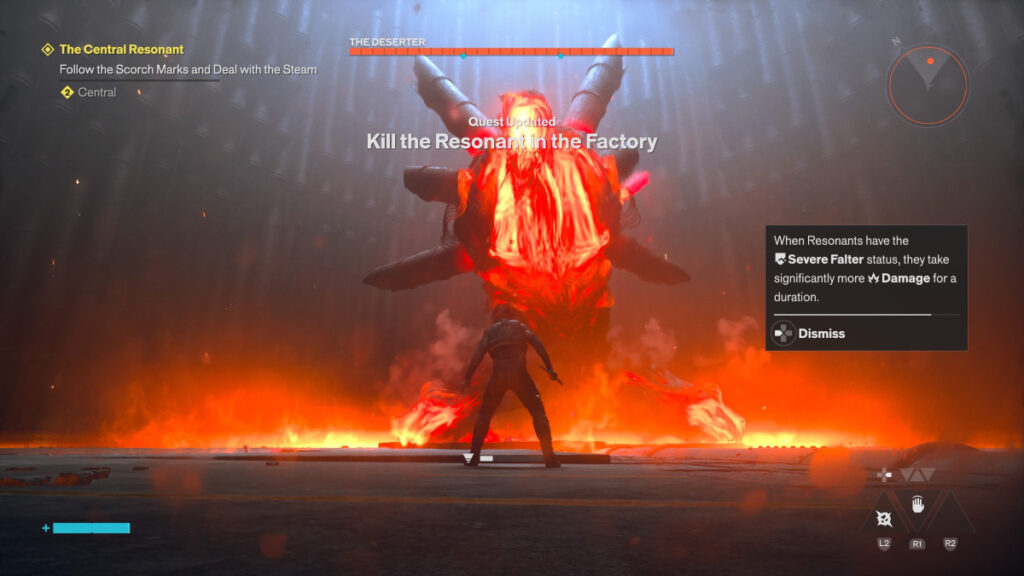
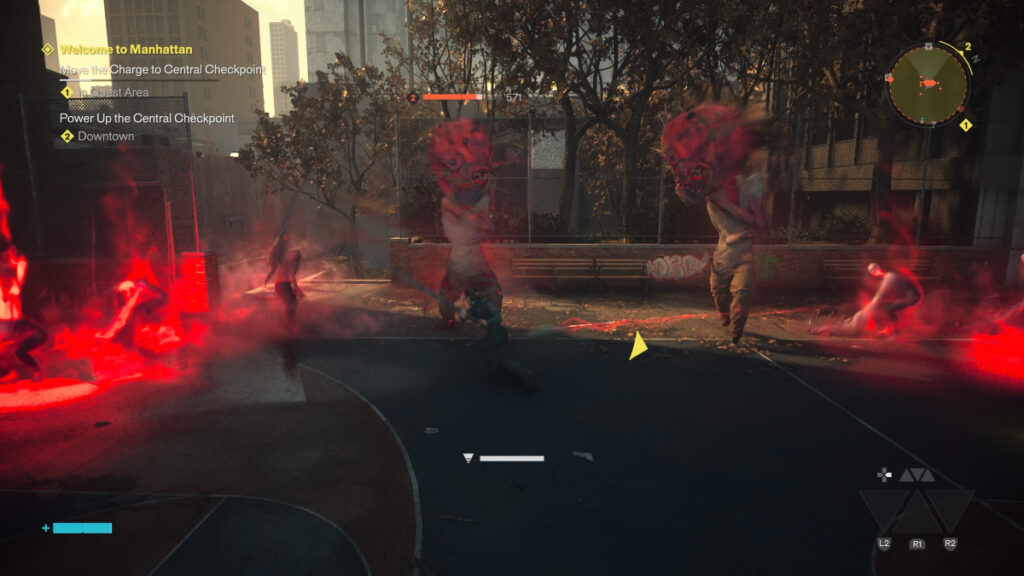
The biggest change though comes in Control Resonant’s combat which always manages to be fluid and engaging. It takes a while to really get going, but once you have a few skills and combos under your belt, Dylan goes from a lamb to the slaughter to a murderous avenger as he slays Hiss throughout New York.
Bosses are also far more exciting than they were in the original game, having somewhat of Soulslike quality to them now, but are main gripe with Control Resonant is that enemies can sometimes be damage sponges, and like it did in the first game, this can get boring.
The good news is that the game offers you so many delicious ways to dispatch enemies that this almost becomes the players problem rather than an issue with the game. If it’s taking you too long to kill certain enemies, then experiment with different skills, weapons and approaches.
While Jesse had the ever-changing service weapon in Control 1, Dylan has the Aberrant in Resonant. This is essentially an iron bar that can morph into a scythe, hammer, sword, drill, whip – whatever takes your fancy, for it’s regular attack and strong attacks. So there’s no end of combos you can create and different enemies are susceptible to different attacks.
The game does a good job of trying to mix it up with enemy variety, but the truth is, they all start feeling the same after a while, even after you’ve figured out the best strategy to take them down.
Conclusion
Control Resonant is a most welcome addition to the Remedy Shared Universe that allows the series(s) to throw off the third-person shooter shackles and go nuts. The fact that it works so well is a testament to the studio’s skill, but it’s also a fascinating insight into what happens when developers take risks, even well calibrated ones.
Does it mean that every major games franchise will abandon their original genre to try something new? No, but it shows the wider industry that there’s more than one way to skin a Hiss, and who knows what ideas could take root as a result.
For Remedy itself, it shows that their universe didn’t end with Alan Wake 2, and that not only is Control Resonant the start of a new era, it may be the beginning of a much grander story.