
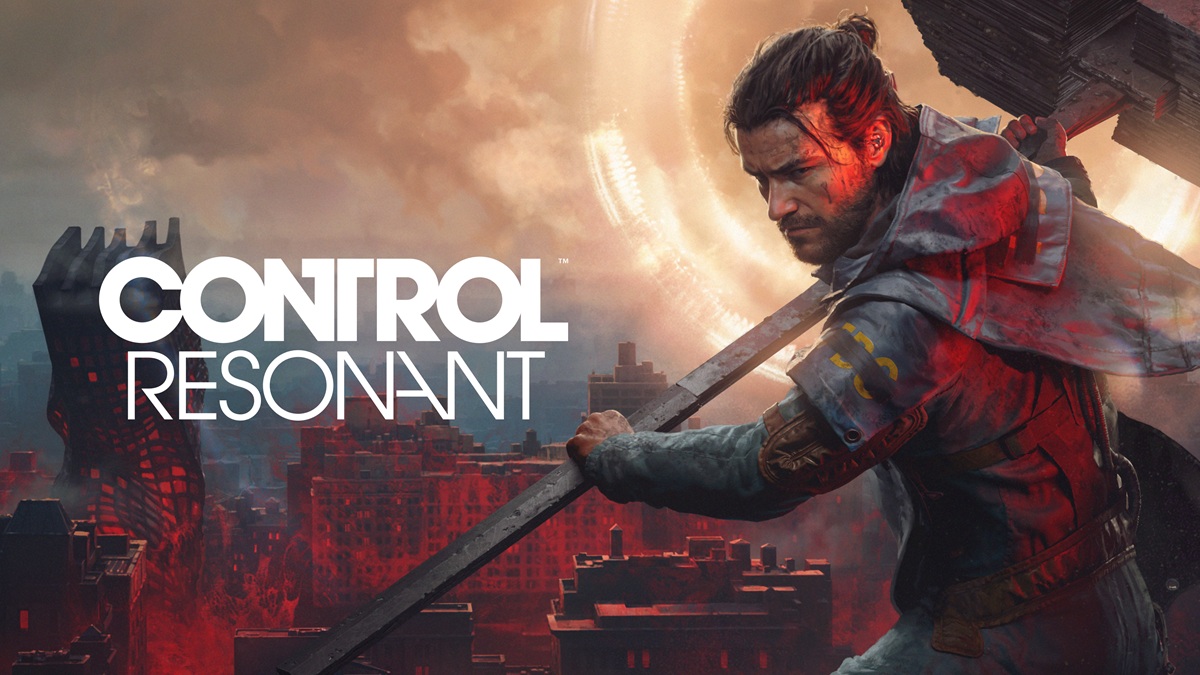
Remedy Entertainment‘s Control Resonant is speeding its way toward a global launch on the consoles and PC on September 24. And melee is already good.
During the Summer Game Fest week, I was lucky to go hands-on with the game, the latest weirdly creative title from the crazy minds at Remedy. The sequel to 2019’s Control is a third-person action-adventure RPG with a heavy emphasis on melee combat. I was surprised at how fun it was to smash enemies with heavy weapons.
I played the beginning of the game on a PS 5 dev kit, and I played later parts of the game as well. You play as Dylan Faden, the brother of the last game’s protagonist, Jesse Faden, who appears in the game but is not a playable character. Dylan was held in lockdown inside The Oldest House, the headquarters of the Federal Bureau of Control.
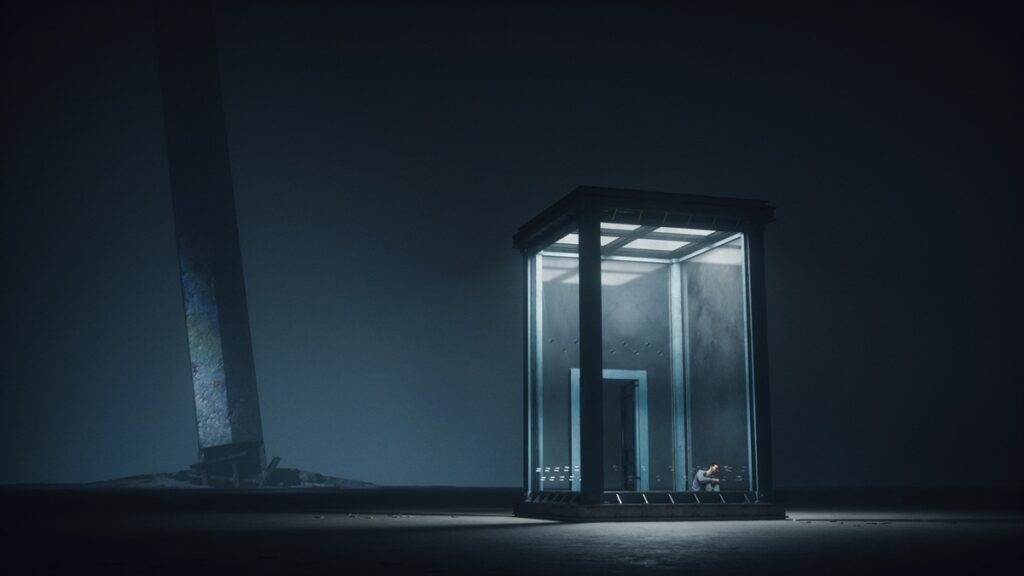
He emerges from a coma-like state as his sister leaves him behind for an urgent mission. The FBC staff has been slaughtered and “paranatural” forces and shifting realities are present everywhere. As he makes his way outside, he realizes the Hiss — a sentient, interdimensional resonance-based entity that invades and corrupts both minds and matter — has escaped into Manhattan.
You learn the game in a kind of tutorial on the run as you pursue agents of the Hiss across the city. Then you hear another FBC agent, Zoe de Vera, using a radio asking for help from any available agents. Dylan tells her there’s nobody alive where he’s been. She tells him to come to her at a big tall building with a sign that says “hotel.” That’s easier said than done, but you learn and fight along the way and choose which kind of melee weapon you favor. I chose a hammer-like weapon that packed the biggest wallop.
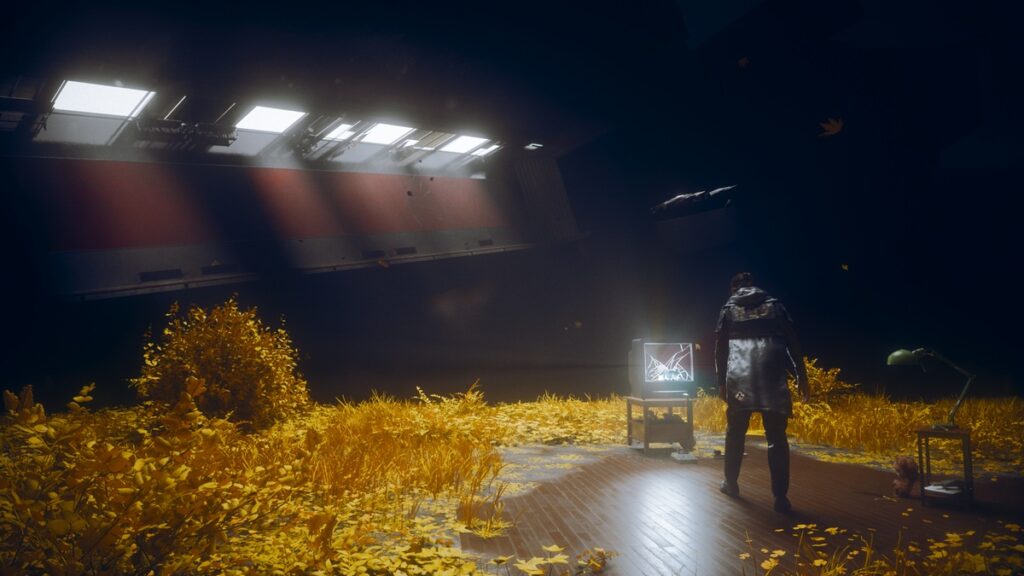
I have to battle the Hiss to get through the streets and I have to be careful to dodge their strikes as I whittle down their strength with small attacks. The environment is spooky and menancing. It has a lot of color compared to other post-apocalypse games, mixed with a lot of concrete gray. But the color is not so overwhelming as it is in games like Bungie’s Marathon.
The game is an open-ended space, but Puha said it was not quite a full open world, even if it does seem like it at times. I took that to mean that it is a directed narrative with an accompanying set of choices you can make that make the game feel less directed.
Dylan finally reaches Zoe. As he makes his way through the city, Dylan encounters one of the craziest bosses I’ve seen: a Medusa-like head of a woman with half her face gone. She lobs stones and other objects at Dylan, who has to dodge them and then strike at the boss until she falters. It’s a very intense battle.
Dylan isn’t terribly social after spending so much time in a coma. So he has to learn how “to human again,” said Thomas Puha, Remedy’s communications director. The story explores themes of identity, power, and sacrifice. Once a test subject of the FBC, Dylan must now harness his evolving abilities, confront his past, and learn to trust others in a world he was never meant to be part of. In doing so, he must rediscover his humanity – and decide what he’s willing to lose to save what remains.
Dylan is sent into the midst of the supernatural crisis. I played a few different parts of the game, but I come to realize that Dylan is the last line of defense for humanity, and he has to ally with another entity under the saying, “the enemy of my enemy is my friend.”
The narrative stretches across three acts. In Act 1, you wake up and begin the game. You start out fighting in an infested zone in Manhattan.
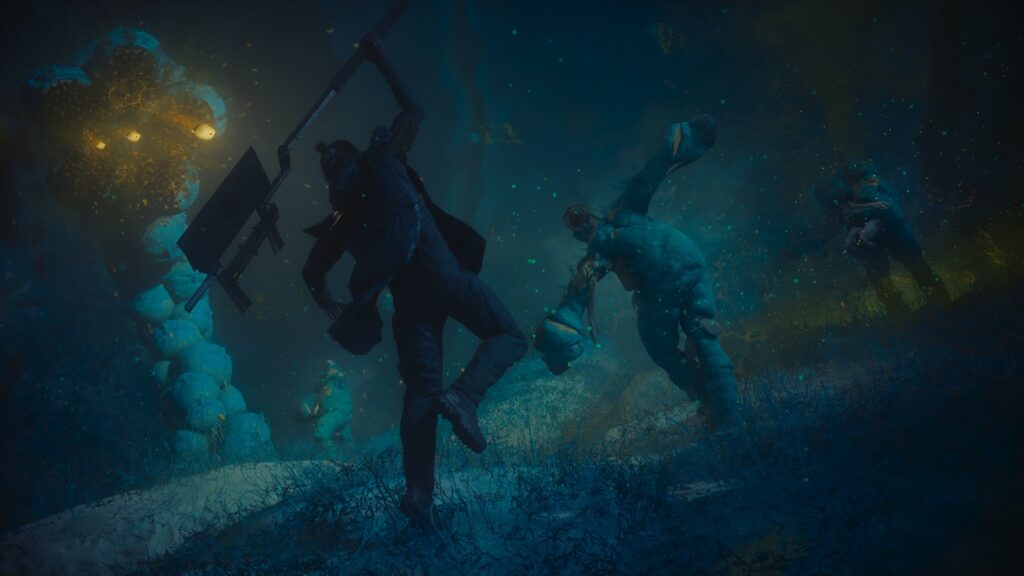
I played three distinct sections of the game where I could explore, fight Hiss, and experiment with different builds. I fought in a place called the Evacuation Zone to try out different abilities and fight the Hiss. But in the final game, you can this area to have many side-missions, quests and NPC’s to talk with.
I also went to a dark place underground called the Gap, where I could see the skill tree of the game and re-spec my capabilities. When I went back into the city, it seemed like there were an endless number of enemies where I had to fight them to clear parts of the city.
Finally, I jumped into a part that was deep in the game, The Sinkhole, which was a kind of endless dungeon where it got harder and harder to fight the deeper I went into it. In this part, about halfway through the game, you get on a piece of machinery hanging by cable over a giant sinkhole. You go down into the sinkhole and start clearing out the Hiss.
Here, I had access to the gravity weapon, where I could walk to a wall, change its orientation, and effectively start walking up the side of the wall and eventually the reason. I had to take out one boss who controlled The Hiss and regenerated them as soon as I killed them. But it was very hard to chase town the boss throughout the dungeon of the sinkhole. I kept getting killed in this part by a variety of the Hiss, which consisted of an enemy who was like a sniper, as well as hammerhead-like beasts and smaller but more mobile Hiss warriors.
Control leadership interviews
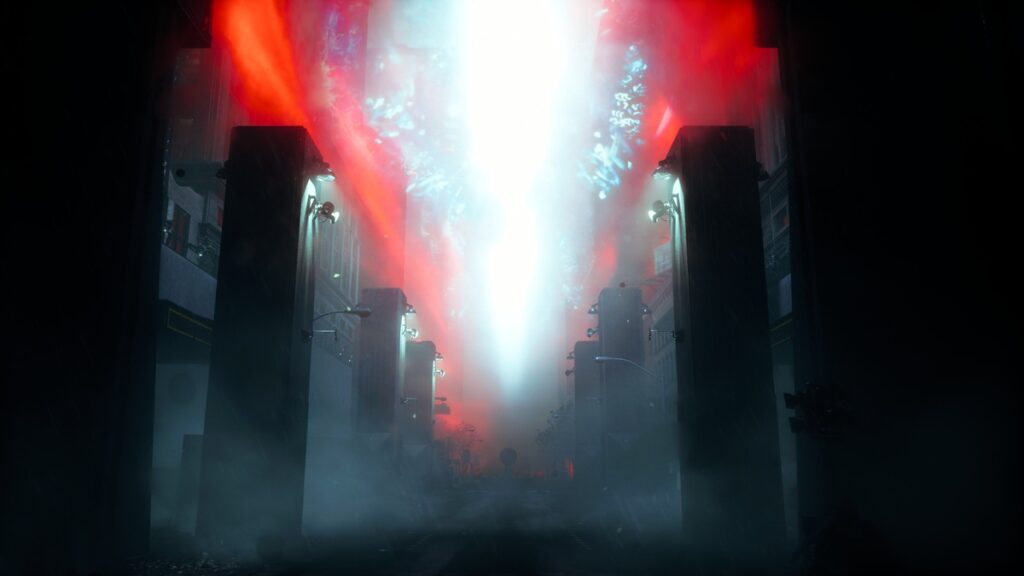
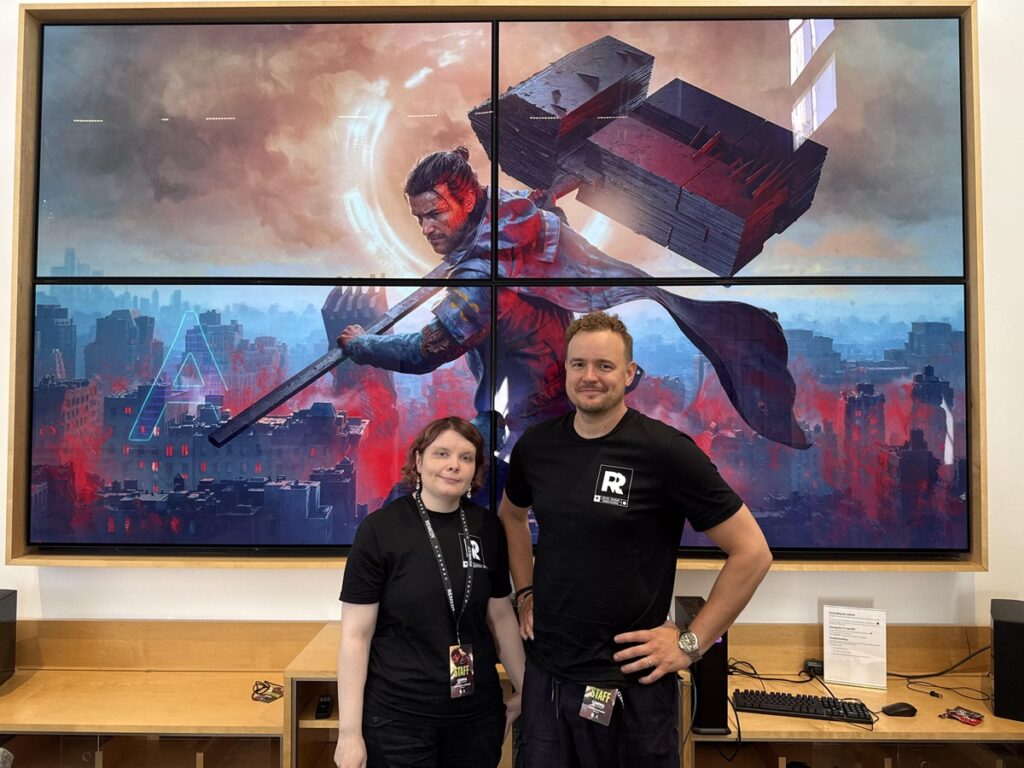
I also interviewed Anna-Maria Krönroos, lead level designer on Control Resonant, and Elmeri Raitanen, the art director of Control Resonant. One of the story hints they gave me is that Dylan’s job is to contain the Hiss in the city, and one of the ways he can do this is enlistin the help of the unknown enemy of the Hiss. This is something new we didn’t know about in the previous game. It’s a new threat, and you only learn more about it over time, Krönroos said.
I really liked the part of the sinkhole where I was chasing the Hiss commander, only to find I needed to initiate a gravity shift to turn a wall into the floor as I pursued the entity. You can access this ability within the first couple of hours of gameplay and become more dangerous to players.
Much like in the latest Doom trilogy, aggression is rewarded. If you stand in one spot, you become a target. The more you move around and strike at enemies, the less they have a chance to pin you down, corner you or trap you in a corner. If you kill them while they’re stunned, you can also get more points destroying them. You could stay in one place and fight forever, but the best plan is to move on quickly to new enemies and new spaces and absorb as many health balls as possible.
Raitanen said that the aim of creating the art style of Control Resonant was to make something memorable and instantly recognizable, but not with the kind of overgrowth and decay that most apocalyptic games use. The use of red and other bright colors does the job of making it unique, but it is not pretty, as it’s overlaid on the vast concrete and brick jungle of Manhattan.