
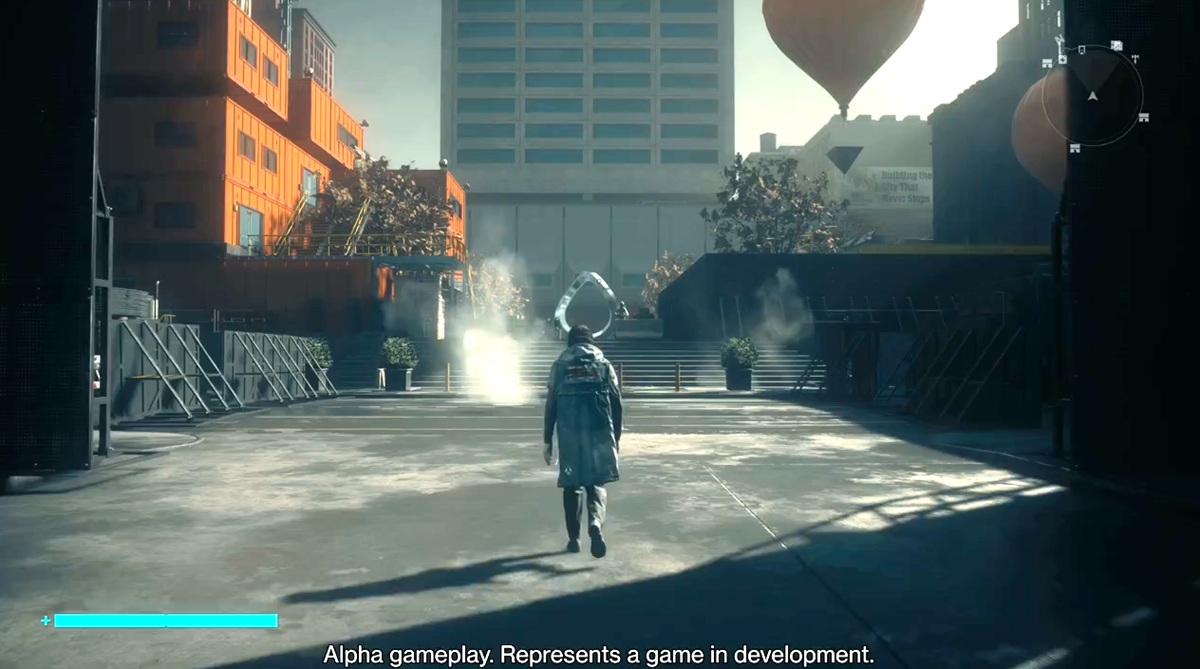
After showing off gameplay for the first time last month, Remedy Entertainment leaders took a deep dive into the gameplay of the title.
Creative Director Mikael Kasurinen and Lead Gameplay Designer Sergey Mohov spoke about the game and showed off hands-off gameplay for Control Resonant, the highly-anticipated sequel to Remedy’s critically acclaimed, multi-award-winning Control, which came out back in 2019. Thi s new game is an action RPG with melee combat.
The game is a supernatural sci-fi thriller, full of combat, exploration, boss fights and upgraded abilities. It’s coming out in 2026 on the PlayStation 5, Xbox Series X|S, PC via Steam and Epic Games Store, and Mac via Steam and the App Store. Remedy Entertainment is the publisher, but Annapurna Pictures is co-financing and co-producing the game as part of a strategic partnership.
The game revolves around the main character Dylan Faden as he hunts powerful Resonant enemies within the shifting landscape of the West Incursion Zone in Manhattan, reshaped by otherworldly forces actively breaking reality apart.
Control took place inside a single place, The Oldest House, or the headquarters of the Federal Bureau of Control, whose job it is to investigate “paranatural anomalies.” It was a “Brutalist” architecture building full of concrete and very few frills. The thing about the Oldest House was that it shifted its form and shape and time when you entered its rooms.
But Control Resonant takes place across Manhattan, where the FBC building is. But just like Alan Wake 2, it’s kind of a twisted version of Manhattan. The gameplay is built around large, distinct, and expansive zones filled with side activities, hidden encounters, and optional discoveries.
As the world around him grows more twisted, Dylan’s supernatural abilities allow him to navigate spaces that no longer obey regular rules of physics, such as within areas known as Gravity Anomalies, where gravity and orientation shift entirely.
Throughout the game, Dylan wields the Aberrant, an otherworldly, shapeshifting melee weapon, that can transform into multiple forms, giving players a versatile toolkit to define their approach to combat. Players will constantly expand their toolkit by unlocking new forms of the Aberrant, supernatural abilities, and talents.
Dylan must wield the Aberrant to help battle the game’s most powerful boss enemies, known as Resonants. Resonants are remnants of powerful individuals, now corrupted and twisted by the same mysterious force threatening reality itself. Defeating these dangerous enemies allows Dylan to expand his supernatural arsenal, with their defeat unlocking brand-new combat abilities. He fights in a “geophysical nightmare.”
Communications director Thomas Puha said the material we saw was captured from the team’s alpha development build, nowhere near as polished as the Sony State of Play game footage shown off last month. Later on, he said Remedy will reveal more about the story.
Despite rumors, Puha said Jesse Faden from Control is not a aplayable character in Control Resonance. She plays a significant role in the sequel, and she’s part of the game, but she is not playable.
The playspace of Manhattan
Kasurinen said, “Here at Remedy, we care deeply about building engaging and memorable worlds. The first game was a lot about isolation, being trapped inside a strange and brutalistic building filled with monsters. With the sequel, we want to turn things upside down by stepping into the outside world and get to see how the supernatural forces collide with the everyday human chaos.”
The stakes are high, he said, as Manhattan is under assault. The Federal Bureau of Control tries to contain the escalating threats across multiple different zones. And Dylan is there to help so you’re not alone or isolated, even if it seems like the world is ending, he said.
“While many civilians have been evacuated, there are still some that you will meet as you explore the world,” Kasurinen said.
In the first Control game, you meet many characters on your journey through the Oldest House, and while many old favorites will return. (Somebody asked if Ahti, the janitor from Control, would return. Remedy said no comment).
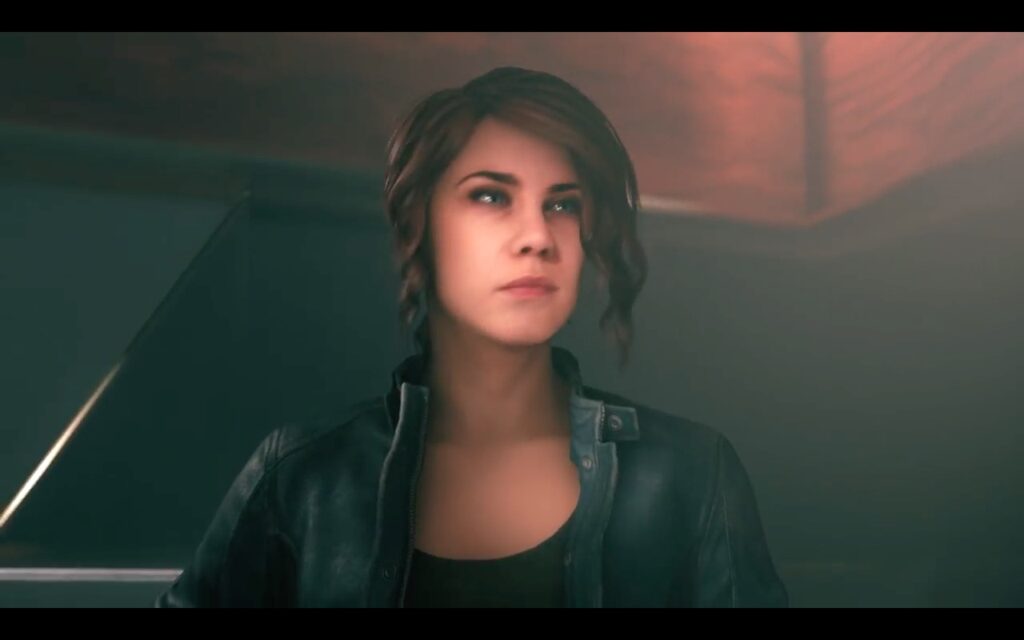
“There are also new FBC people to meet,” including Dylan Faden. (He’s voice acted by actor Sean Durrie).
One of the new characters is Zoe de Vera, who is played by Frankie Kevich. Zoe is an FBC employee and she’s a handler for Dylan out in the field. She assigns missions and takes responsibility for Dylan’s actions.
Dylan has been a captive inside the Oldest House for his whole adult life, while Zoe has been on the outside since the lockdown took effect seven years ago. She has no idea what happened during the events of the first game, so they bond as Dylan learns more about the world while she gets to understand what happened inside the Oldest House. One of the creative pillars of the game is to connect characters together as they rely on Dylan and he relies on them.
One of our creative pillars is pouty human which is all about connecting with others. The devs showed a scene where Dylan and Zoe are getting to know each other. She’s into music and he says, “I used to be.”
“Do you still trust me, now that you know more about who I am,” Dylan says.
Zoe replies, “Never said I trusted you, Dylan. Just keep proving that you’re useful, and we’ll have no problem.”
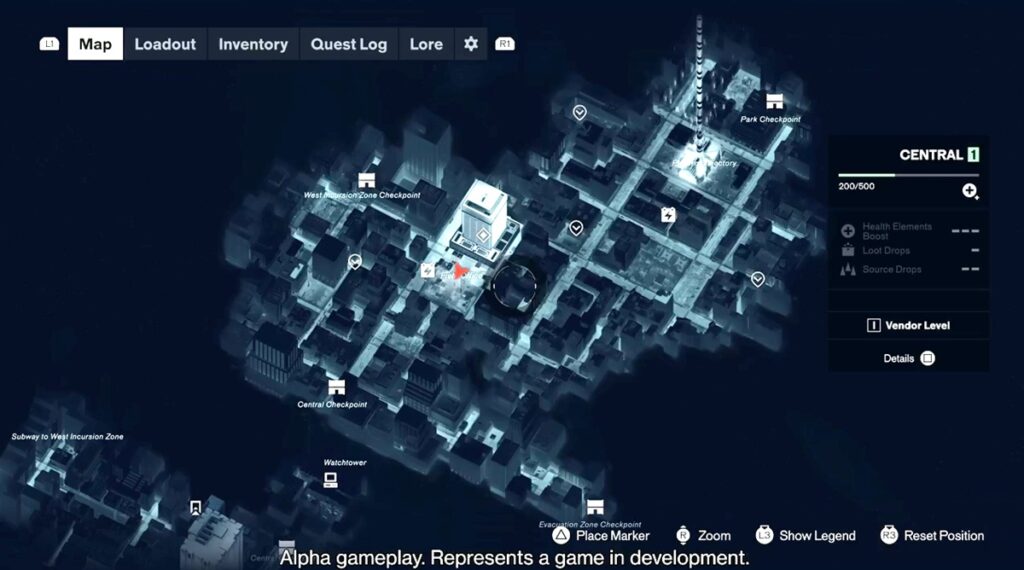
From Zoe’s place in a skyscraper, you can see the different parts of New York, which has been mostly evacuated in the game. The city is divided into zones: central, the east, the evacuation zone, and the west incursion zone. Manhattan is under a quarantine, thanks to the paranatural attack.
You can choose which replies to say to Zoe via a new dialogue system in the game. It’s mean to be unobtrusive, Kasurinen said.
“Many of you love the oldest house, and we’re going to spend some time there as well, but we also wanted to bring the oldest house into Manhattan,” Kasurinen said. “For instance, there’s a mobile panopticon right next to the field office, and temporary fire breaks to separate the zones from each other. And of course, you’ll see the iconic FBC bureaucracy manifesting across the city in different ways.”
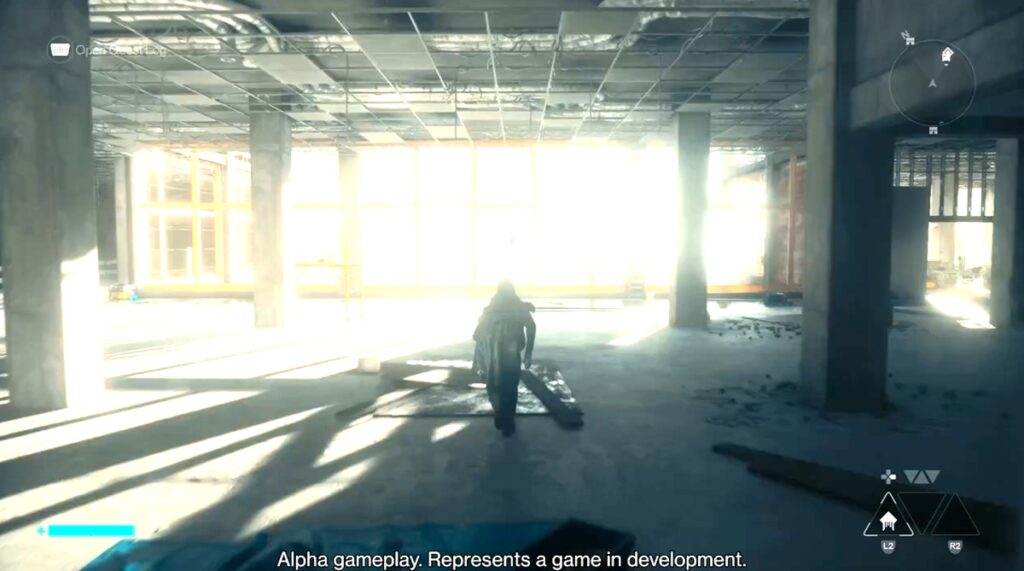
The field office evolves over time as the crisis deepens. You can see activity with field agents, scientists and engineers trying figure out how to deal with the ongoing paranatural disaster.
“Our version of Manhattan is split into many zones that are dramatically different from each other,” Kasurinen said. “One of the key things we want to achieve in the sequel is to have more visual variety across the world.”
There’s a world map where you can see downtown, where the Oldest House is, and the various zones. Having the virtual version of Manhattan is impressive, but Kasurinen said the point wasn’t to stress the player out with too many things to grind through.
The major quests in the game include Dylan’s journey, which is the main campaign. There are also world quests, which are independent stories that the player can start and finish separately.
“On top of those, there are a lot of activities featuring action gameplay and puzzles, all of them grounded into the larger narrative. Some are bite sized fun, while others require more time and attention. Or if you’d like, you can explore the world and discover secrets and lore,” Kasurinen said.
The point is to make the world a place you want to return to.
Combat with Resonants
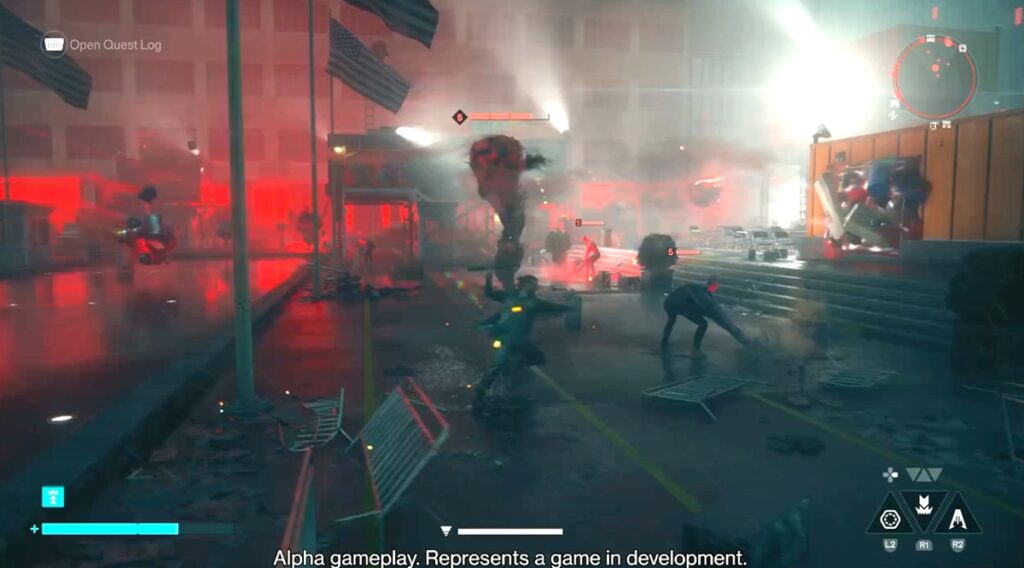
As far as combat gameplay goes, Dylan wields a weapon dubbed the Aberrant, which kind of looks like a version of Thor’s hammer, though it changes to a ridiculously large size when Dylan wields it, said Lead Gameplay Designer Sergey Mohov, in the press briefing.
While Remedy’s last Alan Wake 2 and FBC Firebreak games were shooters, the action of Control Resonant is built around melee combat, Mohov said.
“The big goal of ours for the sequel is giving players a lot more choice in what kind of combat their version of Dylan can do. Abilities allow Dylan to fight and move beyond human means. He can, for example, change the kinetically controlled environments, turn enemies to fight on his side or hover in the air. He can also attach himself to the altered gravity surfaces,” Mohov said.
The Gap is a metaphysical place that represents Dylan’s psyche. It follows dreamlike logic.
“It takes a different form to fit whatever function we need to serve, however, first and foremost, this is where you can make choices in creating your builds and seeing what you have unlocked,” Mohov said.
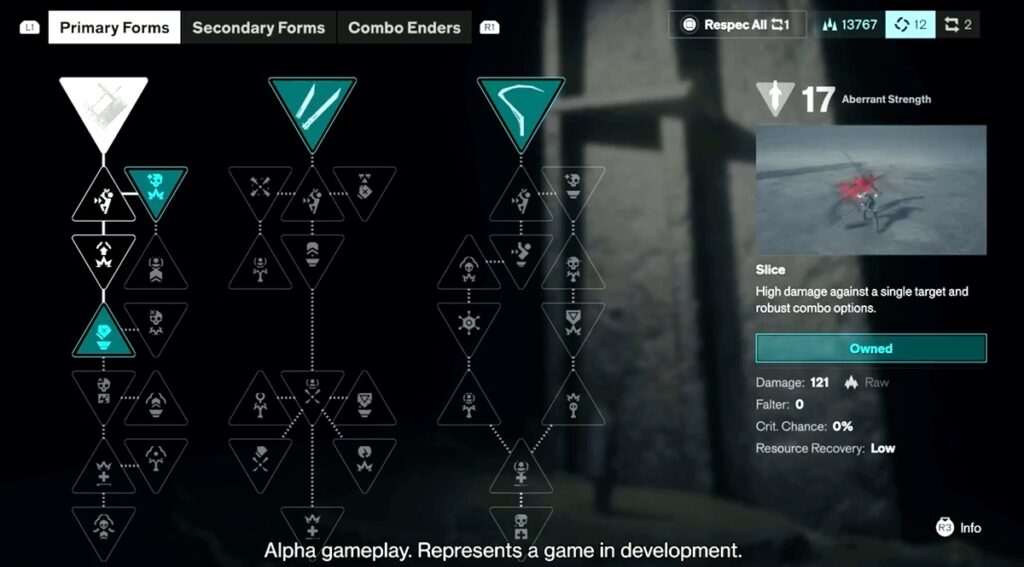
Whenever you’re out of combat, by pressing down on the D pad, you can enter the Gap instantaneously. Your build consists of three main elements, combat abilities, weapon upgrades and talents. In the game, you can review your combat abilities and modify them.
“One of the drivers of the story is that Dylan has to chase down Resonants, which are former persons of power transformed by the mysterious pattern changing the world in the game, Mohov said.
“This is where the name of the game actually comes from. When you beat Resonants, you inherit their unique supernatural combat abilities. Choosing these combat abilities greatly impacts the type of build you will create,” Mohov said. “So here you will be making some lasting choices.”
When you beat a Resonant, or pound it into oblivion, you can choose the reward. In the Gap, you can transform Dylan’s weapon, the Aberrant. You can take this weapon in different directions in the upgrade tree and it will change its effects.
“The weapon shifts its shape depending on the equipped forms and the attacks you trigger,” Mohov said.
And talents are the glue that tie your combat abilities and your melee attacks together. They too are built defining each branch of the tree can take you in a very different direction, he said.
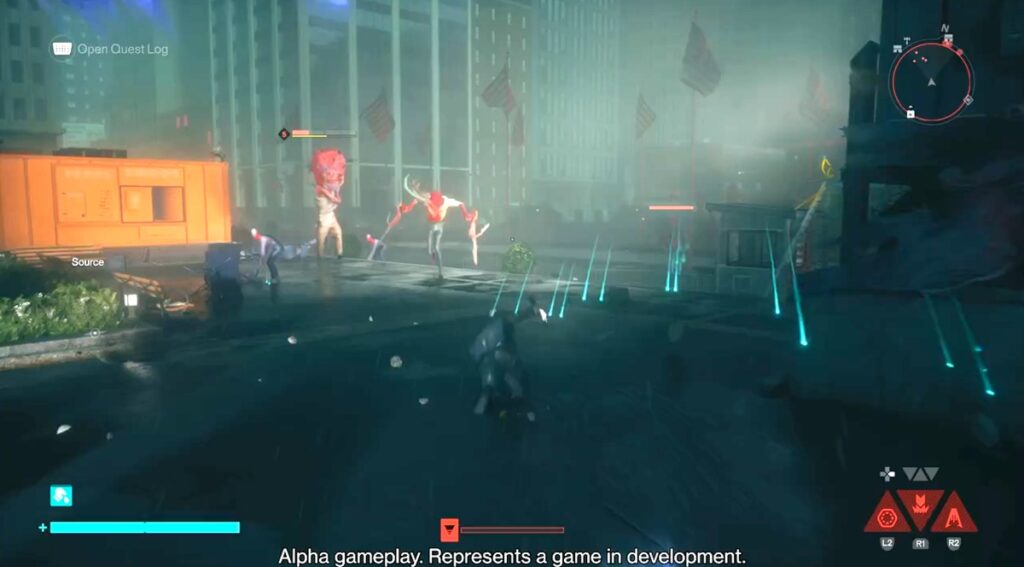
“When it comes to your playstyle, talents are designed to create synergy. One effect triggers the next, and if everything goes according to plan, the battle can be over very quickly also,” Mohov said.
And he said you will not be able to unlock everything in a single playthrough.
In combat, you have to be aggressive. The focus is on the interplay between your weapon attacks and combat abilities. When you hit an enemy with a melee attack, you recover some combat resource, which is what you will need to use Dylan’s supernatural abilities. You can then use combat abilities to stun enemies, which allows you to execute them. When you execute an enemy, your melee attacks get a temporary damage boost.
In fighting, Mohov showed how you can use a lot of close-range attacks, shield bashes, and ground slams to stun enemies. Then you use the Aberrant to knock enemies up in the air and knock them back down with a hammer blow.
We saw a lot of fighting in the demo, but there is still a lot of gameplay we didn’t see, as Remedy is holding that back, Puha said.
He ended by showing the fight with the Dancer, a character in the first gameplay reveal last month.
Q&A session
Asked if there were Souls-like details in combat, Mohov said the combat isn’t Souls-like, as it is a “push forward, action-driven aggressive playstyle game.”
The aim is to keep the player in control, stay on the move and keep attacking energies. So the player is in charge and not reacting to what the enemy is doing. The main driver of combat is you.
Asked about the Remedy Northlight custom game engine, the outdoor environment means there is more consideration on things like draw distance, the amount of enemies onscreen combat and hitting a solid 60 FPS constantly. There is a lot of physical destruction in the game and a lot of debris flying around. Inside buildings, there is plenty of material to wreck.
Another person asked if the game was inspired by the combat of Batman: Arkham Asylum games. Mohov said that the game is not borrowing from others in its combat rhythm.
“It’s not Souls or any other game derived,” he said. “It’s a sequel to Control. It is very much a melee game. But when we when we set out to make this sequel, the main inspiration was the first game, and how do we translate that into action RPG? How do we translate that into another FBC game? That was the question we were asking when we were designing the game.”
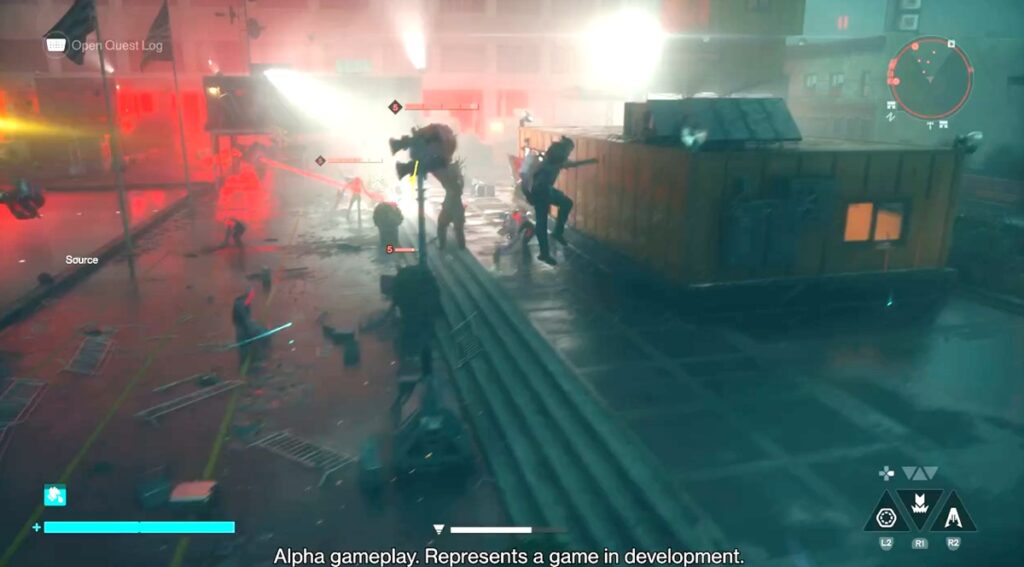
Asked about patterns like enemies respawning, Mohov said there is a system behind the madness but he didn’t elaborate. The team also said they are fans of Sucker Punch’ Infamous: Second Son, but it was not necessarily one of the inspirations for the game.
I asked if this game has more variety of lighting, as it’s outdoors. The team replied, “It was important to us to leave behind the internal building and go outside where the sun can shine, the darkness might rain” and more.
One observer noticed that you can dodge blows in the game. And that’s one of the early talents you can earn in the game, the “perfect dodge” at the last moment.
Another query was weather you had to play the Alan Wake games to play Control Resonance. The team said there was no reason to have to play other games first, but it is a sequel.
One of the things we can expect is that all of the stuff inside the Oldest House in Control is now going to spill out into the streets. Your goal feels like containment.