
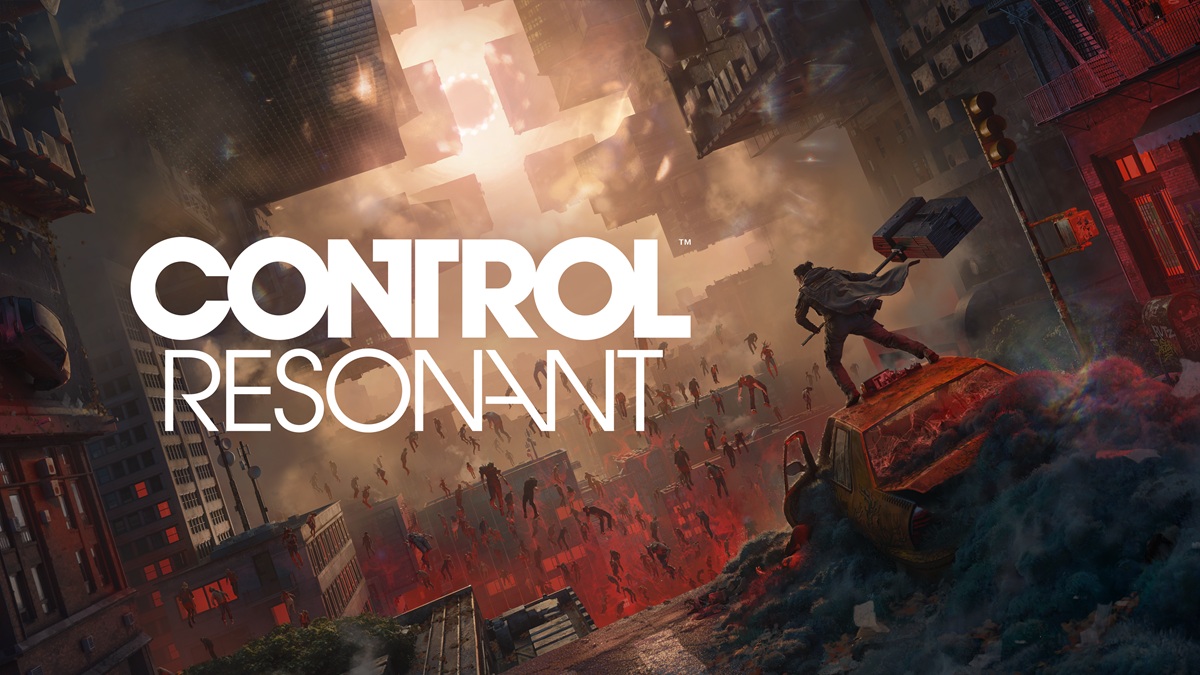
Mikael Kasurinen, creative director at Remedy Entertainment for Control Resonant, and his team have created a multi-layered world for the sequel to Control (2019) for exploration.
It’s a contrast to the design of the original game, which took place in a “paranatural” reality inside the Oldest House, the headquarters for the Federal Bureau of Control inside a Brutalist and claustrophobic building that had dimensional layers. What’s this mean? Well, one of your enemies will be a weird looking bus.
Now the sequel has the weirdess of the Hiss, which corrupts human minds and physical entities, has escaped into the city of New York in a kind of post-apocalyptic environment. As the main character, Dylan, you emerge from the Oldest House with the mission of containing the spread of the Hiss into the world.
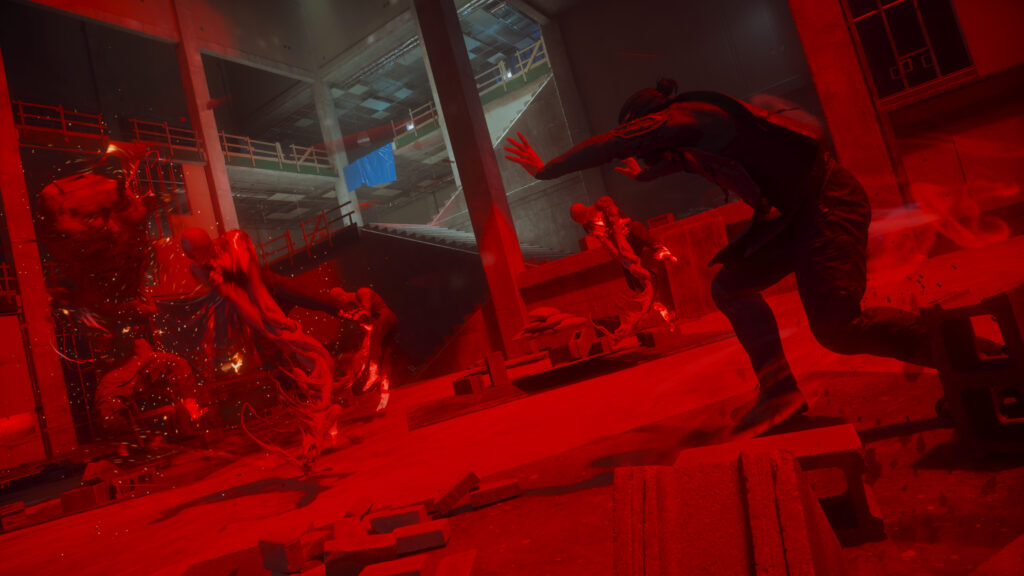
The game revolves around the main character Dylan Faden as he hunts powerful Resonant enemies within the shifting landscape of the West Incursion Zone in Manhattan, reshaped by otherworldly forces actively breaking reality apart. It’s almost as if Dylan is fighting inside a Rubik’s Cube world, where rotating landscapes is the norm in a “geophysical nightmare.” It’s a world where Dylan can walk on the side of buildings or ceilings. And he carries a big melee weapon, distinguishing the action of Control Resonant from Control, which was focused on shooting.
Dylan’s mother Jesse was the main character in Control, and she will appear in the new game but will not be a playable character.
The game is a supernatural (or rather paranatural) sci-fi thriller, full of combat, exploration, boss fights and upgraded abilities. It’s coming out in 2026 on the PlayStation 5, Xbox Series X|S, PC via Steam and Epic Games Store, and Mac via Steam and the App Store.
Finland-based Remedy Entertainment is the publisher, but Annapurna Pictures is co-financing and co-producing the game as part of a strategic partnership. Remedy is making the title with a relatively small team, but the devs have gained efficiency from using the city of New York as a setting, which was also the setting for Alan Wake 2.
Here’s an edited transcript of our interview. (Check out the special report GamesBeat did on Brazil here, as well as our report on Nuuvem and our coverage of interviews with Arvore and the Gamescom leaders).
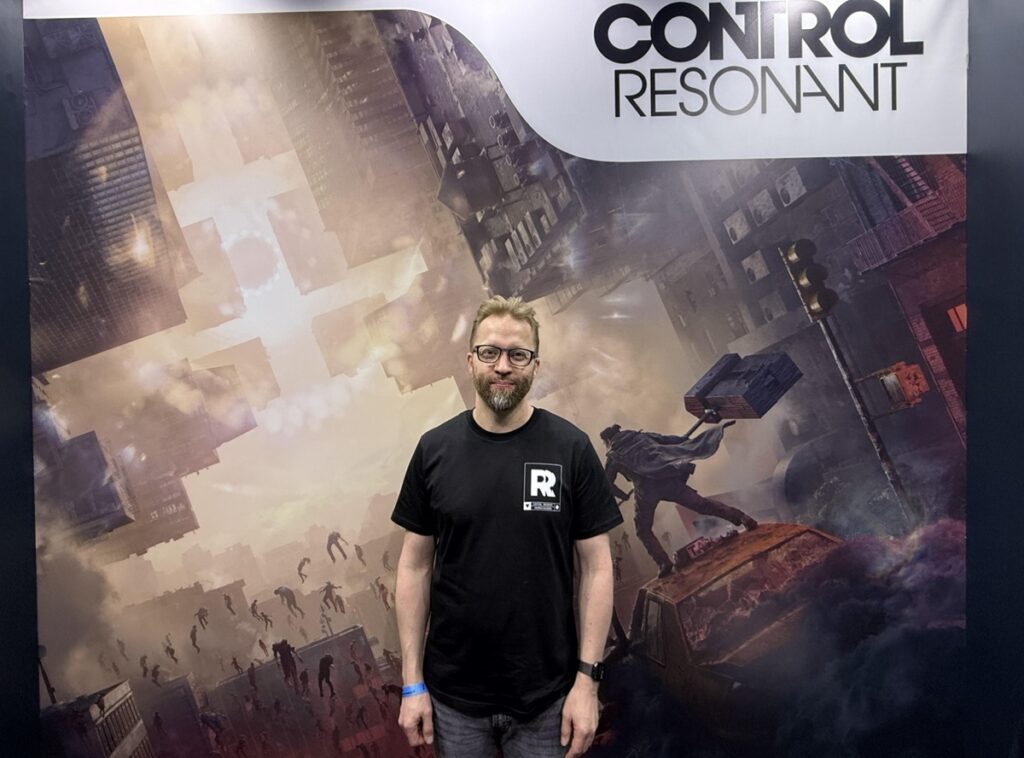
GamesBeat: What were some of the big points you wanted to get across in this setting, with your talk and with Control Resonant?
Mikael Kasurinen: With the Brazilian audience, it’s important to convey that we love being here. We care about all of our fans across the globe. In that sense it was an important thing for us. And overall to just come over here, to physically be here. That’s one side.
The dev diary was talking about the structure of the world we’re creating for Control Resonant. Creating this more rich, multi-layered world that’s ripe for exploration. Having all kinds of interesting things for you to experience from the perspective of visuals, this radical, distinctive style in every zone within the world. A lot of different things for you to do. We wanted to talk about that a bit and show it off through the dev diary.
GamesBeat: You’ve been showing the look of the world for a little while now. Is the notion that the Hiss, the weirdness of the Oldest House, escapes into New York and transforms the world?
Kasurinen: That’s the basic setup. In many ways, when I look at these two games, the first Control game and Control Resonant, I see them as two sides of the same coin. They have inverse ideas to a degree. The first game happens inside the Oldest House. It’s about Jesse coming from the outside world and stepping into it. This game is the other way around. We play as Dylan, who’s always been inside the Oldest House, stepping out into the world we’re in right now.
There’s this sense of inversion as well in that the first game is about this claustrophobic, brutalist space. You almost go into a dungeon and dive deeper into it. In this game you go up into the sunlight. You’re in an open environment that’s lighted and open and so on. Within that open environment, you’ll have smaller segments that are more linear within the larger overworld. There’s this philosophical thinking where the two games complement each other. Two sides of a coin, or a yin-yang type of thing.
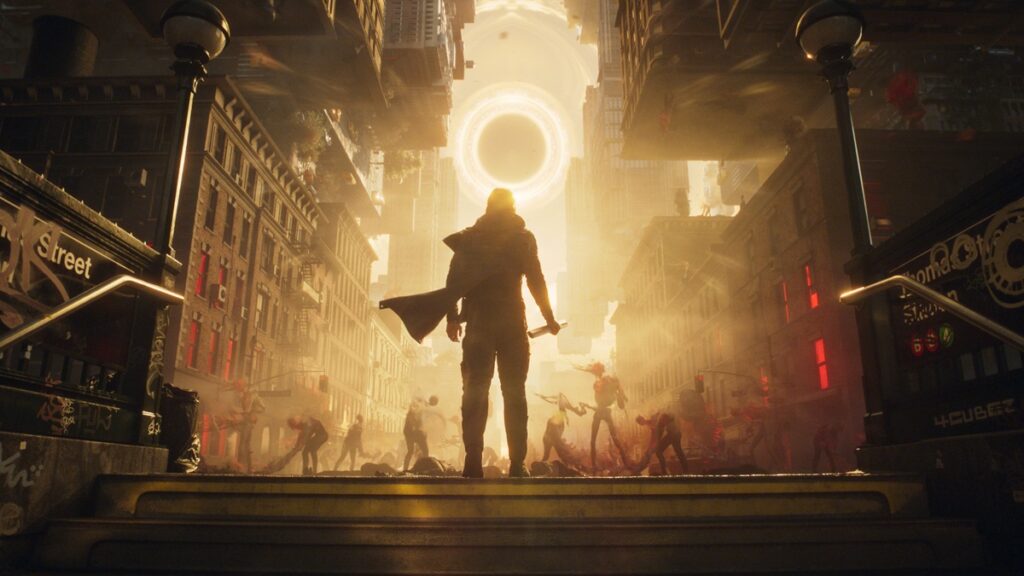
GamesBeat: The look of the world shows a transformed New York, but it’s not a typical apocalypse.
Kasurinen: What I didn’t want was for New York to feel like it’s gone through a natural disaster, a post-apocalyptic type of thing. That wasn’t our intent at all. I feel like that’s been done to death, many times before. We pride ourselves at Remedy on doing something unexpected and new. It should feel fresh, even though the city has been shown in many movies, many games already. We wanted to do something surprising.
When you look at Manhattan in this game, in Control Resonant, it’s less of, “Here’s Manhattan, let’s go to Times Square.” It’s more like a canvas, and then on top of that we have these really radical, strange, different forces that manipulate it and fold it into itself and so on. It’s really warped and messed up by these forces. The true identity of the space comes from–yes, there’s the urban element, the human world, but equally important is the layers of para-natural forces and different factions on top of it. The time of day is broken as well. The sun might shine in one part of the world while it’s nighttime somewhere else. The weather is different.
The point is we wanted there to be this very distinctive look to the game overall, and also these different zones. They’re clearly different from each other. We paint with strong colors, basically, when you look at this world.
GamesBeat: It’s also not like the nightmare world of Alan Wake 2. It’s the same city, but it’s a very different look from that. It’s not that kind of horror.
Kasurinen: In Alan Wake 2 it was the Dark Place, this strange dimension where his stories become true and manifest. Whatever goes on in Alan’s head is manifesting as a nightmare in that space. That’s a great setting for a horror story. But this is of course a different type of thing happening in the actual world. We go a bit bonkers with how Manhattan is transformed, but I think it’s always better to go all in than to hesitate in the wrong place.
GamesBeat: There’s the fantastic movement as part of the gameplay. I always felt like it was a world where you could sort of play with it like a Rubik’s cube. Twist it one way and all of a sudden the ground is ahead of you.
Kasurinen: It’s an Escher drawing. It’s meant to be a bit confusing. The key thing here is that–well, there are many layers to this. First, we wanted the movement to feel really good. It should be easy to move through the world. The controls are very responsive. Dylan can do a lot of different things. He can fly. He can attach himself to different surfaces with different gravities, which we call the Shift. Every surface you see in the game that looks walkable is walkable. Even if it might be perpendicular to you or up on the ceiling, you can attach yourself to it. That’s the design philosophy through the whole game. The visuals match that, so it’s consistent.
We wanted there to be this sense of free movement through the world. Whatever you think you can do, you can do it. It’s not just the player, though. The enemies can use these surfaces as well. They can navigate. They can go wherever Dylan can go. It’s a big, interesting sandbox of different elements that are very actively moving. That creates a lot of fun, unexpected moments.
GamesBeat: How would you describe Dylan’s superpowers here? A lot of it looks very physics-based.
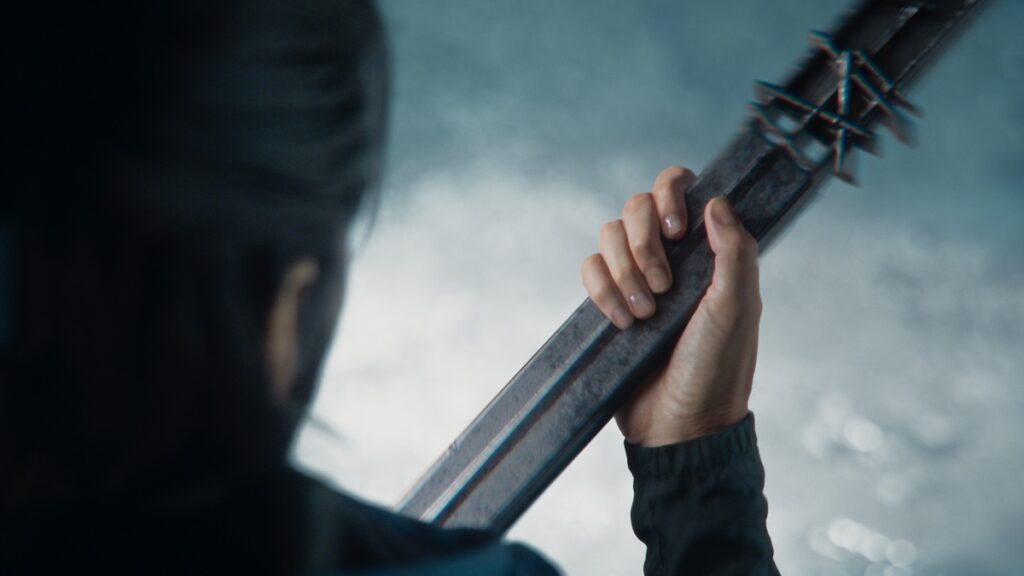
Kasurinen: There are three components to his powers. One is the traversal, how he can move. There’s one way to get those powers. It’s part of the main story. We’re connecting it to that. Then he has the Aberrant, the melee weapon he’s using. Basically an expression of the Board that now resides with him. If you played the first game, it’s this esoteric being conveyed by the Inverted Pyramid–anyway. It’s not part of Dylan. But that’s what’s happening in the story. It grants Dylan this weapon that he’s using.
It’s a big shape-shifting weapon. The idea is that it’s born and then dies every time you use it. Once you do an attack, it kind of falls apart and you create a new one. It’s continuously going through that cycle. Whenever you need a new form, the previous one is destroyed. There are a lot of different forms you can unlock, and each form has different upgrades and so on. You can choose how you want to modify each build from that perspective.
The third component is the supernatural abilities. Jesse, in the first game, got through them through finding Objects of Power. Every Object had a certain thing, like telekinesis or flight. In Control Resonant, Dylan gets his abilities from Persons of Power. There are these unique monsters that spawn across Manhattan, which we call Resonants. That’s where the name of the game comes from. When Dylan defeats one of them, he can get their powers. Dylan binds with Persons of Power. They used to be para-natural powered people, but they’ve become monsters for some reason. That’s part of the story. As you defeat them, you get their powers.
The game becomes about using your melee attacks, your movement, and then you can pick one of those powers that you get from the Resonants. At any given time you can have three different powers active, and you can switch them. Through those three different things you can create your own build of the character. You can take all of this in different directions.
GamesBeat: Thinking about the larger Remedy universe, is there any time manipulation going on?
Kasurinen: From an ability perspective, not really. But let’s say that time breaking down–I realize that sounds like another game we did in the past. We do play with time as a part of what’s going wrong with this world. It manifests in that way.
GamesBeat: What kind of reactions have you gotten? Especially anything that made you start thinking about anything you might want to tweak or change.
Kasurinen: Early on, the difficult thing–because you can traverse the world in such a different, complicated way, how do you find your way through it? Let’s say there’s a ceiling. If you can change your gravity to stand on the ceiling, you’re upside down. What used to be left is now right. It can get confusing if you don’t think too much about where you’re going. We’ve been spending a lot of time on that, making sure that the world guides you enough so that you can find your way.
To me that’s part of that fun, though. Learning to understand how the world works. Yes, sometimes left becomes right. That’s just part of the skills that you need to develop and understand as you play the game.
GamesBeat: The melee weapon, is some of that experience almost like a God of War kind of combat? The chance to become very powerful against different kinds of enemies.
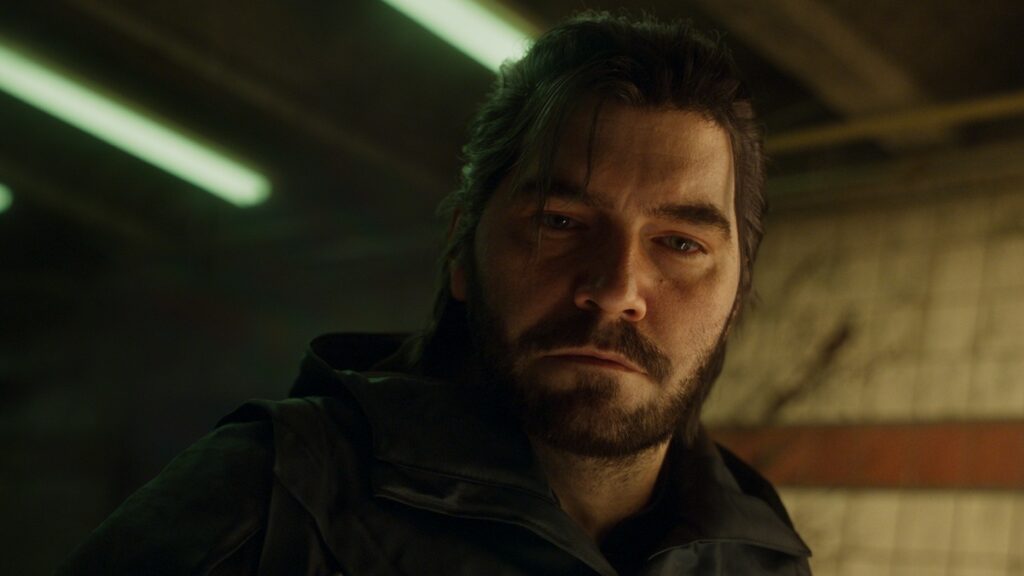
Kasurinen: There are different forms you can unlock as you play through the game. As far as reference games, yes, we looked a lot at God of War, especially the way they make it feel gratifying when the hits connect with the enemies. Going from animation details to VFX and audio. Also, this is the first time we’re doing melee combat. It’s new to us. We have a lot of people with experience in that area, but as a studio we’ve never done that before. We approached it with great respect, with the intent of learning as much as we can. We’ve been looking at the best games out there. What are the tricks and techniques that they apply? We hope we did a good job on that.
GamesBeat: You revealed that there are things like audio recordings you can find throughout the game. Does that give you more lore, more backstory?
Kasurinen: In the Control franchise overall, one of the pillars is depth of storytelling. By depth I mean that it’s not just, you go through a bunch of combat and then there’s a cinematic and then you repeat that. We break down the storytelling at a more granular level. It happens as you play. You talk with characters. You can find lore in the world – documents, audio logs, all kinds of things. It’s all optional. You don’t have to go and pick any of this up, but if you’re excited about the world and want to form a full picture of what’s happened, then you should explore and pick those things up.
It’s important to me that players feel like they get the absolute essentials, so they understand what’s happening at a high level as they play through the campaign and the world quests. But I don’t want it to ever feel like we’re stopping the action to tell you a story. It should feel like you’re playing a game, and as you’re being active in the world, you’re discovering the story of what’s happened. If you want to investigate something you can do it, but it feels like that’s of your own volition.
GamesBeat: How much of the narrative are you directed through, versus just doing anything in the open world of New York?
Kasurinen: That’s a tricky balance. Some games start off with more linear sequencing in the beginning and then introduce you to the open world. It’s a delicate moment. After going through those linear segments, you can almost end up with too many options. We want to find the right way to do it so that players are eased into the world. It’s important to me that they feel like this isn’t a game where you run through it and you’re done. It’s a world you should explore as you find your way through it.
Figuring out the right way to make them feel like that–you need to have a bit of push and pull. You need to have interesting things out there that they can see from a distance. “Oh, that looks interesting. I want to go see what that’s about.” But you also need a little push that tells them to go in a certain direction, so they get going. Of course we try to do this as well as we can so that the players still feel like they’re in control. They should be in control. But little nudges here and there always help.
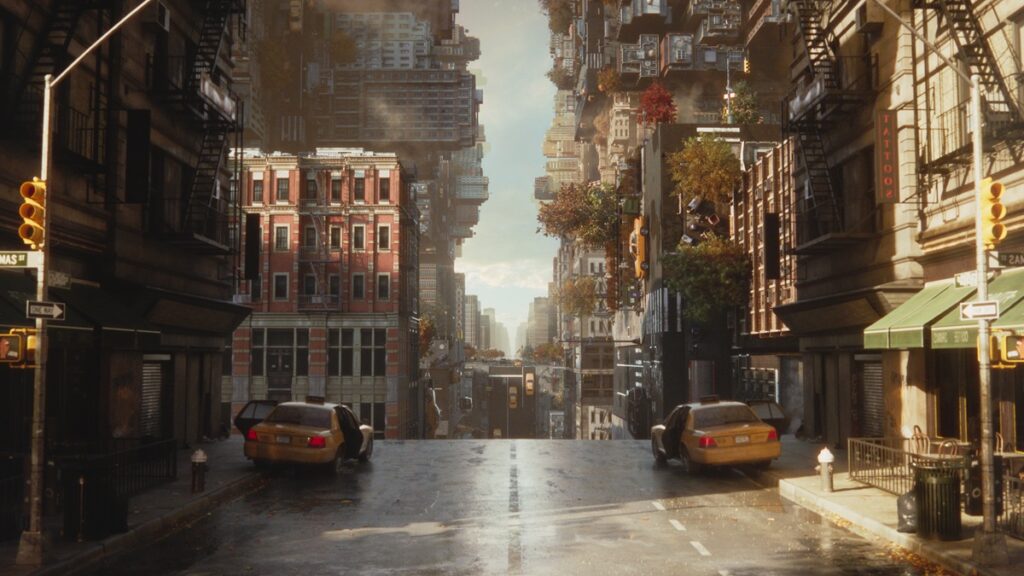
GamesBeat: Now that you have more than one game set in New York, were you able to reuse any content?
Kasurinen: There’s definitely synergy in the studio right now as far as using New York. We’re also working on the Max Payne remakes, which happened to be in New York. There’s a lot of nice synergy between the different projects. There are some benefits to that, but at the same time, it’s important to us that each game feels distinct, doing its own thing. We build the world for the purpose of the game, not just because we happened to also do it elsewhere. It’s important to us that each game makes sense in its own regard.
GamesBeat: It feels like that’s a way to keep team sizes lower, to compress the timelines for how long it takes to get things done. You can fit into this modern world of a more difficult game industry.
Kasurinen: I’ll be honest. The reality of the industry right now–I look at Remedy. We’re not a big studio. We’re honestly small to medium. I’d like to believe we punch above our weight. We do games that are impressive. People sometimes say, “That must be a huge team.” But at Remedy it tends to be a really small group of people. We try to be very clever in how we build these things. We rely on technology and tools as much as possible. But still, of course, we do hand-crafted work where it makes the biggest possible impact. We plan ahead as well as we possibly can. We use what we have.
In Alan Wake 2, the looping idea for the story, going through the same space, is a good example of that. Having said that, Control Resonant, to me it’s the biggest game we’ve ever done. A lot of new things had to happen for that to be possible. We updated Northlight quite a bit after we were done with the first Control game. We learned a lot. I wanted to push for a more RPG-like experience already in that game. Even then I was saying, “Whatever happens after this is going to be bigger.” That caused a bit of stress for the studio. But everyone could see and understand the thinking.
One of the first things we did is sit down with the Northlight team and say, “Here’s the plan. We need to build the tools to make this possible.” The first couple of years after Control just went into updating and upgrading the Northlight engine to do the things we’re doing in Control Resonant. This is the overall direction for Control as a franchise. It’s an RPG franchise. It’s an exciting world for you to sink your teeth into, with a lot of things going on. It’s not just one single story that you go through and you’re done. It’s many stories that can happen in this world. We need to be able to have that real estate and color so that it’s interesting, so it has this depth and breadth for you to have fun and explore.
This is a plan about seven years in the making. We’re at the culmination point.
GamesBeat: There’s an efficiency in building a narrative that stretches beyond just one game. You have a long-term view for this universe.
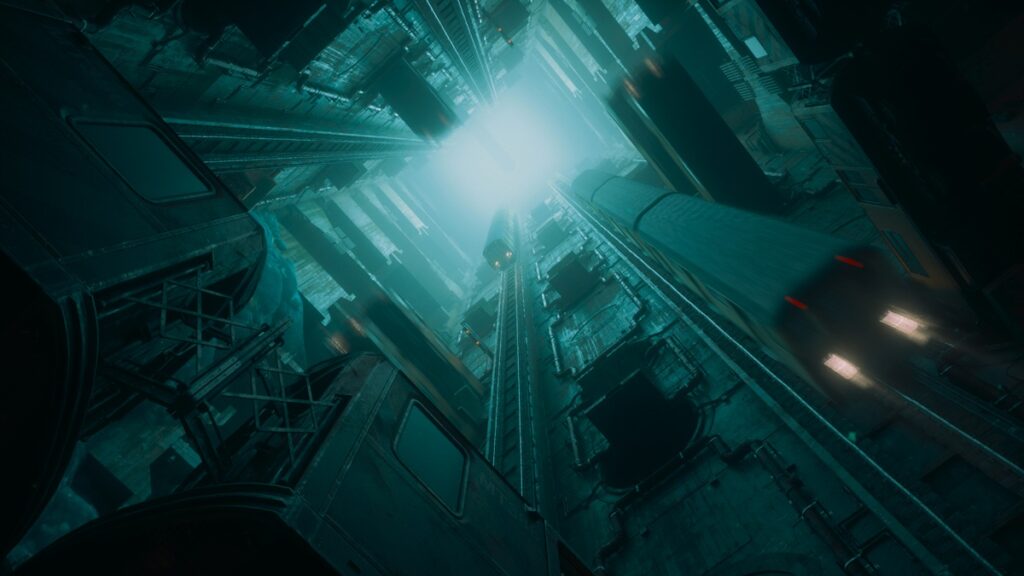
Kasurinen: Thinking about Control as a franchise, it helps when you’re early. I already know what I want to do years from now. We can talk about it within the studio, talk with the technology team. That helps immensely. But it also means that it’s kind of scary. We’re making commitments years into the future, putting things in motion and hoping that everything goes okay.
GamesBeat: Do you put contingencies in place based on what fan reaction to any given game is like? “If they like this, we’ll give them more of it”?
Kasurinen: Personally, when I create a game concept, I want it to be as versatile as possible. There’s a heart to it. Certain things are non-negotiable, the things that have to be there. If you think of it like an onion, there’s this core, and then there are these additional layers on top of it. We can go further and further depending on things like fan reaction. Those layers are things we can change. Maybe we want to change the scope. Are we doing this size of game, or are we doing a smaller game? Those things can be adjusted. That’s just a smart way to set your ambitions in creative work overall. You’re flexible to the right degree. How much? Of course that’s always subjective. But you have to put the stake in the ground somewhere.
GamesBeat: Early on there was some criticism of Alan Wake, that the action was too repetitive, or the enemies were too repetitive in their behavior. It seems like you’ve paid attention to that over time. You have more variety.
Kasurinen: The first Alan Wake was more of an action game at the time. I do think that the shift in Alan Wake 2 toward more of a survival horror game–every enemy is a dangerous foe for you to fight. That was a positive thing. It made the game more interesting, more exciting. It was less repetitive in that sense. Alan Wake has a world and an angle on the storytelling where certain types of enemies make sense.
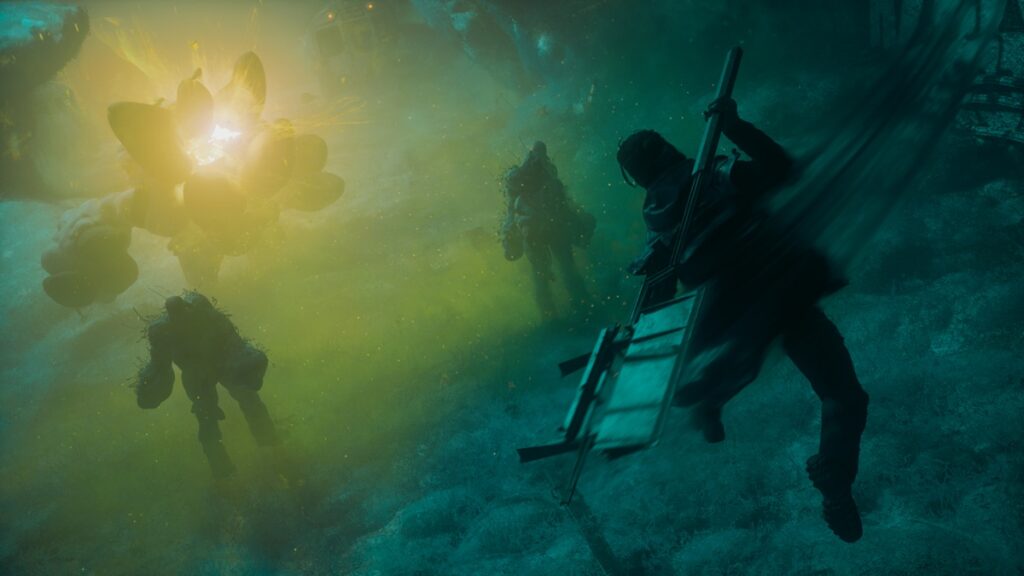
When I look at Control as a creative director, I’ve always felt like I want to have a world that allows me to not be limited by what the story allows me to do, but more like–it’s a larger world that exists out there. I talked early on about how, instead of creating a story, we should look at Control as a pen and paper role-playing game. First we create the rulebook, and then we create the campaign. It’s not the other way around.
My point is that I want to be able to have a wide variety in the types of enemies that exist in the world. For instance, in the fireside chat, if you saw the dev diary, there’s a bus that is controlled by strange forces. It’s insane, but it’s fun. I wanted to have a world where something like that is possible. It would be hard to do that in an Alan Wake game. That’s important for Control, that it has that flexibility and possibility, so you can have that sense of crazy variety between the things you discover. A very unexpected feeling as well, as you see what’s possible around the world.
GamesBeat: It’s an interesting approach to the enemies. It reminds me a bit of Uncharted, where that armored car would keep coming back, or you could never get rid of that helicopter. It almost becomes a character. Do you still have a lot of beats to reveal? Or are you going to stop before you give away too much of the story?
Kasurinen: I don’t know how much we can say about the marketing strategy and so on. What we’ve done up until now–of course we had the announcement trailer back in December. Then we wanted to start off with gameplay and reveal that Dylan is the hero in this game. We wanted people to fully adapt and understand what we’re doing as a franchise. That was a surprise to many people, obviously. I wanted to make my case to fans and the audience outside that this is how we look at this franchise. It’s not the story of one single character who we follow through multiple games. It’s a world, and we have different lenses on that world through different protagonists. I wanted to make that case.
We’re clear about the style and tone, the approach. It goes against expectations. We had games like Max Payne and Alan Wake where it’s clearly about this one big hero, and we follow that one hero through multiple games. I wanted to make the point that Control is not like that. It’s not Jesse Faden: The Game. It’s not even Dylan Faden: The Game. It’s Control. We find these interesting characters in this world, going through something that deals with a supernatural disaster.
These characters should feel connected, of course. They never come from nowhere. Dylan is an established character already. People know him. It’s not like you have a random new character coming from nowhere who’s now the hero. You already know him. I wanted to make my case for that. This is how it works. We started off with gameplay because it’s important for people to understand what type of game this is, how the world works and so on. Right now we’re talking more about the world and the structure of it, the different zones. Moving from gameplay to the world. We have stuff coming up, but I don’t know how much we can talk about that.
GamesBeat: What I’m used to from Remedy’s games is deep stories and big twists. Things you don’t expect.
Kasurinen: This is a Remedy game. There are, let’s say, twists and turns in this story that are crazy. Obviously I don’t want to even talk about that, because I want people to play the game and see for themselves. But it is a big game. That’s all I can say at this point, really.
GamesBeat: In some ways this feels like it continues a tradition in the game industry. The first game establishes a foothold with the audience. Then the games after that get bigger and bigger. You have the potential to really grow the franchise, grow the business over time.
Kasurinen: It’s a complicated question. What I’ve learned, being in the game business now for–damn, like 25 years? You never really, truly know what will land and what will work. I do know that sometimes the worst mistake to make is play it safe and repeat what you did before, hoping it works again. What I usually see happening with that path is that there’s this descent downward. It never really goes anywhere.
I believe personally that when you have a franchise, you need to have a pent-up, interesting energy going on. You need to do something a bit unexpected. You need to have a bit of that energy. You need to be interesting. That’s essential for any franchise out there. You can, and you should, to a degree–the things that work, you don’t abandon the things that work. You should always evolve, but don’t rethink things for the sake of doing that. But it’s a bad idea to play too safe and think that you’ll always have a moneymaker. I’ve never seen that be the case in the long term.
Disclosure: Gamescom Latam paid my way to Brazil, where I moderated two panels at the event.