
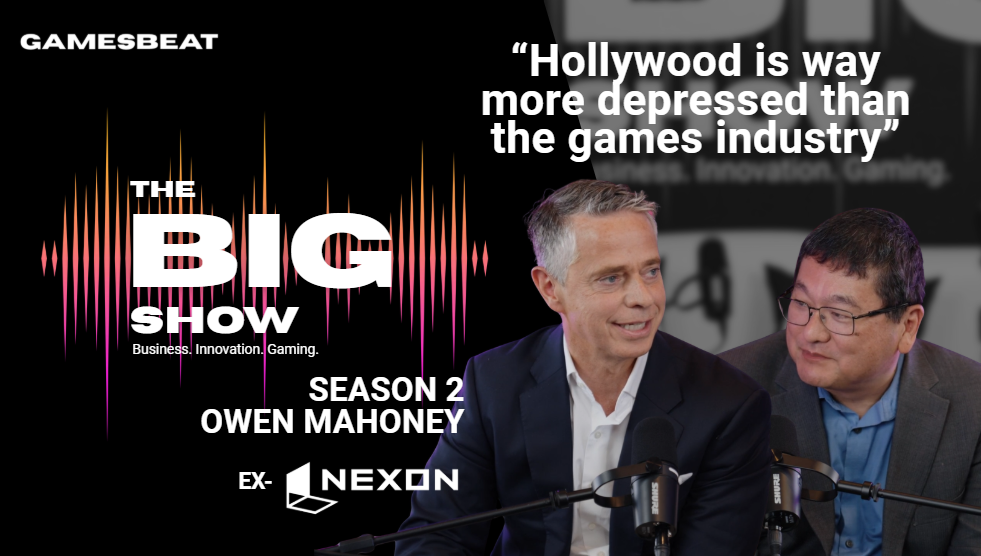
Owen Mahoney has been in the game industry for more than 25 years. He started his career in Japan working for Electronic Arts, and he ran corporate development for them. More recently, he was CFO of Tokyo-based game giant Nexon, and he oversaw its initial public offering in 2011.
Mahoney became president and CEO at Nexon in 2014. Under his leadership, Nexon delivered consistent growth in revenue and operating income and the most robust pipeline in the company’s history. Under his tenure Nexon acquired Patrick Soderlund’s Embark Studios, which made two original games for the company: The Finals and ARC Raiders.
Mahoney stepped down in March 2024 and was replaced by Junghun Lee, head of Nexon Korea and a board member. During Mahoney’s decade-long run, Nexon grew 23.5% a year and revenue grew 7.5 times, while the employee base grew to 8,000. Mahoney was outspoken about how CEOs of big companies had become too conservative and afraid of taking risks. Mahoney had long felt that triple-A games are ripe for disruption.
Mahoney usually skips over why he spent so much time in Japan, but I asked him to explain it in our recording. He grew up in San Francisco and admired U.S. tech leaders like Steve Jobs and Andy Grove. At the time in the 1980s and 1990s, many believed Japan would defeat Silicon Valley in business.
Mahoney studied Japanese and he moved to Japan after college in the mid-1990s, starting at Apple, because he felt it would be a good place to establish a career. He moved on the Electronic Arts, working on corporate and business development for almost a decade, and then Mahoney moved to Nexon, which had big online games like Dungeon & Fighter.
At Nexon, Mahoney saw first hand how big company boards and leaders are so cautious and why they’re often reluctant to launch new games based on brand-new intellectual properties. CEOs of public companies are responsible to their shareholders, but if they don’t take risks and make $300 million bets on future games, their existing games could run out of steam. Mahoney tried to develop games that could break out beyond Asia and be successful in the West.
“They’re like anyone else,” he said. “They’re afraid of losing their jobs.”
They are essentially try to avoid disaster.” But the games are both expensive and derivative, with too few creative leaps. They drown in the red ocean full of similar games. Mahoney believes game leaders need to operate on different incentives. They need to focus on making cool games that are fun to play and haven’t been done before. For Nexon, the mission was to stop trying to translate Korean games for the Western market, since that was like trying to eat a burger with kimchi in it.
“It was a very forceful and thoughtful way of actually raising the dilemma,” Mahoney said.
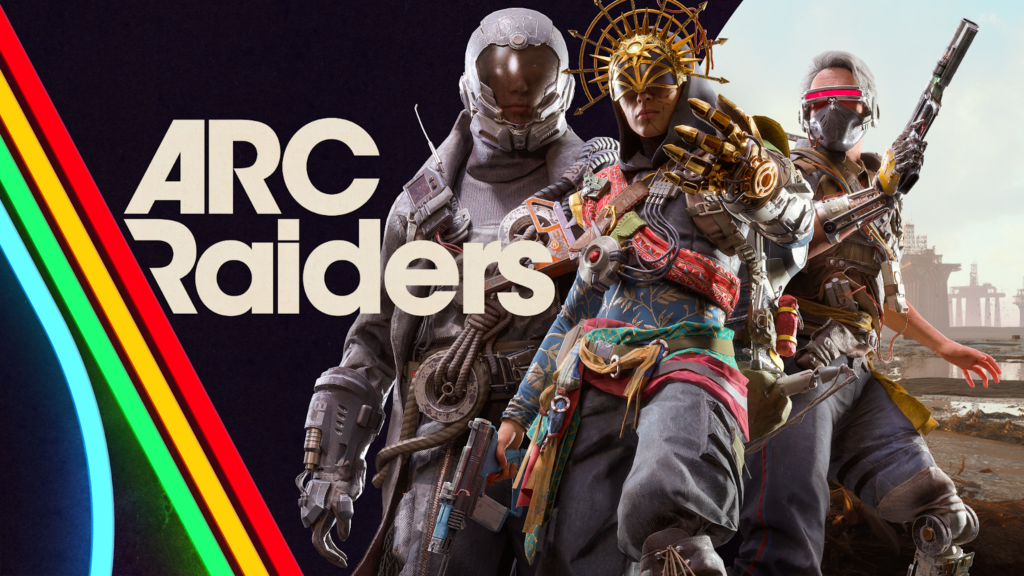
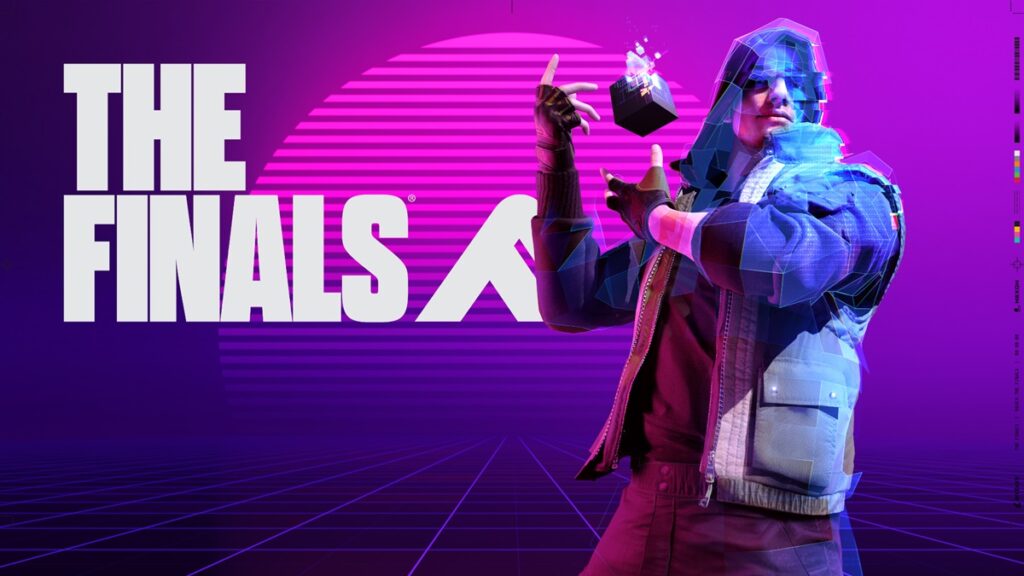
It turned out that acquiring Embark, a successful Western team with roots in Battlefield, was the key to making hits like The Finals and ARC Raiders. The latter was made with a team of about 60 people over six years. But that hard work paid off with sales of at least 14 million copies — even with competition like Battlefield 6 and Call of Duty: Black Ops 7, which were built by huge teams. The lesson here is to study what really works in the context of modern gaming trends — and what turns out to be a massive misallocation of assets, Mahoney said.
It’s not clear what Mahoney will do next, but he is very interested in AI, which is likely to be as transformative as rolling out broadband. But this shouldn’t change the mission of game makers, which is to make something cool and fun and hasn’t been done before. Mahoney believes that the revival of success in Silicon Valley is being driven by AI, while Hollywood is in bad shape.
To listen to the show, click on the Spotify player above — or you can click here to watch the full video if you’re a GB MAX member. More episodes of the BIG Show are coming this summer, with regular episode dropping every Monday between July 6 and August 3, as well as occasional bonus episode drops throughout the summer.