
When Scopely launched in 2011, the mobile gaming industry was at a turning point.
Smartphones were reshaping how people played games. Scopely’s co-CEOs, Walter Driver and Javier Ferreira, believed that mobile devices were becoming permanent companions for billions of people around the world, creating a platform where games could live and evolve for years.
Looking back on those early days, both CEOs described a company that began with modest ambitions out of an office above the Wiltern Theater in Los Angeles.
“We started small and humble,” Ferreira said. “We’re not the smartest people in the industry, but we have been very focused on growing and learning.”
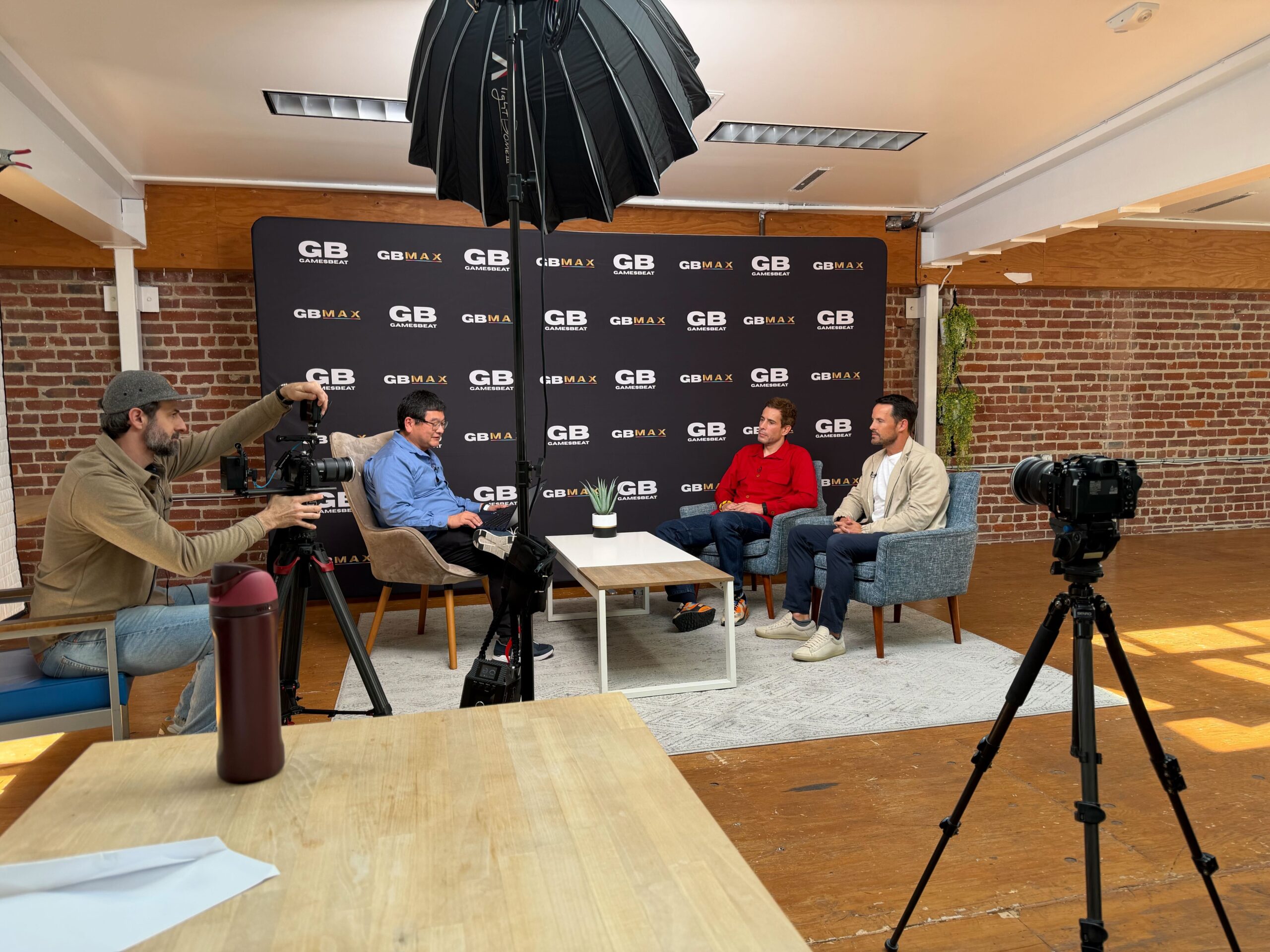
Driver and Ferreira recently sat down with GamesBeat editorial director Dean Takahashi during the GB Live at the GDC Festival of Gaming to reflect on the company’s first 15 years and how it grew from a small startup into one of the most influential companies in mobile gaming.
Today Scopely employs more than 3,000 people across roughly 30 countries. Its games have generated more than $15 billion in lifetime revenue and over 150 billion hours played. These milestones entrench Scopely as one of the most successful mobile gaming companies in history.
Even with those milestones, Driver and Ferreira view the anniversary not as a finish line but as the start of a new phase. They see success as something measurable from the outside, while for them, the journey is ongoing and far from complete.
Building through experimentation
Scopely spent its early years experimenting while trying to understand how mobile games could evolve. Rather than focusing on a single breakout hit, they concentrated on building the capabilities needed to create long-term gaming experiences.
“My experience was more of a firehose of continuous failure for the last 15 years in a lot of ways,” Driver said. “The early days were very much an exploration of what kinds of capabilities do we need to build, what kinds of elements do these products need to be successful, and what kind of people do we need.”
At the time, smartphones were rapidly expanding the global gaming audience. Apple’s App Store was still in its early years, and the iPhone had only recently proven that phones could support full-fledged gaming experiences. Developers across the industry were still discovering how players interacted with games on devices they carried everywhere.
“For the first time, everybody was going to have access to a device 24-7,” Ferreira said. “That allowed us to create experiences for them to play with. That was an unprecedented opportunity.”
From the beginning, Driver and Ferreira believed mobile games would become a way for players to express different parts of their personalities and identities. Because smartphones were always within reach, even a few minutes of play each day could become a space where players connected with friends, competed, collaborated and invested in worlds that reflected how they saw themselves.
“We were always trying to build people’s favorite thing,” Ferreira said. “And in order to do that you had to bring this mindset of creating a special and unique kind of world, and not just a world, but context and social relationships.”
From foundational hits to major franchises
Scopely’s first titles laid the groundwork for what would eventually become an unrivaled modern portfolio. Early releases included social mobile games such as Dice With Buddies, a digital take on a classic dice game; Jewels With Buddies, a competitive match-three puzzle; and Bubble Galaxy With Buddies, a colorful bubble-shooter. All three games launched in 2012. These titles helped the studio refine systems that encouraged players to return frequently and compete with friends.

“We have also been systematic about not being kind of pigeonholed into a particular type of game,” Ferreira said. “We have done casual games, mid-core RPGs, 4X, pretty much everything.”
As the company grew, Scopely began expanding into larger genres and recognizable franchises. YAHTZEE With Buddies launched in 2015 and quickly became one of the company’s early breakout hits, bringing the classic dice game to mobile with competitive multiplayer features. WWE Champions followed in 2017, blending match-three puzzles with RPG-style progression built around professional wrestling stars.
In 2018, Scopely released Star Trek Fleet Command, a 4X strategy game that lets players build fleets, form alliances, and compete for control of territory in the iconic sci-fi universe. The game was another Scopely success story, demonstrating the company’s ability to build live-service games around major intellectual properties. The strategy MMO, which launched in November 2018, became Scopely’s fastest‑growing title, quickly driving deep engagement with over 115 million hours played and 1.5 billion battles fought.
Scopely continued leveraging beloved IP to expand its portfolio with Scrabble GO launching in 2020, a modern mobile adaptation of the classic word game built around competitive multiplayer and social play. MARVEL Strike Force also joined the portfolio, coming to Scopely through the company’s 2020 acquisition of FoxNext Games from Disney.
“I think we have been very consistent in bringing this kind of game to market,” Ferreira said of engaging and meaningful experiences. “We have also been consistent in making bigger and bigger games over time.”
Creating communities around global hits
Scopely’s long-term mindset eventually led to some of the largest mobile games in the world being part of the company’s portfolio. Two of the most prominent examples are MONOPOLY GO! and Pokémon GO, showcasing different aspects of Scopely’s growth.
“At the heart of it,” Ferreira said. “They’re both just hyper engaged communities.”
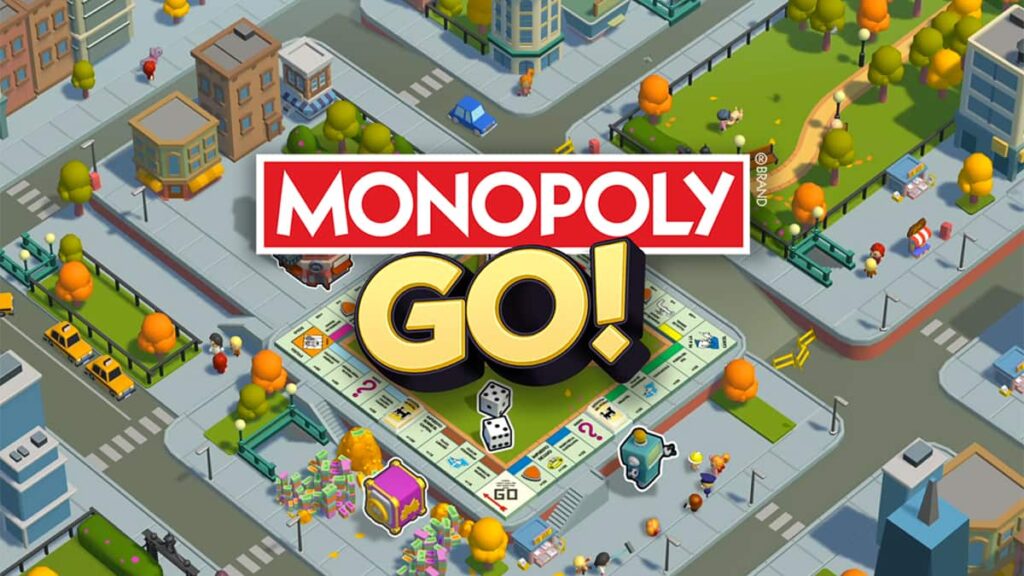
Scopely launched MONOPOLY GO! in April 2023 as a mobile adaptation of the classic Hasbro board game. Built around social systems, live events and competitive progression, the game quickly became the most successful mobile game in history. This success underscores Scopely’s skill as game makers, able to take a classic property and create a deeply engaging mobile experience.
Pokémon GO connects players in a different way by encouraging real-world exploration and social interaction. Since its debut in 2016, the location-based title has endured as one of the most successful mobile games ever published, consistently ranking among the top 10 mobile games globally and attracting more than 100 million unique players in 2024 alone.
In March 2025, Scopely announced a $3.5 billion acquisition of Niantic’s games business, which included Pokémon GO, Pikmin Bloom, Monster Hunter Now, and community tools like Campfire and Wayfarer. The deal, which closed in May 2025, expanded Scopely’s footprint in real-world community gaming and added one of the most enduring mobile titles ever made to its lineup.
Together, MONOPOLY GO! and Pokémon GO show two sides of Scopely’s strengths: one in crafting engrossing games and the other in strategically expanding the company’s portfolio to include globally successful franchises. It also illustrates their commitment to community, which is a key element that the teams behind each game love building around.
“When you hear them talk about what they’re trying to do, you rarely hear them talk about a feature or about development language,” Ferreira said of how the teams behind each game talk about their work. “They really talk about the experience.”
A culture focused on meaningful work
From the beginning, Scopely’s leaders wanted to build a company where talented people could do the most meaningful work of their careers.
“One of the very first goals that we had was that we wanted as many people as possible who came to Scopely to have this be the best experience of their professional life,” Driver said.
The reasoning was simple. In creative industries, a small number of highly talented people can have an enormous impact on a project’s success. Building an environment where those individuals can thrive encourages them to stay and continue pushing themselves. At the same time, the company does not equate a great professional experience with an easy one.
“Does that mean the most comfortable, the easiest, or the most meaningful?” Driver said. “We try to invite people when they come here to choose to try to have the best experience. You need to be comfortable with it being uncomfortable and messy.”
Looking toward Scopely’s next chapter
After 15 years, Scopely’s leaders see the company as continuing to evolve alongside the games industry. The number of players worldwide keeps growing, and games have become a central part of global entertainment.
“There’s never been more gamers in the history of play worldwide,” Driver said. “You could say that everybody is a gamer now.”
At the same time, the industry continues to shift as new technologies, changing player expectations, and emerging business models reshape how games are created and played. Long-term success will depend on staying aware of those changes while continuing to adapt.
“The company feels the youngest it’s ever been,” Ferreira said. “We have the most energy, ambition, and drive. It feels like the future is going to be more exciting than the past.”
GB Studio creates custom content in partnership with sponsors. GamesBeat’s editorial team was not involved.