

Next week at the CES 2026 trade show in Las Vegas, we’ll once again bear witness to the ritual of discovering the latest tech trends in person. CES is basically a referendum on where the tech industry will go next.
This year, the organizers of the big tech showcase expect attendance to be comparable to the 142,465 attendees (audited) who showed up a year ago for the 2025 event.
The event is expected to have more than 4,500 exhibitors across 2.5 million net square feet of space. It will have more than 1,300 speakers across more than 400 sessions, and it should have more than 175 international, federal, state, and local government officials and staff in attendance.
CES 2026 runs from the start of press activities — featuring around 6,000 press, including me — on Sunday, January 4, and runs through Friday, January 9, in Las Vegas. The show floor runs from January 6 to January 9 across multiple convention centers in the city.
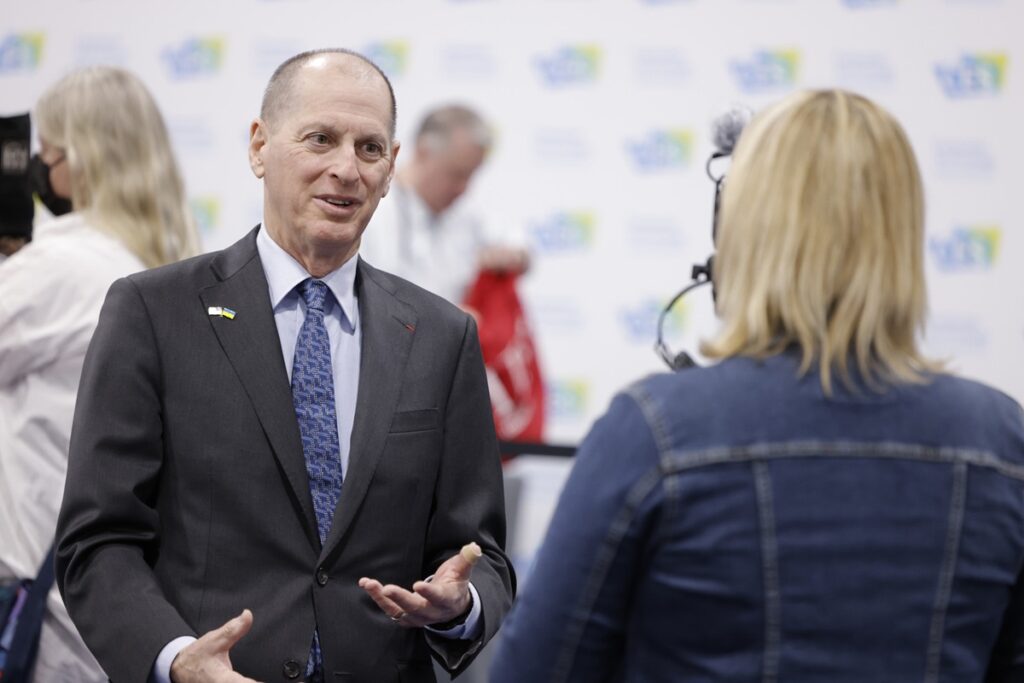
Given the tumultuous year for tech — full of layoffs and explosive growth in demand for AI technology — I’d say that Gary Shapiro, CEO of the Consumer Technology Association, which puts on tech’s biggest trade show, is being conservative in his estimates.
In a year when Jensen Huang’s Nvidia grew 38% to $4.5 trillion in value on the strength of its AI chips, you have to figure CES will be awash in AI hype and draw more attendees for that reason. Many expect the AI bubble to deflate, but that won’t happen at this tech show. If anything, the hype will get even bigger, as Huang will be hosting big event, as well his archrival Lisa Su, CEO of Advanced Micro Devices, as she has the opening keynote.
I’ll be walking a marathon or two again. Last year, I walked 46.79 miles, or about 105,433 steps over 5.5 days. I’ve gone to CES for more than 25 years and I’ve lost count. But I’ll go and try to figure out the prevailing trends that I see.
One of the usual ways I have to figure out tech trends will be missing this year. Samsung is showing off its latest innovations, but it’s not revealing them in a live press conference this year. Rather, Nvidia’s Huang will take the 2 p.m. press conference slot at the Fontainebleau Hotel this year. Of course, Samsung will have a ton of displays and TVs.
As I start thinking about what to pack, I’ll contemplate my recent interview with Shapiro, CEO of the Consumer Technology Association. While AI hype may keep the whole industry in a state of renewal, Shapiro has to worry about the bigger forces that could affect tech, like geopolitical tension, the whiplash from tariffs and economic uncertainty.
The uncertainty could be huge. Adobe Analytics noted that Black Friday sales were up 9.1% to $11.8 billion in November, but Shapiro noted that could be attributed more to inflation than enthusiasm.
How big will the AI wave be?
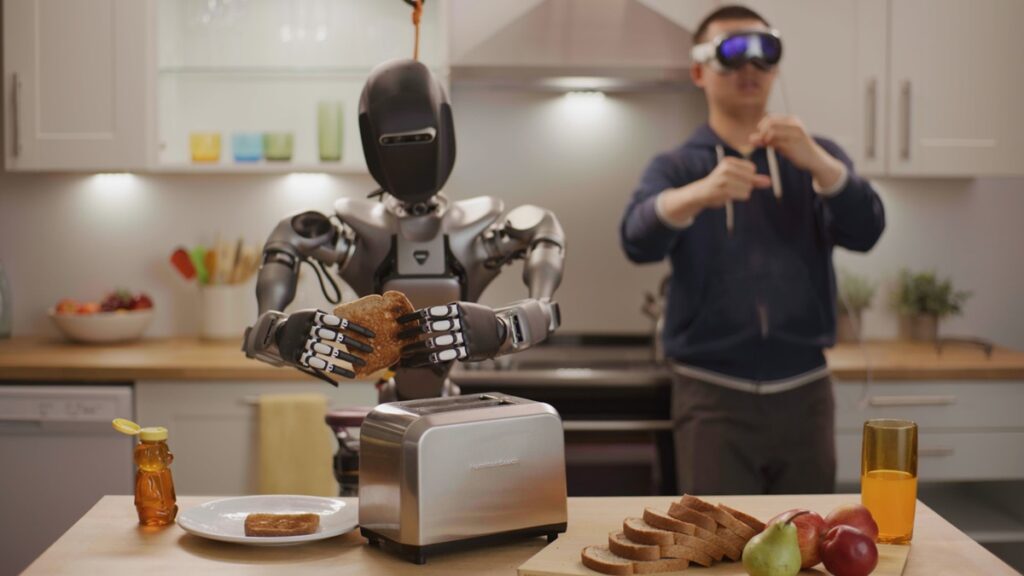
The benefits of AI have been building for a few years. And if it really does yield magical benefits, then CES 2026 ought to show us how AI is the new backbone, or center of gravity, for the entire tech industry. It is, of course, the biggest trend of all, and it’s reinvigorating old categories, like the internet of things, or IoT, transforming it into AIoT.
Despite the talk of the AI bubble bursting, Shapiro believes the change brought about by AI is as revolutionary as the computer and the internet. He also thinks that while AI can trigger job losses, it’s also likely to create a number of new jobs that didn’t exist before.
“The theme is still overwhelmingly focused on AI, generative AI and all the things connected with that. We’re looking for a tremendous amount of innovation. We have a record number of innovation awards entries,” Shapiro said in our interview in December.
AI is the connective tissue holding everything together at CES. It’s not so different from previous hot trends like the cloud, blockchain, the metaverse, internet of things, and more. We’ll find out how real it is versus the hype.
But there’s a lot more concrete benefits from AI that are already arriving. Some old things are getting renewed with the AI wave. Pet monitoring will get better. Smartwatches are adding advanced diagnostics. Earbuds are doubling as over‑the‑counter hearing aids. Smart glasses are offering real‑time translation and accessibility features.
Brian Comiskey, futurist at the CTA, said in a briefing that AI technology will be pervasive across so many of these categories, as 98% of the public is aware of AI now, according to a new CTA survey.
He noted we’re undergoing the “intelligent transformation.” So for the last 20 years or so, he said we’ve been going undergoing digital transformation — the pivot from enterprises to the cloud, consumers getting more online through mobile connectivity, ecommerce and more.
“And what we’re seeing now is that phase has ended, because we’re in a new era defined by artificial intelligence and the wave of capabilities that are being introduced by this technology that will impact enterprises, workers and consumers alike,” Comiskey said. “It’s important to think about how devices are turning into platforms. They’re no longer just input output. We’re talking about highly individual, personalized user experiences on devices.”
He added, “So think about your smartphone. It really becomes an intelligent personal assistant. Or if you think about an HP laptop, for example, it’s an advanced productivity tool instead of just a laptop. Or TVs themselves are holistic content hubs that really bring improved image and sound as well as content on board to really make the holistic entertainment experience. So that’s why we have to start thinking about our devices a little bit more broadly in terms of this platform that starts because artificial intelligence unlocks that that’s really the consumer start the consumer side.”
“AI has dominated the conversation, but the compelling stat, I think, is 63% of US consumers have already used AI at work. And that was all Americans that we surveyed across all different jobs,” Comiskey said. “So naturally, there are jobs right now that maybe are in the trades that don’t require as much AI right now, but you’re still at well over almost two thirds of Americans have used AI work.”
And he said, “What I find interesting is that 91% of those respondents said that these tools were extremely or very helpful, and they even gave us estimates on how much time saved per week that they’re getting. And Americans ranked at 8.7 hours per week of work saved from using AI tools. So we’re already seeing that AI is moving from something very experimental to essential for workers across the board.”
As for AI directions in 2026, Comiskey sees agentic AI coming on strong for things like mangaging your inbox for the day.
“It’s really moving from being a tool to a teammate, acting autonomously on our behalf in terms of agents. The second [trend] is vertical AI, which we tend to think about AI in the large language models right that are dominating the headlines, and rightfully so. They’ve given us ChatGPT, they’ve given us Claude and more, but vertical AI speaks to smaller, specialized models that are helping to transform verticals or industries themselves,” Comiskey said. “Think healthcare models are small language or medium language models only trained on electronic healthcare records or car voice assistants that are only trained on driver’s manuals to really drive home the innovation in that sector.”
The third big vector is industrial AI, or putting intelligence directly into infrastructure, logistics and manufacturing. Autonomy will play a big role in this field, as will mobility, electrification and sustainability, he said.
Robotics and more hot trends
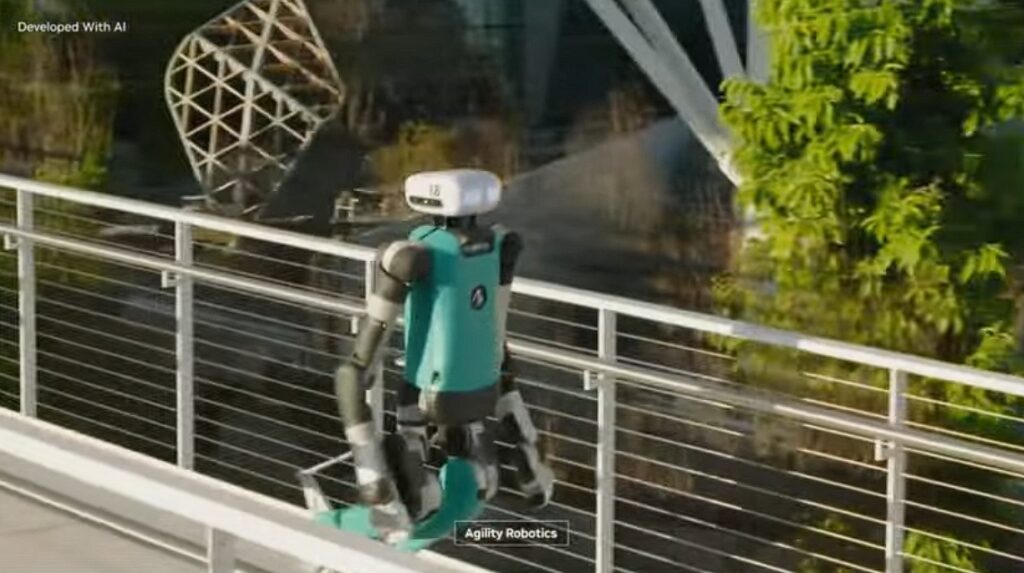
By extension, physical AI will show up in a big way.
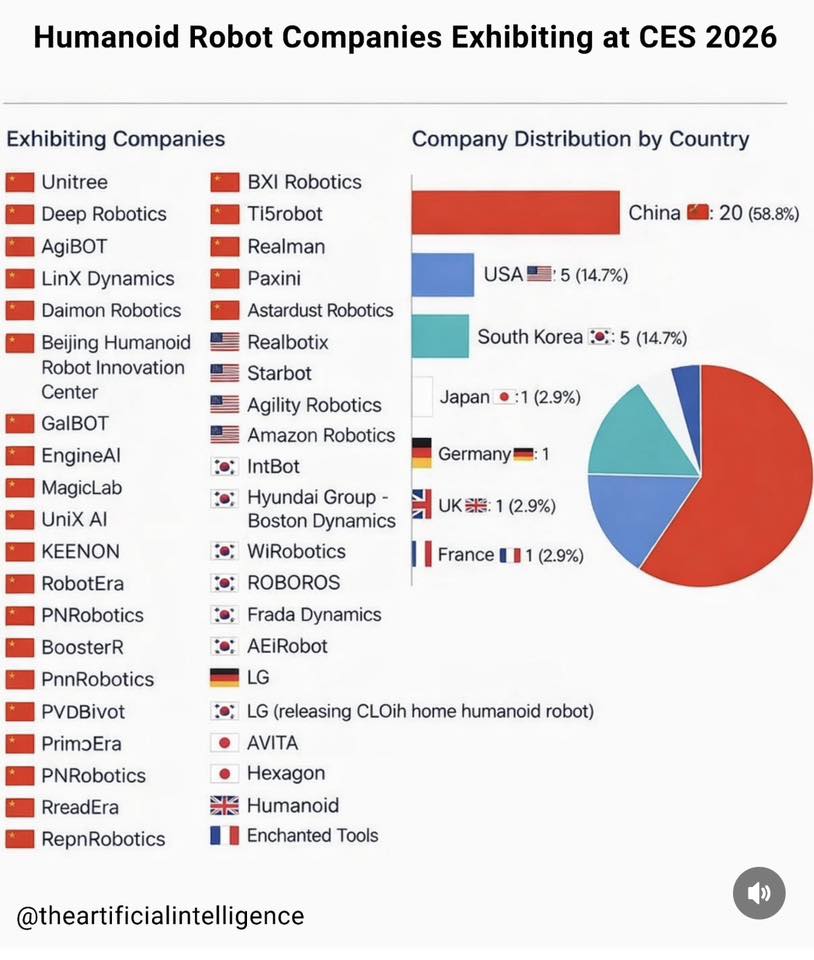
Humanoid robotics showed up in a big way last year, with some going for ultra-realistic human robots while others are focused on functionality, like robotic workers for factories.
We’ll see a lot of robots as home assistants, service robots, industrial automation, elder care and AI‑driven mobility platforms.
We’re likely to see new efforts to improve battery chemistry, grid‑level energy solutions, Home energy management systems, AI‑optimized efficiency tools and ways to make data centers into smaller threats to the environment.
We’ll see blockchain with a pratical focus on smart contracts, verification and royalty tracking.
Pending AI regulation and policy issues

Kinsey Fabrizio, president of the CTA, said in a press briefing that politics and tech will come up a lot at the show, as it “dominates the daily conversations of our lives.”
She said the Leaders in Technology program will include a talk between her and Michael Kratsios, presidential science & technology advisor, at CES Foundry on Wednesday, January 7 at 11:30 a.m. PST.
Shapiro said, “As the three Nobel Prize-winning economists indicated this year, every new technology comes with job changes. Every time people say there will be job loss, they’re correct, but they’re also totally incorrect in that more jobs are gained. We saw that with the VCR, with the internet, with so many other things. These exact same concerns were raised. It’s a different flavor with AI. Certainly, there are job losses and concerns due to tariffs. Whether companies are attributing those to AI, I don’t know. But definitely, tariffs are causing a lot more consternation than I’m aware of.”
He also noted that Roland Busch, the CEO of Siemens, will give a keynote and talk about a massive retraining program that could involve 200,000 workers in the U.S.
As far as issues go, the CTA is still worried about the state of tariffs, particularly the back-and-forth that creates uncertainty. Shapiro worries that we’re not benefiting from tariffs as a nation.
He also noted that a lot of states are starting to legislate bills about AI. More than 1,000 bills were introduced in state legislatures in 2025. And while he thinks President Trump has been focused on AI, Shapiro noted that it would be too confusing for industry to follow 50 different AI laws. The same goes for electric vehicle regulations or self-driving cars, he said.
Shapiro noted that people from the White House will be speaking at CES. And the subject of manufacturing in the U.S. will come up with the head of the National Association of Manufacturers speaking.
Shapiro said it’s nice to see both U.S. and global companies announce new manufacturing investments in the U.S. as companies reevaluate their supply chain and manufacturing strategies.
“But we must be realistic. Manufacturing capacity, especially for cutting-edge technology, can’t happen overnight. These are multi-year or even multi-decade projects. To innovate and invest, businesses need certainty. Predictable rules allow companies to plan, invest, and build resilient and cost-competitive manufacturing supply chains,” he said.
He said the Trump administration’s approach to tariffs – both the uncertainty of tariff policy and tariffs on inputs – makes it more expensive and more difficult to manufacture products in the United States. At the same time, retaliation by China and Canada has curtailed U.S. exports to major markets for American exporters, he said, and retaliation by other governments would undermine these manufacturing investments and the competitiveness of U.S. companies.
“We have lost over one million American jobs in the last year due to several factors including government cutbacks, deportation of productive workers with questionable legal status, tariff-induced inflation and tariff-induced uncertainty and unpredictability,” Shapiro said.
The white hot stuff
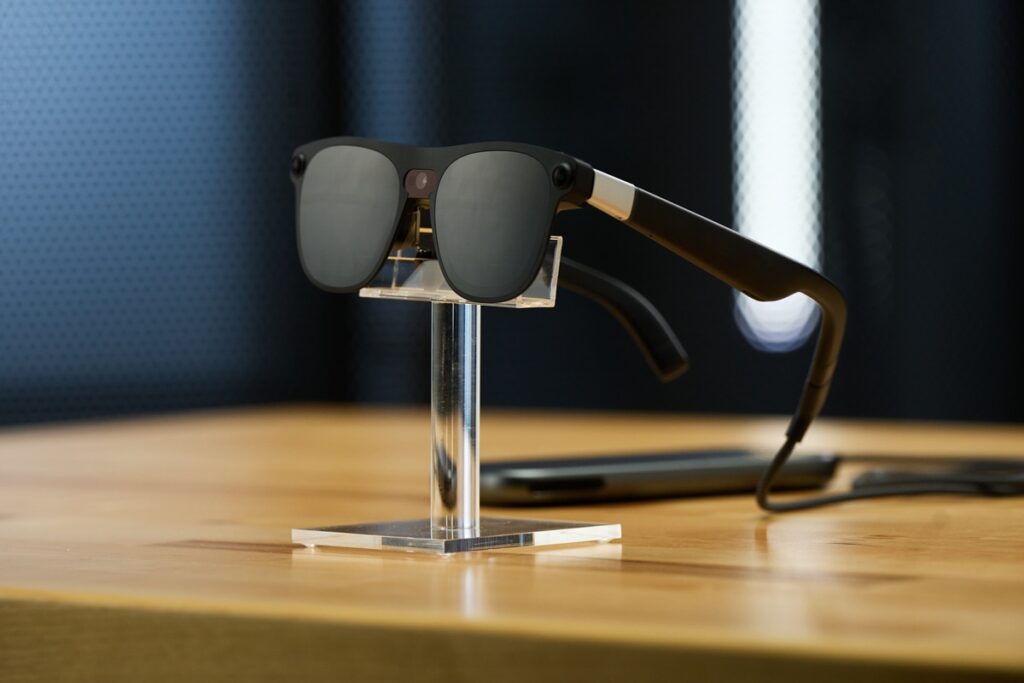
A couple of my favorites include universal translation devices as well as AI-enabled glasses.
As for the show floors, Shapiro said we’ll see a ton of wearables across ecosystems — like smart watches, rings, earbuds or smart glasses, many with AI services or translation. He expects to see gaming evolve with more cloud play, AR/VR, AI and other immersive experiences. He thinks blockchain is poised to reshape industries, and he thinks health tech, mobility and robotics will be hot. He noted the entire automobile ecosystem will be at CES, with a focus on self-driving cars, EVs and more.
We’ll also see the presence of what were once sideshows, like energy efficiency, clean water, and quantum computing.
“We’re seeing incredible momentum across the entire wearables ecosystem. Whether it’s smart watches, rings, earbuds, or smart glasses, consumers are recognizing the real value these products bring to their daily lives, from health tracking and fitness insights to accessibility and entertainment,” Shapiro said. “We’re also watching health and accessibility features become a standard part of wearable design. Earbuds are moving toward over-the-counter hearing support, smart watches are adding advanced ECG and activity tools, and smart glasses offer translation services.”
My gaming session at the Aria
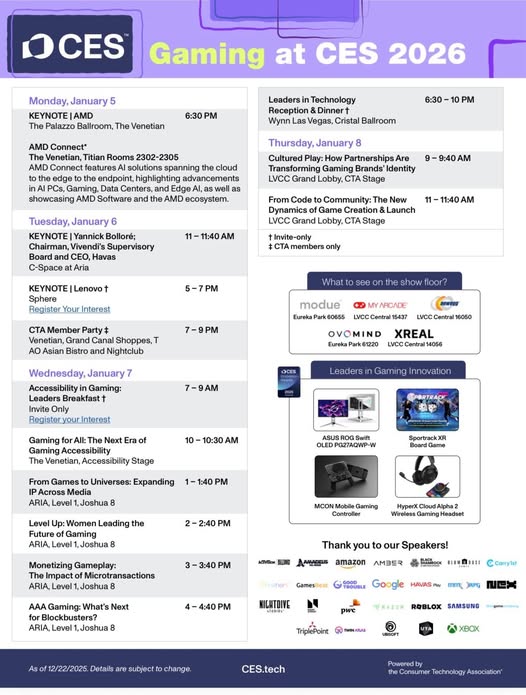
(This year, I’m moderating a session entitled, “AAA Gaming: What’s Next for Blockbusters?” It will be Wednesday, January 7, 4:00 p.m. Pacific time to – 4:40 p.m. at the Aria, Level 1, Joshua 8 room. Here’s the description: AAA games have struggled as audiences change and competition for time increases. This panel can address how can game makers can adapt to this changing world).
Our speakers include:
Dean Takahashi, Editorial Director, GamesBeat (Moderator)
Manuel Reinher, Creative Director, Ubisoft
Elaine Reynolds, General Manager, Black Shamrock
Mac Reynolds, CEO of Night Street Games, maker of Last Flag
Tom Kang, president of Nex, maker of the Nex Playground, a gesture-controlled game console.
Shapiro said gaming is evolving fast, with cloud play, AR/VR, and AI giving players smoother access and more immersive experiences across any device.
Does the U.S. want foreign visitors?
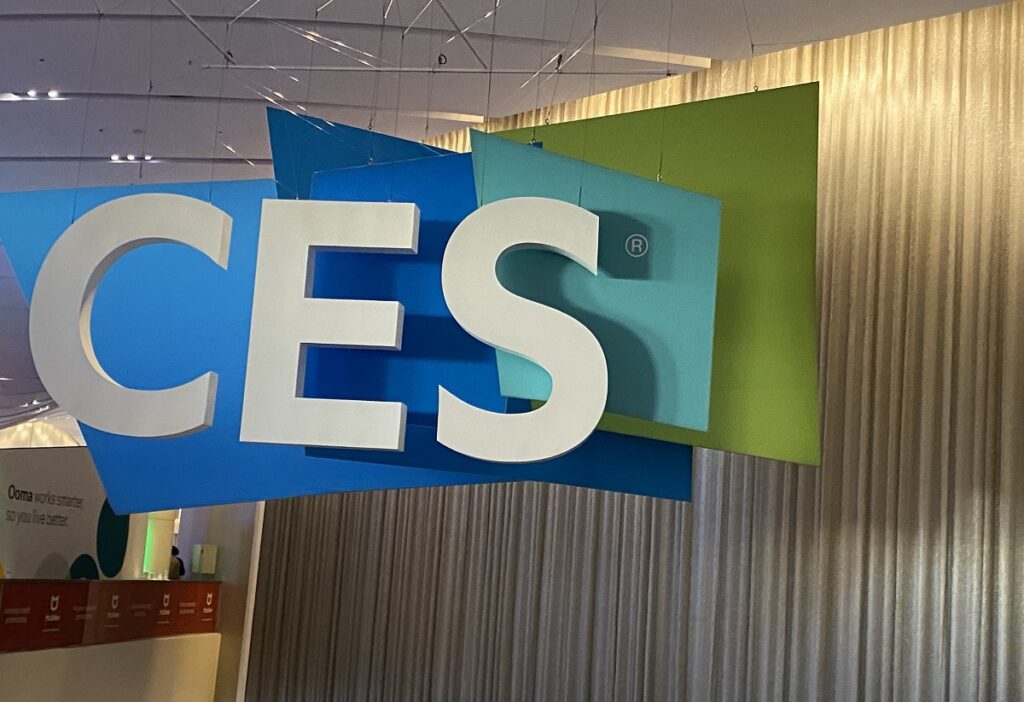
I never thought I would have to include a section on whether the U.S. itself would welcome visitors. Then again, I never thought the show would be canceled by COVID as well. And the Hyundai factory immigration raid in Geogia in September spooked a lot of people, including South Koreans. But Shapiro made it clear that overseas visitors would be welcome.
“The desire of the United States is to welcome people to big events like CES and the World Cup and the Olympics. We’re actually a part of the group with the U.S. Travel Association, focusing on those big events,” he said. “We work closely with the White House on ensuring that they run smoothly and people are welcomed. There’s no event that I’m aware of occurring in the U.S., including sporting events, that attracts more people from outside the U.S. than CES.”
He noted that of the 142,000 people last year, 40% of them, or 55,000 people, were from outside the U.S. He noted that every major airline is adding international flights.
“I don’t know how many seats it is, but I’m guessing it’s 10,000 to 20,000 additional seats from the airlines. They do that with knowledge,” he said.
Will there be a crowd?

While there is uncertainty, Shapiro said in our interview, “I am optimistic, because at this point the way we operate–we know registration. We know about the different countries people are coming from. We know about hotel commitments.”
He added, “We know about speaking commitments and exhibitor commitments. Generally, the rule for us, or anyone in our position that runs events, if someone is putting up cash ahead of time or speaking, they’re extremely likely to show up, as you probably know with your own events.”
He noted that CES has tried harder to recruit the investment community.
“We see a lot of investors coming. We’ve created an investor matchmaking program,” he said. “We know there’s tremendous interest from both investors and people seeking investment. That’s a big deal. We started something called the CES Foundry, focused on cybersecurity, blockchain, and generative AI. That’s sold out. We should have made it bigger and longer.”
CES Foundry will be a new community for AI, blockchain, and quantum innovation. It will offer a tour of the Eureka Park section for startups at the Venetian Expo area.
Like many people, I feel CES is still a useful barometer to tell us what the year in tech (and sometimes games) will be like. And I still enjoy seeing people face-to-face, or mask-to-mask, at a trade show.
Practical tips for CES/Vegas
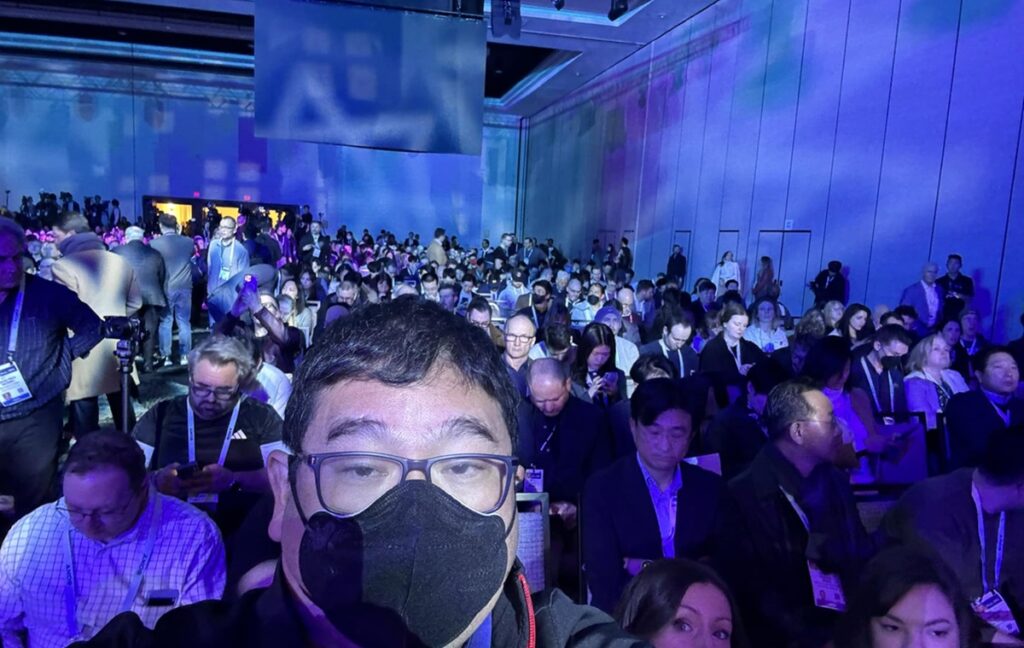
If you’re heading to CES for the first time, I have some tips that can make the difference between a great show and a miserable one. Here are the kinds of practical, real‑world tips that seasoned attendees quietly pass around — the stuff people actually wish they knew before landing in Vegas.
Tim Bajarin, founder of Creative Strategies and an attendee at CES for many decades, said you should carry hand sanitizers, use chapstick often as Vegas is a dry desert city and use breath mints because you’ll be in close proximity to so many people.
- There is a 4:30-6pm event for noobs on Wednesday January 7: First Timer Meetup, LVCC Central Plaza, The Garden.
- Wear great shoes and bring a more than one pair. You can easily walk 20,000 steps a day during CES, and rotating shoes can make you feel better.
- Check out the party list for CES here.
- Drink a lot of water. Las Vegas is dry and the halls are as well. But it occasionally storms during CES.
- Take a refillable bottle, and try not to take a huge backpack or rollerbag — as it won’t be allowed in the hall. Try not to pick up too much swag.
- Plan for your meals. Eat very early or late, but be prepared to wait in long lines for food during peak times.
- Bring electrical lifelines like a battery pack or two. You will love taking photos of tech and selfies with friends at CES venues — until your phone battery dies.
- Try not to see everything. The Las Vegas Convention Center is huge, while the Venetian expo is also vast. Don’t try to walk between big hotels. I try to schedule all my meetings in one of those locations on a particular day and minimize inter-venue travel during CES.
- They’re deceptive when it comes to judging distance. You don’t need a rental car for the most part, as there are plenty of Ubers. But there is a lot of snarled traffic and you can ride buses between the big venues as well. Don’t forget about the Monorail as an option, and I’ve ridden the Teslas in the tunnels of the Las Vegas Loop to get from the West Hall to the LVCC often. Created by Elon Musk’s The Boring Company, the tunnels also can take you to Resort World and Encore. But be careful of using them at peak times.
- Make sure you take a run at looking at the “walking time” between meetings and make sure you have the cellphone contact for any given meeting in case you are running behind schedule. A 10-minute walk can turn into a 25-minute walk when you run into crowds.
- Use a recorder and a backup. If you don’t have voice recordings, chances are you will forget one of your many meetings.
- Talk to random people and look for random things on walking tours. You’re there to get the benefit of in-person meetings.
- Schedule some downtime. You need time to recover your energy. Burnout happens. Reset your brain.
Mask or not?

Like it or not, COVID may show up, and it will travel from all around the globe to Las Vegas. CES continues to advise folks to be wary of that. Since 2020, CES official exhibit venues have been equipped with improved ventilation systems and fresh air flow.
As in the past couple of years, CES will make masks optional, and it will leave it up to individuals to decide whether they should wear masks or not. COVID tests will be available, and CES recommends flu shots.
Hand sanitization stations will be placed throughout CES venues. Pack warm as Vegas is expected to be an average of 62 degrees next week.
What’s missing from CES?

Apple doesn’t exhibit at the show, as it always does its own events.
I expect we won’t see as many masks either. But I suggest everybody be extra safe with so many people concentrated in Vegas. There will likely be tens of thousands of fewer people than there were at the peak show in January 2020. The CES is trying to make sure qualified people get into the show and we’ll see how it looks overall.
Don’t forget the CES app
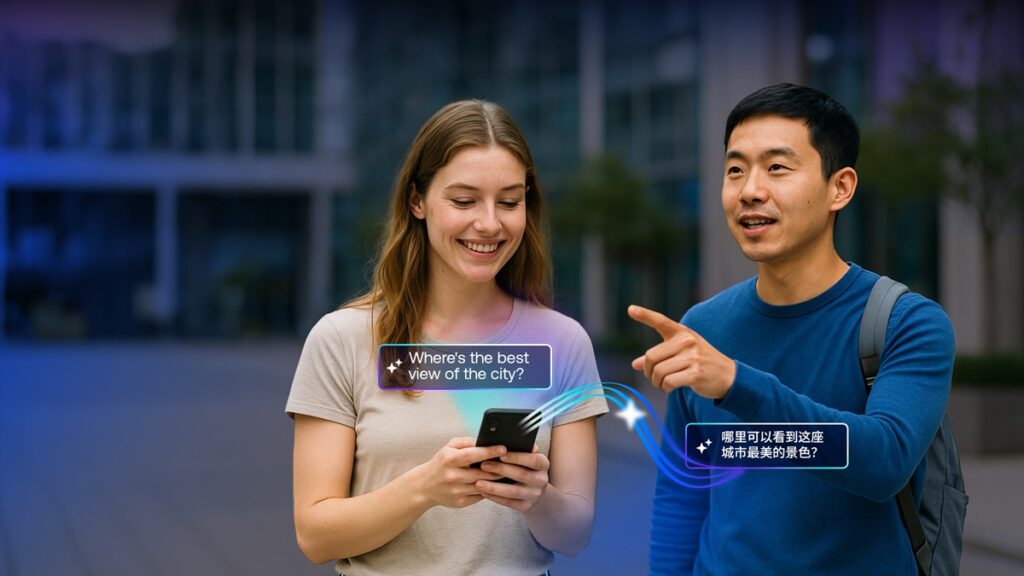
Shapiro said that you should use the CES app to search for possible meetings and to plan. The app will have CES’ first crack at real-time translation technology for things like keynotes — reportedly with latency of less than a second. It will be trained on tech words and it will have real-time transcripts for your smartphone.
It could be useful for finding booths, particularly in places like Eureka Park, which will likely have more than 1,000 startups.
Celebrities and cool events

Last year, Ed Bastian, CEO of Delta, gave a cool talk at The Sphere, the spherical concert venue with amazing special effects — followed by a concert by Lenny Kravitz. This year, Lenovo will be taking over The Sphere with an immersive keynote featuring Lenovo chairman and CEO Yuanqing Yang.
His special guests include Nvidia CEO Jensen Huang, Qualcomm CEO Cristiano Amon, AMD CEO Lisa Su, FIFA’s Gianni Infantino and a live performance by Gwen Stefani.
Sony Honda Mobility will be focused on its next generation electric vehicle, Afeela, at a press briefing on January 5. LG will also show up with Will.i.am again, and I have to bet that Samsung will share cool stuff on its vision for the future, even without a press event.
Snowflake will be at an event at the Aria on Wednesday evening.
Tech for the rest of us
As I often do, I will wind up this story with the notion of tech for the rest of us. I hope that there will be more interesting technologies from non-tech companies. Last year, Oshkosh, a vehicle and military equipment company exhibiting at CES for the first time in its 107-year history, showed up to show off alternative tech vehicles.
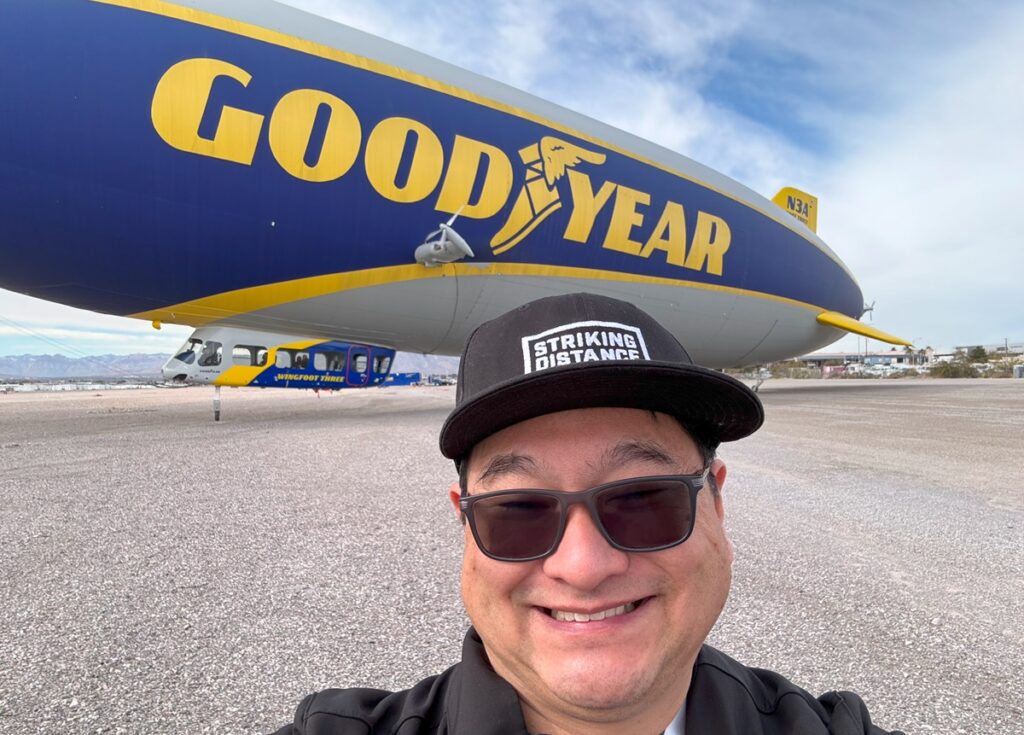
My favorite CES talk about tech from non-tech companies was some years ago, when Arnold Donald — the CEO of the world’s largest cruise company, Carnival Cruises — unveiled the Ocean Medallion wearable. That was interesting because it was an example of how technology was infiltrating a non-tech business, where the technology faded into the woodwork and the woodwork itself got smart. Carnival is now outfitting its 100-plus cruise ships with the technology. In recent years, Procter & Gamble has also showed up with cool uses of tech in ordinary products. L’Oreal did the same, and I had the most fun when I went up in the Goodyear Blimp a couple of years ago as Goodyear showed up with technology that simulated tires in all-weather conditions.
But I could still use more of that, and I think we could all use tech that makes the current products that we use every day even better. This is where I hope that AI will bring us truly smart products that have enough brains to let the tech fade into the background.
“We believe the technology should fade into the background, and what should be left for consumers in the smart home is an experience and it should become effortless,” said Raj Sundar, senior director of product management at Xthings, in an interview about smart home products with GamesBeat. “That’s our overall theme our vision here.”
That’s music to my ears.
The DeanBeat takeaway
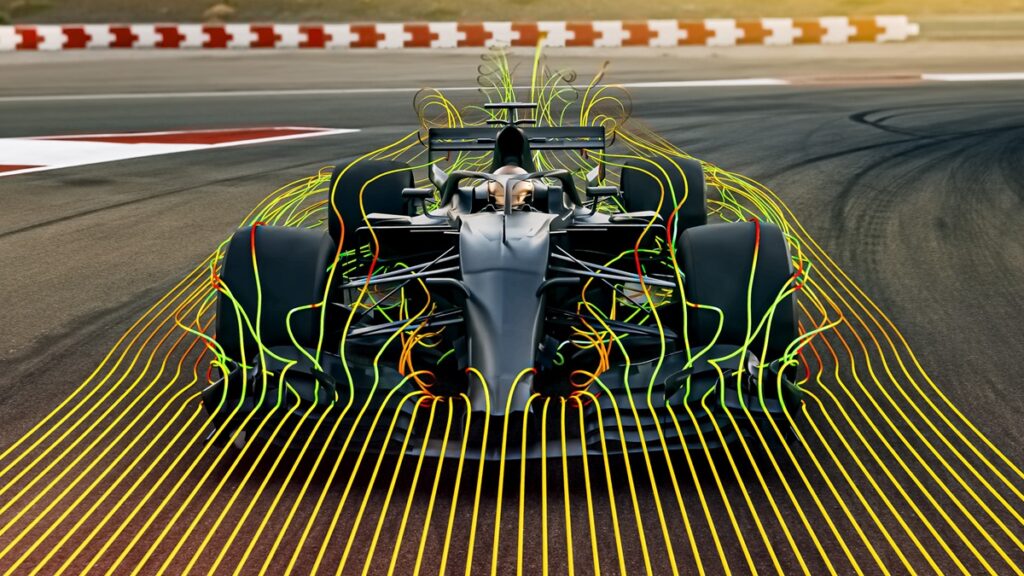
CES 2026 isn’t just another tech show. It’s a snapshot of an industry in transition. Of course, just about every company at the show will be embracing AI at every level, rethinking manufacturing, and dealing with the energy demands of the future.
I’m going to complain about all the walking and hopefully I’ll avoid CES flu. I’ll still get lost in the exhibit halls and probably miss some meetings. I’ll drink too much coffee and not enough water. But this year feels like a moment where the industry stops talking about transformation and actually starts doing it. That’s worth seeing in person.
Hope to see you at the show.