
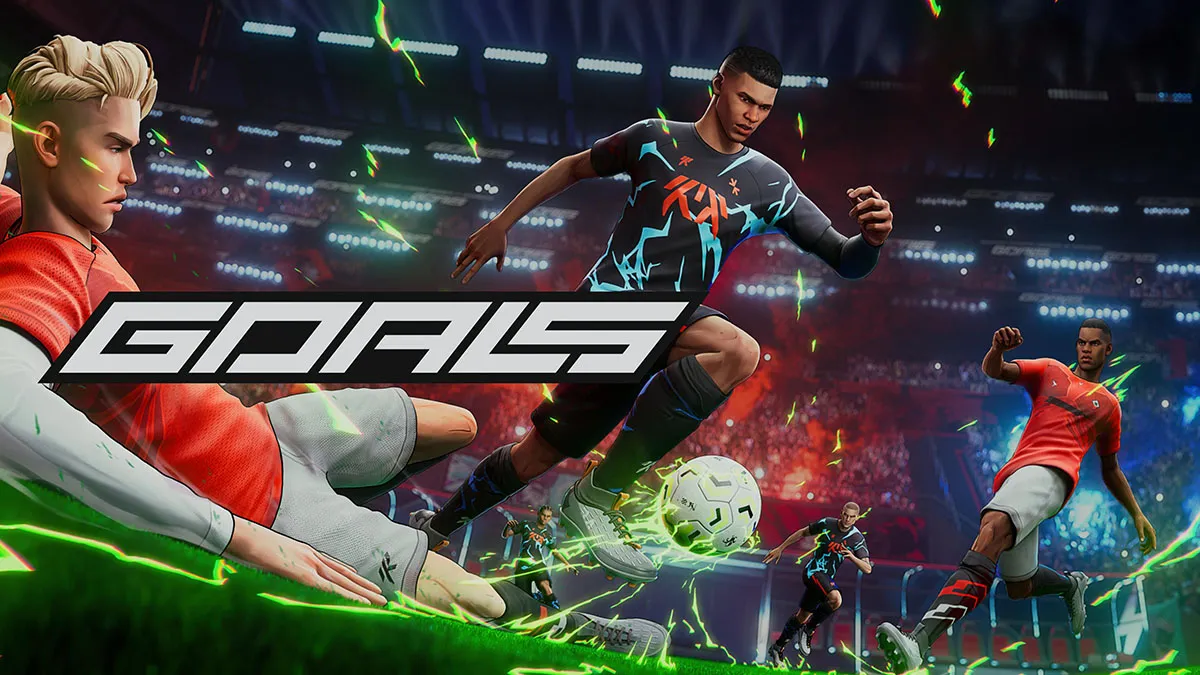
As the world’s eyeballs turn toward the FIFA World Cup, the developers of the soccer title Goals are looking to take advantage of the excitement to promote their new release.
First announced in July 2021, Goals was released across PC and console devices on June 4, 2026, following a roughly three-month open beta period that began in March. Although Goals exists in a similar space to popular soccer games like EA Sports FC and eFootball, it differs from other soccer titles in that it primarily uses unique, randomly-generated, and fictional players, rather than licensing the names of real players and teams to populate its virtual playing fields.
The 2026 edition of the FIFA World Cup kicks off today, June 11. Despite Goals’ slight separation from the real world of soccer, the game’s creators still plan to take advantage of excitement surrounding the globe’s most popular sporting event, with a dedicated mode that connects to the World Cup and is intended to encourage viewers of the tournament to also play Goals on a daily basis.
“We’re obviously doing things connected to the World Cup, both in terms of partnerships, collaborations, and content in the game,” said Goals founder and chief executive officer Andreas Thorstensson in an interview with GamesBeat. “We haven’t actually told our players yet what that’s going to be.”
In addition to taking advantage of World Cup hype, Goals is looking to grow its audience by partnering with prominent content creators associated with the soccer audience, such as the YouTuber JJ “KSI” Olatunji, who is currently a playable character in the game. Moving forward, Goals plans to announce additional creator tie-ins on a monthly basis.
“We can actually bring in football players, celebrities, and content creators as playable characters in the game, which creates a different kind of depth to it,” Thorstensson said. “And I think a lot of people are more interested in playing as streamers.”
Unlike some other prominent soccer video games, Goals uses a free-to-play, live-service model, with monetization primarily built around in-game commerce through player packs and cosmetics, as well as in-game advertisements that are placed inside natural in-game locations like pitch-side banners. In about one month, the company plans to roll out an additional, data-based revenue stream: a subscription service called Goals Plus, which leverages Goals’ multitude of in-game data to train players and provide advice about their gameplay.
“There are hundreds of thousands of events per second when you play a game, and we store everything — which means that we can get some pretty sophisticated data, in terms of ‘how can you become a better player, what kind of formation should you use more skill moves or less skill moves, et cetera,” Thorstensson said “So, it’s pretty cool what kind of data we can actually produce from that.”
Goals’ World Cup patch came out today, June 11, with Thorstensson telling GamesBeat that there are many more to come. He said that the current version of Goals is the “baseline version” of the game, and that his company plans to improve it “constantly” based on user feedback and player data.
“We have been testing a lot, and with that, we’ve learned to be able to ship new patches fast,” Thorstensson said. “So, we’re already doing a patch tomorrow, and we’re going to keep on doing bi-weekly or monthly patches going forward to get the game into the best possible state.”