
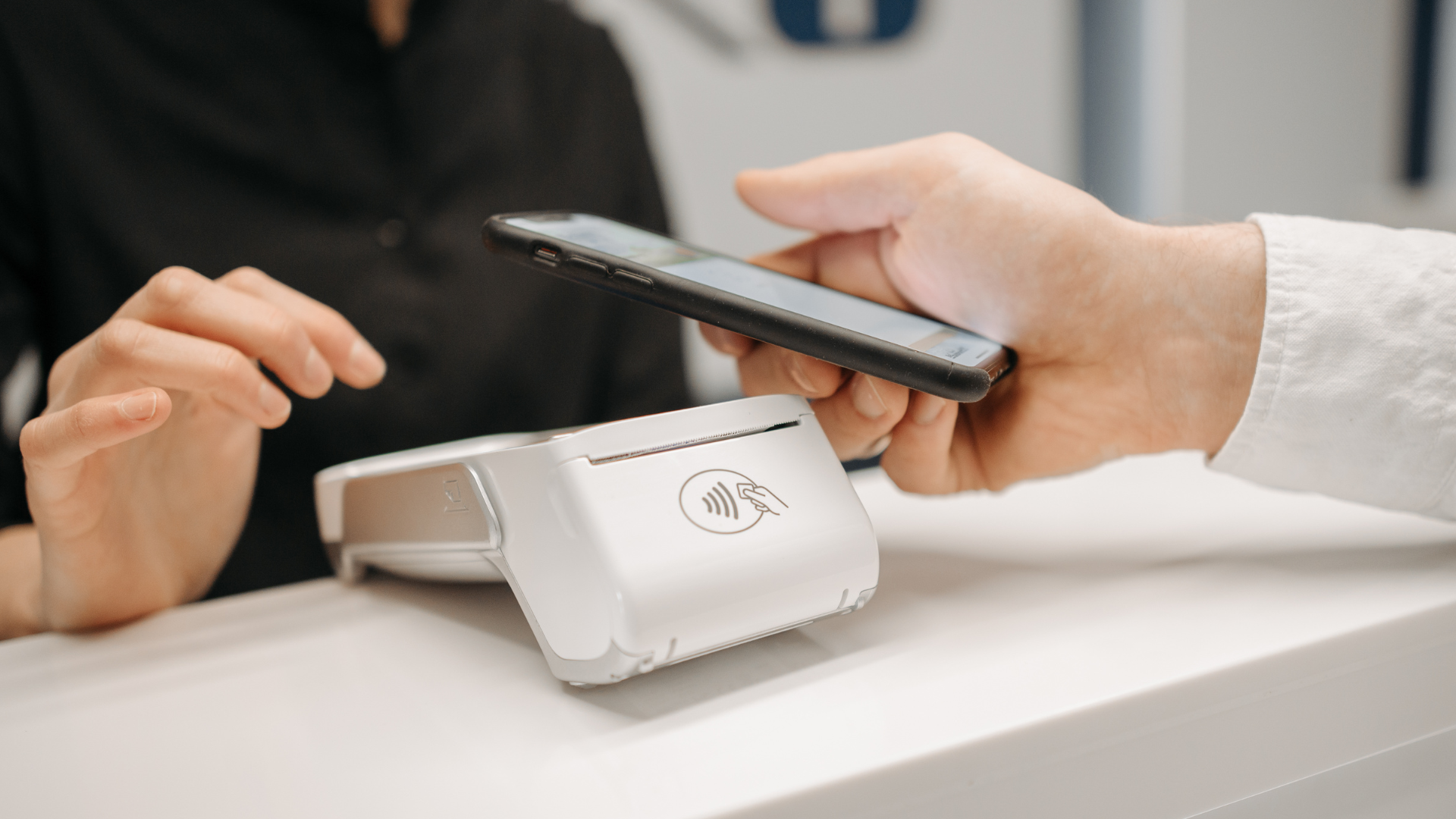
A new data report from Appcharge flags areas of potential disruption for game makers’ direct-to-consumer business.
Today, August 25, Appcharge published a new analysis of the past year of direct-to-consumer transactions across the DTC payments company’s ecosystem, which processes an annualized total of over $1 billion of payments annually, according to a company representative. The report found that players’ DTC payments could often be made or broken at different — and sometimes unexpected — layers of the payment process.
“Appcharge works with many of the leading game publishers running direct-to-consumer stores, so we can see payment patterns no single studio can see in its own data,” said Appcharge director of payments Chen Aspler in a written interview with GamesBeat. “We wanted to test whether decisions studios treat as infrastructure — where a payment is processed, which methods sit on the checkout page — actually move revenue.”
Appcharge created its reporting by applying two analyses to two datasets, per Aspler. Between August 1, 2025, and July 31, 2026, the company pulled data from 25.1 million card and wallet payment attempts, tracking players from their first purchase onward. To measure players’ activity around buy-now-pay-later options, the company followed players who first bought between July 1, 2024, and July 31, 2025, observing them through the end of July 2026.
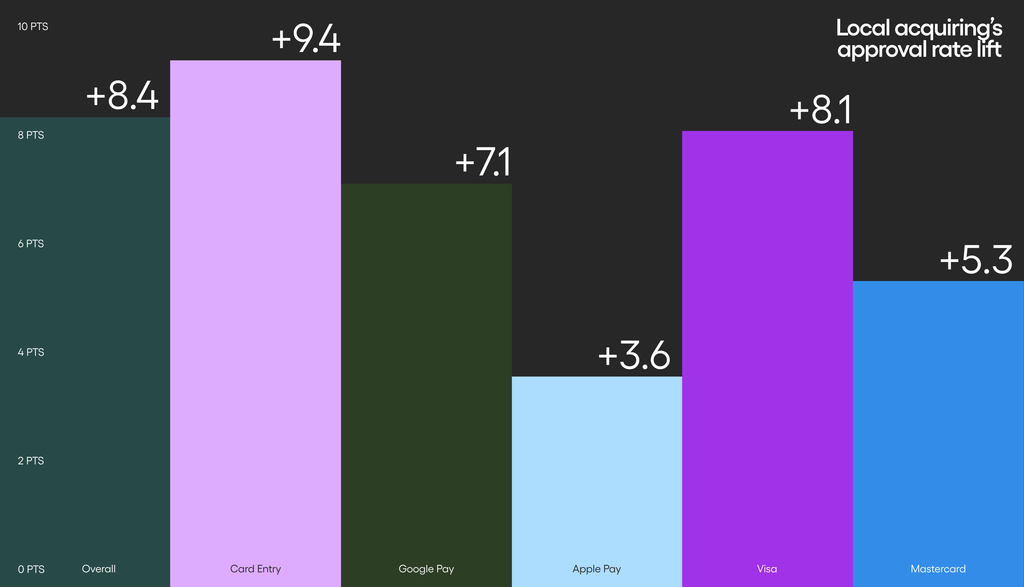
Appcharge’s research found that local acquiring — payment processing wherein the financial institution handling a transaction (the acquirer) is located in the same country as the customer making the purchase — was crucial to ensure players’ DTC payments were processed smoothly, with local acquiring winning in 17 of 20 combinations of processing entity and payment method with meaningful volume, according to the report.
AppCharge’s data found that routing a DTC payment through a bank in players’ own country, rather than across borders, helped approve transactions’ approval rates by 8.4 percent. In other words, two otherwise identical players buying the same item in the same webstore with the same card might have different experiences if one of those players has to route their payment across an international border.
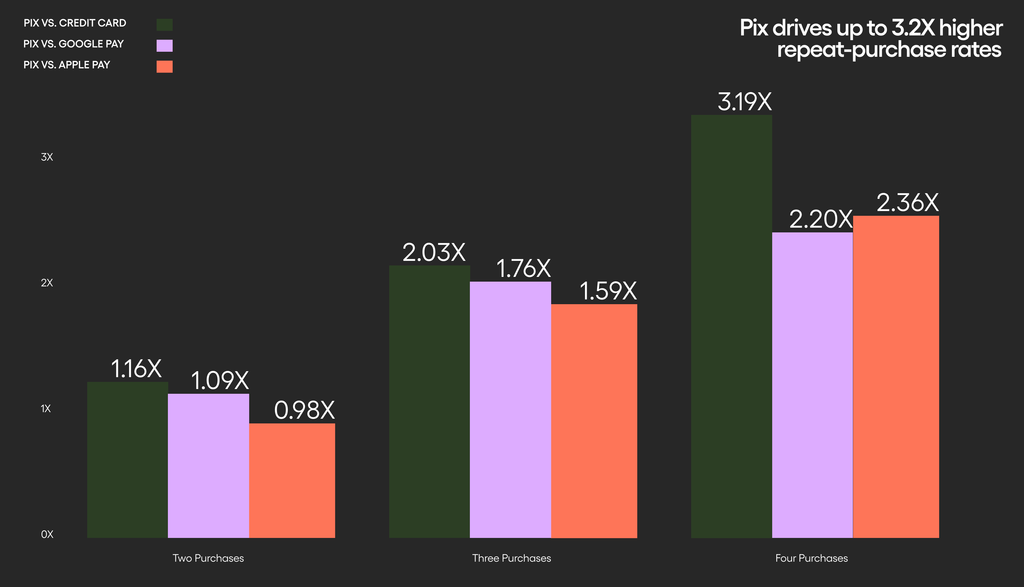
Beyond approval of transactions by financial institutions, being able to pay for a DTC transaction using a local method also encourages players to spend more inside games, according to Appcharge’s data. In an analysis of roughly 44,000 players in Brazil, Appcharge found that for first and second purchases, the local payment option Pix was roughly at parity with other payment methods like credit cards and Apple Pay. For third transactions onward, however, Pix pulled ahead of other options in transaction volume, with its lead increasing as players spent more. That means Brazilian players who pay using a local payment option are more likely to make third and fourth purchases than players using non-local options.
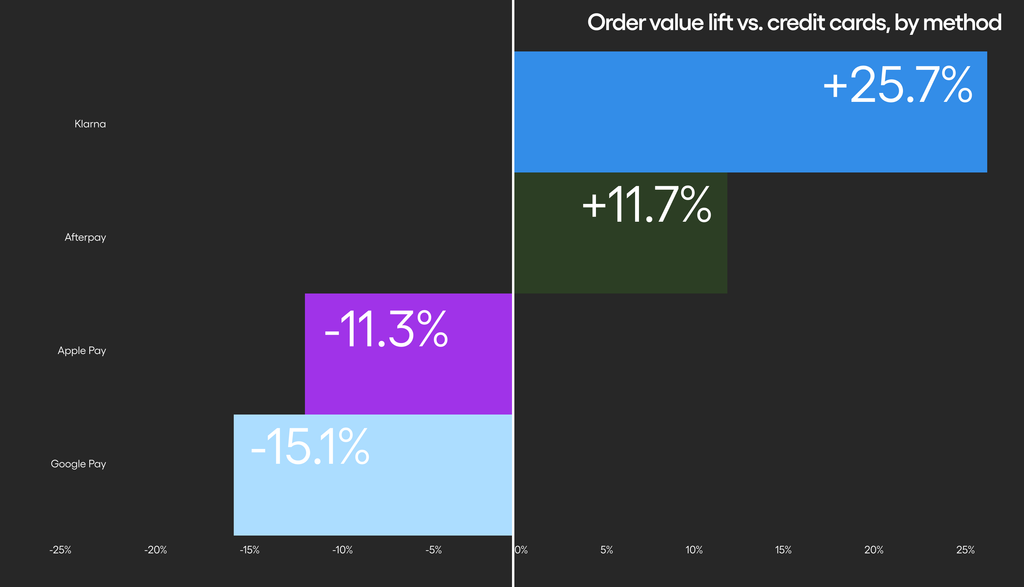
Another factor that can significantly impact players’ DTC behavior is the presence of a buy-now-pay-later option, per Appcharge’s research. The average value of orders placed using BNPL options like Klarna and Afterpay was respectively 25.7 percent and 11.7 percent higher than credit card payments, compared to Apple Pay and Google Pay, which were respectively 11.3 percent and 15.1 percent lower, according to Appcharge’s data.
Aspler said publishers can shore up their DTC business by ensuring that their DTC payments run through local entities in their biggest markets, judging payment methods based on retention, not only checkout conversion, and using payment methods to identify valuable players early, rather than as a lever.
“The industry measures checkout conversion closely and rarely measures what happens to those players afterwards,” he said. “That’s the gap we looked at.”