
As gaming becomes a creator-driven medium, creators are using short-form video success as a springboard to launch and grow their own game studios.
In 2026, video feeds across Instagram, TikTok, and YouTube have been inundated with short-form gaming clips, often featuring games on platforms like Roblox, Fortnite, and Minecraft. At the same time, these user-generated content platforms are transforming gaming into a creator medium, offering individual game makers the tools and built-in audience they need to turn their creations into full-fledged businesses.
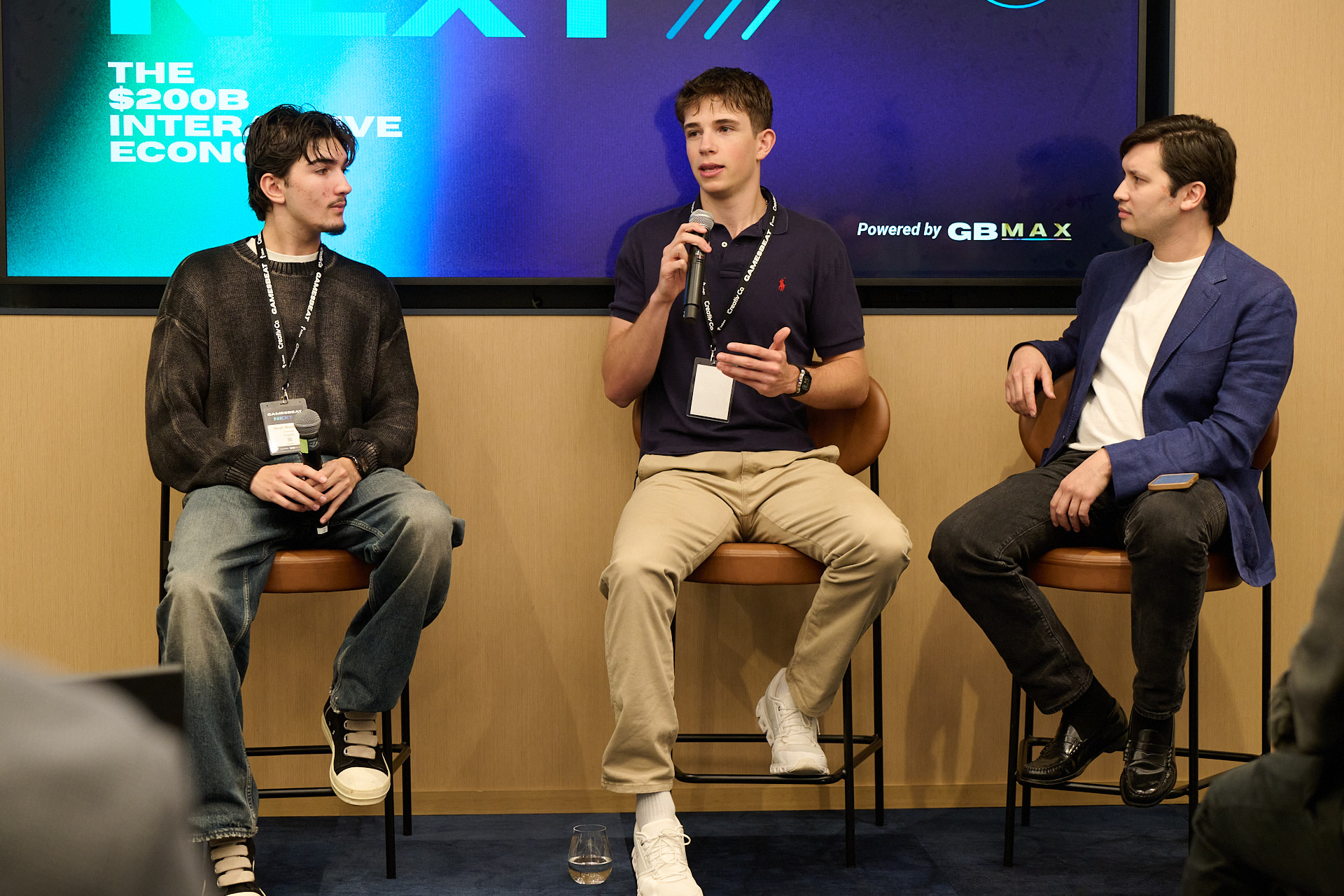
At GamesBeat Next 2026 in San Francisco on November 3, two creators from the worlds of Fortnite and Minecraft took the stage to share insights about how they had used their short-form video success as a springboard for UGC development businesses — and how their followings have helped them cut through the discovery and user acquisition challenges currently plaguing traditional game studios.
Lachlan “Lachyz” McCurdy has been making short-form video content for years, accruing millions of followers across TikTok, YouTube, and other platforms. In 2022, he co-founded the Fortnite studio YapMaps, which is known for viral games like Tiny Tilted Gun Game and Infinite Late Game. Since then, he and his co-founder have developed over 30 titles with millions of plays, which McCurdy attributed in large part to his ability to promote his creations to his video audience.
“It’s pretty consistent across Fortnite, Roblox, and Minecraft, where you need a viral factor,” McCurdy said during the 25-minute session. “It’s just like any TikTok or YouTube video; you need something that makes it stand out.”
McCurdy was joined onstage by Noah “ZyroMC” Woodfine. In addition to his short-form Minecraft content, which has garnered him a following of nearly 700,000 on TikTok, Woodfine is also the co-founder of the prominent UGC development studio and network Chartis. He said his platform as a video creator was particularly useful for promoting his custom Minecraft servers because the Java version of Minecraft lacks the built-in discovery provided — to some extent — by other UGC platforms like Roblox and Fortnite. As a result, he said he designs his games with short-form video clipping opportunities in mind, thinking consciously about how audiences will react to a game within the first two seconds of viewing or playing it.
“There’s no love from the platform, so the first thing I think of when creating these games is, how do I get somebody to care?” Woodfine said during the panel discussion. “Because there’s really no reason to care, other than promoting it on social media.”
McCurdy made it clear that the type of video promotion employed by larger creators like himself and Woodfine was vastly different from the growing practice of “clipping,” or paying smaller, faceless accounts to blast out clips of a game en masse in order to generate as sense of organic interest online.
“With AI, you can make ads with Claude now, right?” McCurdy said. “As more people figure that out, it’s going to shift back to quality, and consumers are going to start trusting creators with a face and an actual personal brand behind them, instead of just faceless accounts and clips.”
McCurdy and Woodfine ended the session with contrasting perspectives on the importance of being an influencer and creator in the landscape of the modern game industry. McCurdy said that learning to better understand one’s audience and what resonates with it — becoming an influencer — is simply part of the job for game makers moving forward. Woodfine pushed back, saying that not every individual game maker needs to be an influencer, but that having an influencer on the team is increasingly necessary.
“Social media helps, it definitely does,” Woodfine said. “But it doesn’t help in the way that makes a game stick with 3,000, 5,000, or even 30,000 active players at a time. Everyone does their thing, and it makes one final piece.”