
The relationship between games, film, and television has never been more important than it is today. With video game adaptations driving awareness and sales, gaming is becoming an increasingly important driver of franchise growth.
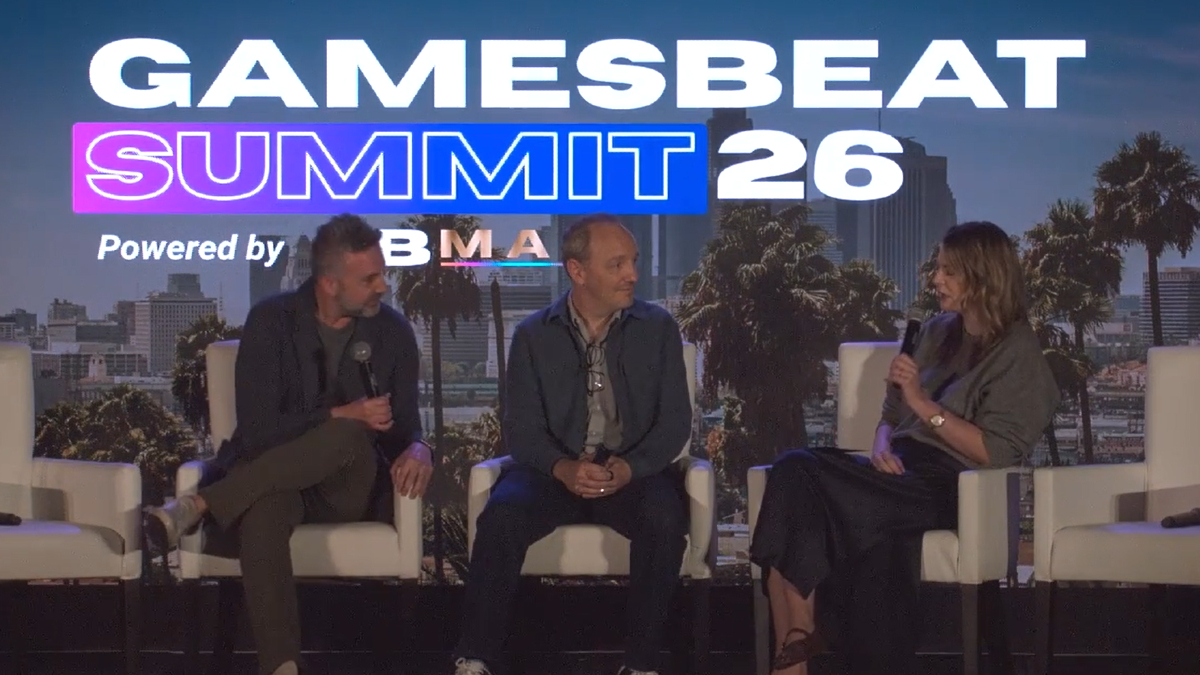
At GamesBeat Summit 2026, a panel of experts took the stage to discuss the creative collaboration process and how to produce game adaptations that delight core fans while capturing the interest of new ones. The session featured the perspectives of Mike Goldberg, the co-founder of Story Kitchen and Jason Altman, the former head of transmedia at Netflix, and was moderated by Courtney LaBarge Bell, the executive director of BAFTA North America.
In the past, TV and movie adaptations of video games were often seen as risky and often didn’t translate well. However, in recent years, this has begun to change, with many adaptations having a healthy respect for the source material, even when going their own way with their characters and worlds. LaBarge Bell asked the panel why this is the case, and how the relationship between video games and Hollywood has evolved.
“The executives at the studios are now people who have grown up playing games, so they respect and understand the medium,” Altman said during the panel discussion. “And the filmmakers and showrunners who adapt these games. They have a real passion for it, and the people who grew up playing games are now at the top of their careers.”
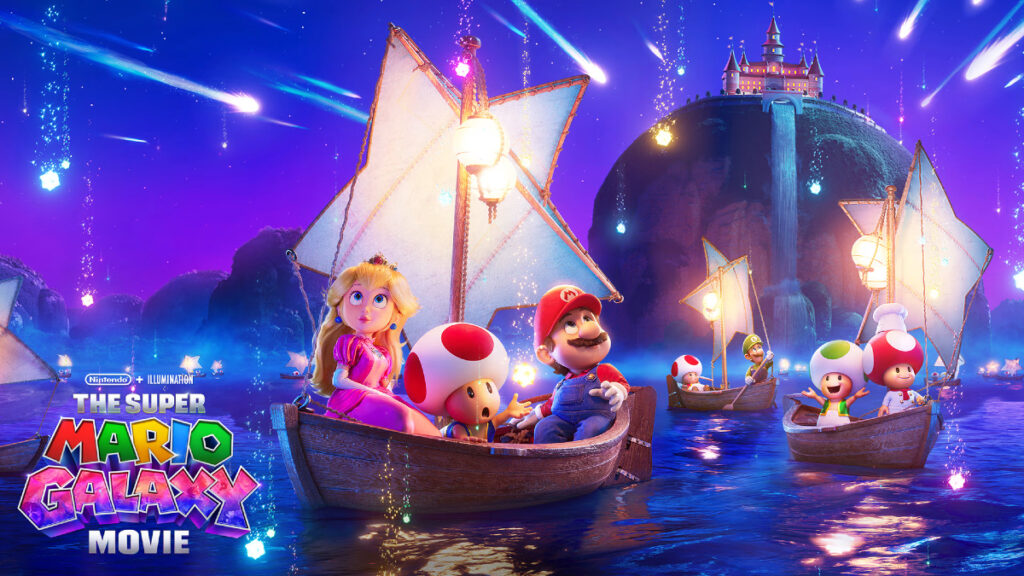
Games are now widely seen as a legitimate medium for storytelling, which is something gamers have known is the case for a long time. To those who don’t play modern games or understand them, the word “video game” may still evoke Space Invaders or Mario jumping on mushrooms. They may not know that games are now essentially interactive movies, often depicting intricate worlds, deep characters and a narrative that’s comparable to an epic novel in scope. In 2026, the wider world appears to be waking up to what games have become, and TV and movie studios are driving this change.
“It’s most importantly understanding and respecting these two mediums of storytelling, and they’ve always been bifurcated. They’ve been treated like a stepson or stepdaughter to the other, but in reality, we’re all speaking the language of art,” Goldberg said during the panel discussion.
Goldberg talked about how production companies in the past have taken a gaming IP and adapted it with a paper-thin understanding of — and lack of respect for — the source material.
“If they’re not getting deep and want to know ‘what were the other endings I could have?’ — if they’re not even remotely curious, you’ve got to run away from that,” Goldberg said.
As more gamers become filmmakers, the respect between both art forms is growing, and this is reflected in the projects and adaptations that follow. And as video games continue to influence culture through film and TV, even skeptical audience members are beginning to understand how far they’ve come.
“When it works really well, you have a showrunner, you have a filmmaker, and you have a talented team that’s that really invested in the world and plays the game and has a deep respect for it,” Altman said.