
There’s a trend in the games industry lately of companies killing off games when they fail to immediately find their target audience. Sometimes those unfortunate live service titles last only weeks or even days. But Super Evil Megacorp is taking a different approach: Investing in its titles over a longer period to build up the community, even if requires extra time and effort.
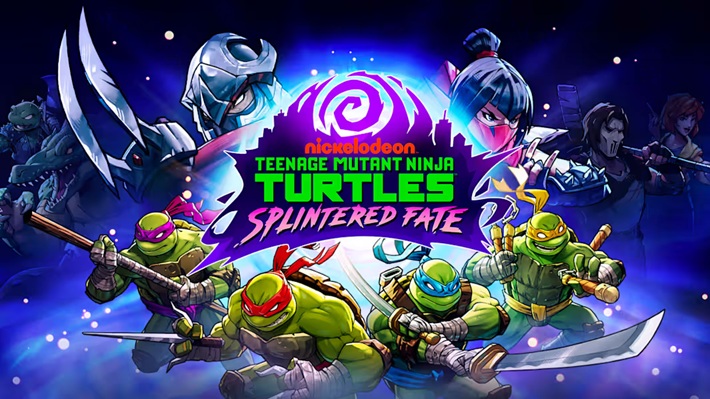
I spoke with SEMC CEO Ian Fielding about its title Teenage Mutant Ninja Turtles: Splintered Fate, specifically. First launched in 2023 on Apple Arcade, it has since expanded to PC and consoles, with a steady stream of updates bringing additional features to the game. Fielding and I both noted how different this kind of story was from what seems the norm these days.
“I think people may underestimate the longtail. The game industry is always evolving, but a lot of people I’ve talked to in publishing still share the perspective that you’ll make the vast majority of your money in the first month of launch — I’ve heard this exact line many times,” said Fielding in an interview with GamesBeat.”
“But I think that is shifting,” he added. “There may be some titles that have that big splash, that’s true. But I actually think a lot of titles are having a meaningful longtail and making the vast majority of their money in the years after launch. There are so many games I can think of, and we’re obviously trying to do that with Splintered Fate.”
How to build a game that sticks around — and how to stick with it
Fielding and I spoke about TMNT: Splintered Fate, which hit its million sales mark in March, and also had its best month ever in daily active users, revenue and engagement. The first question I had was essentially, “How?”
Given the current environment, it’s perhaps not a surprise that companies are reluctant to invest in games that have already cost a lot of money and show little sign of delivering a meaningful return-on-investment. Look at Concord, Highguard, XDefiant and a plethora of other games developed and published by major companies that are here, then gone within a brief time.
Fielding acknowledged that long-term investment isn’t always viable, but said that, for those developers who can do so, community can be the backbone of your strategy. “I encourage developers to set up their relationship [with players and community] well ahead of launch. Discord, social channels — start engaging. Don’t wait until late in the game. To improve your chances of success, I really encourage bringing players along for the journey and listening to them ahead of your launch.”
Fielding also specified that a game can be especially worth the long-term investment if it launches with a passionate community, even if a small one, though the numbers may not be mind-blowing. He cited Dead Cells, from Evil Empire as an example from which SEMC took inspiration: “It didn’t start out as an explosive success… but the team delivered over 40 updates or something, and supported the heck out of that game. Then it became something that sold 10 million-plus units.”
A launch might not be worth the long-term investment if there is no such passionate audience, of course — sometimes games simply fail to resonate with an audience. “Ultimately you need players to be able to pay the bills, but what I’m particularly talking about is where you do have that core, and the game is well-received. If there’s a good foundation, then I think there’s a lot of room to keep growing.”
How to set up for long-term success in this economy
It’s no secret that games are expensive to make — even indie games can take hundreds of thousands of dollars to make depending on the platform and initial size of the game. What I wanted to know from Fielding, was how studios, both small and large, can set themselves up for success. After all, you can’t build a lasting game if you can’t keep the lights on.
Fielding noted that building relationships with platform holders, like SEMC did with Apple, can be a way of getting capital ahead of launch. In addition to Apple Arcade, platforms like Xbox Game Pass or PlayStation Plus can offer help. Staggering a game launch on other platforms can also help.
“It’s not just continuing to update the game and provide more DLC, but one thing that’s given us a big lift is, while we started on Apple Arcade, we were able to get a new sizable player base and then revenue boost for each launch we did… Each launch was a spike in players, but we were also building and improving the game during that time as well. Each launch has given us more money to fund future development.”
Fielding also added that SEMC didn’t wait until the game was feature-complete before launch. Cross-play, multiplayer, multiple platforms all came later. “What make this approach sustainable, we decided, let’s focus on this platform first, like Switch. Then let’s focus on PC, then let’s focus on console, then let’s focus on DLC… If you’re an independent studio, this staggered approach could be a way for to slice it up in a way that you can fund it.”
The two things Fielding noted that the studio can carry forward (and potentially other studios can make note of) is: Building relationships with players and a willingness to be humble and transparent; and building strong relationships with platform holders and other game developers who can offer resources and promotion.