
This story is a guest piece written by Edgar Parente, executive technical director at Rogue Factor.
Every game developer knows the anxiety that comes with watching a project leave the studio. We spend years in carefully controlled environments, working on calibrated reference monitors, fine-tuning the exact threshold where a shadow gives way to ambient light or where a highlight cuts through the darkness, all in the hopes of creating a deliberately emotional game atmosphere.
Then, the game launches. It is sent out to thousands of different consumer displays, ranging from premium OLED monitors to entry-level TVs sitting in living rooms. Suddenly, the image we spent years perfecting is subjected to uncalibrated hardware and haphazardly applied user settings. The artistic vision we fought so hard to protect is easily compromised.
During the development of Hell is Us, the Rogue Factor team knew we needed a way to guarantee our visual identity survived the trip to the consumer’s screen, and we found our solution by adopting a free automated calibration standard through HDR10+ GAMING. By establishing a connection between the game engine and compatible displays, this technology allows us to instantly protect our artistic vision. It handles the hardware calibration behind the scenes, ensuring the contrast and shadow details appear exactly as we designed them, without forcing the player to wrestle with confusing picture settings.
The core of the problem with HDR is that visual data is handled in an unfamiliar way to many players. In the old SDR system, things were relatively straightforward. Players understood brightness and contrast sliders because they had been adjusting them for decades. HDR changes things entirely by introducing absolute luminance values, measured in nits. Every HDR-capable monitor or television handles these values differently, where one screen might top out at 400 nits, while another pushes past 1,500 nits.
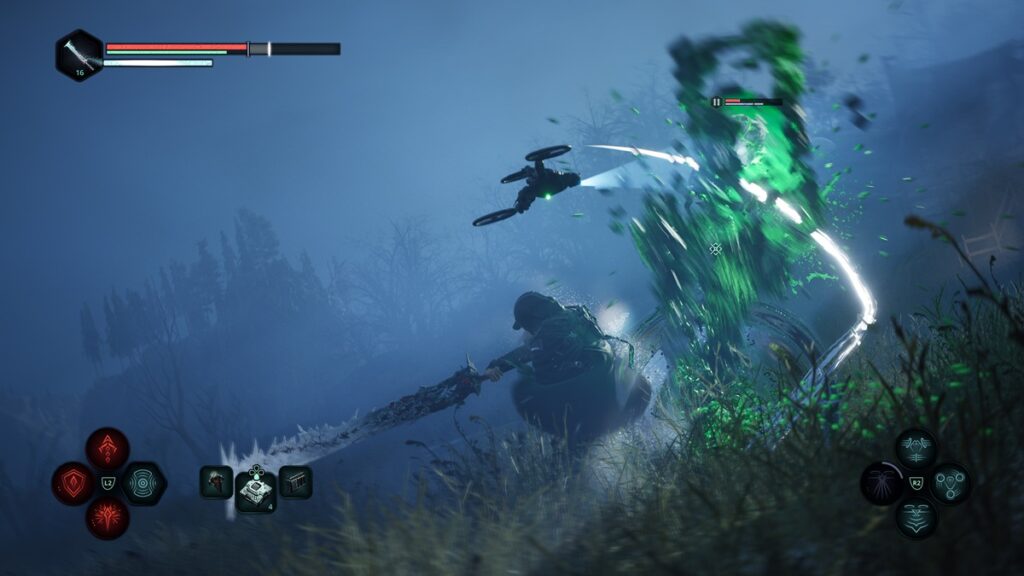
Unfortunately, the average player has no idea what their display’s maximum nit rating is. When presented with complex calibration screens, they are often left guessing. A player might feel an environment looks too dark and instinctively push an in-game brightness slider up. Doing this doesn’t actually fix the underlying issue, but often clips bright elements, transforming vibrant fire effects, magical elements, or skyboxes into washed-out, uniform white blocks. When a game looks faded or lacks contrast, players rarely blame their television calibration. Instead, they assume HDR has resulted in worse image quality.
Our integration of the new HDR technology standard optimized our rendering pipeline to avoid this user pain point. By communicating directly with a compatible screen, the game automatically retrieves its exact physical capabilities, including maximum, mid and minimum luminance values. It then configures appropriate internal defaults based on the player’s actual hardware capabilities. This completely eliminates user calibration errors, drastically reducing instances of blown-out highlights or dampened shadows.
Beyond the benefits for the player, implementing this framework early in production solved a massive internal headache. In our game studio, everyone from the art director to the environment artists and lighting designers needs to see the exact same visual baseline. Normally, this requires purchasing identical monitors for every workstation and dedicating significant hours to constant calibration. By introducing automated display configuration early in our development cycle, we established a consistent, validated visual baseline across our entire team.
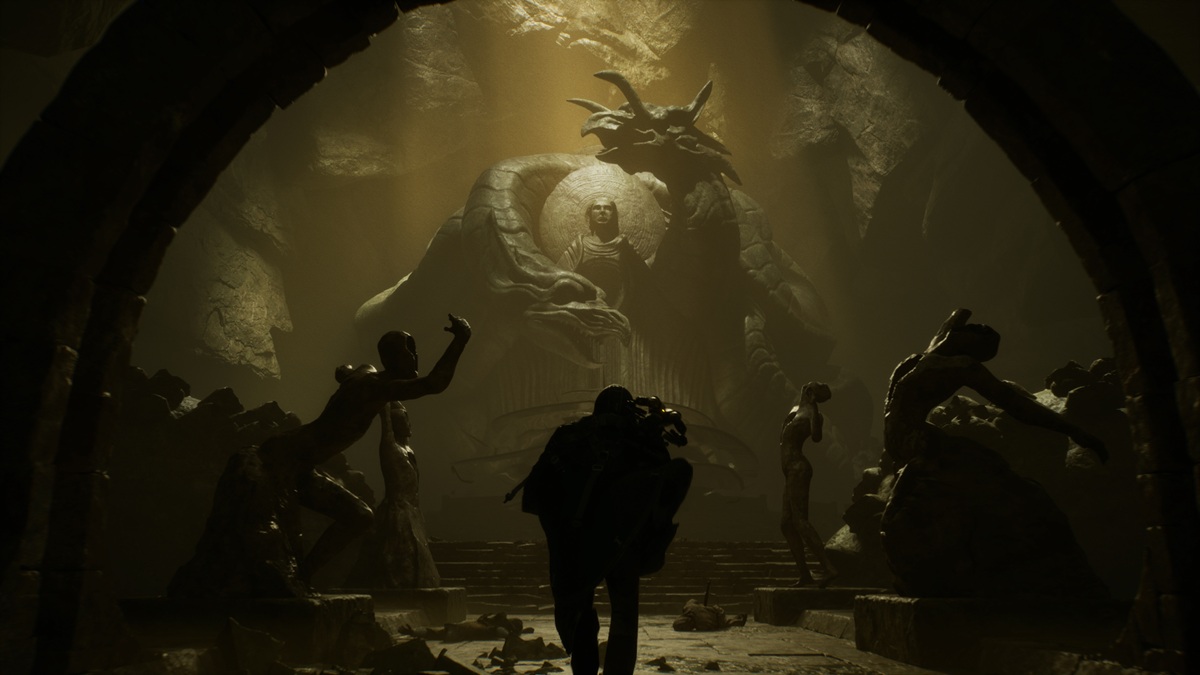
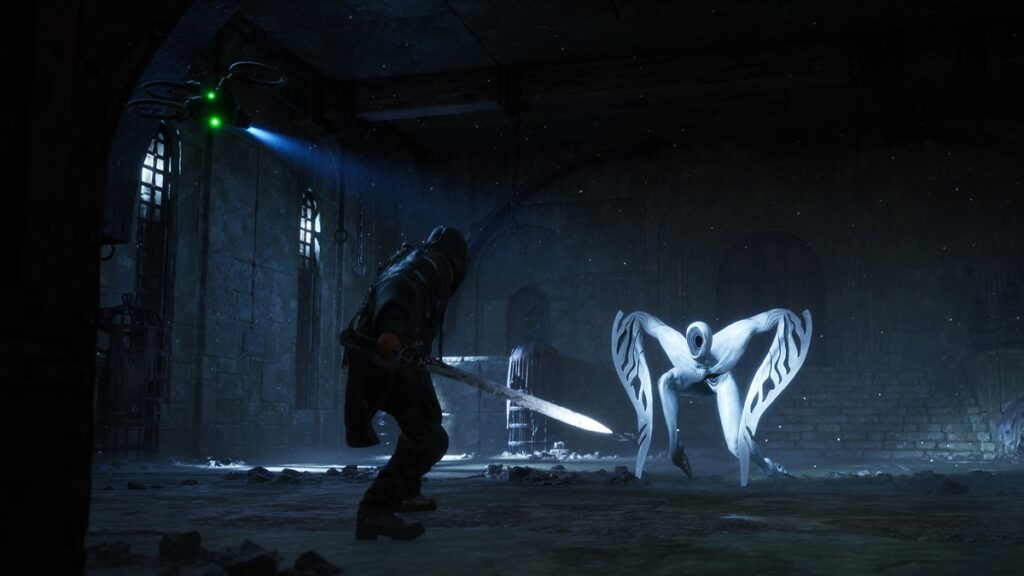
In practice, the benefits of this display-aware technology became apparent in environments that rely heavily on extreme contrast. In Hell is Us, an early dungeon area called the Lymbic Forge serves as a perfect case study. It is a deeply atmospheric, dark subterranean space illuminated primarily by highly localized torchlight, populated by enemies composed of brilliant, highly reflective crystalline structures.

In a traditional HDR setup, this environment is a balancing nightmare. If the player’s screen is incorrectly calibrated, you either lose the dark, oppressive texture of the ancient stone walls to pure blackness, or the intense highlights of the crystals blow out into flat, blinding white blobs, stripping away their geometric detail. With automated display communication active, the game correctly balances these contrasting elements simultaneously.
Ultimately, while our development team saw improved results, the difference remained unclear to those at our studio who were not involved in the day-to-day details. Near launch, we coordinated a press event at our studio where we built a demonstration room featuring more than a dozen different HDR displays running Hell is Us. When we fired up the builds, every single monitor displayed a beautifully consistent, correct image.
The reaction from visiting journalists was immediately positive, but the most profound impact was internal. Many of our team members did not have high-end HDR setups at home, and seeing the game running simultaneously across a massive wall of correctly configured screens gave the entire team a new appreciation for the visual quality of the work our development team accomplished. It was a clear moment where everyone could step back and see our collective artistic vision realized exactly as intended.
For studios currently evaluating their next-gen display pipelines, my advice to fellow developers is to look at tools that reduce friction for both your team and your audience. We chose to incorporate this standard, HDR10+ GAMING, because it delivered clear, tangible benefits with virtually no downside. As displays continue to evolve with wildly varying peak brightness capabilities, we cannot continue to rely on the player to fix our image for us. By building display-aware technology directly into our engines from the start of production, we protect our art and ensure that players experience the exact world we spent years building.
Edgar Parente is executive technical director at Rogue Factor. This guest post is solely the opinion of the author Edgar Parente.