
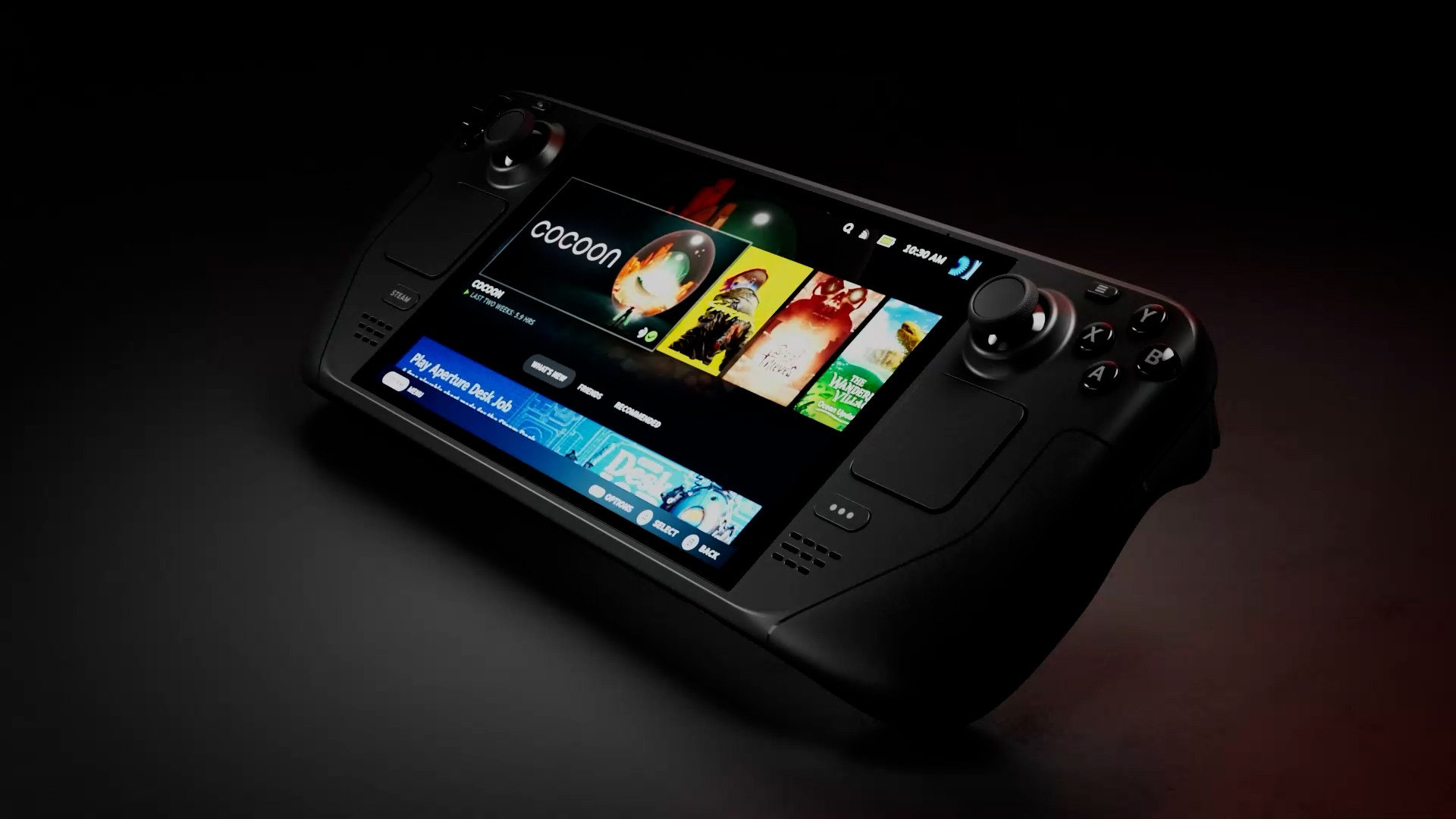
Unity announced at this year’s Game Developers Conference that it’s rolling out official support for both Steam and Steam-native devices, such as the Steam Deck and the unreleased Steam Machine. It’s also planning to make targeted enhancements to its Linux runtime and to improve the Linux player so that developers don’t need to rely on Proton.
James Stone, Unity’s technical director of product for platforms, said during the company’s GDC livestream, “Prior to Platform Toolkit, we’ve never actually officially supported Steam in the past. It’s always been up to developers to integrate Steamworks themselves, and publish and support their titles on that platform historically. On Steam Deck, many of you have been finding success with Proton, but I think we can do better with a native solution.”
This aligns with Unity’s previously stated intention to enable creators to deploy their products on every major platform. Unity CEO Matt Bromberg said at last year’s Unite event, ““We’re putting developers in control of their own success — giving them real choice and the power to do it all seamlessly inside Unity.” To that end, Unity intended to launch its Platform Toolkit everywhere.
The Steam Machine itself is not presently available, though Valve is still targeting a 2026 launch. The company announced recently that it was unable to share price and release details, as “the memory and storage shortages you’ve likely heard about across the industry … mean we must revisit our exact shipping schedule and pricing.”