
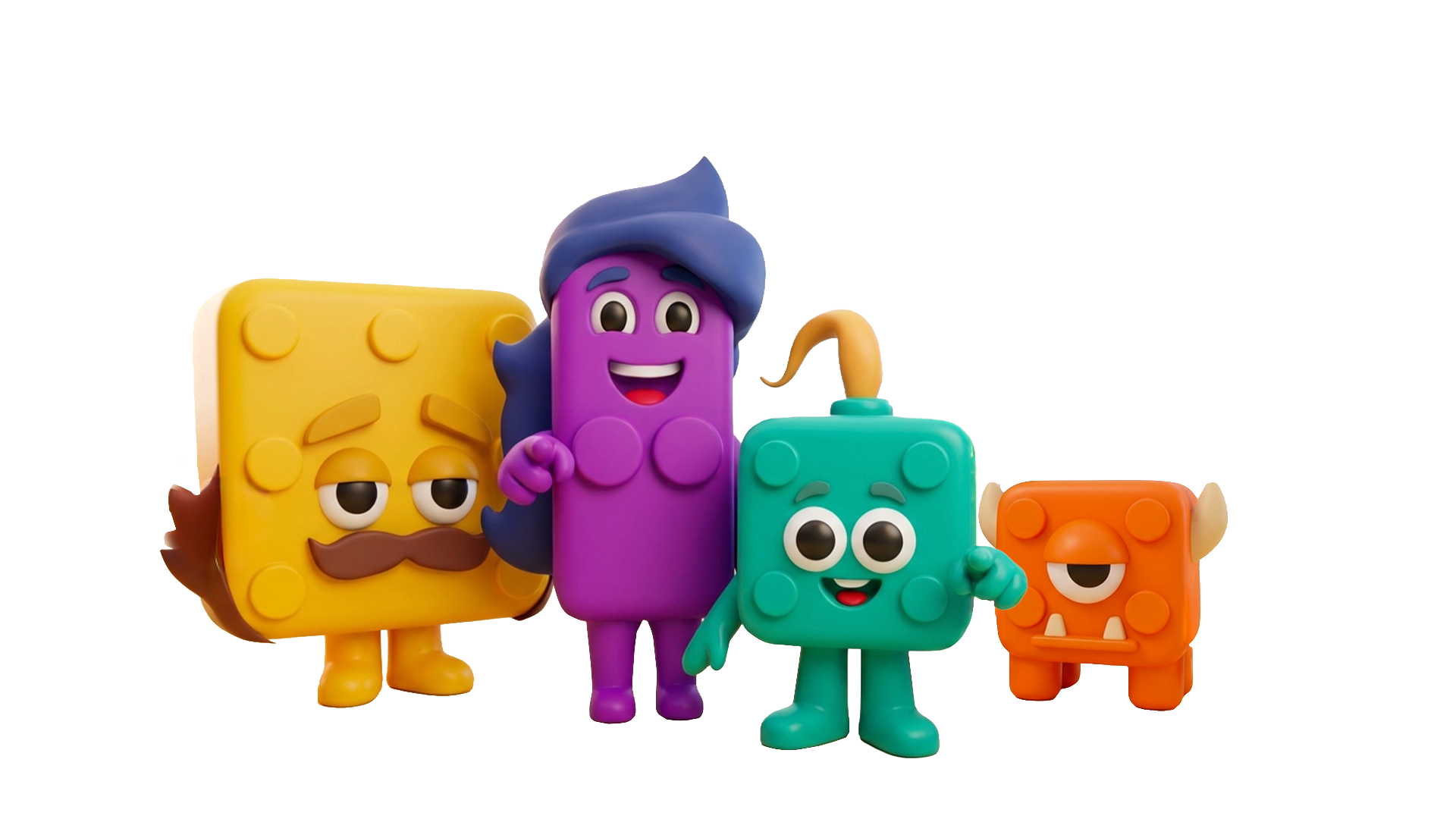
Amid a rapidly evolving mobile gaming market, Rollic’s new chief executive officer is looking to maintain the company’s competitive advantage.
Nihat Albayrak joined the mobile game company Rollic in early 2019, rising through the ranks as the company was acquired by Zynga in 2020, then moved under the Take-Two Interactive umbrella following Take-Two’s acquisition of Zynga in 2022. As Rollic’s vice president of revenue operations, he helped steer the company through the June 2024 release of the wildly popular Color Block Jam, which generated $100 million in bookings for Rollic in its first year. At the moment, Rollic employs about 140 full-time staff, with plans to expand further in the coming year.
In July 2026, Albayrak stepped up as Rollic’s chief executive officer, taking the reins from Rollic co-founder Burak Vardal. To learn more about the impact of Color Block Jam, the evolution of Rollic, and the ongoing challenges facing the mobile market, GamesBeat spoke to Albayrak for his first interview since taking on the CEO role.
The following conversation has been lightly edited and condensed for length and clarity.

GamesBeat: Why were you appointed CEO at Rollic? What’s your primary goal as you steer the company into the future?
Nihat Albayrak: I’ve been with Rollic for over seven years, so I experienced the company’s journey from the early days and saw the great results we achieved together. So, for me, this isn’t about starting from scratch; it’s about building on what we have already achieved and bringing the product to the next level. My main priority is to preserve our creative and entrepreneurial spirits while bringing even more focus and strong execution to how we grow together.
GamesBeat: Let’s say we have this conversation again a year from now. What would you like to look back at as the big accomplishments?
Albayrak: Rollic is always able to release hit titles back-to-back every year, so of course, I want to keep that track record as much as possible, while improving that approach. But in today’s business, it’s not only about releasing hit games; it’s how we keep them alive throughout the years. For the next year, when I look back, if Rollic is still able to release hit games back-to-back while keeping already-released hits like Color Block Jam as evergreen titles, I will count myself as successful.
GamesBeat: What percentage of Rollic’s current business is driven by Color Block Jam?
Albayrak: I can say close to half, but less than half.
GamesBeat: How has Rollic’s relationship with Zynga evolved over the years?
Albayrak: It’s a very balanced and beneficial relationship. Being part of Zynga — and also Take-Two, by the way — gives us a lot of advantages, in terms of global scale, resources, and access to expertise. It allows us to pursue bigger options and ambitions together, but at the same time, preserving our entrepreneurial creativity and speed that made Rollic successful is very important to us as well.
GamesBeat: You mentioned being under the Take-Two umbrella. Take-Two has GTA 6 coming out this year. Is there any way that you are able to benefit from that, or grab onto some of that excitement?
Albayrak: At the end of the day, we are operating under different organizations, in terms of mobile and PC. But it’s literally one of the most exciting events in the whole gaming industry, and being part of Take-Two really improves the excitement level. We are even thinking about an extra day off for the whole team, so they can enjoy the experience together.
GamesBeat: How is Rollic applying AI to its development process right now?
Albayrak: It today’s world, it’s one of the regular things of working life — it’s like using the internet — so it’s really part of the whole operation. The key part in that usage is not using the AI to replace your own workflow, because it will just be automating a couple of tasks at the end of the day, and its advantage will be limited. So, the key part will be always questioning our workflow: Should I do this, or should I change my approach to how we are doing that part of the business, thanks to AI?
GamesBeat: Rollic’s focus has traditionally been hypercasual games, and I’ve seen mounting speculation about how generative AI will flood the market with “AI slop” hypercasual titles. How is Rollic preparing for this potential future?
Albayrak: First of all, competition is always best, because it pushes everyone to make the most original thing, and the most quality thing. AI might bring more democracy to everyone, to help develop their games much faster. The critical part will be who is using those AI tools. Maybe the number of games developed in the industry will increase, but at the end of the day, there will be a natural selection based on the quality of your products. Take a look back at the boom of hypercasual during the pandemic: at some point, there were maybe hundreds of new games per day, but only a few were able to survive, based on their quality.
GamesBeat: One more question. It’s been about three months since you took on the role of CEO. Have you made any organizational or structural changes?
Albayrak: Being part of the whole Rollic journey from scratch, I didn’t make any big changes internally, because I was part of that journey from the beginning. Organizationally, we are still very similar from since I started working on revenue. We don’t want to just create great games; we want to build a great organization that can keep creating those games as well. While I am keeping the creativity and independent decision-making of the product teams, I’m also trying to bring more focus for more deep experiences for our users in the future.