
Presented by Nitrado
In today’s massive gaming market, launch execution can decide a game’s fate. Modern multiplayer games are built on ambitious design goals, but their success increasingly depends on what happens at launch and in the weeks that follow. A failure during launch can damage retention and undermine years of development. For studios and publishers, infrastructure must be treated as a core part of the product, not an afterthought.
Studios typically deal with two server realities: the official infrastructure they run for multiplayer, and the private server ecosystem players run themselves. If a game supports both, they need to be ready on day one. Nitrado operates in both worlds: official server orchestration through GameFabric and private servers at scale, and can help studios navigate these challenges.
Official servers make or break multiplayer
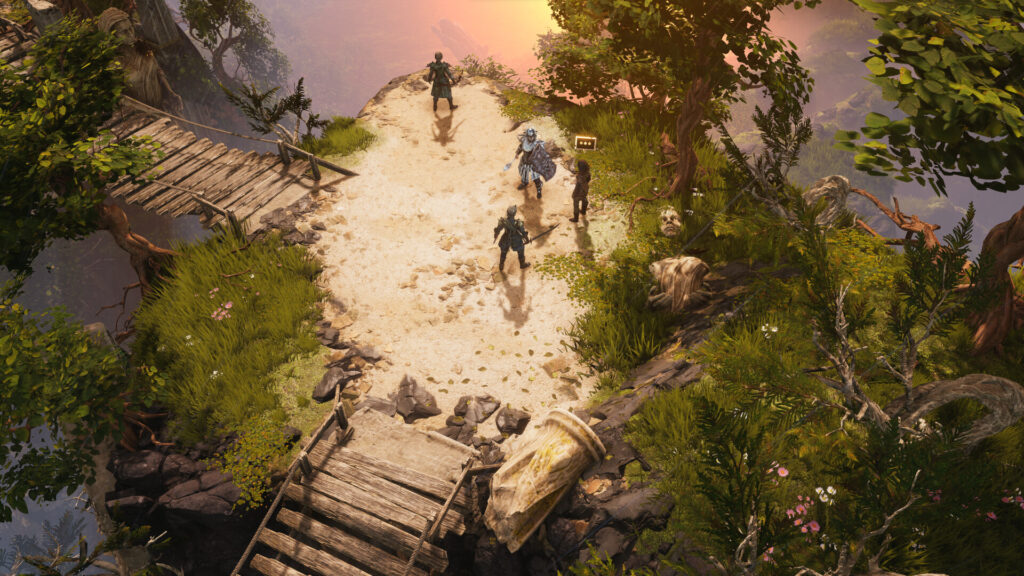
Official servers carry the weight of every multiplayer experience, and how they are managed can make or break a launch. Eleventh Hour Games’ Last Epoch illustrated this to the highest degree when the 1.0 version officially launched in February of 2024. It brought in 264,000 peak concurrent players. That’s a playercount that the majority of studios in the game industry dream about at launch. But an outage could have quickly seen those numbers dwindle.
Partnering with Nitrado’s GameFabric platform, the studio managed more than 156,000 servers to support the sharp spikes in player demand.
“During launch, every system is pushed beyond its theoretical limits,” Nitrado head of B2B Andreas Pohl explained. “You encounter ‘unknown unknowns’ – request patterns and player behaviors that never appeared in testing, requiring a plan that prioritizes adaptability over rigid assumptions.”
Launches rarely follow a smooth ramp. Bottlenecks appear, traditional metrics like CPU or RAM aren’t enough for autoscaling, and systems must be session-aware, keeping active matches online while freeing idle resources to avoid wasted costs.
“Day-one stability isn’t about having ‘enough servers,’” Pohl added. “It’s about how orchestration, matchmaking, provisioning, and retry behavior interact under extreme load.”
GameFabric abstracts away differences between bare-metal and cloud infrastructure, providing a high-performance baseline while elastic cloud resources absorb spikes. For Last Epoch, that meant players could join sessions seamlessly, even at the height of global demand. Eleventh Hour Games had the ability to control hosting capacity, and the costs, at any time throughout its launch period.
Private servers from optional to essential
Private servers are community-hosted game servers that let groups run their own worlds with configurable settings, often including access controls, admin tools, and (where supported) mods, separate from the studio’s official servers.
For studios, they’re more than a nice extra. Done well, private servers turn into a retention engine where communities build their own events and content. They can absorb some of the spike traffic that would otherwise hammer official infrastructure. When launching with private servers, thousands of players expect servers to be hosted reliably, and any failure could fragment communities, degrade performance, and overwhelm support.
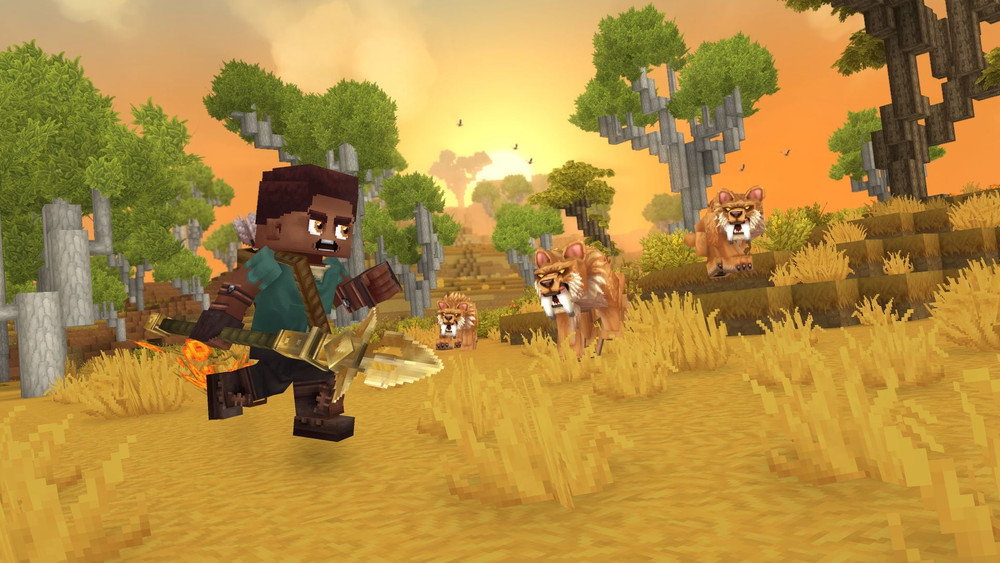
Hytale, a fantasy-focused sandbox role-playing game, is another title that saw massive player interest when it launched in January of 2026.
Nitrado worked with Hypixel Studios to prepare for the launch, testing CPU and memory behavior under real-world patterns and planning for unpredictable demand. At launch, large volumes of private servers came online, ensuring a smooth experience for players worldwide. Nitrado supported as a launch partner with hands-on expertise, while providing private server hosting for players
“Studios shouldn’t be afraid to plan for private servers from day one,” Nitrado CTO Felix Oechsler said. “Plan them early, treat them like a launch feature, and work with a partner who’s done it at scale, otherwise week one is full of players saying, ‘I can’t join my friends.'”
Private servers drive player creativity and long-term engagement. Sandbox, survival, and mod-forward games rely on this reliability to keep communities active and experiences running smoothly.
Beyond reliability, private servers act as innovation infrastructure. Admins push technical limits with high concurrency, custom mods, and complex rulesets, while communities create social hubs, curated worlds, and roleplay experiences. This early feedback exposes edge-case issues before they affect the broader player base, and it can materially extend a game’s lifespan by letting players create content and communities the studio doesn’t have to ship on its own.
“UGC is the key to longevity in gaming,” Oechsler said. Whether it is an established titan like Minecraft or Ark, or a new title like Hytale, community-driven mods and content are what ensure players remain deeply invested in a game’s ecosystem.
Security That Works
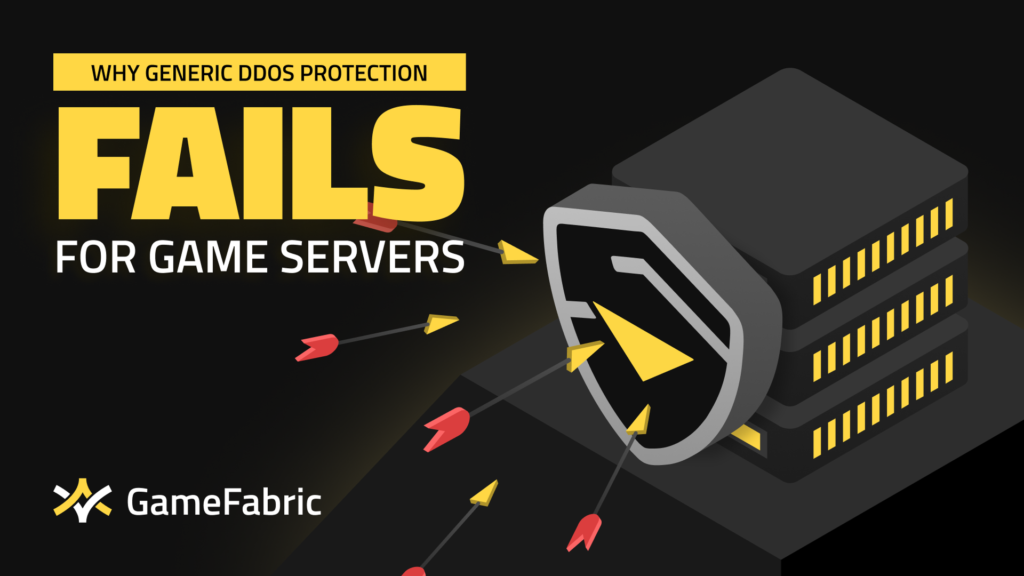
Multiplayer games create traffic patterns that generic DDoS protection can’t handle, making game-aware security essential for stability and player trust.
“Relying on generic DDoS protection and calling it ‘done’ is a common mistake,” Oechsler said. “Always on and Game-aware mitigation integrated into the infrastructure is essential for maintaining fair play.”
Multiplayer games face major, common risks in today’s online landscape, including hackers disrupting matches, bots causing issues, and attacks that mimic normal player activity. Done correctly, these steps keep gameplay fair, reduce disruptions, and protect the studio’s reputation.
Operational maturity separates the winners
Both major blockbuster experiences and mid-sized multiplayer games have had launches plagued by spotty connectivity and limited access, destroying studios’ and games’ reputations on their first impression with the player base. These operational failures underscore how everyone, even high‑profile teams, can struggle without strong launch operations.
Even with robust technology, launch success often comes down to operational discipline. Game servers and orchestration are frequently treated as late-stage priorities, leaving teams to manage complex distributed systems under extreme pressure.
“Infrastructure tends to fail at the worst possible moments, usually when nobody is actively working on it,” Pohl said. “Live operations and server management aren’t just technical problems; they’re organizational ones. We’ve built redundancy, on-call structures, and high availability across many customers so studios don’t have to learn these lessons for the first time during a launch.”
Launch week is the ultimate test for any studio. Official and private servers, when ready from day one, are the foundation of the player experience and retention. Studios that focus on server stability, orchestration, and security throughout development will be ready for the chaos of day one. With preparation, fantastic game design can shine where it matters: in players’ hands.