
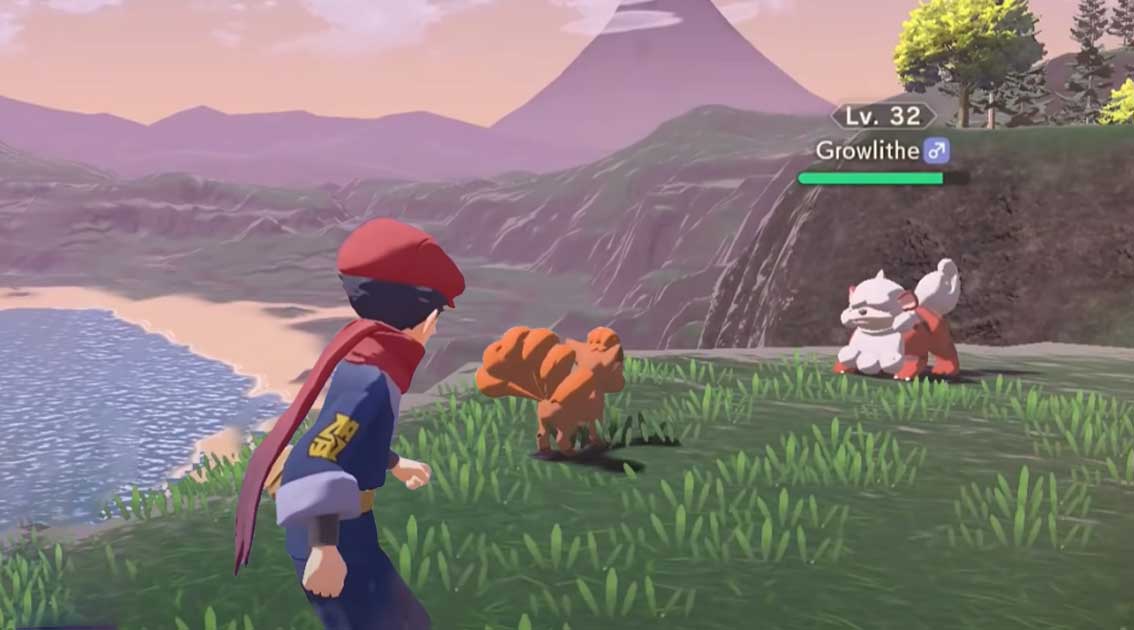
Nintendo was recently awarded a patent by the United States Patent and Trademark Office (USPTO) that covers the game mechanic of summoning a sub-character into a game. It’s a little more nuanced than that, but that’s the overall gist of it.
The patent itself, specifically US Patent No. 12,403,397, was filed in March 2023 and was just awarded earlier this month on September 2, 2025.
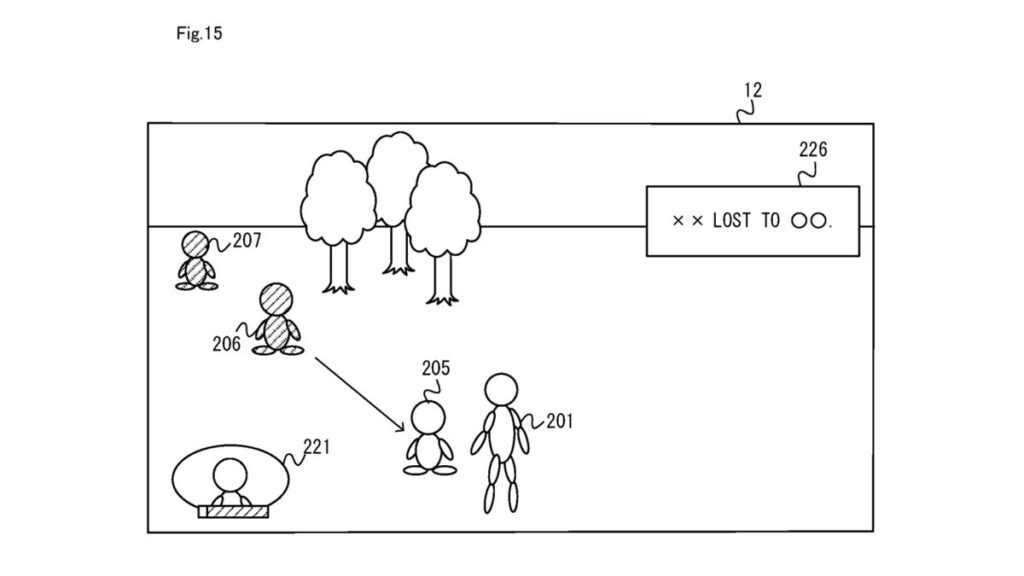
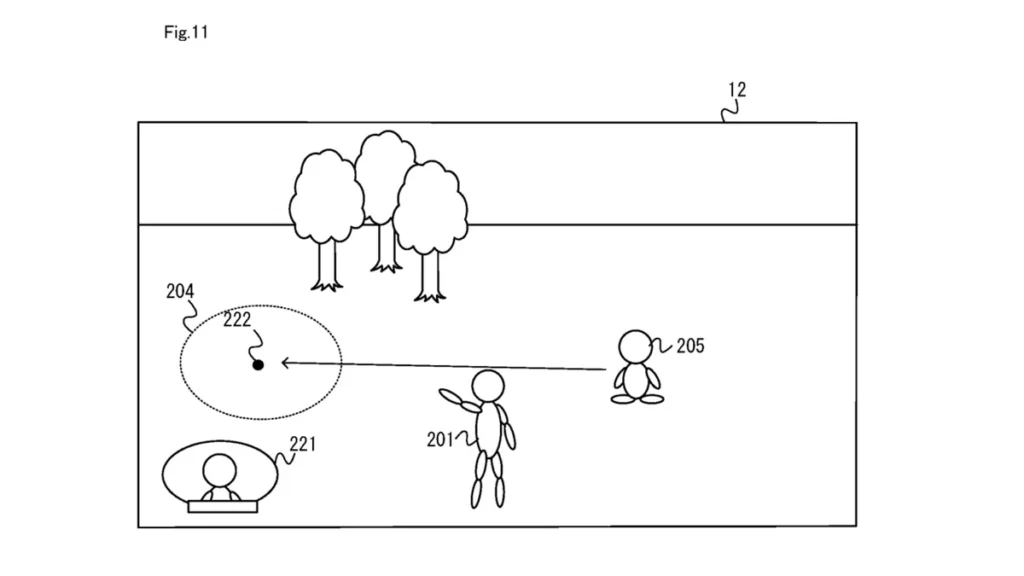
When reading the language of the patent, I was extremely surprised by how imprecisely everything is described. According to the text, the patent covers “causing a sub-character to appear…based on a first operation input,” or in other words, taking an action like throwing a ball or casting a spell to summon a secondary character.
Furthermore, it covers other related scenarios as well. Specifically, it mentions, “starting automatic control of the sub-character,” when no enemy is around, or rather, built-in AI causing your sub-character to act on its own in the absence of an enemy to fight. It even covers controlling sub-character movement by issuing commands or even allowing a battle to “automatically proceed.”
If all of that sounds shockingly vague, it’s because it is. (We’ve asked Nintendo for comment).
How did this happen?
“It’s crazy to me these patents are being approved, and their approval has the potential to be a major disruption in the market, or at the very least, passively make games worse since devs will elect to not include certain mechanics in their games out of fear,” Voyer Law associate, Haley MacLean, said in an email interview. MacLean specializes in video game law, as well as corporate, tech, and IP law for her clients.
MacLean added, “Nintendo and other companies have been filing game mechanic patents for decades now, but the last few years, especially, they have been really testing how vague their language can be while still getting it approved. Software patents are tricky because historically, software can be patentable. But what we see happening is ideas, which are not patentable material, being approved in the USPTO patent system because they are described in such a way as to appear like it’s the software itself that is being protected and not the idea that is being executed via the software.”
A presumably large part of the patent approval process is the USPTO’s burden to determine the novelty of the mechanic, and access prior art to determine if it already exists either as public domain or protected IP. That’s part of what makes Nintendo’s being granted this patent so perplexing.
“You can almost track when Nintendo specifically started leaning on patents more than copyright after the decision from the case of Atari Games Corp v Nintendo of America (1992), when it was decided that reverse engineering was not inherently copyright infringement, but Nintendo’s patents were still enforced against Atari. Since then, it’s been patents, patents, patents,” MacLean said.
Notably, Nintendo is not alone. In fact, Sony actually leads the game industry in patent filings around the globe. It’s a common practice, generally speaking, but the timing of Nintendo’s latest patent and the circumstances around it, as well as how it was even granted, is what’s so bizarre this time around.
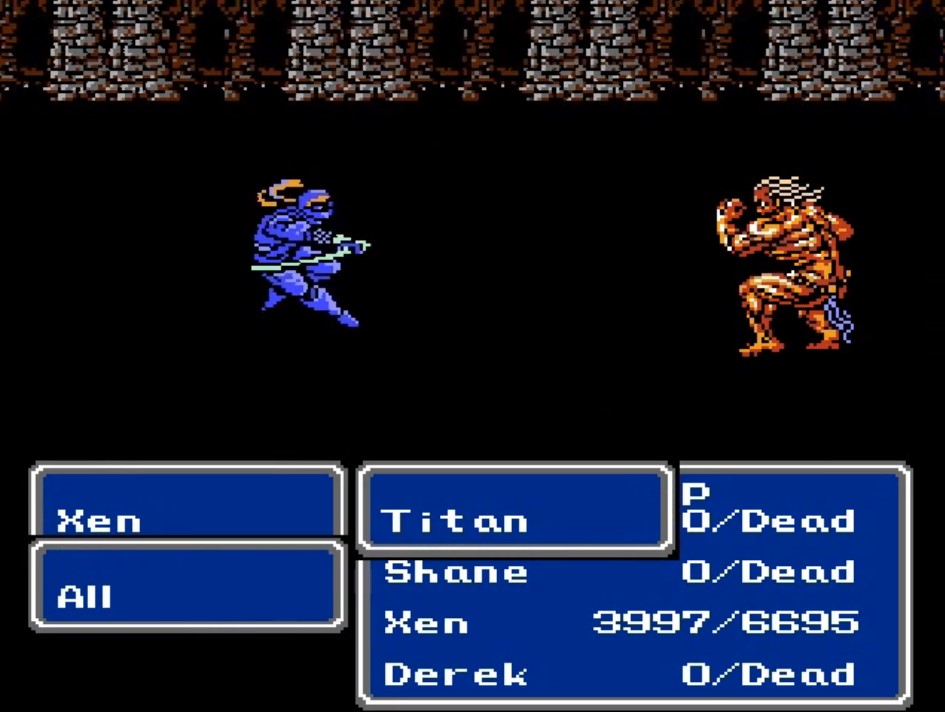
Anyone who is even loosely familiar with video games has likely played a game that had a summonable character long before the first Pokémon games (Pocket Monsters Red and Pocket Monsters Green) were released for the Game Boy in Japan back in 1996. Games like Final Fantasy, Shin Megami Tensei, and Dragon Quest all include summonable characters and predate Pokémon by nearly a decade.
If we go back further, dating back to the early ‘80s, even the classic Ultima games featured spells that summoned creatures during battle, which could auto-attack enemies.
“It’s worth noting Nintendo filed almost zero prior art with their summoning patent, and it somehow still was approved,” MacLean said. “That is the issue when ideas guised as software get approved for patents. Would prior art be not only every video game ever made, but every single mechanic in every video game ever made? How is the USPTO supposed to verify that?”
Beyond prior art, a patent isn’t supposed to be obvious to “a legal concept called a ‘POSITA’ (person of ordinary skill in the art),” MacLean said. “So, for example, if we were talking about a patent for a computer chip, a POSITA might be a technical engineer. You are then supposed to view whether the patentable material is obvious to someone with that level of experience. If it is too obvious, then it cannot be patented. For game mechanics, a POSITA would be who? A game developer? Someone who has played and reviewed every game mechanic ever made? How is the USPTO supposed to maintain a database of that information for prior art reviews? This is what happens when ideas are approved as patents: all the other legal processes for patentability cease to make any sense and seem impossible in the context.”
What does it mean?
Assuming a patent like this holds up, it means Nintendo could potentially make violation claims against any game developer who aims to implement a mechanic similar to the one described. Or, in other words, if you make a game with summonable characters, there’s an outside chance Nintendo could decide to take you to court.
“The issue in the games space is that an entity would have to either go to court to defend its so-called patent infringement or attempt to get the patents removed themselves, both extremely expensive processes,” MacLean said. “The filing fee alone for an Inter Partes Review in the US is $41,500, and for a Post-Grant Review it’s $47,500. Add legal costs on there and we’re talking hundreds of thousands of dollars, maybe millions.”
Patent reform in the gaming and tech industry is a popular topic right now. In fact, Nintendo was on the other end of a patent infringement claim for game controller design years ago. The whole system seems a bit broken at this point. Unless, of course, there is ever consideration to go the other way and simply allow developers to adopt mechanics that are already patented if they are used for the betterment of the industry, like the Patent Pledge system from Electronic Arts. It seems unlikely that would happen in this case.
“Nintendo is also extremely strategic with who they enforce these patents against,” MacLean said. “They wouldn’t want an opposing party to be too big to have the capability to challenge the validity of their patents, and they wouldn’t want one too small so a lawsuit wouldn’t be worth it. They wait on the sidelines and cherry-pick who they want to enforce them against, waiting for ‘white whale’ infringers who are profitable enough to recoup their legal costs but small enough not to challenge them back too aggressively.”
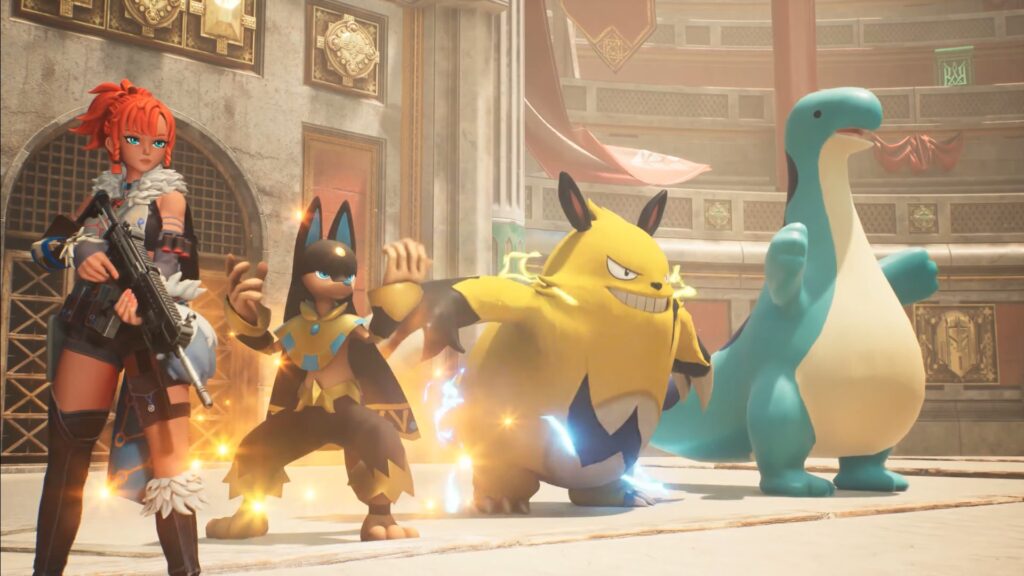
Does that mean tiny indie studios are mostly safe? Well, not necessarily. Nintendo has a track record of enforcing its patents and could decide to do so at any time, as we’ve seen with Pocket Pair’s Palworld.
“It creates a fear of retribution in the marketplace,” MacLean said. “It will make games worse. Developers have to either, 1) Pay exorbitant amounts of money to try and get the patent invalidated, but no one will want to take that on; 2) Request a formal license from the patent holder; 3) Release the game with a similar mechanic anyway and hope nothing happens; or 4) remove the similar mechanic.”
Over the past few years, it’s become much more than just a theoretical fear. Particularly now that Nintendo is seemingly successfully patenting mechanics that not only predate their own games, but arguably seem to be so common as to be far too nebulous to truly stake a claim on. How are developers supposed to be prepared with patents like this being granted?
“In the last couple of years, a growing number of my indie game clients have expressed concerns over potential patent lawsuits, which historically has never been as big an issue for indie-sized devs,” MacLean said. “But indie games are starting to make AAA-type money. Look at Silksong breaking down game distribution platforms. Nintendo could just as easily aim its sights on devs like them if they start to make enough money, meaning they could be punished for success. I don’t want to have to do patent searches for my game developer clients. If they were making consoles or game engines, then sure, patent searches make sense, but for their basic game mechanics ideas? It makes no sense, and indie developers don’t have the money early on to pay for that.”