
Horizon Worlds is on the cusp of a significant expansion to its avatar clothing swap functionality.
Meta’s metaverse platform made a quiet comeback over the past year, thanks in large part to the company’s decision to pivot to a mobile-first user experience, part of a range of ongoing updates to Horizon Worlds in 2025. Another of these updates was the ability for creators to design and sell avatar clothing items inside their experiences, which Horizon Worlds rolled out over the summer. Since then, popular Horizon Worlds experiences like “Profit or Perish” have implemented avatar clothing items.
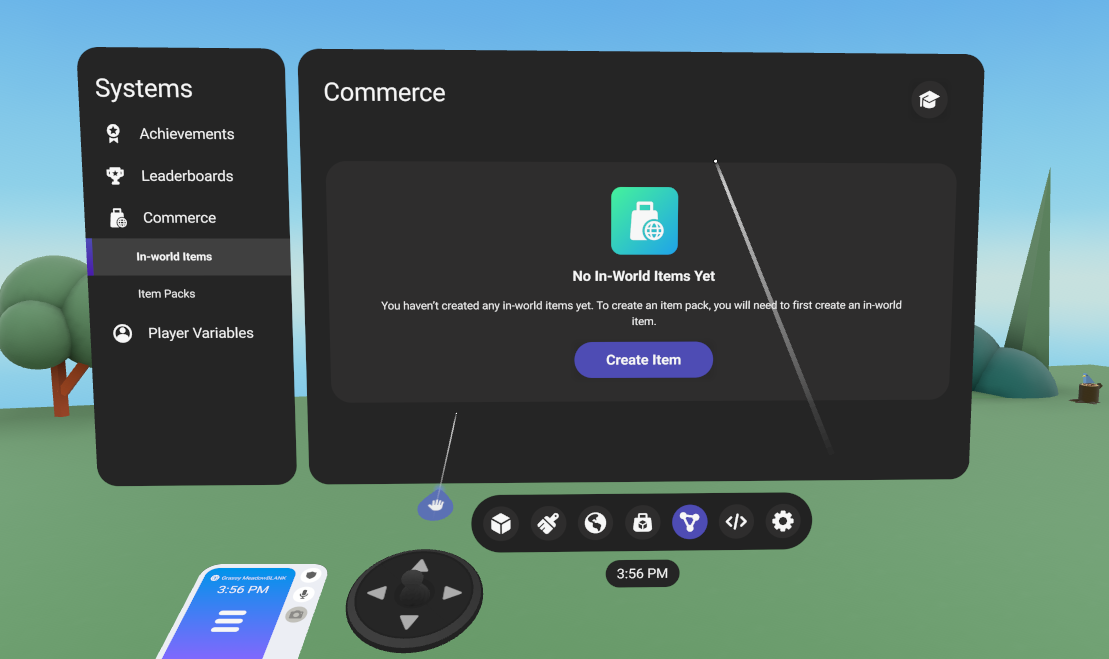
Going into the new year, Meta is investing more resources into updating Horizon Worlds’ avatar clothing swap system, according to Meta senior director of product management Sean Liu in an interview with GamesBeat, although he declined to share more details. Meta is soon planning to make clothing swaps faster and enable more types of gameplay with clothing editing at their core, according to a company representative.
“We’ve basically been looking at, ‘What are the top titles and creative theses that creators have, and then how do we go to unlock them and give them certain capabilities?” Liu said. “We really tried to take a creator-first lens.”
As Meta looks to woo more user-generated content creators over to Horizon Worlds, the company is actively listening to creators about their needs and desires and implementing changes to Horizon Worlds accordingly. Avatar clothing swaps are one example of a function that was in high demand.
“There’s a game called ‘Merge Kitties,’ which is a match-two-ish game,” Liu said. “It runs on portrait mode, where most of our titles were all landscape before. It turns out, for mobile, you should probably also support portrait mode.”
Expanding Horizon Worlds’ avatar clothing swap options — and enabling gameplay around clothing swaps — represents another step forward for Horizon Worlds as the platform looks to compete with older, more established metaverse platforms like Roblox and Fortnite. On Roblox, skins and avatar items are the core of a robust economy, with some creators able to make millions of dollars per year on so-called UGC items. On Fortnite, players spend millions of dollars every year on in-game skins and items, and the platform plans to open up in-game item sales to creators and their worlds in January 2026.
For brands and advertisers, in-game items and avatar clothing are a key touchpoint with virtual consumers — and as Meta vies to convince more brands to dip their toes into Horizon Worlds, built-out avatar item tools on the platform offer another source of potential value for advertisers.
“I think clothing swaps are a smart move. Avatar customization has been one of the strongest drivers of engagement and creator monetization in gaming,” said Sami Barnett, the senior director of gaming at the advertising agency The Marketing Arm. “For brands, it’s an easy entry point for culture-driven items and collaborations that feel authentic to players, while also giving creators new ways to earn and connect with their audiences. If executed well, this feature could play a key role in driving overall platform growth.”