
Presented by Overwolf
User-generated content (UGC) has become a foundational layer for game longevity, but building it goes far beyond mod support, requiring infrastructure for discovery, monetization, safety, advertising, and scale.
With more than $800 million paid out to creators, 113 million monthly active gamers, and partnerships across Warner Bros., Krafton, Hypixel Studio, and Studio Wildcard, Overwolf has positioned itself as a core infrastructure layer for the growing creator economy in games.
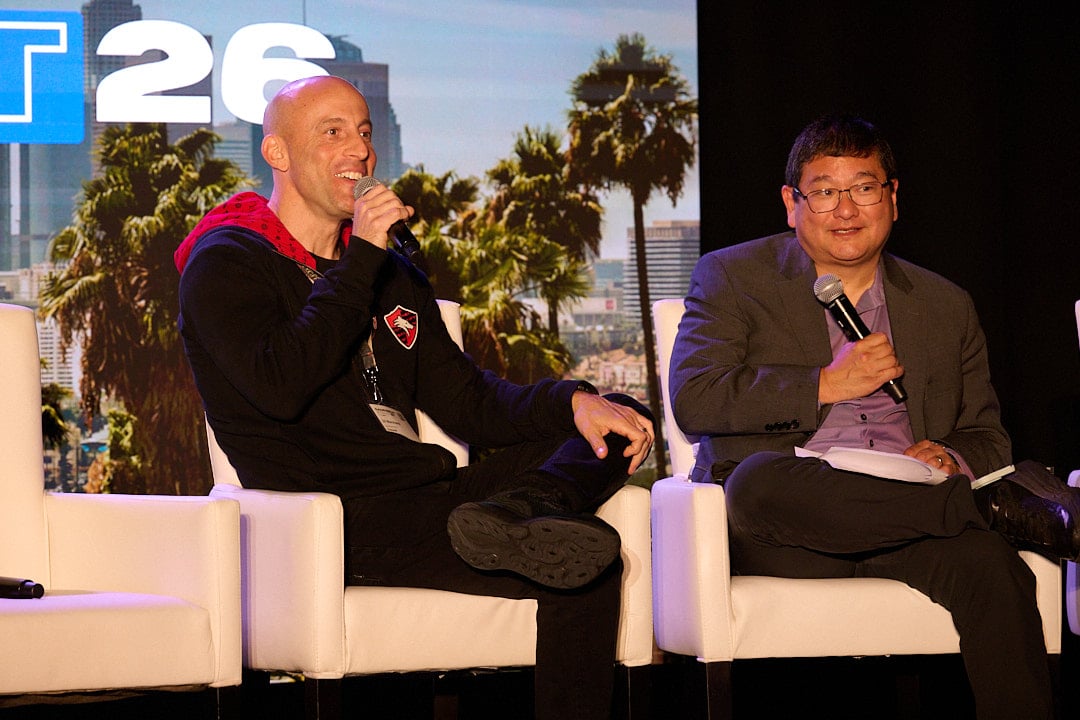
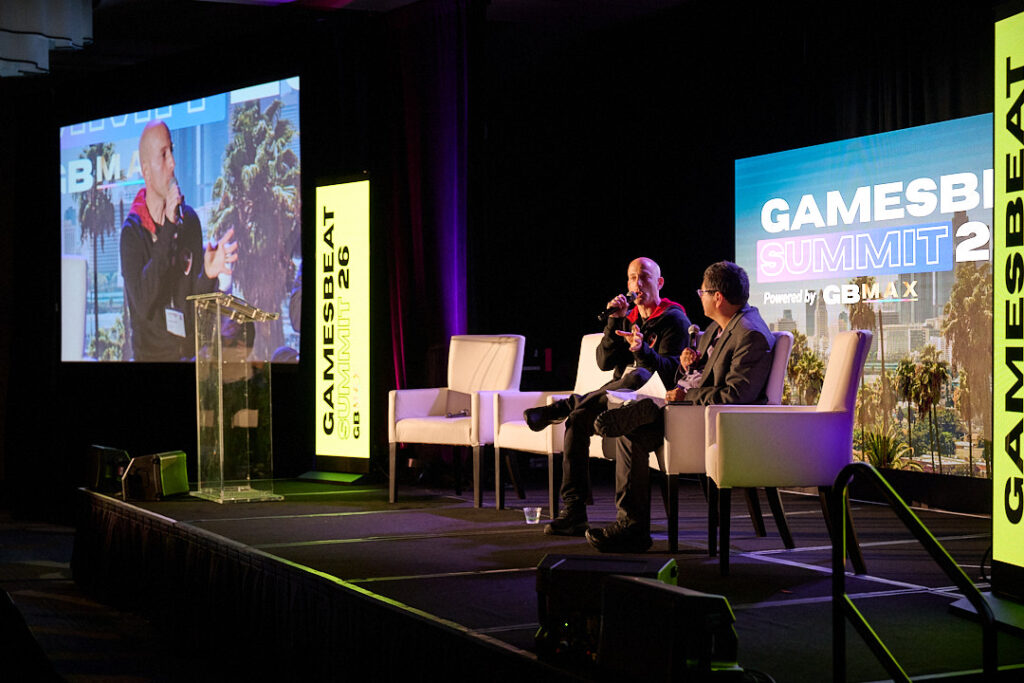
In a sponsored fireside chat at GamesBeat Summit, Overwolf CEO Uri Marchand joined GamesBeat editorial director Dean Takahashi to discuss how the company built what he described as an operating system for UGC, what it actually takes to operationalize creator ecosystems, and why studios investing early in UGC are increasingly pulling ahead.
What a community-driven game actually means
Every game developer does playtesting and listens to player feedback. Marchand draws a sharper line for what counts as community-driven.
“The way we define community-driven games is games that think about creators as co-creators of the experience,” he said. Rather than just collecting feedback and iterating on it, these studios invite creators to build alongside them.
That distinction shapes everything Overwolf offers. The company helps developers build creation tools, then connects them to a community of around 184,000 creators who can actually populate a game with content. It also handles the parts studios rarely anticipate: live ops, moderation, curation, safety, discovery, payments, and go-to-market.
“A lot of developers don’t even know where to start,” Marchand said. “They say, sure, I want UGC for my game, but they don’t really know how to build creative tools. This is where it starts.”
Studios starting from scratch
While UGC has been a cornerstone of the game industry for decades, dating back to the 1980s when level editors first reached players, implementing it at scale remains unfamiliar for much of the industry.
“Oftentimes, even with Triple-A studios, they don’t even know where to start when building a creation kit,” Marchand said. “We’re taking them from zero to one.”
Tooling alone isn’t enough. A studio can ship a creation kit and hear crickets, or build one around guesses about what creators want and miss entirely. Overwolf functions like both a platform and an agency, maintaining a creator directory, matching studios with modders, and helping ensure ecosystems actually take shape before live-ops strategy keeps them going.
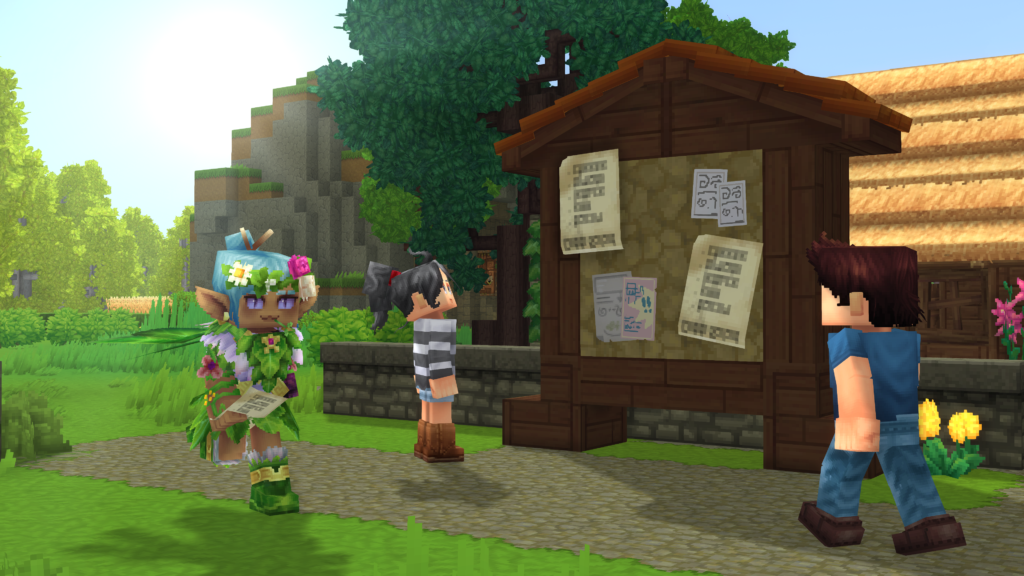
Uri referenced Hytale as a clear example. When the Hypixel Studios team spun out of Riot in late 2025, they came to Overwolf about three months out from launch, wanting a strong slate of mods and private server support ready on day one. Overwolf assembled what Marchand called a “mod squad,” recruiting some of its biggest creators to build content before the game shipped. Hytale launched with roughly 80 mods live. That number has since grown past 5000.
Real careers, not just hobby projects
The payouts add up to real income for a growing number of creators. Marchand pointed to Sandi, a stay-at-home dad in San Diego who started building and selling mods and now counts it as his primary source of income.
“This is similar to what’s happening with YouTubers or Twitch streamers or folks on TikTok,” Marchand said. “The same opportunity now exists in games.”
Private servers are another piece of that economy. Through Tebex, the commerce platform Overwolf acquired several years ago, the company powers more than 40,000 creator web stores. Many are run by young operators with loyal communities in games like GTA V roleplay and Minecraft, turning private servers into viable businesses.
Splitting revenue across studios, creators, and Overwolf
One of the most active debates in UGC today is revenue sharing, as platforms like Roblox and Epic Games set expectations across creator ecosystems. Roblox typically shares roughly 25 to 35 percent of revenue with creators after fees, while Fortnite’s Island Creator Program pays creators a share of item shop revenue based on engagement with their experiences.
“Our north star as a company is creator payouts,” Marchand said. “This is the one KPI, every single person in the company, at the end of the day, contributes to this number.”
Marchand was clear that the split depends on the role the infrastructure provider plays. When Overwolf is only handling payments, single-digit revenue shares can make sense. When it also owns advertising, go-to-market, payments, and distribution, that share scales to roughly 25 to 30 percent in line with the value delivered.
The IP owner ultimately sets the structure. At Studio Wildcard, the team behind ARK: Survival Ascended, creators can earn up to 50 percent on their mods, with Overwolf and the studio splitting the rest. In one unannounced AAA deal, Marchand said, the studio chose to give creators 75 percent.
“They said our business model around UGC is that we want players to discover content that generates more game sales and makes our game a forever game,” Marchand said. “So we’re cool with creators getting that.”
UGC as longevity for a game
Takahashi referenced ARK Raiders, the extraction shooter that saw strong commercial success in 2025, with more than 14 million units sold after launching with a relatively small team.
The transition from launch to live updates proved challenging, with the team moving away from monthly updates and concurrent player counts on Steam declining, though still remaining in the tens of thousands.
“You could tell players want something more,” Takahashi said. “Had they showed up with UGC at the start it could have been a different story.”
Marchand said it’s never too late to add UGC, pointing to Warner Bros. introducing it post-launch with Hogwarts Legacy. Still, retention tends to hold better when an ecosystem is built in early.
The engagement data backs the case. For successful UGC titles, Marchand said north of two-thirds of the community engages with mods. In ecosystems like GTA V roleplay and Minecraft, that penetration runs far higher.
Building forever games
Asked where AAA is headed, Marchand returned to co-creation.
“If you want to build a forever game, the opportunity to think about the community as co-creators is what’s going to unlock immortality for some of these titles,” he said. “That’s what I’m excited about.”