
Partner Content, Presented by Xsolla
Introduction By Berkley Egenes
Japan has long stood at the center of the global games industry, defining genres, shaping player expectations, and exporting some of the most culturally influential IP. Today, the market is evolving faster than ever. According to the GamesBeat Asia Pacific Market Report 2025, presented by Xsolla, Japan remains one of the most mature and profitable gaming ecosystems globally, driven by deep RPG traditions, loyalty to puzzle games, mobile-first engagement, and finely tuned monetization models.
While Japan remains a powerhouse of creativity and innovation, the region is also undergoing a shift. The rise of cross-platform ecosystems, service-based revenue models, and new forms of global competition is reshaping how Japanese publishers build games for domestic and worldwide audiences. Few companies are navigating these changes with as much strategic clarity as SEGA.
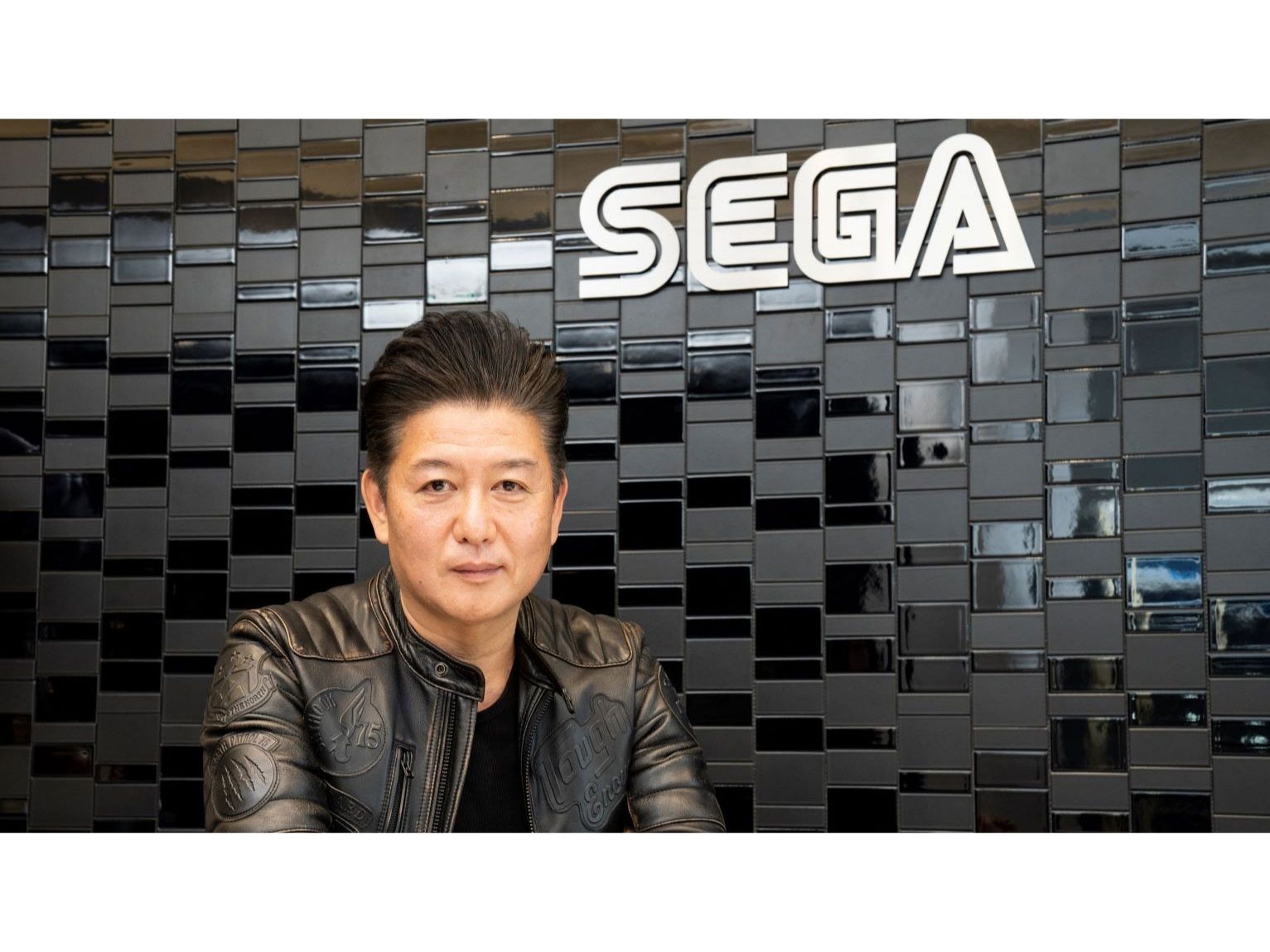
To bring valuable regional insights directly to the industry, GamesBeat is presenting this exclusive interview with Mr. Segawa, offering a rare look at how SEGA views Japan’s evolving market and its role within the broader APAC landscape.
The full interview with SEGA’s Mr. Segawa:
From SEGA’s vantage point, what makes Japan’s gaming ecosystem distinct today compared to a decade ago?
“We recognize that the business model of the gaming industry has undergone significant changes. The sales ratio of digital editions has been increasing compared to physical packaged versions, and the revenue share from ongoing sales, such as DLCs and microtransactions, has also grown relative to initial launch sales.
At the same time, the external environment is evolving rapidly with rising development costs, the emergence of Chinese companies in overseas markets, diversifying payment methods, and the decline in digital advertising efficiency due to heightened privacy awareness.
Moreover, competition for users’ attention has intensified, not only within gaming but also against other forms of entertainment such as video streaming and social media.
Although the competition is becoming increasingly fierce, we believe that the core appeal and intrinsic fun of games themselves will ultimately remain the most potent source of competitiveness.”
How would you characterize the current balance between traditional gaming culture and new trends like mobile, live-service, and cross-platform ecosystems?
“The boundaries between platforms are becoming increasingly blurred. Technological advancements, such as cross-platform compatibility and the expansion of gaming experiences on handheld devices, are enhancing the quality of user experiences.
These innovations represent an essential trend that should be embraced across all forms of content, whether on console, arcade, or mobile platforms.
From a business model perspective, continuous service-based revenue, such as live services, is now considered to hold greater market value than one-time product sales.”
How does SEGA approach the balance between nurturing domestic IP and appealing to global audiences?
“Even for titles primarily targeted at the domestic market, we plan for global expansion from the early stages of development, incorporating localization and cultural adaptation to align with the customs and preferences of each region.
Major titles from SEGA and ATLUS, including the Like a Dragon series, Persona series, and Metaphor: ReFantazio, have achieved strong results through Japan-originated simultaneous worldwide release and multi-platform distribution. In fact, many of these titles have received an even greater response overseas than in Japan.
Furthermore, by integrating trends, technologies, and expertise emerging from our overseas group studios and the global market into our domestic titles, we can energize both markets and foster mutual growth.”
Role-playing games continue to dominate Japan’s mobile charts, while puzzle and simulation titles maintain loyal bases. How is SEGA reading shifts in genre preferences and player expectations in 2025?
“The market has undergone significant changes, especially before and after the COVID-19 pandemic. However, we are focusing on genres that have continued to show stable growth from the pre-pandemic period up to today.
In recent years, players have increasingly sought experiences that combine a sense of satisfaction, even in short play sessions, with long-term enjoyment through community engagement. As a result, we believe that the importance of live operations has been steadily increasing.”
How do you see player spending habits evolving, especially regarding gacha, subscriptions, and live-ops engagement?
“Player spending behavior tends to differ by region and platform. For example, gacha or probability-based models are relatively strong in East Asia, while in Western markets, the focus is more on maximizing Monthly Active Users through low-priced digital items such as battle passes, cosmetics, and DLCs.
However, in recent years, we have seen an increase in the success of non-gacha titles in East Asia, as well as East Asian titles performing strongly in Western markets. This indicates that the boundaries in monetization models are gradually becoming less distinct.
In addition, revenue models outside of direct player spending, such as advertising and tips, micro-donations, have been growing steadily, and we view these as new opportunities for further growth.”
How is SEGA engaging with emerging technologies such as generative AI, AR, or global live-service infrastructures?
“SEGA has always been proactive in embracing new technologies, both culturally and strategically. We actively collaborate on technical matters and exchange knowledge with major partners, including global tech giants, to advance our research and implementation efforts.
We also have cross-studio structures and governance frameworks in place to strengthen coordination and serve as a central hub for technology integration.
Regarding generative AI, SEGA currently uses it as a support tool for developers, helping them focus on creative tasks and ultimately deliver better content to our users. Looking ahead, we also see potential for generative AI to be used in personalizing player experiences in the future.”
As AI becomes increasingly integrated into development pipelines, what opportunities and risks do you see for Japanese studios to differentiate creatively on the global stage?
“As technology becomes more standardized, differentiation will inevitably become more challenging, which we recognize as a potential risk.
However, our creators are committed to establishing unique worlds, narratives, and game designs that define SEGA’s identity. We also believe that AI can play a supportive role in enhancing development efficiency and managing the increasing volume of content required in modern game production.”
How does SEGA view the future of arcades and location-based entertainment in its broader business strategy?
“Since the COVID-19 pandemic, the value of real-world experiences has become increasingly important, and we consider location-based initiatives to be a highly significant area of focus.
At SEGA, we position transmedia as a key strategy, expanding a single IP across multiple forms of media to maximize its overall value. We are actively working to enhance the value of our owned IPs, such as Sonic the Hedgehog, through various forms of expansion. Examples include SEGA Stores operating in different countries, SONIC STADIUM in Hong Kong, a Sonic-themed athletic attraction, and film adaptations of SEGA’s IPs.
We will continue to provide and expand opportunities for fans to experience our IPs firsthand through diverse touchpoints around the world.”
Japanese publishers have historically been conservative with M&A and partnerships. Do you see that stance changing in response to industry consolidation and global competition?
“To keep pace with the speed of global competition and technological innovation, we have observed an increase in strategic partnerships and acquisitions among Japanese publishers.
At SEGA, we are also expanding our development capabilities and IP portfolio through acquisitions and collaborations with overseas studios. One notable example is our 2023 acquisition of Rovio, the company best known for Angry Birds, which has significantly strengthened our competitiveness in the mobile gaming sector.”
Finally, looking ahead to the next five years, what are the most significant strategic priorities for SEGA in Japan, and how do those align with where you believe the Japanese market is heading?
“To foster and create IP that resonates both in Japan and globally, we prioritize cross-platform expansion, strengthening live services, actively adopting new technologies, and building stronger communities.
We also believe that these initiatives align closely with the direction in which the Japanese market is evolving toward greater diversity, globalization, and service-oriented business models.”
Japan’s market evolution mirrors many of the broader forces highlighted in the GamesBeat Asia Pacific Market Report, including the rise of cross-platform ecosystems, the strengthening of mobile-first spending behaviors, the deepening of live services, and the growing influence of APAC on global game development strategies.
To explore the full findings and understand how Japan connects with the rapidly changing markets of South Korea and Southeast Asia, download the full report.
Download the APAC Report: Creating Opportunities for Video Games in Asia
Download the Japanese version here