
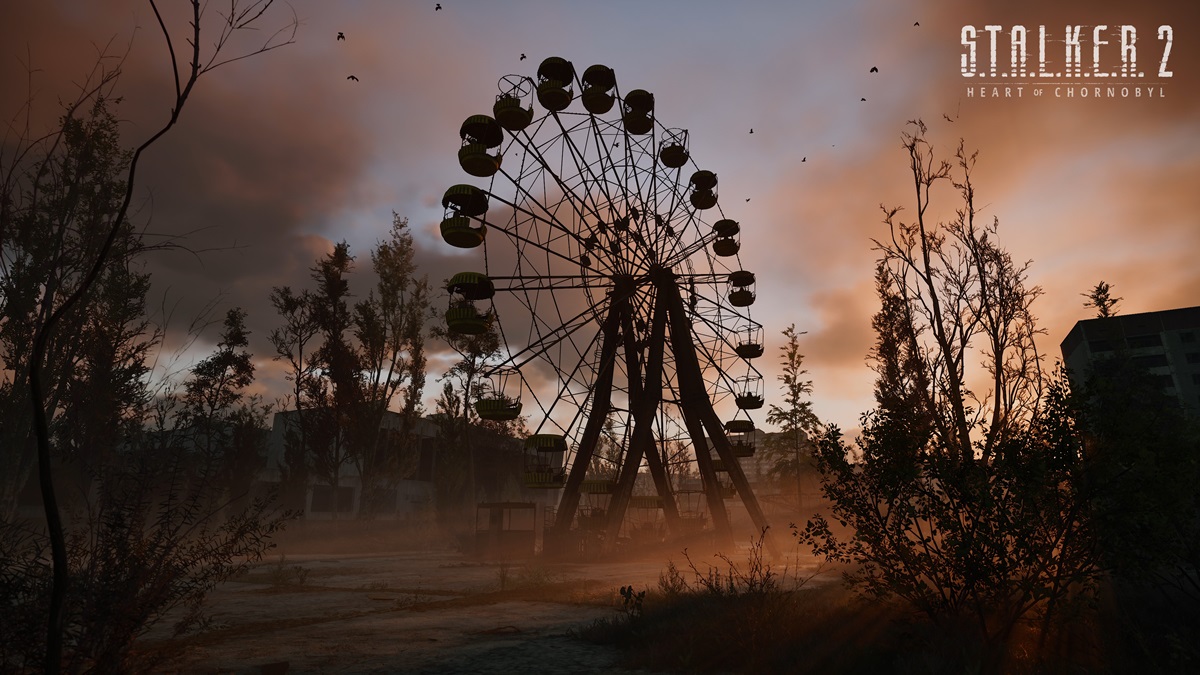
GSC Game World has had a grueling time, developing and shipping S.T.A.L.K.E.R. 2: The Heart of Chornobyl (Stalker 2) while dealing with the war against Russia in its homeland of Ukraine.
Stalker 2 debuted in November 2024, with sales above a million in the first two days. But the launch was tough since the game had bugs. Now, 22 months later, GSC has squashed a lot of those bugs and it has launched its Cost of Hope DLC expansion.
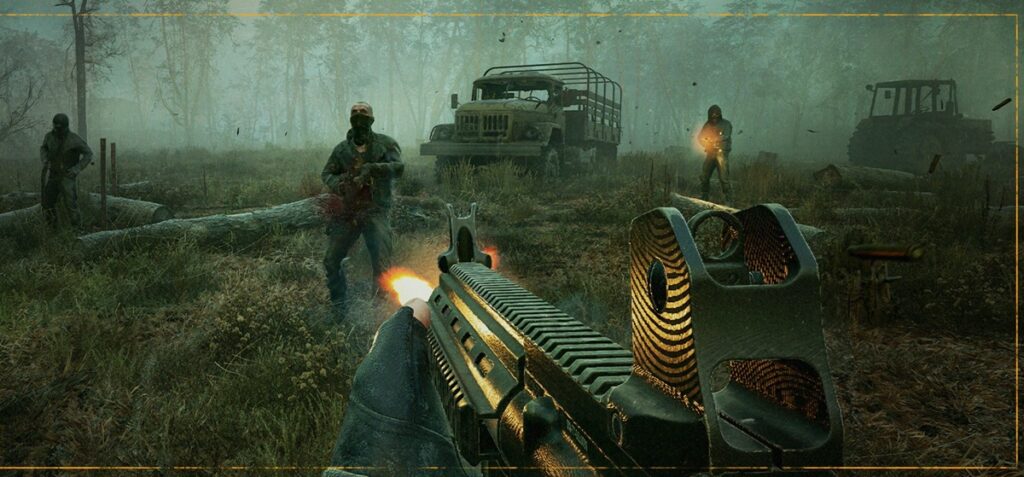
The team launched a major upgrade, including a new version of the engine, a graphical overhaul, and more, comes free for every owner of the game. You can see the trailer here. The lighting is better and the foliage makes the landscape look more organic.

There game has more contested points of interest, including campfires, bus stops, and other locations where stalkers and mutants can cross paths. The attention to detail has helped the game get an 87% positive reaction from players on Steam — the highest for any Stalker game.
And there are numerous under-the-hood fixes address issues such as enemies shooting or throwing objects through walls and unexpected overpopulation in certain areas. Fixing these problems seem like small tasks to GSC’s team, given the wider context of the war.
For the past three Gamescom events, I have interviewed Ievgen Grygorovych, CEO of GSC Game World, and Maria Grygorovych, creative director. They gave me hugs this time, and each time, I always get teary-eyed during the conversation. I admire their pride in their craftsmanship and their pride about their country.
They’re a husband-and-wife team, running one of Ukraine’s biggest and best known game companies with nearly 500 employees. They’re an indie game studio with a generous investor, and because of the war they have had to spread their staff into new locations such as Poland and Prague and elsewhere, with some working remote. Some of the team had to fight in the war, and one died. The development of of Stalker 2 took seven years, and its creation in Kyiv spanned more than four years of the Ukraine War.
The electricity regularly went out and it still goes out in Kyiv, where the bulk of the team is. Maria Grygorovych talked about how the missiles and drones still wreak havoc in the country.
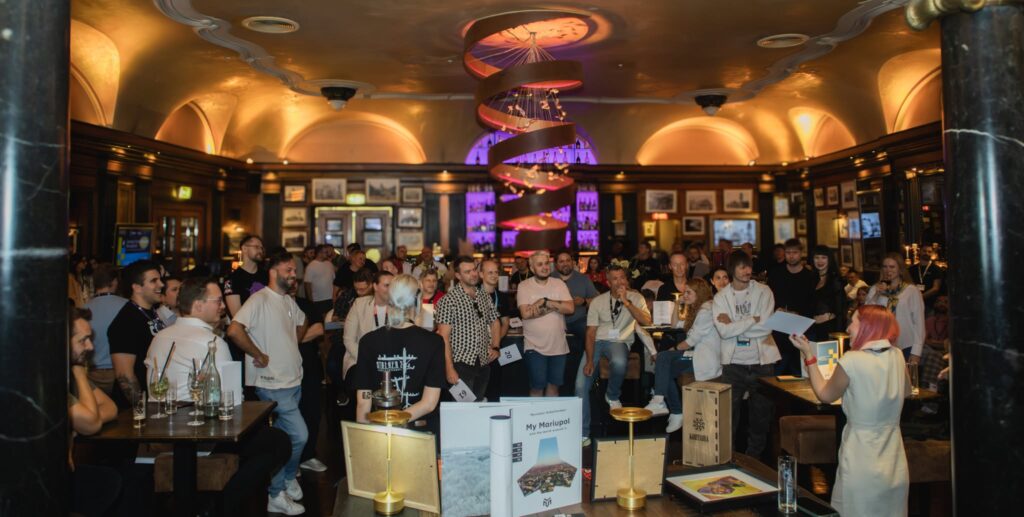
GSC Game World has been supporting their homeland in every possible way. For those wishing to contribute, the company recommends visiting the official charity fund of President Volodymyr Zelenskyy. And at Gamescom, inside the Urkrainian Games booth, GSC Game World helped with the charity auction that raised money for the cause of Ukraine.
GSC Game World can still hire people, but the team has to be frugal and it argues over the need for every hire, Maria Grygorovych said. The team has been working on its second DLC for Stalker 2. And there are new projects that the Grygorovychs are excited about but can’t disclose yet.
Here’s an edited transcript of our interview.
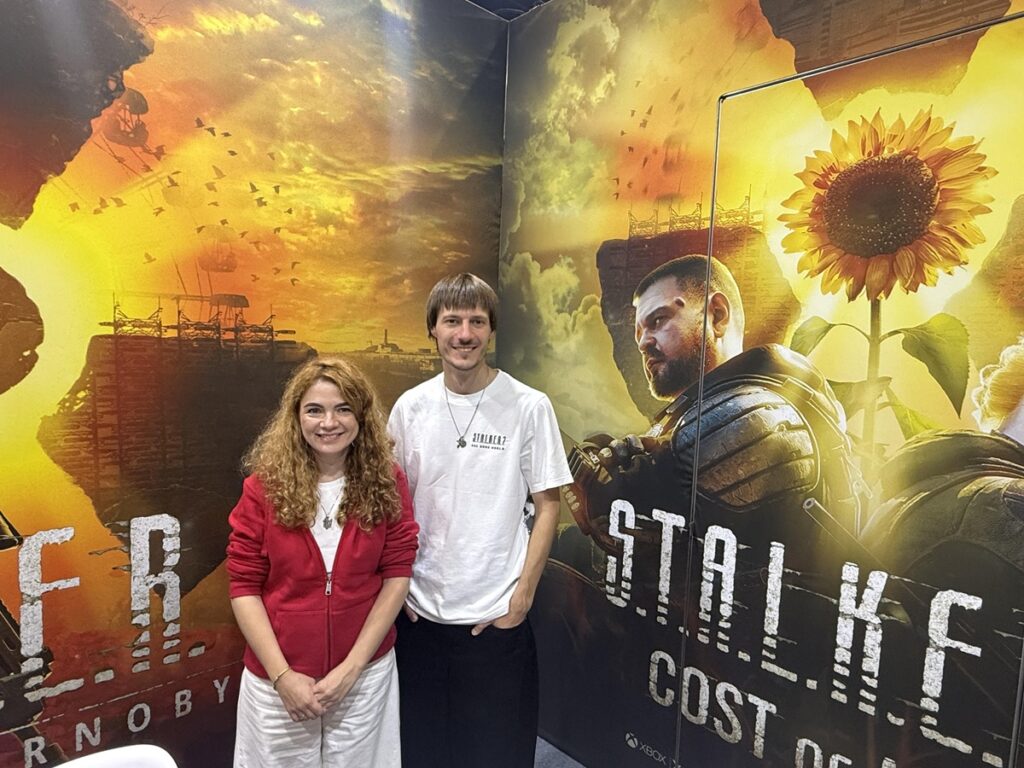
Ievgen Grygorovych: Do you think the industry these days is coming back, or falling further?
GamesBeat: It’s complicated. I don’t know if you caught the speech at Gamescom Dev by Amir Satvat. He has probably the most interesting perspective on how it’s all changing. It’s not necessarily going down or going up. All kinds of things are happening inside the industry. California has 47% of all the layoffs in the world, and yet I think it could still be where the most game developers are. North American employment is down 11% in the last five years. Elsewhere in the world it’s up a bit. The net change was there’s .5% more game people around the world in the last five years. They’re redistributing. And there are still 750,000 game jobs. The number of people working in the game industry is static compared to five years ago. That’s an interesting perspective.
Nobody ever writes about how somebody got hired at some company. It’s only about how 80 people got laid off. You don’t find out where they end up. A lot of them still get jobs. I think that’s some of the big picture, some of the context. It might not be as bad as people think. But these individual events at companies can be catastrophic. It’s still an industry where the outliers win. Grand Theft Auto is probably going to make a meaningful percentage of all the money coming into the game industry this year. The averages used to look better. It used to be possible to survive if you were an average company. Now it’s worse for the average. It means there’s more pressure on every company to perform better.
Maria Grygorovych: To be sustainable now is harder than it was.
GamesBeat: At Xbox a lot of what they’re doing makes sense. They have to make themselves more efficient. They have to not support losing studios or divisions. If anybody’s losing, they can’t have Minecraft subsidize them anymore. That maybe explains why a lot of things are happening that seem so negative.
Ievgen Grygorovych: We’re in a similar position. We’re quite happy we could survive these moments of layoffs and continue growing the team. We’re currently working on a few new projects.
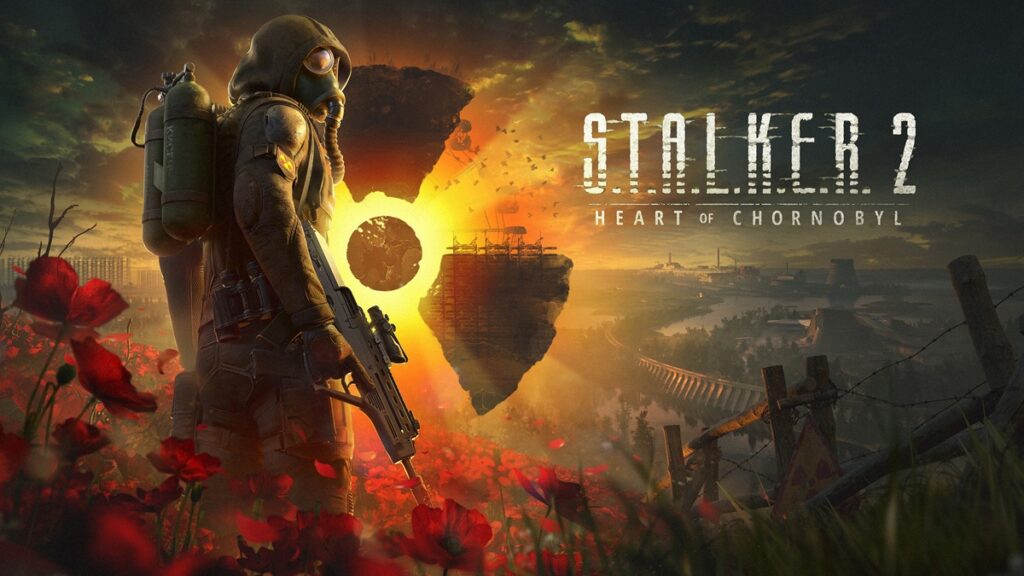
Since the release of Stalker 2, the Zone has continued to evolve alongside the community. Update 2.0 brings together years of feedback, technical improvements, and new ideas to make the Zone a better, stranger, and more immersive place.
Maria Grygorovych: But we’re also started to be much more particular about everything, so we can be more stable. We argue about every hire. Do we really need this person or not? We want to do as much as we can for our people, and to do that we need to be sustainable. Otherwise we won’t be able to help anyone. We don’t want to grow to 1,000 people when we won’t know how to feed them after three years. We have a responsibility.
GamesBeat: How long have you been working on the DLC? Did that start before Stalker 2 shipped?
Maria Grygorovych: The early stages began in the end of 2024, but full production has been a bit more than a year, maybe 15 months. We were focused on Stalker 2. We made so many patches for Stalker 2 in 2025. A lot of people were working on that.
On the same day — August 20 — the first major expansion for Stalker 2, titled Cost of Hope, launches. This expansion explores the long-running conflict between the well-known factions Duty and Freedom. Players can look forward to numerous hours exploring new locations, including the Iron Forest, CNPP, and Spatial Bubble, while experiencing the iconic atmosphere of the Zone. Upon release, it will be available as part of the Ultimate Edition of the base game, or as a standalone purchase for $30 USD/EUR (subject to regional pricing).
Celebrating the upcoming release of Cost of Hope, GSC has also launched a dedicated website where players can vote for their faction of choice. By taking a quick quiz, you can find out which side of the conflict you belong to, cast your vote, and compete for a selection of highly limited and exclusive Stalker-themed prizes.

Ievgen Grygorovych: We were adding new features and mechanics. We made huge changes. It wasn’t just bug fixing. We wanted to repay our technical debt that we’d built up before release.
Maria Grygorovych: We wanted to do more for the players. They deserved more from us. They were so supportive during the release, because it wasn’t a perfect release. They saw the energy that was there. Now, with 2.0, it’s a much better experience.
Ievgen Grygorovych: We have 87% on OpenCritic for the DLC. It’s the highest score for any Stalker game on the list. We’re very happy with the results.
Maria Grygorovych: We’re growing as a company in that we’re learning to do things more wisely. We have much more experience now. That’s helped us a lot. For Stalker 2, we built this company almost from scratch. Now we have a huge team of talented professionals. We can do much more now, because we’ve already built the team. We can move on to doing what we love the most, making games. It’s easier now to get the results we want with the DLC.
GamesBeat: Does the DLC just make players happy, or does it generate revenue for the company as well?

Ievgen Grygorovych: It’s connected. Because it makes people happier, it generates revenue. More people are buying the game. The main driver for making DLC is to bring players to the base game. A lot of new players are coming to the franchise. DLC buyers themselves are very profitable. It’s brought a lot of attention and expansion. In our case we had different editions of the game. The ultimate edition includes access to the DLCs. For players it’s a straightforward choice. Buy the ultimate edition and get all of the experience. It’s also discounted, but mainly it’s the simplicity. You know that you’ll get everything.
It also helps us plan. The ultimate editions we’ve sold, in a sense those people have already paid for the DLC. That gives us a portion of funding for the DLC. We can rely on that financing through the first DLC and second DLC. For the developer it gives us more opportunity. Many developers are closing because they just don’t have enough cash flow. For us, the strategy worked.
GamesBeat: Did the game do well enough to give you the capital for the next game, or will you have to raise money for your next project?
Maria Grygorovych: We also have the support of our owner, Maksym. He’s helped us a lot in different ways. We’re blessed that he believed in us, in what we’re doing, and why it’s important. Why it’s supportive to Ukraine as well, bringing our culture and our identity to the world.
Ievgen Grygorovych: We have 96% recognition of the Stalker brand in Ukraine. Almost every person in Ukraine knows about the game, even 80-year-old grandmothers. It’s huge.
The update also adds new optics, including a x3 scope for Western-bloc weapons and a new red dot sight for Eastern-bloc weapons. Offset aiming has also been expanded beyond NVG use, giving stalkers more freedom to customize their loadouts.
In addition to that:
– Fog is now more than a weather effect — it is a gameplay mechanic. Both stalkers and their enemies have reduced visibility and hearing. The Light Rainy weather scenario has also received a visual overhaul to complement the updated environmental presentation.

Maria Grygorovych: People recognize it as ours. It’s our project. I think that’s great, but I still think that we could do more in the future.
GamesBeat: What do you want to do next? What’s the next big thing for you?
Ievgen Grygorovych: From a games perspective, we’re not announcing anything currently. We’re working on new projects. We’re not yet sharing details. I’m excited, because it’s the project that, as a game director, I’ve been wanting to work on. It’s a career-defining project.
Maria Grygorovych: Our dream project. It’s something that drives us to go to work every day. We’re a little crazy about it.
Ievgen Grygorovych: We can afford to do great projects like this. Not every developer, after releasing a successful game, can continue to do great things. We’re blessed that we can afford it. I’m excited because of that. Also, when it comes to leadership and management of the team, we have challenges around how to better structure the teams and the company to solve problems, to make the creative teams work more freely than when we were working on Stalker 2. We want to give more creative tools to the teams. It’s an interesting challenge to achieve.
Players looking for an even tougher experience can also try Master difficulty and the optional Expedition mode, previously introduced in earlier updates.

Maria Grygorovych: The second DLC for Stalker 2 is going to be very interesting for people.
Ievgen Grygorovych: It’s going to be very different from Cost of Hope.
Maria Grygorovych: We’re still working on multiplayer for Stalker 2. We’ll have a free update. We tried to do a lot. There aren’t a lot of independent companies left in the world, not big ones. Usually companies are owned by someone bigger, publishers or holding companies. For now, we have the opportunity to make something more creative, something more risky. Some companies just can’t do that, even if they want to do something extremely new. Something bigger won’t allow them to. I’m glad we have the opportunity to be creative.
Ievgen Grygorovych: You can’t do something very creative or very risky with really big development budgets. It’s rare when someone can afford to take that kind of risk and present a totally different experience. But it’s a mistake to think that when you’re trying to copy something successful, it will increase your chances of success. I think it’s the opposite. You should try to do something new, something we haven’t seen before.
GamesBeat: I thought it was interesting that after such a long time passed in the development of Stalker 2, you then crossed into this new thinking about how everyone should make games now. Much more efficient, reduced cost, but still differentiated in some way. It’s harder to make games, even though you probably went through one of the hardest paths to making a game. How much of this new way of making games is now what you have to do in order to get your next big thing off the ground?
Ievgen Grygorovych: It’s not that we’re working in a new way. It’s that we have so much more experience. We can reflect on that experience and make changes that allow us to build new projects in a better and more efficient way. It’s not about a different way of thinking. It’s about being much more experienced, a much more fully formed team. Games are not made by individuals. They’re made by teams. Teams are relationships between individuals. Those relationships build the team. You can’t build those relationships in just one, two, three years. It takes many years to build a formed team with its own identity that can create unique games. Building up our base will make things much better. It’s not that we’ve found some other mode of making games differently.
Three types of binoculars are now available to help stalkers scout the Zone, identify targets, and plan their next move. Each model features different technology and functionality — find them throughout the Zone or purchase them from certain traders.

GamesBeat: The biggest dream now is maybe not making a triple-A game with the biggest companies. It’s more like making an independent game that fits, perhaps, in the double-A space. Games like that now have the same potential to reach a wide audience. Triple-A games aren’t guaranteed successes anymore. It seems like you’re more in that middle here, with the independent companies that are starting to be more successful.
Ievgen Grygorovych: I suppose we’re operating more like–we’re making triple-A games, but we’re not just going to make triple-A games. Stalker, for example, is a game in a more narrow niche. But we like this world. We know how we can make an interesting experience in this world. That’s why we’re using the setting of Stalker to tell a story.
Making a triple-A game–a bigger budget is just a tool that allows us to bring the player fantasy closer to our vision than it might be with a lower budget. But we’re not choosing to make a triple-A game for its own sake. I feel like we’re a very big indie. We work like a double-A game. But because we want to tell a bigger story, a bigger fantasy, we moved up to a triple-A budget. Inside, I feel like we’re working on something more individual and unique than triple-A games can usually afford to be.
GamesBeat: I’m still very impressed by Ukraine itself. The Steam Ukrainian games festival was something like 680 games. I just wrote a story about Ireland. They have about 2,000 developers there across 45 studios, making dozens of games. That’s great for Ireland, but Ukraine seems like very much an outlier in terms of being able to make outstanding games.
Maria Grygorovych: If you look back in history, our people have been attacked for centuries. It’s not like this war is the first time. Survive and create culture, it’s always been like that. On the one hand, it’s terrible, what’s going on. Russia still attacks Kyiv every two days, and that’s only talking about Kyiv. It’s happening over all of Ukraine. But at the same time, a lot of things have risen. When you’re attacked, for some people, it means you want to do more. It’s mobilized people in different ways. You need to do something. It’s not just a question of wanting to do something. If you don’t do it today, maybe there won’t be a tomorrow. You should do something today. The cost of living is high, so you should do more.
Ievgen Grygorovych: It brings a new level of purpose. We’re in a time frame where you can’t delay or postpone things. A lot of artists have started to create much more during this time, because you just can’t wait anymore. Even with art, people are trying to fight. Russia is also fighting on the cultural front. In some ways they’re taking territory and in some ways they’re attacking the culture. Fighting back with culture is an important way to survive as well.
Maria Grygorovych: For example, we were in the Venice Biennale this year. There were two Ukrainian pavilions with a lot of contemporary Ukrainian artists. They showed so much exceptional talent, so many works that were made this year. It shows that art is impossible to kill. You can kill a lot of us, but we’ll still create art. It’s part of our souls. It’s impossible to kill the soul.
GamesBeat: It sounds like you’re still thinking around long-term plans. You’re not stopping your planning because of the war.
Ievgen Grygorovych: We’re still thinking five to 10 years ahead. Even the projects we’re working on now, they’re projects we started planning seven years ago.
Maria Grygorovych: Even more than that. Nine years. We have plans for what we’ll be able to do for 20 years. Maybe those will change, of course.
GamesBeat: I talked to an Electronic Arts executive in the 1990s. He said you have to be very careful about what games you choose to work on, because you might only get to work on 10 games in your life. In those days a game could take about three years. And now you might work on as few as three games in your life.
Maria Grygorovych: If you have the opportunity, you should work on what inspires you. If you don’t have that opportunity, certainly you should work on what pays you, but if you can–if I’m inspired, I can go to work every day for five years, because it’s so interesting. You can be patient enough to see that result after five years. If a game doesn’t survive, it’s terrible, because that’s five years of your life. You might have two children in that time. But if you’re blessed enough to be inspired by what you’re doing, it’s already–you don’t need to expect more.
Ievgen Grygorovych: You should love the process of creating games. Not just the result. The result is important, but the result is a consequence of the process.
GamesBeat: What would you say you’re most proud of about this DLC?
Ievgen Grygorovych: It’s not a small question, because I’m proud of every aspect of the game. Every aspect of it, it’s one head higher. And there’s a hidden side – the management side, how we organize the work, how we communicate inside the studio, how we collaborate when we work on things. That’s also one head better than it was before. In every aspect, it’s at a significant new level.
Maria Grygorovych: It’s the story and the world, how that feels in the DLC. Our players feel empathy for each side of it. It’s not easy to choose for them. The dependency of the two stories in the DLC–it means those characters and their stories feel honest. They feel like deep characters with deep personalities. That’s pretty cool.
Ukrainian Games charity drive
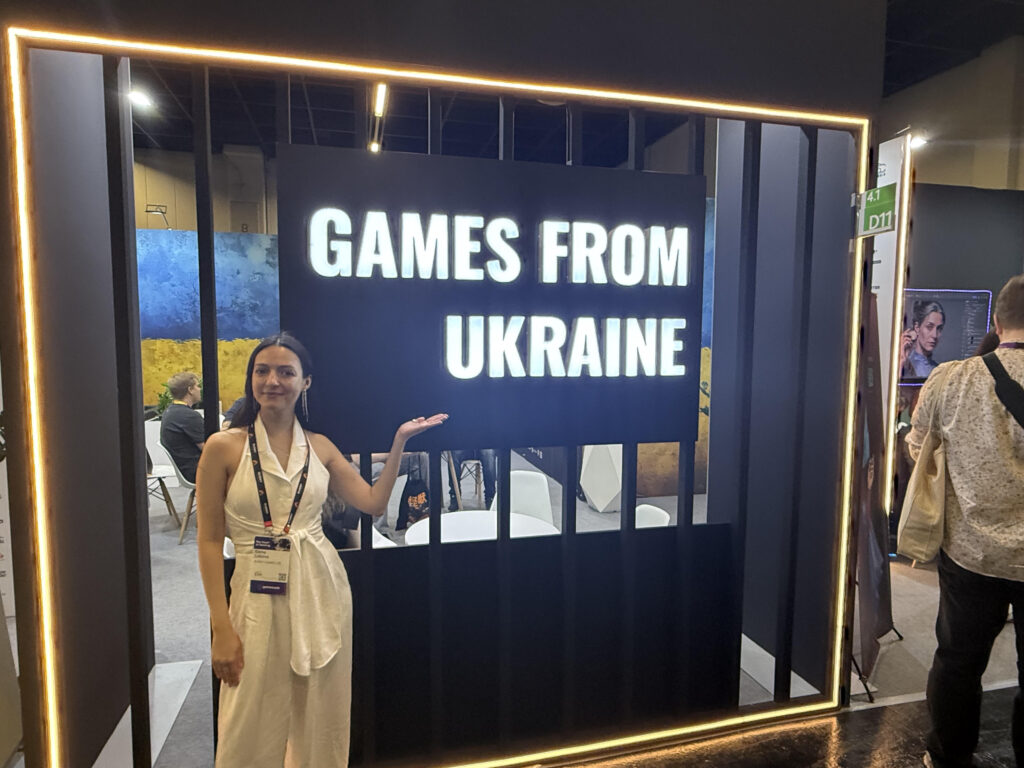
GamesBeat: GameDev Under Bombs raised 27,000 euros for support for Ukraine, including an an off-road vehicle with a trailer for the 36th Marine Brigade; a sedan for the border guards; medical supplies and radios; and much more essential aid. The contributors included Burny Games, Games Gathering, Александр ХруцкийOlga Khomenko, Games from Ukraine, GDBAY, DevGAMM and others.
GamesBeat: What did you guys provide? Something specific?
Maria Grygorovych: It was a signed card book, signed by a lot of the developers. It was part of a campaign we did. With our partners in Ukraine we did this huge card collecting campaign, trading cards.
Ievgen Grygorovych: It was a book of all the cards, the whole card collection. We auctioned it off.
Maria Grygorovych: Do you know the Klitschko brothers, the boxers?
Ievgen Grygorovych: Two of the greatest boxers in the world. They both won all the heavyweight titles. They provided signed boxing gloves.
Maria Grygorovych: Those sold for 6,500 Euros.
Ievgen Grygorovych: One of them, Vitali, is the mayor of Kyiv now.
GamesBeat: It sounds like the auction in general went well.
Ievgen Grygorovych: It’s not just about the money. It’s about the force of attention. We’re inviting people from outside Ukraine to pay attention. It’s important to be present in the media, for people to know that we exist.
Maria Grygorovych: It’s been organized for a couple of years already by Games Gathering (Ukrainian Games exhibition) and Burny Games, a Ukrainian mobile game studio.
Disclosure: Gamescom paid my way to Germany for the event. The content of this story is solely the responsibility of GamesBeat.