
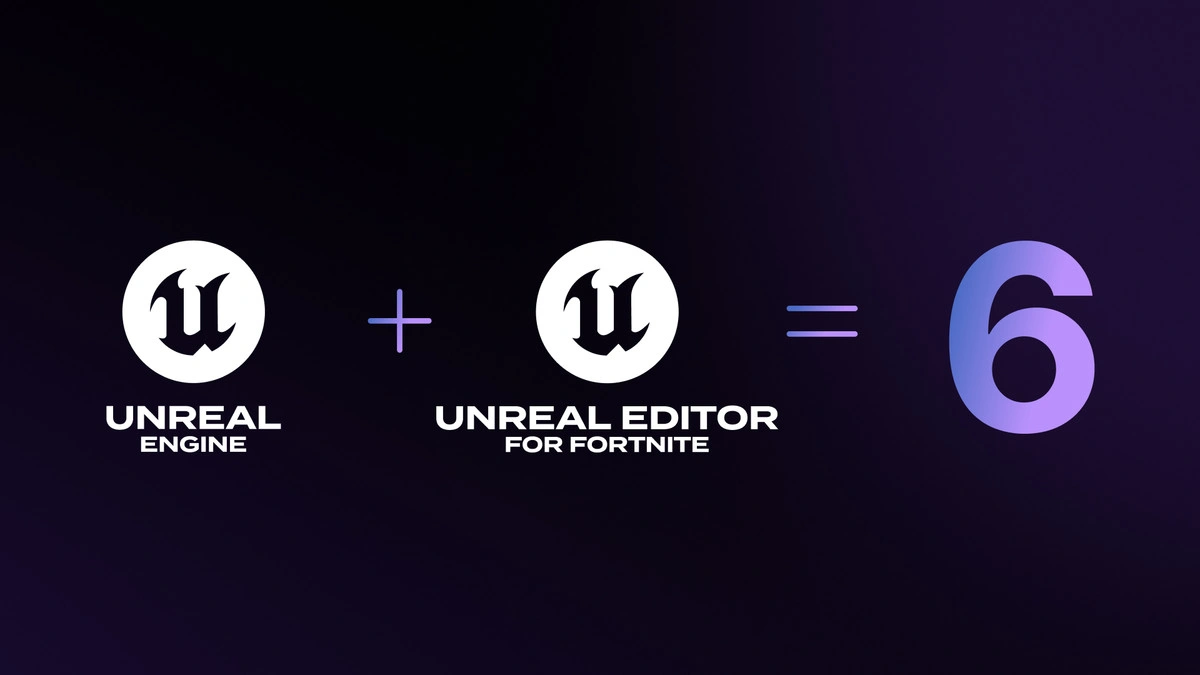
Epic Games plans to use Unreal Engine 6 to bridge the gap between user-generated content creators and traditional game developers.
Epic Games revealed new details about the future of Unreal Engine at Unreal Fest 2026 in Chicago last week, including information about the current rollout of Unreal Engine 5.8 and the impending release of Unreal Engine 6 next year. Epic Games explicitly intends for Unreal Engine 6 to unify its creator and developer ecosystem by merging the audiences of Unreal Engine 5 and Unreal Editor for Fortnite (UEFN) into a single pool.
On June 18, GamesBeat spoke with Epic executives to learn about the company’s plans for the new engine — and how 5.8’s updates to Verse and Lore, Epic’s proprietary, open-source programming language and version control system, will help the company achieve its vision for the future of Unreal Engine.
“Lore is ready now — well, Lore is ready to release to the public, for people to try and use and work with,” said Epic Games executive vice president of development Marcus Wassmer in an interview with GamesBeat. “Until we have fully moved our development to it, I don’t think we necessarily recommend that everyone goes out and moves all their critical infrastructure just yet. But it’s ready for the public eye, and it’s useful, and it’s good — so why hide it away?”
Although Lore is available to developers using Unreal Engine 5.8 today, Wassmer and his team at Epic Games view the tool as a core element of the upcoming Unreal Engine 6 ecosystem. In a nutshell, Lore is a system for easily saving and tracking project files and versions designed specifically for large and asset-heavy game projects. It’s open-source and already in use by many UEFN creators.
“We have this two-button workflow; you can just check in changes and sync changes. That’s really easy — getting into using version control and storage and all these things,” said Epic Games technical director and Lore architect Mattias Jansson in an interview with GamesBeat. “Then, you have complexity by demand. If you want to start using branches, then you have a more complex workflow, or if you want to host your own servers, then that’s another complexity, and you can layer in all the way down to the underlying tech that sits beneath it.”
Epic Games also intends for Verse, its proprietary programming language, to be an integral element of Unreal Engine 6, with Wassmer describing Verse as “the foundation of Epic’s future programming model” during an onstage appearance during Epic Games’ State of Unreal presentation on June 17. Verse is already used in UEFN; by making it the core programming language of Unreal Editor 6, Epic is effectively unifying the ecosystems of creator-made Fortnite islands and traditional games developed using Unreal Engine.
“We’re designing Verse specifically around the problems of game development, and really large-scale multiplayer game development — the things that are frankly just hard in games,” said said Epic Games framework technical director for Unreal Engine Kurtis Schmidt in an interview with GamesBeat. “We’re designing the language with all of that knowledge in mind of how to build big, hard games, and making it easy within that realm. Other languages that are focused on pure language design — they’re going to be targeting general programming, and we’re targeting video game programming.”
The convergence of UEFN and Unreal Engine 6 through Verse has significant implications with regard to the potential interoperability of in-game items and environments within Epic’s ecosystem. Starting with cosmetic items, objects inside Fortnite experiences will be completely portable, meaning game creators can use official Fortnite outfits in their games — and build outfits for their own games that work inside Fortnite proper. It’s a significant shift for game makers using Unreal Engine and another step toward Epic Games’ long-term goal to build the metaverse.
As Epic Games unifies its developer ecosystem, some Fortnite-native creators are concerned that they will lose out on potential engagement and revenue after Unreal Engine for Fortnite ceases to be a walled garden. Instead of competing specifically against other creators, Fortnite creators will have to face off against an entire ecosystem of traditional game makers whose games suddenly share a virtual economy with theirs. Wassmer acknowledged these concerns but said he believed UEFN creators would have a head start over other game developers dipping their toes in Verse, since they have already been using the language to create their experiences on the platform.
“They might be a little trepidatious, but I’m not, really — because they’re a really smart, great, driven bunch, and they’ll be with us as we add every single thing,” Wassmer said. “When we get to that point, they’ll be the experts on those systems, not necessarily the triple-A devs.”
As Epic Games has grown the Fortnite creator ecosystem in recent years, industry observers have debated whether the company’s ecosystem is fated to become a YouTube equivalent for game makers or simply a particularly effective breeding ground for new traditional game developer talent. With the impending release of Unreal Engine 6, the company appears to be on track to merge these two visions into a cohesive future.
Thus far, Epic has remained coy about the specific release date of Unreal Engine 6, although the company has announced that it is targeting a late-2027 window for the engine’s early-access launch. Until then, Unreal Engine 5.8 will be the final version of Unreal Engine 5 — unless Wassmer and his development team decide otherwise.
“Three months from now, if we discover for some reason that we really need to pull this stuff back and make a 5.9, we could,” Wassmer said. “So, we’re not making a definitive statement that is absolutely guaranteed and signed in blood that this is definitely the last one — but it is the last one we’re planning on.”