
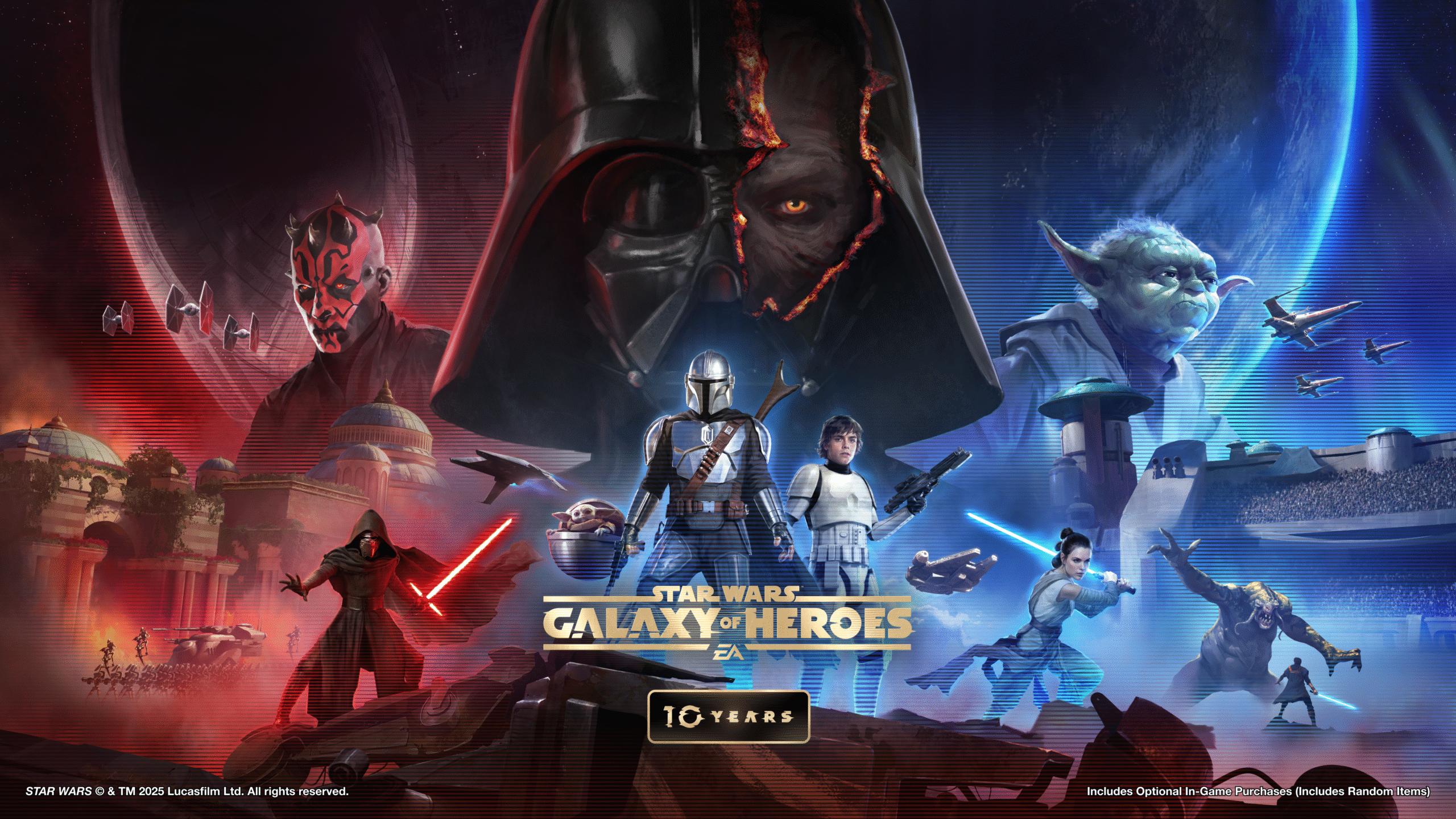
EA’s Capital Games has spent a decade proving that a live service mobile game can not only survive, but thrive, thanks to the success of Star Wars: Galaxy of Heroes.
Now celebrating its 10-year anniversary, the game is entering one of its most ambitious phases yet. EA and Capital Games have launched the “Season of Anniversary,” a massive update that redefines core progression, introduces entirely new marquee experiences, and sets up the foundation for the next decade of development.
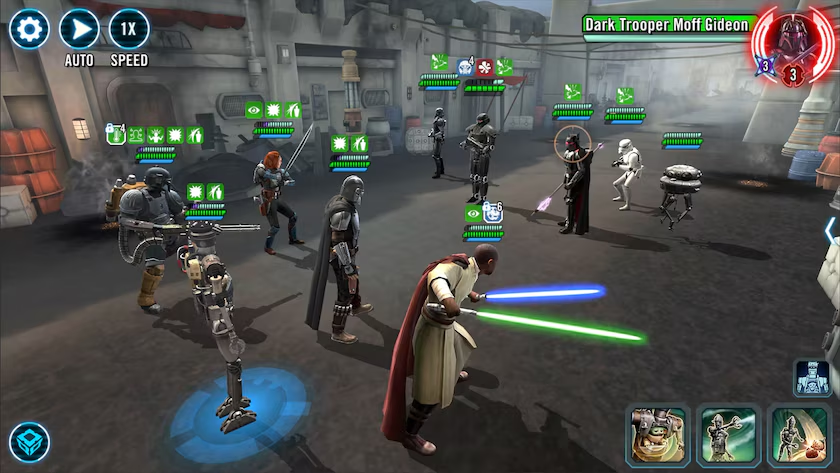
The centerpiece of the update is The Coliseum, a new large-scale battle mode set on Batuu (the same location found at Galaxy’s Edge in Disneyland), where players take on towering bosses like a Pirate AT-ST, a Jotaz, a Dryax, and other creatures pulled from across Star Wars canon.
Alongside it comes Era Levels, a revised seasonality framework designed to bring veteran players and newcomers together by giving seasonal participants meaningful bonuses that accelerate access to new characters and legacy content. The update also rolls out new versions of fan-favorite heroes, including Stormtrooper Luke, a unique Yoda-and-Chewbacca duo unit, and a powerful late-duel variant of Darth Vader.
Over the years, Star Wars: Galaxy of Heroes has quietly expanded into a sprawling collection RPG with hundreds of characters, deep team-building strategy, and large-scale systems that stretch far beyond the original launch vision. Even as new movies, shows, and eras of the franchise come and go, Galaxy of Heroes has kept itself relevant by embracing constant reinvention.
And over time, the team has reorganized progression, rethought onboarding, built entire seasonal frameworks, and approached every update with an eye toward respecting player time—especially for those who have been logging in daily for years.
GamesBeat interviewed Capital Games studio manager, Erik Larsen, to discuss how, in a crowded mobile market where most live-service titles fade after a few years, Star Wars: Galaxy of Heroes continues to stand out as an example of how long-term planning, strong community foundations, and a careful approach to player investment can keep a game thriving well beyond its expected lifespan.
Here is an edited transcript of the interview:
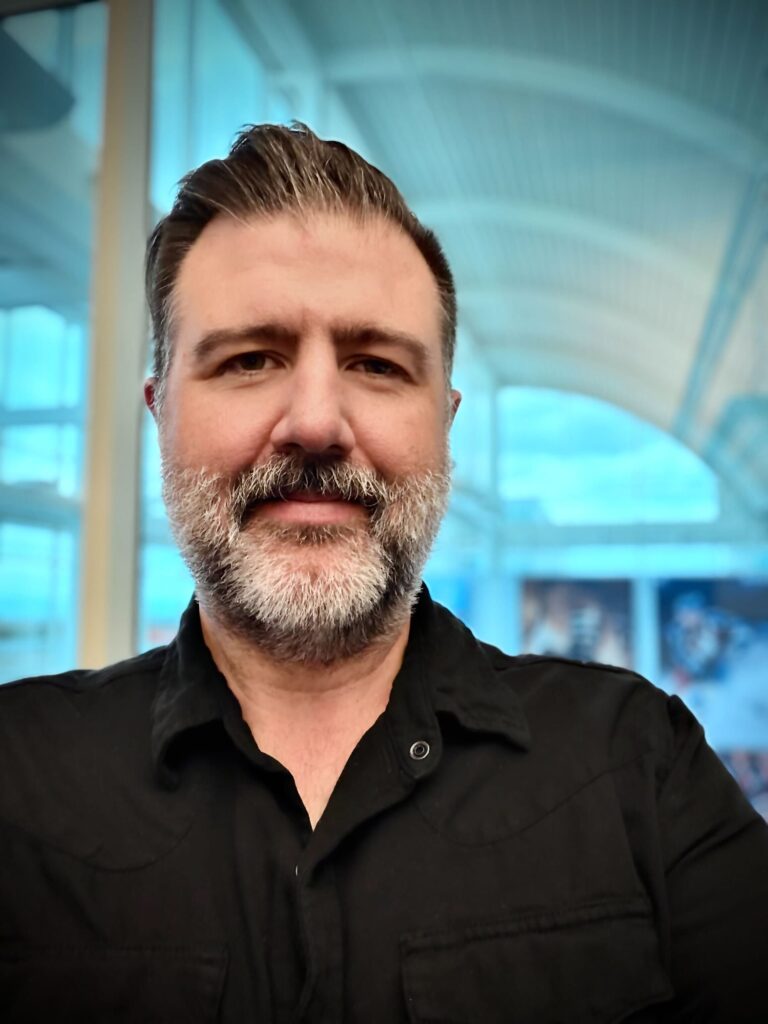
GamesBeat: To start, can you tell me your title, how long you’ve been working on the game, and a bit about your background?
Erik Larsen: Sure. I’m Erik Larsen, the Studio General Manager at Capital Games. I’m in my 15th year at EA overall. I started at Visceral, worked on a Dead Space-adjacent game, then on Battlefield. I ran EA’s mobile casino business for a number of years, and I’ve now been with Capital for almost 10 years. I joined about four or five months after Galaxy of Heroes launched.
Over the years, I’ve worn many hats here, from live PM designing packs and marquee events, to comms producer working with Lucasfilm, first party teams, and marketing and growth partners. I’ve been the game director, and now I run the studio broadly. I was also the first PM and first product manager at EA, so I’ve seen the entire evolution of EA’s mobile business.
GamesBeat: It’s impressive for any game to run for over a decade. Players have grown up with it, and some probably play it with their kids now. What is that like?
Larsen: It’s an honor to have a team with this kind of long tenure and closeness. Many of our developers started their careers here, and most hadn’t worked elsewhere before. We matured together and became live-service experts along the way.
It’s also an honor to work with Star Wars. In many ways, Galaxy of Heroes is a case study in longevity for a collectible RPG. A huge factor is that the team genuinely loves Star Wars. We take our role as stewards of the brand seriously; we want to make it shine and be participants in creating Star Wars.
We also have a passionate player base. Many players have logged in every single day since launch—over 3,600 days in a row. We’ve had more than 100 million downloads over the years, with millions of monthly active users who average about two hours a day. Some go far beyond that. It’s an incredibly dedicated community.
GamesBeat: Are there any other figures you can share about the game’s performance?
Larsen: COVID was a huge period for us. Engagement and population grew significantly. After that, we saw a steep decline, but in the last few years we’ve reversed that trend and returned to growth. Compared to other Western collectible RPGs, we’ve performed quite well.
A big part of that was facing hard truths. As we increased the cadence of character releases, not everyone could keep pace if the game’s economy stayed the same. We spent years re-evaluating fundamentals, especially the marquee unit, the atomic unit of the game. When you grow quickly for a few years, you eventually realize you have systems scattered everywhere. We had to bring order back, clarify cadences and definitions, and rethink how all the pieces fit together.
Sometimes that means being bold enough to challenge what has worked before when it no longer works.
GamesBeat: How do you design a game that appeals to both 10-year veterans and brand-new players?
Larsen: It’s absolutely a balance. Our player base has grown and evolved, and so has our design philosophy. From the beginning, Galaxy of Heroes has been as much a resource- and time-management game as it is a character-combat game. Respect for players’ time is central.
Players invest hours every day, and the upper bound can be extremely high. So we constantly review time spent, look at community feedback, and find ways to reduce friction as the game evolves. Whenever we introduce a new mode that increases time investment somewhere, we look for ways to offset that elsewhere.
We also ask ourselves: Is this character investment worth it? Does it have real utility? Do players understand what they’re working toward? There have been moments when we could have made more money in the short term, but would have burned the community. We’ve always chosen the long-term relationship instead.
Another shift is recognizing that Star Wars fandom is diverse. Early on, the experience was monolithic. Over time, we’ve added more lenses so we can design clearly for different types of players and goals.
GamesBeat: What lessons from this game would carry over into a new mobile RPG that doesn’t have a major IP like Star Wars attached?
Larsen: Star Wars is a tremendous asset. It helps during tough economic times, and when Star Wars is in the cultural spotlight, it lifts the game. But I don’t think a brand is required to succeed. Many competitors thrive without one.
Key lessons we’d carry forward include the importance of guilds and social play. People form real relationships through this game; some have even gotten married after meeting through their guilds. We’ve seen communities rally to support players in need. Those social bonds make a game resilient.
Longevity comes from giving players meaningful things to do, especially at the elder game. And there’s still headroom as large-scale galaxy-wide battles, new genre hybrids, and deeper cooperative systems are all possible futures. We’ve also invested significantly in developer tools. Around 2018, content cadence was inconsistent. We built better production systems, added frameworks for PvE, PvP, solo, and guild content, and made sure to cover the full spectrum of engagement types.
Finally, personalization is important. Players want relevant offers and experiences tailored to them, not a barrage of irrelevant prompts.
GamesBeat: From a design perspective, how different is the game today versus what launched originally?
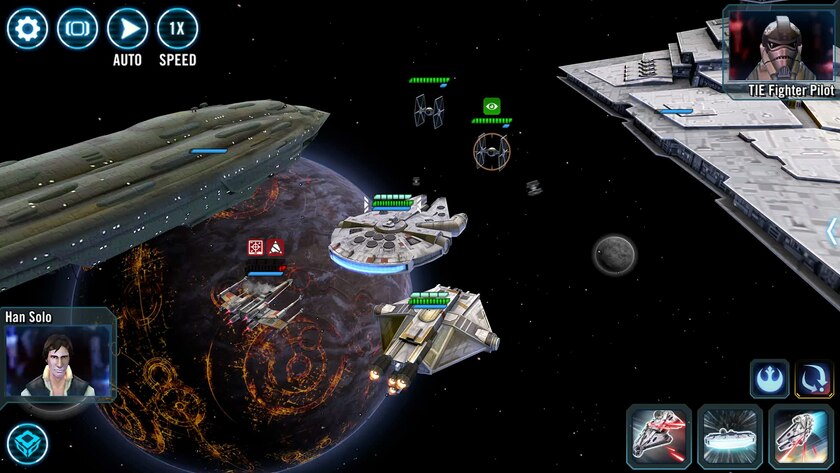
Larsen: A lot has changed. In the beginning, the team wasn’t prepared for the scale of its success. We were laying track as fast as possible. The game launched with far fewer units, but today we have over 300 characters and ships, and we add around 30 a year.
Early expansions focused on new content: raids, guilds, ships, and more PvE/PvP modes. The core question was: Why do I need these characters, and how deeply should I invest in them?
The middle years were about evolving our development process. We moved from hand-editing XML to building tools and procedural systems. That led to modes like Conquest and Galactic Challenges. We wanted to be able to watch a Star Wars movie and then immediately let players experience that content in the game.
The current era is about reorganizing the entire game as a cohesive system, making it understandable, consistent, and respectful of time. That includes restoring clear cadences, simplifying friction points, expanding seasonality, and ensuring every type of player knows what to do next. The new Coliseum mode is a major addition. It’s a persistent space to battle iconic Star Wars bosses. Just as important, seasonality is now open to all players, not just elder ones. This update simplifies character progression and breaks the “character binary” of choosing between new units or backlog units. Seasonal play becomes the most efficient way to strengthen your entire roster.
This is the biggest release we’ve ever done.
GamesBeat: Are there any final closing remarks you want to impart?
Larsen: Our partnership with Lucasfilm has been incredible. As we’ve demonstrated our stewardship and passion for the brand, we’ve been trusted with earlier content access and bigger opportunities. We treat this like co-creating the Star Wars galaxy with them.
This update closes our first decade. We’ve half-jokingly talked since year one about running this game for 37 years. The next decade will focus on modernizing the core, expanding the elder experience, reducing friction for new players, and exploring hybrid ideas, plus reaching millions more Star Wars fans with new products, whether Star Wars, EA IP, other third-party IP, or original worlds.
Many of the lessons we’ve learned will carry into the next generation of RPGs.