
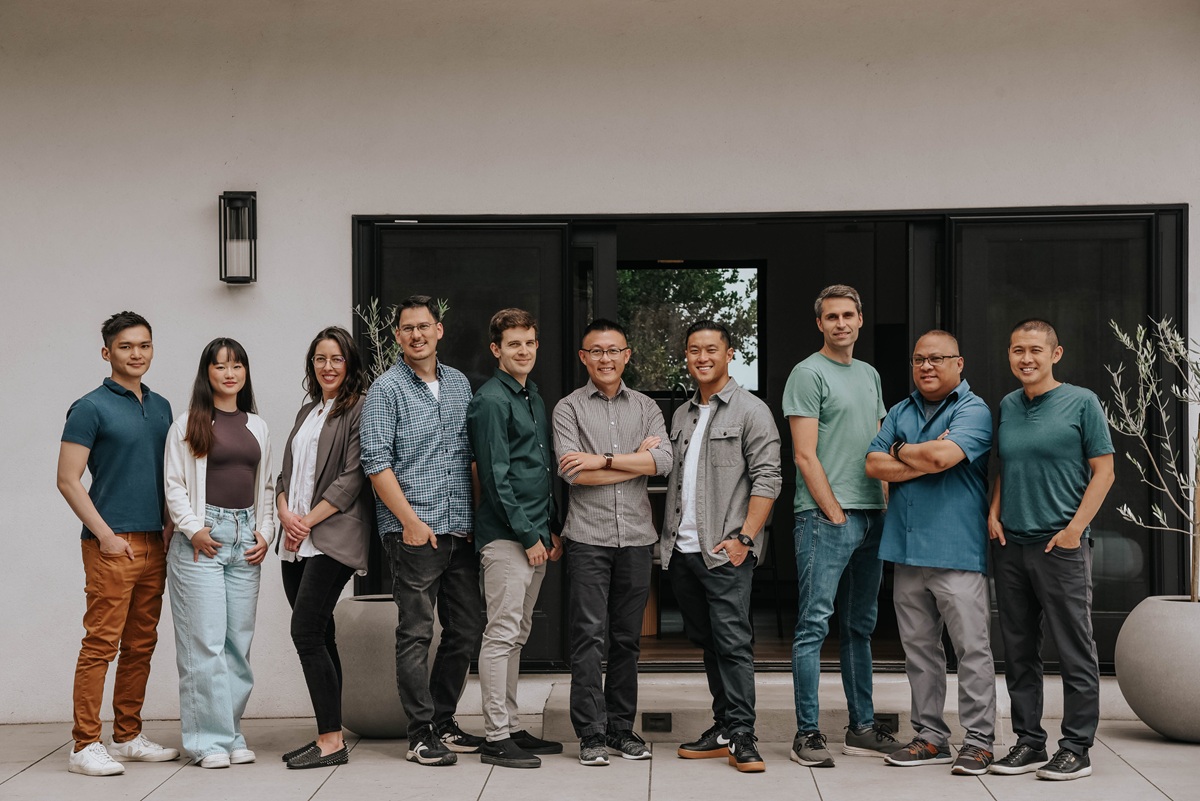
GGWP, a content moderation platform which uses AI to moderate game chat, is expanding beyond gaming to bring trust and safety to new industries.
The San Francisco company has raised $15 million in additional funding to expan into non-game enterprises as regulatory pressure comes down on platforms that allow people to engage with each other in social chat.
GGWP has already moderated tens of billions of messages across more than 100 games, and now it’s using its behavior-based trust and safety platform to sectors facing rising regulatory pressure and AI-driven risk.
George Ng, president and CTO of GGWP, said in an interview with GamesBeat that GGWP is pushing into publishing, real money gaming, commerce, and advertising. GGWP brings
together regulatory safety, gameplay context, and sentiment intelligence in a unified platform designed for real-time environments.
“We see trust safety becoming more of a bigger conversation across gaming and AI,” said Ng. “The market pull is clear. There are more digital platforms and they’re behaving more and more like games. They’re real time, they’re visual, social and creator led. You have a lot of the early game innovation — whether it’s in gamification and engagement optimization and the ad marketing creation side — going into these other consumer platforms and these domains. So at the same time, we also have AI increasing in both the volume and complexity of content that these platforms have.”
The other big pull is coming from the pressure for regulation, he said.
Having recently closed a Series A financing round of $15 million, the company is investing in building out enterprise-grade infrastructure – spanning compliance, reliability, and analytics – to support publishers operating at global scale.

Backed by founders and executives at top tech companies, including PayPal, YouTube, Twitch, and Discord, GGWP is continuing to focus on increasing its foothold in gaming, as well as industries where demand for more advanced trust and safety systems is accelerating. GGWP has helped some of the top platforms, including Fandom, to facilitate a brand-safe environment at scale, design positive communities, and enable trust and safety through an advanced AI infrastructure with industry-leading automation and human oversight.
As digital platforms face increasing regulatory pressure and rising brand risk, trust and safety are becoming directly tied to revenue and user retention. At the same time, the growth of AI-generated content is increasing both the volume and complexity of user interactions, making reactive moderation harder to sustain.
“Gaming forced us to solve trust and safety in some of the most demanding real-time
environments online,” said Ng. “Those same challenges are now showing up across other digital communities: more user-generated content, more AI-enabled abuse, more brand risk, and higher expectations from users. Our platform helps teams understand behavior over time, not just evaluate isolated pieces of content.”
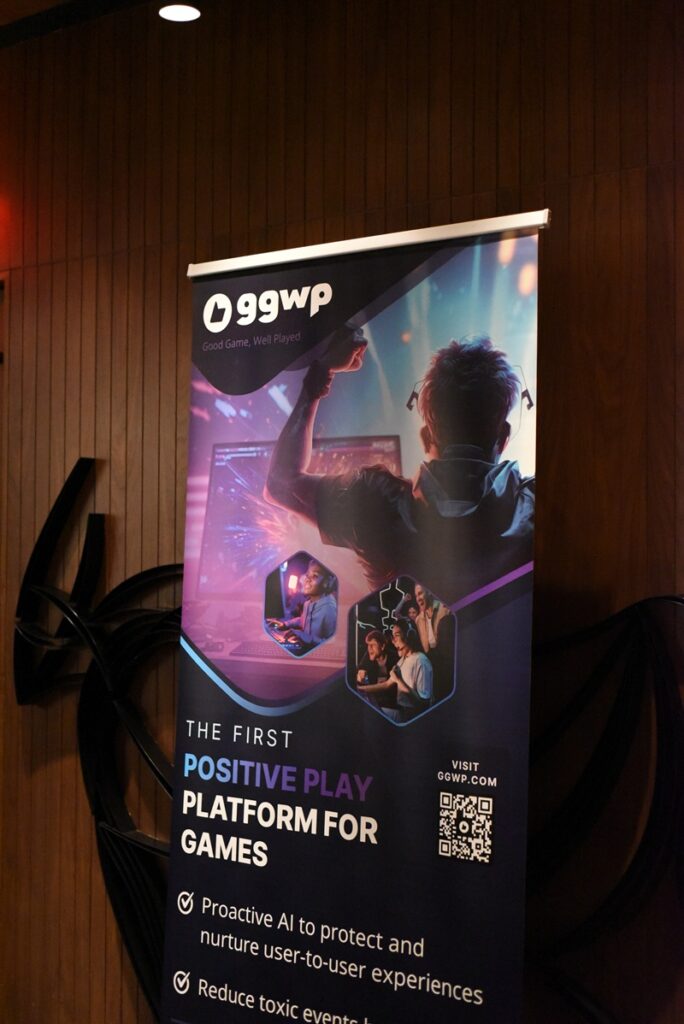
GGWP said the gaming lessons have given the company early visibility into how user behavior evolves at scale. The company’s platform is built around multiple purpose-built systems optimized for different trust and safety decisions and combines:
● Real-time analysis across text, voice, usernames, and reports, optimized for fast
decisions in live environments.
● Behavioral context models that evaluate user history, reputation, and recent activity
leading up to a specific moment.
● Long-window risk detection for complex harms that may not be visible in isolated
content.
● Automated enforcement and management workflows that help teams apply policy
decisions consistently and escalate ambiguous or high-risk cases.
● Community intelligence, which surfaces trends, feedback, and emerging risks from
conversation patterns.
By bringing these capabilities together, GGWP helps platforms improve retention and
engagement while reducing the operational burden of moderation. Its proactive approach shifts trust and safety from a reactive function to a driver of growth and community health. The platform is designed for privacy-conscious, compliance-sensitive environments where trust and safety decisions need to be reliable, explainable, and operationally scalable.
The company is backed by Headline Asia, Smilegate, Korea Investment Partners, Sony
Innovation Fund, Bandai Namco Entertainment, Samsung Ventures, SK Telecom Ventures,
Bitkraft Ventures, Makers Fund, Griffin Gaming Partners, Riot Games, and other strategic investors.
Ng said games are one of the hardest environments to establish trust and safety. GGWP has to moderate content in more than 20 languages.
“It’s just about applying these things into other demanding online environments, since these communities are now clearly facing these similar challenges,” Ng said.
Games often pave the way with new tech. Engagement and optimization techniques started with mobile games, and those lessons have been taken to other consumer applications. The same is happening now, Ng Said. The risk is that the youngest players can also adopt the tech the fastest, and they can be vulnerable to predators. So the platforms have to pay closer attention to protecting the young players.
For things like gambling, regulators require companies to moderate addiction closely. If someone says they are mortgaging their house to place a bet, it’s not toxic. However, regulators require a platform to stop such a person from making bets.

Over time, GGWP has expanded its services, which were first targeted at data infrastructure. It started with text chat and expanded to voice chat moderation. The company has been improving reliability and reducing latency, and it added image moderation and multimodal moderation. Now it’s going beyond games.
As regulations have gone into effect around the world, GGWP has expanded its regional sales efforts for its tools. The company has about 35 people.
Ng said he wanted to be clear the company provides tools as a vendor.
“We’re not a certification seal. Now we can help someone be a part of that process to get that certification. Because to get it, you need a clear policy,” he said. “We can help give guidance on how to come up with these policies, but you need that policy plan, and then you need to implement and act against it, and then you need the operating system to manage that workflow, that audit trail, that logging that you provide to regulators. So we can do all those things, but ultimately, it’s on the company, first and foremost, to have a plan or the desire to create one and executive against it.”
“Platforms like ours help these products become more valuable, because the next generation of communities are going to be assessed by whether they feel safe. Are they are sustainable? Is it worth participating in. The core product itself is effectively your interactions with other users,” Ng said.