
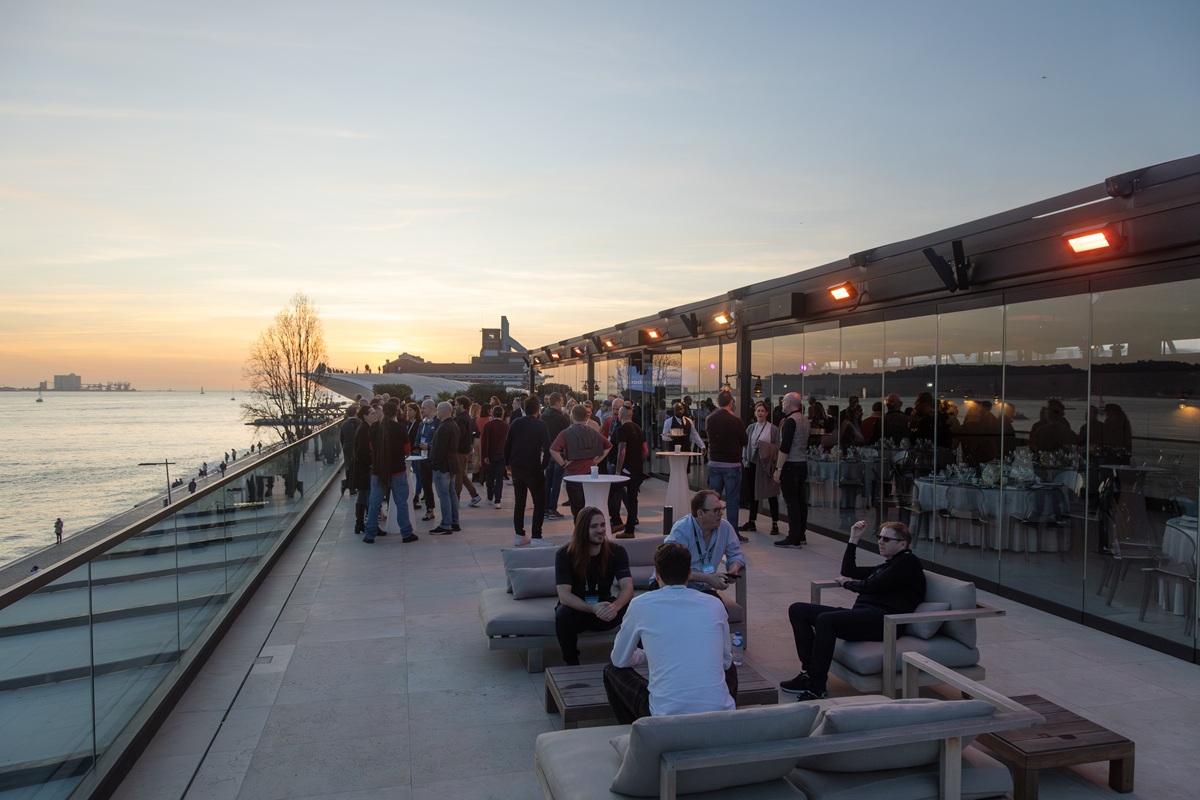
The Gamescom Dev Leadership Summit will take place in Lisbon, Portugal, again this year to help executives sort out one of the most complex transformation periods in the global games industry.
The event, powered by Xsolla, offers a rare opportunity for C-suite leaders to step back, reflect, and set their strategic direction for the year ahead.
Now in its third edition, this executive summit returns to Lisbon from February 24-26, bringing together studio founders and senior executives to confront the industry’s current challenges, from AI disruption and economic volatility to studio resilience and future-fit business models.
The event will try to draw around 100 people, who can speak to each other under Chatham House rules, where you can take away and repeat something someone said without identifying the person. I attended the event last year and it was excellent.
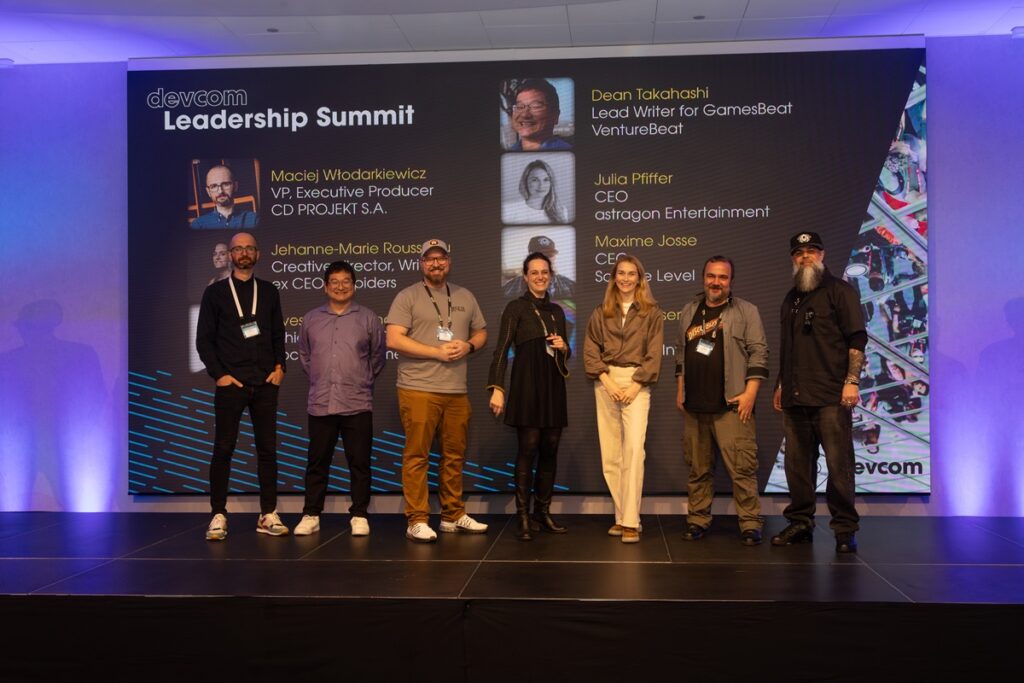
“We want to have an intimate atmosphere between people, where it’s all about candor, where it’s about trust, or ultimately, building trust through deep conversations. And I think that is where it’s different from larger gatherings, where it’s a lot about sitting in talks or presentations,” said Lars Janssen, host of the summit and CEO at Deck13, in an interview with GamesBeat. “Here, it is really about the participants being a part of it. We need deep knowledge exchange between them. That is why we also feel it’s it’s an event that needs to grow a bit, but not to a place where exactly these conversations are not possible anymore.”
Janssen there won’t be too many sessions where people just sit down and listen to others talk.
“We want to have more, even more interactive elements. We have a couple new things that we that we want to try out,” he said. “We already have the hot takes. We’re going to do that again this year, where some people make statements about certain things in industry, and others get the chance to react. That will really bring energy in the room.”
6 roundtables, 6 critical themes for 2026
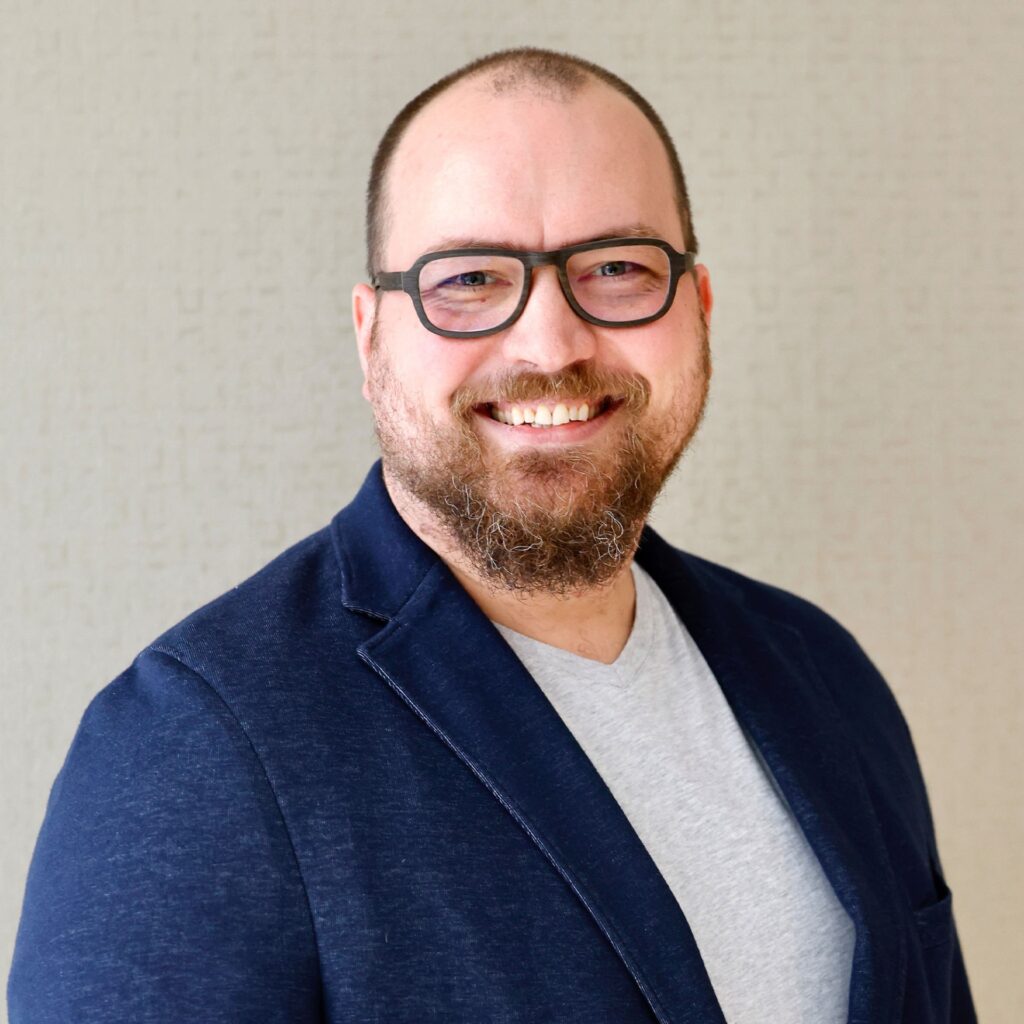
At the core of the summit is a three-day program built around six expert-led roundtables. The format is designed to foster open, experience-driven dialogue, enabling participants to share challenges, strategies, and solutions without public pressure.
Each roundtable is facilitated by an expert moderator and co-developed with senior industry voices, ensuring real-world relevance and actionable insight. Sessions include:
- Leadership, Talent & Organizational Resilience
Equip yourself to lead through volatility, retain top talent, and reinforce studio stability. - Production Excellence in High-Constraint Environments
Strengthen your production systems to ship quality games despite rising operational pressures. - Future-Fit Business Models & Strategic Growth
Shape your studio’s long-term strategy through smarter economics and adaptive funding models. - Tech Strategy, Engine Leverage & Ecosystem Risks
Make technical decisions that align with your capabilities and reduce dependency risk. - Creative Risk, Player Experience & Market Relevance
Tune your creative trajectory to stay distinctive, player-focused, and market-relevant. - AI Adoption, Regulation & Strategic Implementation
Gain clarity on AI practices, governance models, and the strategic choices the industry faces today.
A trusted forum for strategic dialogue
Unlike traditional conferences, this summit is designed to foster confidential, high-level exchange, allowing senior leaders to speak candidly and collaborate with peers on shared challenges. The agenda is shaped by the attendees themselves, enabling a bespoke, experience-driven program that prioritizes insight over presentation.
“This event has grown into a trusted space for strategic reflection and candid exchange,” said Janssen. “It’s about stepping away from daily operations and thinking critically about where we’re going as an industry.”
First key sessions confirmed
The 2026 program will once again feature a curated selection of sessions offering insight into leadership, creativity, and technology.
Pawel Rohleder & Adam Lason (PixelAnt Games)
“Dream. Fall. Rise again: We bought the studio back!”
Two triple-A veterans who left major studios to pursue their dream project, Pawel and Adam share a candid story of ambition, failure, recovery, and rebuilding. Their keynote explores how determination, strategic thinking, and resilience enabled them to regain creative independence and start again on their own terms.
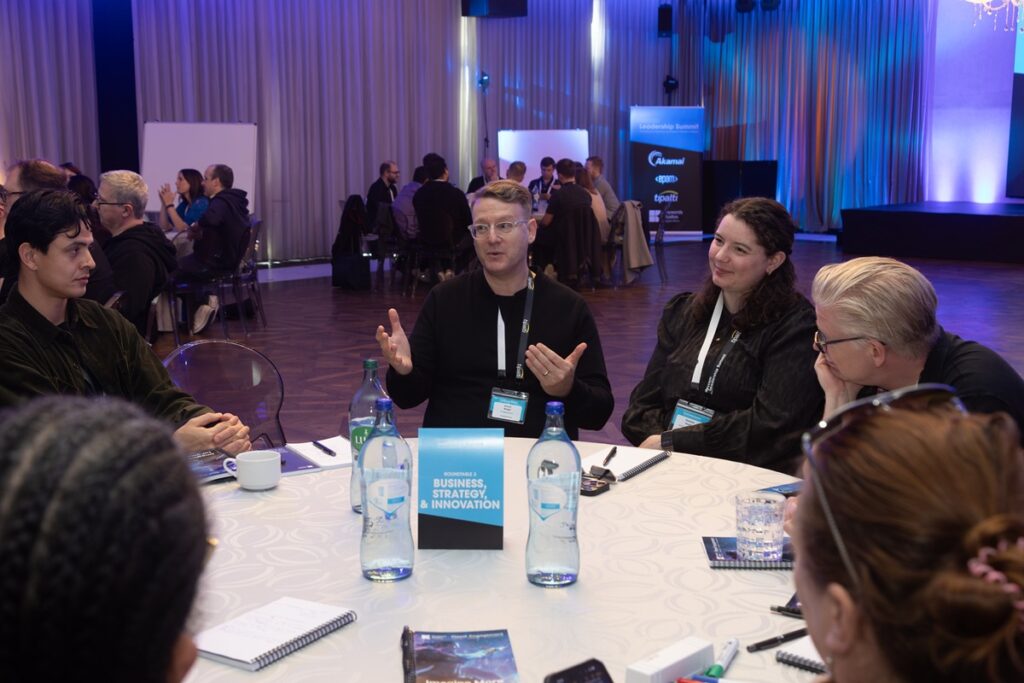
Tommy Thompson (AI and Games)
“Biting the Silver Bullet: AI in the Games Industry in 2026 and Beyond”
The games industry has embraced artificial intelligence (AI) as a means to craft gameplay and support production for decades, and it’s no surprise that the recent surge in generative models has been proposed as the silver bullet for all of our industry’s woes[…]. But the truth is far more nuanced, and in 2026, for every legitimate adoption we find, there are myriad issues to be addressed about how we embrace it and why – at a time when players at large reject it on principle.
Janssen believes Thompson, for example, will address the AI topic in a smart way, looking at it from a variety of angles.
“I think Tommy is one of the few people that can really do this in a great way, and hopefully get this conversation started around the topic and how we how it impacts us as an industry,” Janssen said. “I am curious myself. I would say the AI topic has not been solved. But I am curious to see how the participants this year are addressing it. There is even more pressure on the industry to figure things out faster. And that’s why it’s even more important to keep this exchange going.”
At least the pandemic issues are behind the industry now and they won’t have to discuss so many issues like going remote or not.
Confirmed Speakers, Hosts and Panelists
- Adam Lason, Co-Founder at PixelAnt Games
- Allen Murray, VP of Production at Studio ZAUM
- Blake Rebouche, Lead Quest Designer at Guerrilla
- Bogdan Draghici, Creative Cinematic Director at Massive Entertainment
- Christion Fonnesbech, Founder & Head of IP at Leverage
- Dimitri Barabe, Production Manager – Studio Operations at Quantic Dream
- Garrett Young, COO / General Manager at emptyvessel
- Garry Seto, Founder at Massive Damage Games / Electric Ink Games
- Jeferson Valadares, President at Associação de Produtores de Videojogos Portugueses
- Lisa Kretschmer, Senior Manager Global Studio Strategy at IO Interactive
- Lars Janssen, CEO at DECK 13
- Matt Firor, Consultant, form. Studio Director at ZeniMax Online Studios
- Maria Cornelius, Independent Advisor & Investor (Games & Interactive Entertainment), formerly Chief Product Officer Arrowhead Game Studios
- Marie Mejerwall, Consultant & Game Director
- Pawel Rohleder, Co-Founder / Studio Director at PixelAnt Games
- Per Strömbäck, Managing Director at Dataspelsbranschen – Swedish Games Industry
- Stefanía Halldórsdottir, CEO at Avalanche Studios
- Dr. Tommy Thompson, AI Researcher, Game Developer at AI and Games
- Tymon Smektala, Dying Light Franchise Director at Techland
A theme of resilience
In an interview with GamesBeat, Janssen said that the theme of the event revolved around the idea of being resilient.
“It’s no surprise that if I say that, over the last couple of years, we have faced many challenges in the industry that I’m sure everybody who works in the industry is well aware of,” Janssen said. “And obviously, right now, you see that there are a lot of disruptive things happening, whether it’s restructurings or AI disruption happening. So many things that affect game development companies around the globe, and that’s what we find. It’s actually better fitting than ever to have in-depth conversations with people who face those similar challenges. It’s a very interesting and complex time.”
The answer to navigating these tough times is how leadership can develop resilience, not only in the workforce but also in organizing the company so that it can be resilient in the face of unpredictable events.
“Organizational resilience is one of the areas that we really want to focus on this year because we feel it’s something that a lot of people are curious about,” said Janssen. ” How do others do it? How do I learn from peers who navigate this change better than others.”
The group will also try to understand the impact that business models have and how to make the game that you really want to get done.
Regarding the speakers and the leaders, Janssen said, “What unites them is being in a role where they need to make tough decisions, where they need to steer their businesses through difficult waters. And I think that’s what unites them all.”
The event will have PC, console and mobile game company leaders. There’s also a balance between triple-A games and indie games.
As far as Europe’s own experience of the lack of funding for game startups, Janssen said he would describe the current situation as a crisis but more as a normalization phase after years of exponential growth in funding. He noted that during the pandemic, gaming was growing as people couldn’t leave their homes. Then game companies made their decisions to double down on expansion and hiring. And now people are back to other activities and the pandemic is over, so the funding has normalized, he said.
“We need to think about how we are efficient now,” he said. “Leadership decisions now carry more weight and have less margin for error from my point of view, and that is why this is so important, and that the summit here reflects that reality. It’s really focusing on leadership and production under constraints and business models. So I do think funding has become more of a challenge.”