
At Microsoft’s Xbox showcase today, developer Turn 10 Studios announced that Forza Horizon 6 is heading to Japan for its setting in 2026.
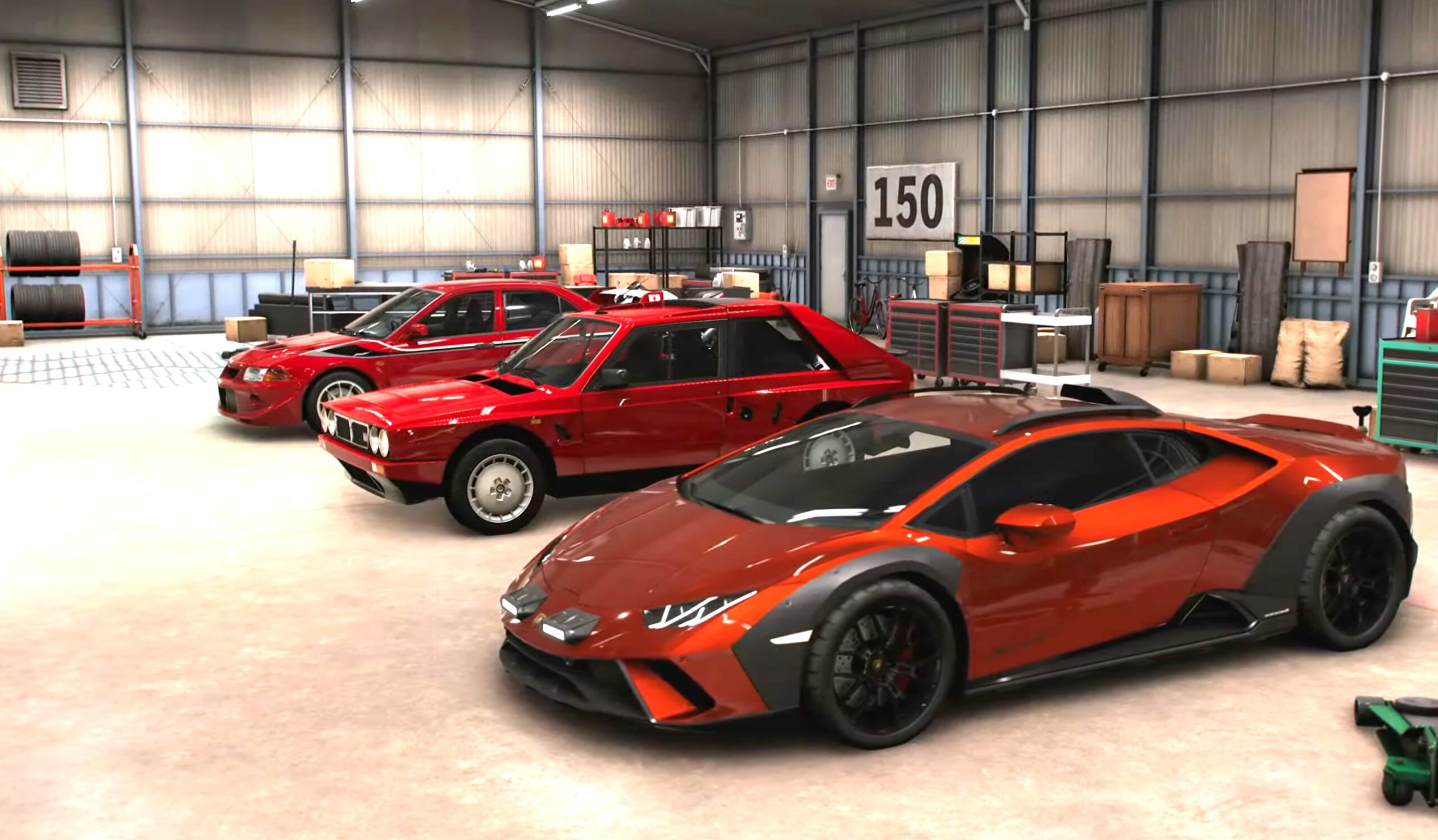
The game shown in the Developer Direct features more than 550 cars across all performance classes, with details like the ability to paint liveries on windows.
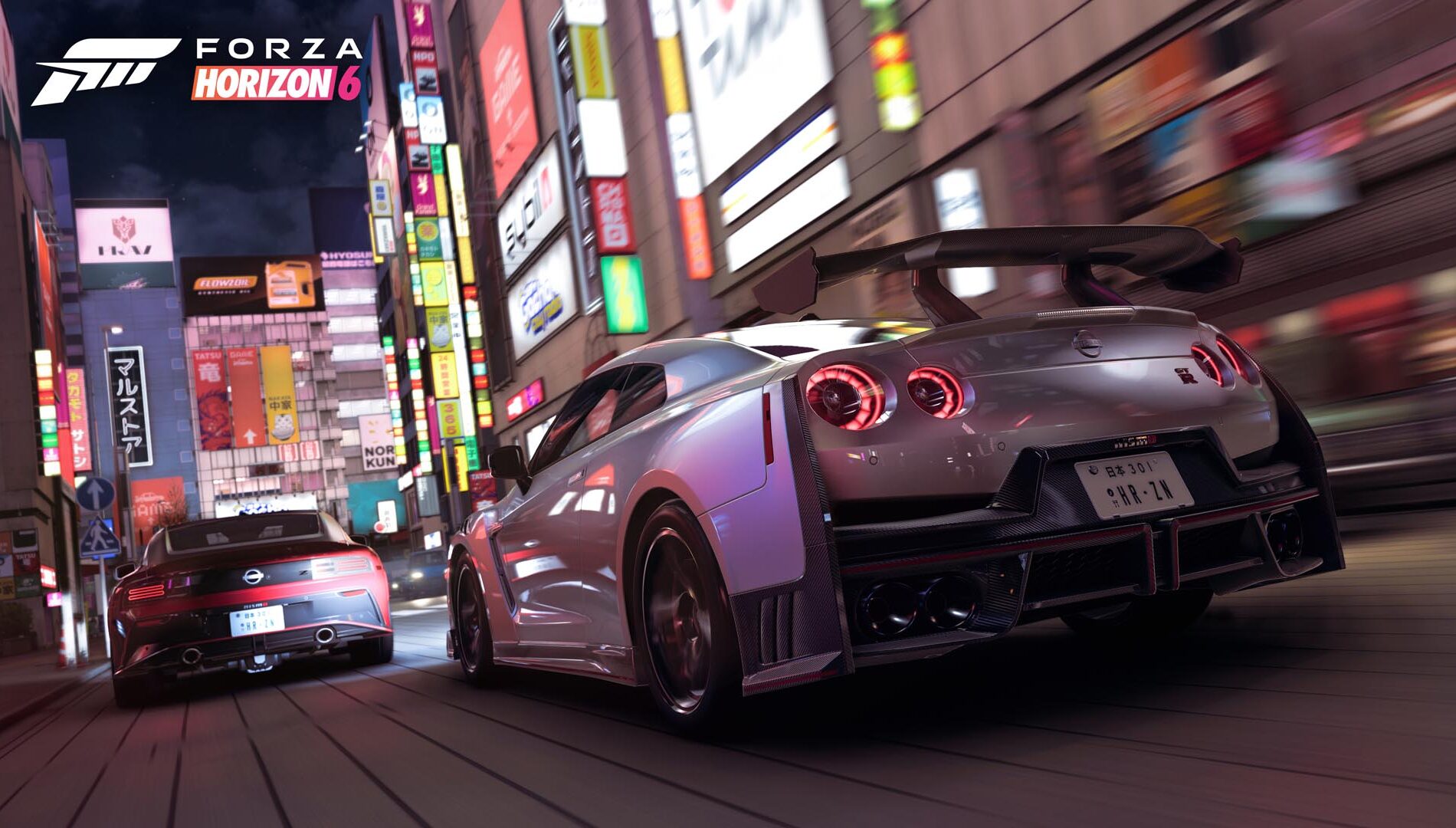
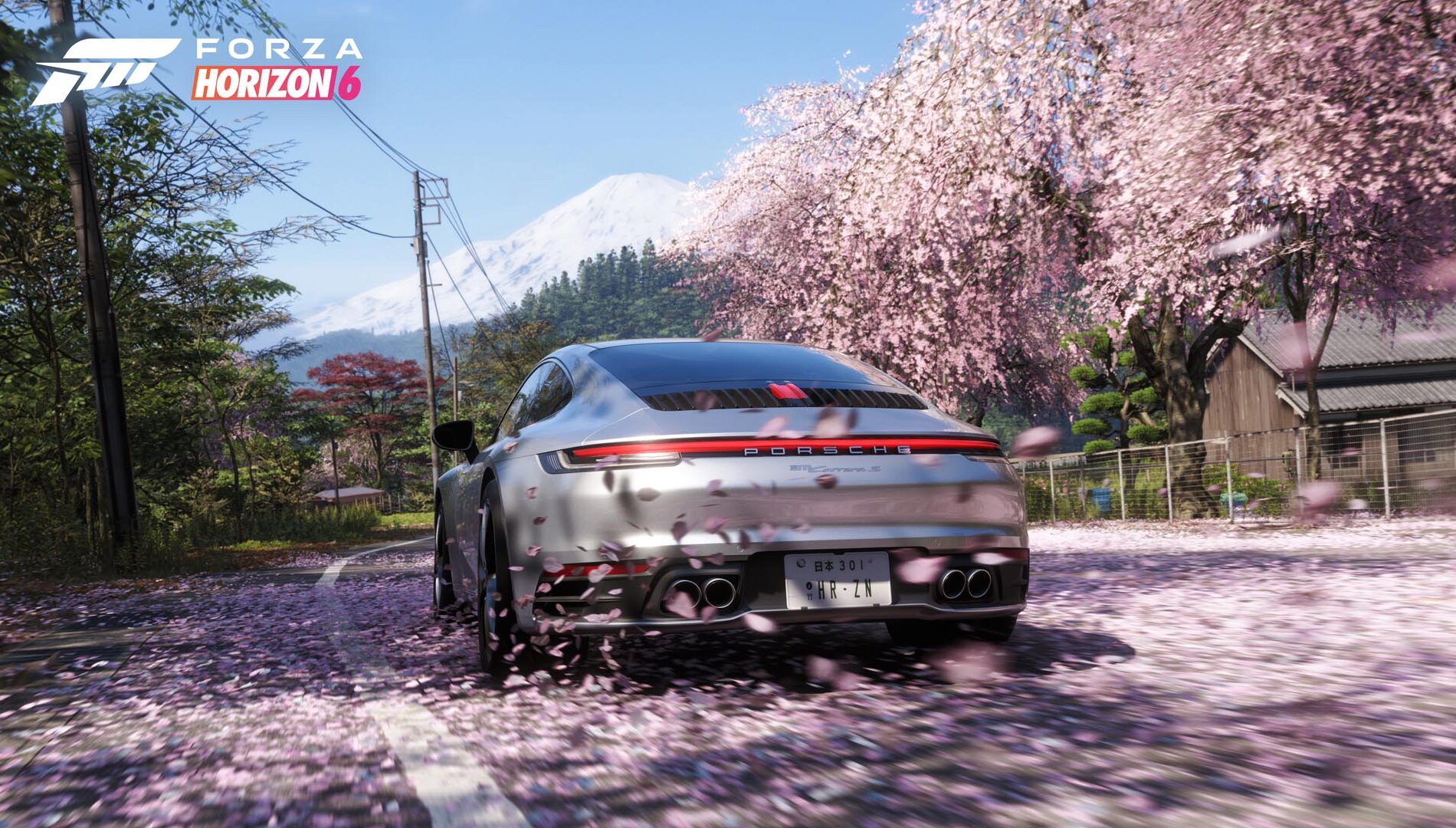
The game’s visuals will focus on the diversity and beauty of driving experiences in Japan, and the narrative will emphasize the unique car culture of Japan. The team captured the seasons and landscapes of Japan and built it into the open world of the game. It’s pretty amazing to see how detailed the car models are and how realistic the look of the environment is in replicating scenery in Japan.
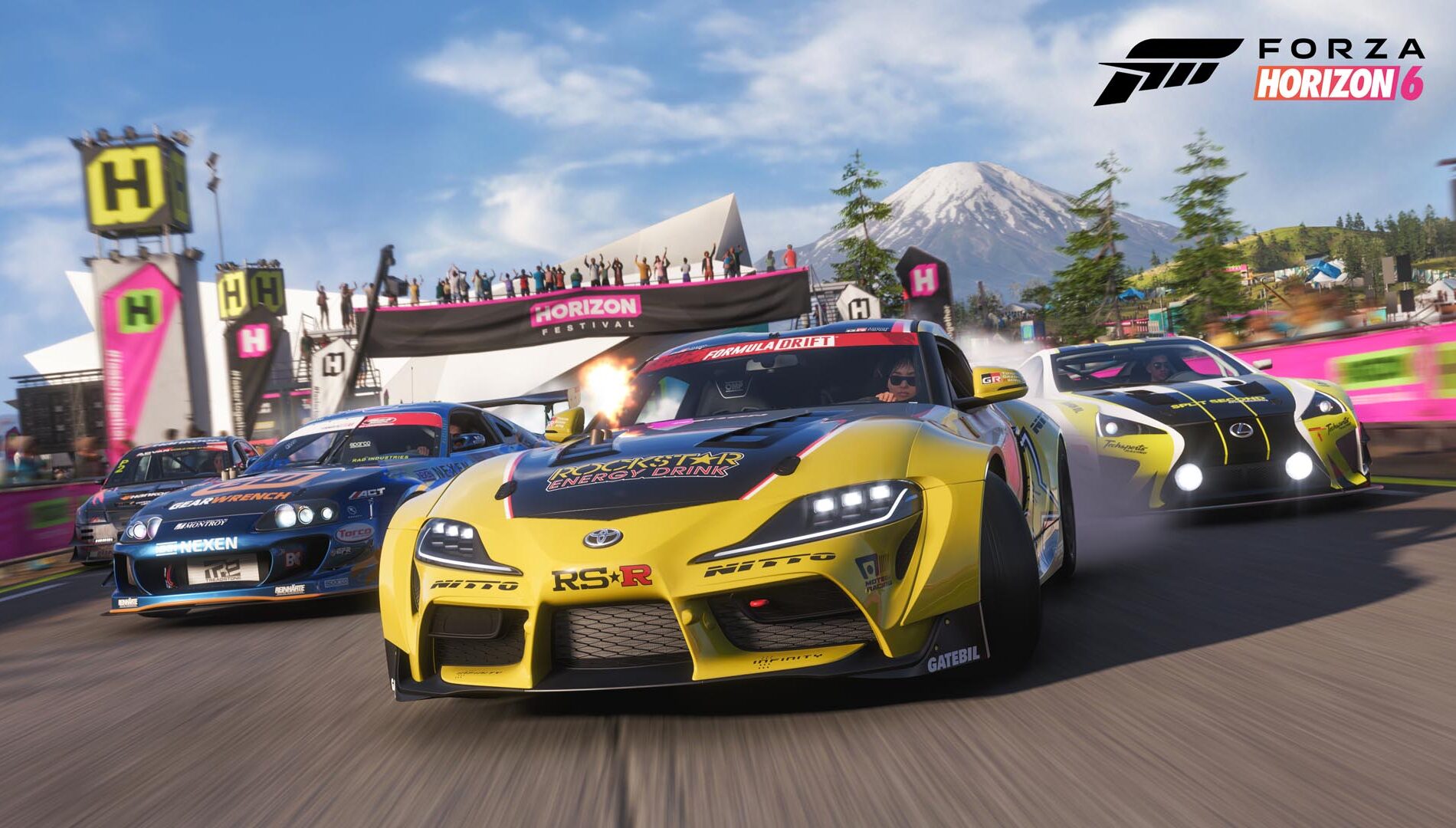
The game has customizable high contrast viewing for accessibility. It will have open world car meets and customizable garages where you can show off your car. Torben Ellert, design director, and others on the team showed off the title.
With the aim of authentically creating a racing experience that reflects informal gatherings as well as professionally organized events, Forza Horizon 6 introduces Car Meets, a feature also grounded in Japanese car culture. These meets are inspired by the Daikoku car meet – a world-renowned, mostly spontaneous meeting place and sacred ground for car enthusiasts. There are no official events, no entry requirement, and it’s always open.
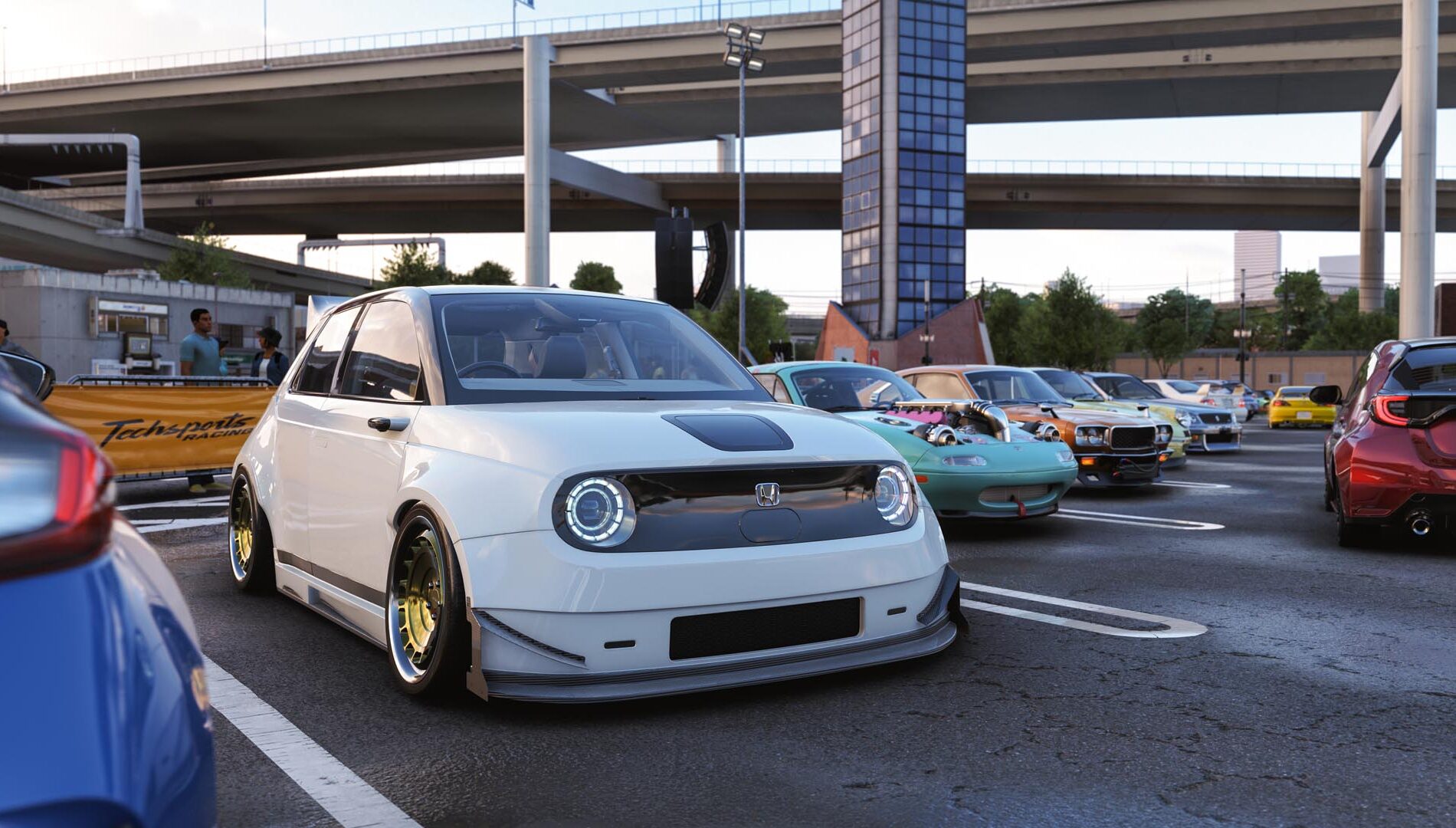
There are three locations in-game where permanent Car Meets take place. One is at the Horizon Festival, another is towards The Alps at the Okuibuki parking area, and the third is of course, at Daikoku itself. Here, players can roll up, meet other real players, check out their cars, download custom paint jobs and designs, and even purchase their own version of a car they like. It’s a seamless social space that you can enter alone or with a party of friends, and a neat way to really recreate that sense of community within Horizon 6.
Forza Horizon 6 launches on May 19 for Xbox Series X|S, Xbox on PC, Xbox Cloud, Steam, and with Game Pass Ultimate – it will come to PlayStation 5 later in 2026.
The segment was a deep-dive into the first look at gameplay, including reveals of new features – and how Japan comes to life in this new installment.
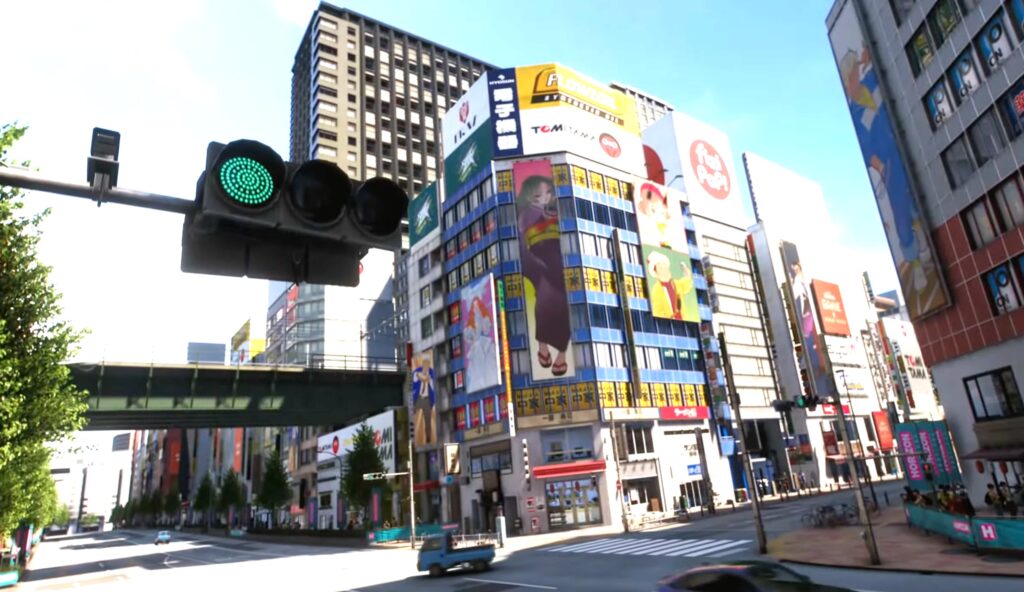
At the end of the presentation, the team showed off a giant Gundam’s feet walking behind a car.
You start Forza Horizon 6 not as a professional driver, but as a tourist, with a dream to one day attend the Horizon Festival in Japan. It’s a slightly different approach compared with previous Horizon games; in Horizon 4, you’re rising through the ranks in the UK, and in Horizon 5’s Mexico, you’re at the apex of the career you built in the epilogue of the previous game. Horizon 6 almost feels like a fresh start, and one designed to appeal not just to car enthusiasts, but anyone with a big goal, the company said.
“Ultimately, I think it really boils down to the fact that so many of us love that idea of going to a place that you don’t know, a place that you’re eager to discover,” Ellert said. “You have this motivation to go to Japan with the Horizon Festival, but you’re only attending as a fan, with a dream to take part in it. That felt like a great way to frame up that big open-door experience and explore the question of ‘what would it take for you to drop everything to fly to the other side of the world to pursue your dream?’
“Somehow, it felt right in this game to just put you on the ground – like you just got off the plane, you’ve got a couple of friends that share your dream and know the surroundings. It’s a notional projection of yourself in the game, and the thrill of arriving in a new place full of opportunities,” he said.
The game has mountain vistas and passes, neon-soaked city plazas and brooding dockland strips – masterfully designed. However, the goal wasn’t to accurately recreate Japan’s roads and spaces mile for mile, but to capture the essence of the place in a smoother, condensed reality.
“It’s easy to think of an authentic space as a recreation of a place, but it’s less about that accuracy, and more about the feel of it,” Ellert said. “If you think about driving in Tokyo, for example, what does that look like? What are the things that make it feel like this place? You’d see it in the distance from the freeways, before passing through the suburbs, then suddenly you’re in downtown, surrounded by skyscrapers.
“It’s about looking at roads, references, thinking about what you see in each place and how it feels when you turn a corner. You don’t recreate every corner – you recreate the experience of having something revealed when you get there,” Ellert said.
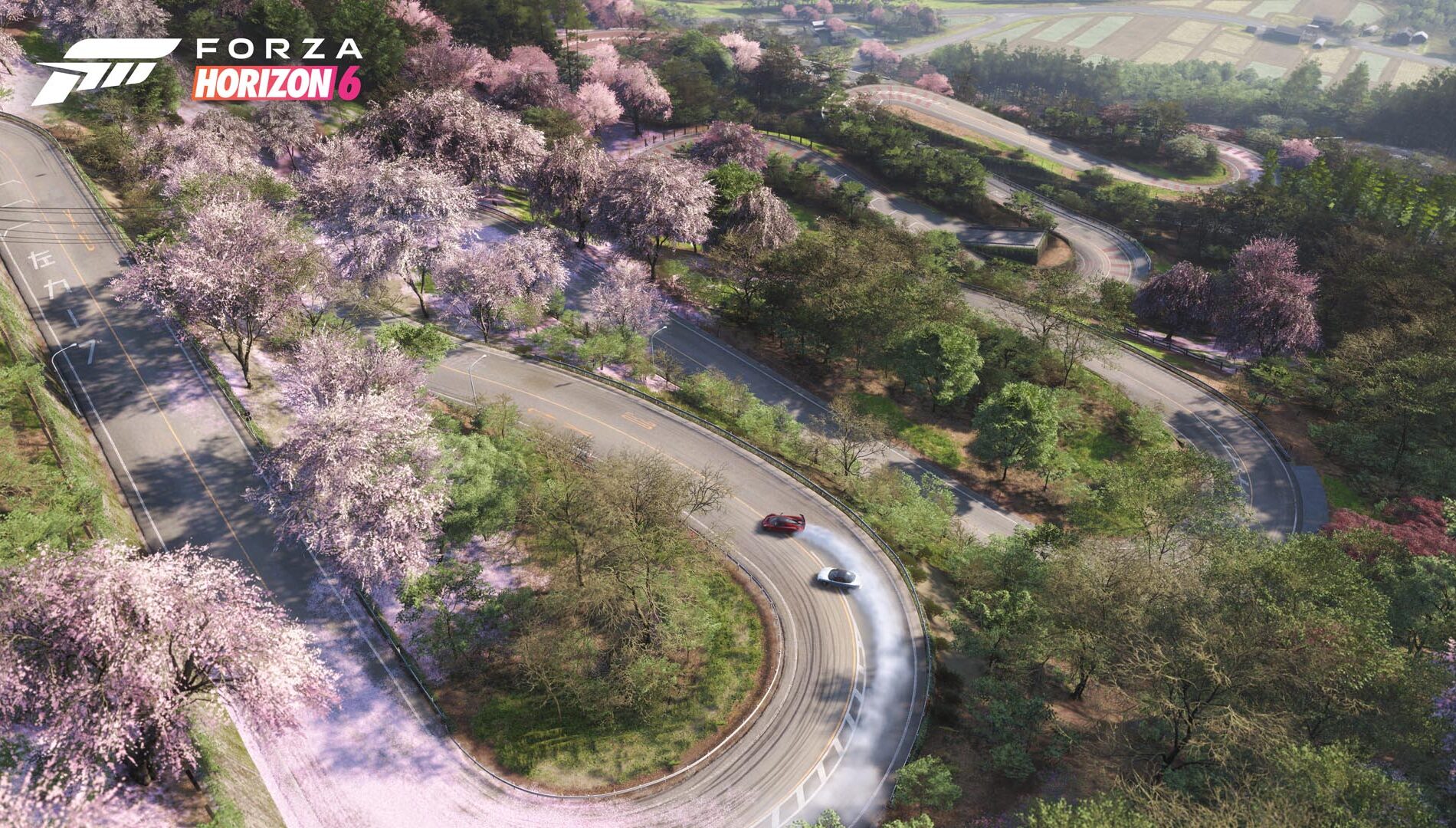
“Filtered through the lens of being a Horizon game, which is a big open world with its consequence-free traversal, we had to find that balance between what it feels like to be there, but also the fun of a Horizon game where you can jump in a hypercar, absolutely spin it off a cliff and earn points for doing that.”
Forza Horizon 6’s sprawling, impressive map is separated into distinct districts, instantly recognizable as soon as you approach. The suburbs are dotted on the outskirts of Tokyo; narrow, undulating streets with telephone wires sweeping overhead, connecting clusters of modest homes.
Tokyo also has a docklands district, an industrial space piled high with huge cranes and colossal freighters, and there’s a delightful dichotomy between the looming, brutalist architecture built for tiny, bubbly city cars to zip around in.
There’s also the iconic downtown area, where you’ll see Shibuya Crossing, Ginko Avenue and Tokyo Tower – breathtaking landmarks bound together by dense urban streets, clever shortcuts and hidden paths, but all designed to support Horizon’s typically fast gameplay.
You won’t end up in Japan alone – two of your close friends are coming to experience this adventure with you. Jordy is a passionate motorsports enthusiast, while Mei is an experienced Japanese car builder, and it’s her character that adds an insider’s perspective to your journey through Japan. That insider perspective was mirrored in the real world by Playground Games’ Cultural Consultant Kyoko Yamashita.
“One thing that surfaced when our team travelled to Japan was how valuable it is to have someone there who knows the place, who can help you navigate some of the things that even a well-researched tourist might not know,” Ellert said. “It’s one thing to understand it from your perspective, but that inside perspective is so important when recreating a space.”
The Journal
The team knew it wanted to continue the established wristband progression system from previous Horizon games – where players rise through the ranks of the Horizon Festival to unlock better cars and higher caliber races. This time around, with this new setting, Playground Games wanted to introduce another way to progress, one that gives explorers a real goal to chew on, and one that felt intrinsically tied to Japanese culture. Enter: the Collection Journal – a new feature inspired by Japan’s rich stamp collecting history, that lets players build a digital collection of mementos discovered throughout Japan.
“We wanted this archetypically Japanese experience, but delivered in a structured way,” Ellert says. “When you discover points of interest, that goes into your Journal, and it generates progression towards your rank in the Horizon Festival and your general progression in Japan.”
The Journal adds a new level of value to exploration in Forza Horizon 6, linking back to that player freedom that Ellert mentioned earlier, and how these games are built for adventurers, not just petrol heads. It’s also a deeply customizable experience – you can take photos of murals, landmarks, and other notable spots, and save them in your journal, adding a personal flair to your adventure.
The Estate
Similar to previous Horizon games, there are eight player houses that you can unlock throughout Japan, whichserve as fast travel points, a customization space, and all come with garages where you’ll be able to fully decorate the space and display several vehicles per home. One notable addition to Horizon 6 however is The Estate, a much larger piece of land that you can acquire and build pretty much whatever you’d like on. This space is yours to expand however you wish, and it’s also deeply inspired by that same attention to Japanese culture.
The Estate is grounded in an idea in Japan called Akiya, which is basically an abandoned piece of property in rural Japan. These homes are often passed down through families, and as the cost of demolishing the building is often more than just leaving it, these buildings can sit and fall into disrepair.
“The Estate is inspired by this – it’s an old property that belonged to Mei’s family, and as you’ve travelled to Japan together, she’s asked you to help fix it up,” Ellert tells us. “Being responsible for an Akiya is really rooted in community, you take on the job of refurbishing somewhere that’s useful and meaningful to the people around you.”
The Cars
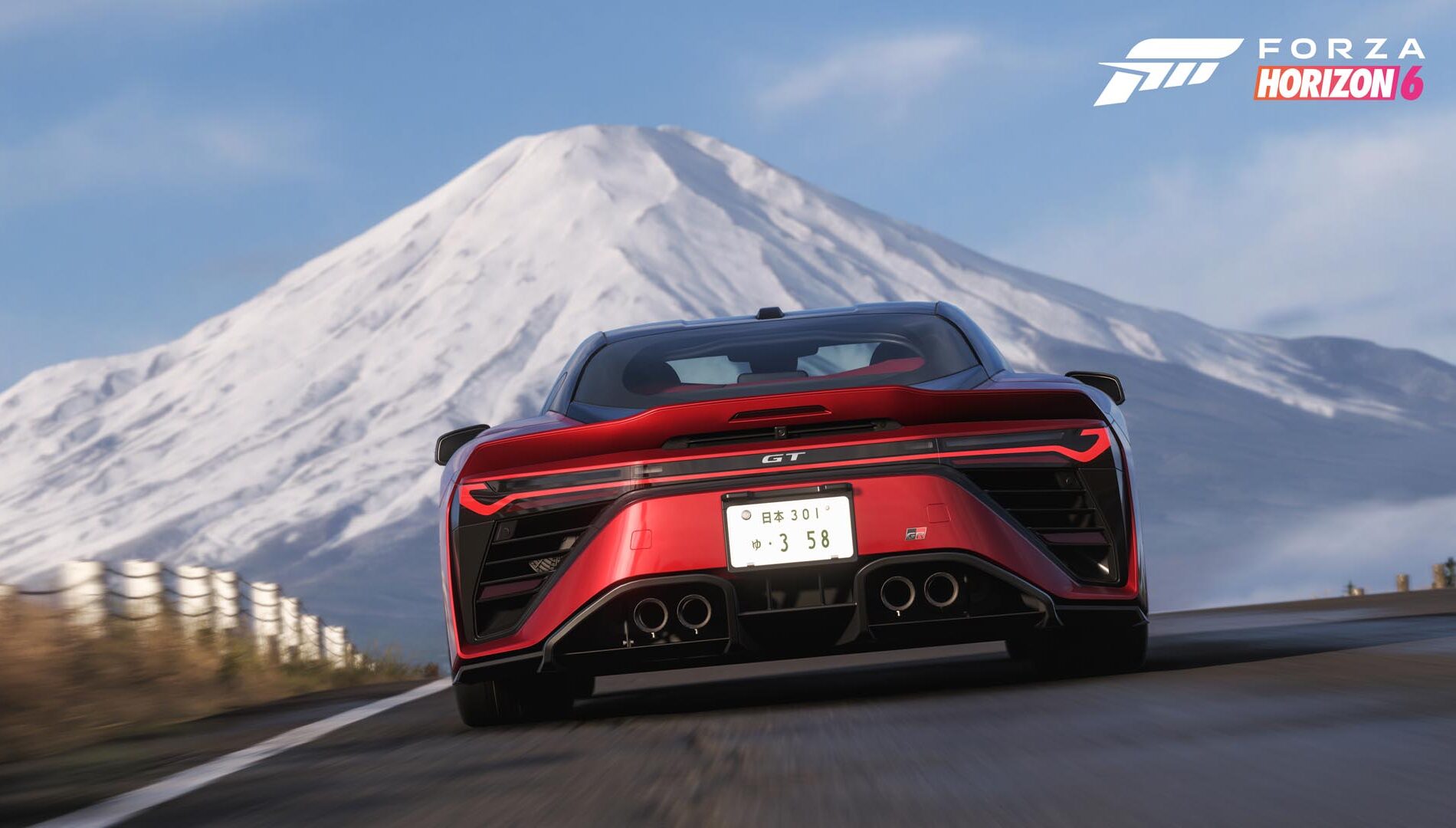
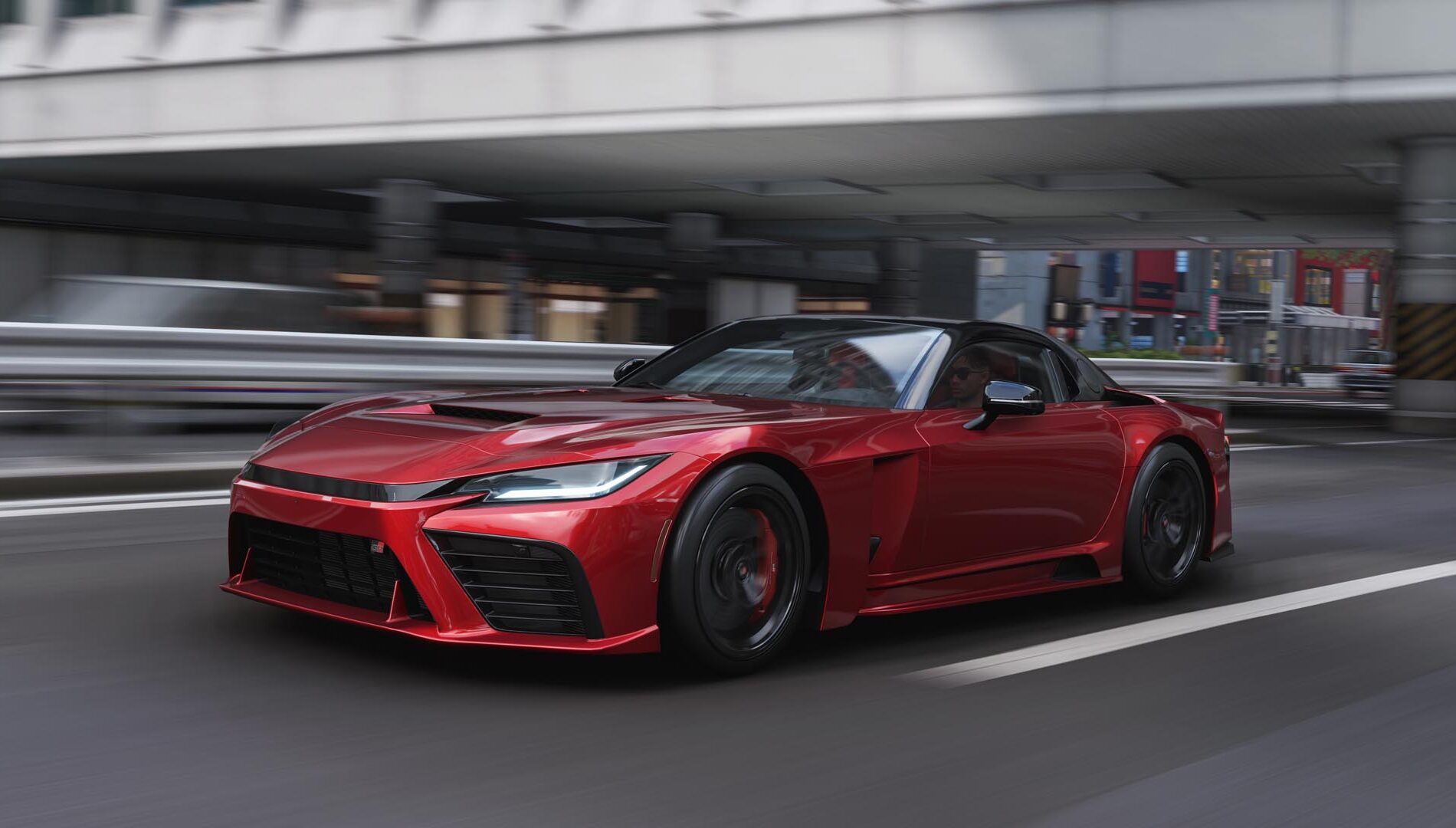
While Forza Horizon 6 is built to give players more freedom than ever before in how to progress and where they spend their time, the team is still here to serve absolute excellence when it comes to the vehicle roster. There are around 550 different cars at launch to collect in Forza Horizon 6, including the newly-revealed Forza Horizon 6 cover cars, the 2025 GR GT Prototype and the 2025 Toyota Land Cruiser.
The cover cars come to life beautifully in the Forza Horizon 6 key art, also revealed at Developer_Direct. The artwork was inspired by the idea of Japan as a land of contrasts; urban, rural, modern, traditional – elements that are reflected through the use of mixed media, paper texture and color, according to Ellert. The visual style was also heavily influenced by the traditional Japanese ink style paintings known as Sumi-E. The Forza team consulted with a Master Artist to ensure the spirit of this artistic style was captured – and collaborated with Toyota to ensure the details on both the 2025 Land Cruiser, and the brand-new 2025 GR GT Prototype are fully representative of what players experience both in-game, and in real life.
“The 2025 GR GT Prototype is really special to us because it’s our hero cover car, but it’s also a car that you drive as part of what we call the Initial Experience,” Ellert adds. “It’s the first 10 minutes of the game where you get to drive the car, almost as a prelude. You get to do some off-roading in The Alps, race the Shinkansen (bullet train), and get a taste of what’s to come.
“Then, we take that all away and say, ‘well that’s about the festival, and you’re not in the festival’, this brief experience with the 2025 GR GT Prototype is aspirational, almost like a dream, and it gives you that aspiration to go out and earn that car yourself because it really is an amazing thing.”
One final note that Torben does leave on, is what cars have grown to mean to everyone today. While illustrious supercars may be reserved for a minority (or something to be authentically experienced inside a Forza Horizon game), cars are a commonplace item in so many lives and rarely purchased without thought, even by those that wouldn’t consider themselves an enthusiast.
“[Cars] are often the most expensive things that many of us will own. They are the most engineered things that many of us will own,” Ellert adds. “They are brash, they’re loud, they’re beautiful, they appear in fashion and fame, and they’re associated with celebrity, freedom, and the ability to go wherever you want to go.”
“And ultimately, that is what Horizon games are for me. They’re about freedom, and they’re about fun, and they’re about beauty, and they’re about community. Forza Horizon 6 is about giving people the ability to go where they want to go in beautiful machines, in a beautiful place, in a fun, approachable game with their friends.”