
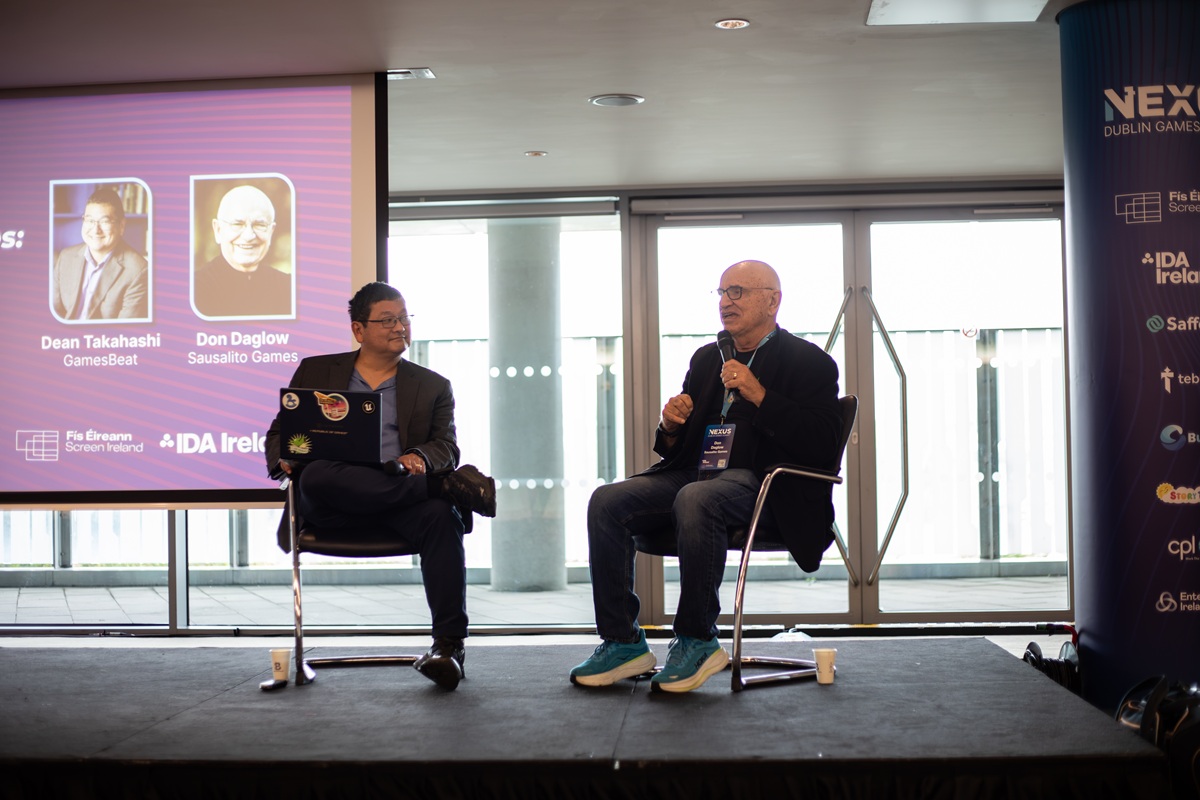
Don Daglow discovered games back in 1971, when he walked into a Pomona College dormitory and saw a computer game playing on a terminal screen. It was a narrated Star Trek game, primitive as befits the time, and Daglow was hooked. Fifty-five years later, he is still making games.
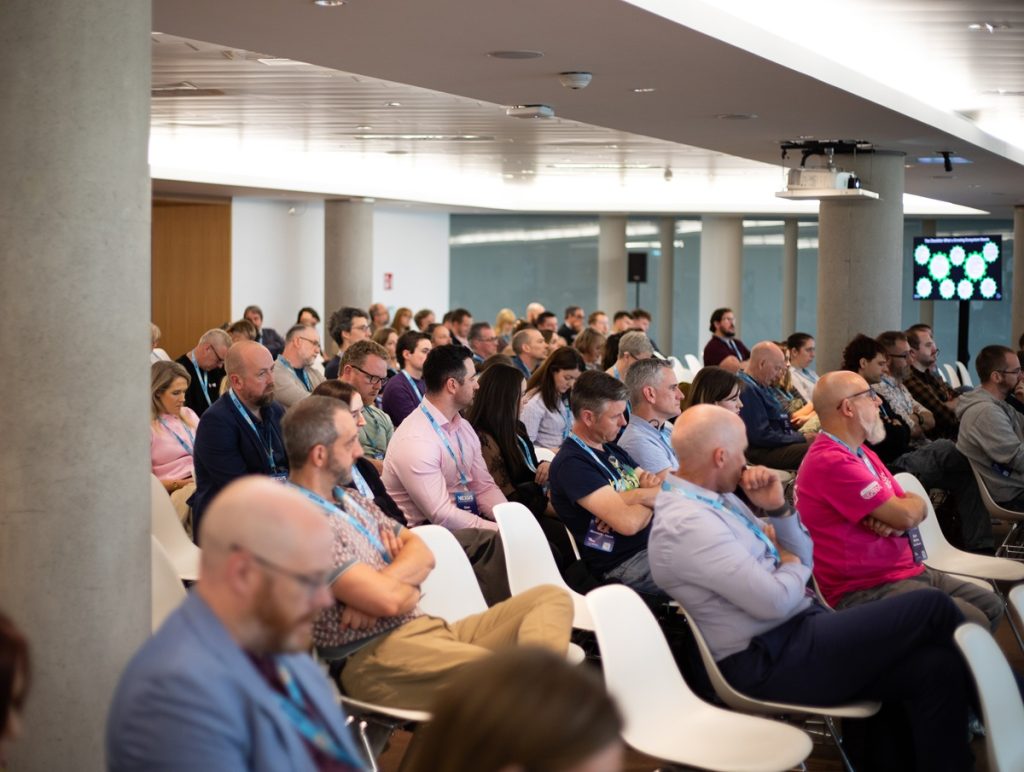
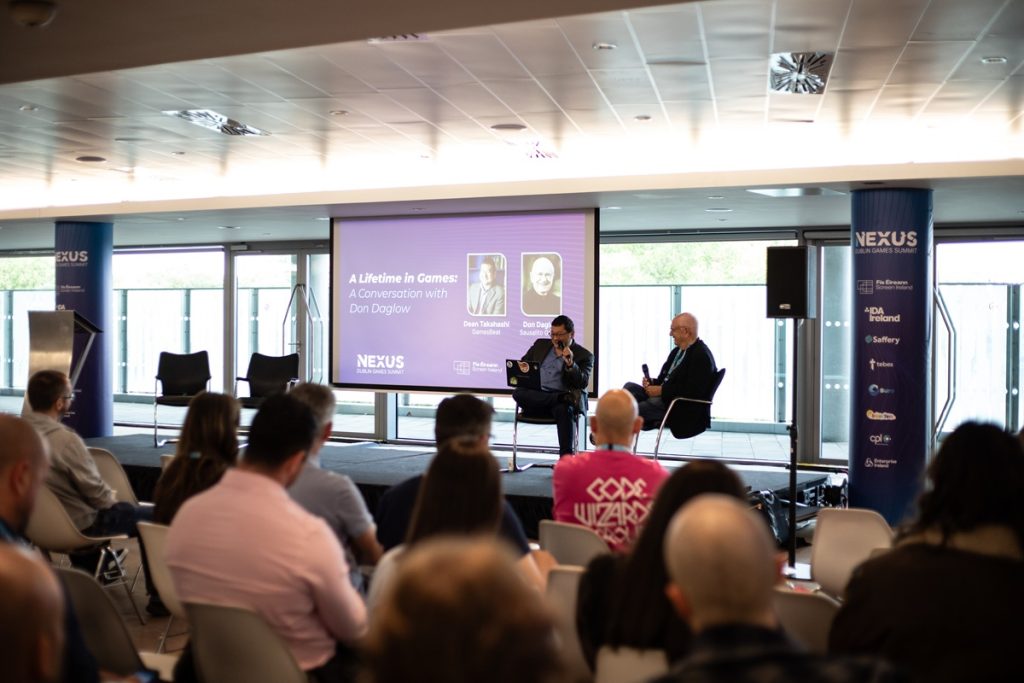
Now an elder statesman of the game industry, Daglow caught the bug of enthusiasm, and he wants people to remember that passion for gaming. Daglow related this origin story to me in a fireside chat at the Nexus Games Conference in Dublin, Ireland, last week. In front of a crowded room, it was a pleasure to do the fireside chat in front of game veterans and young folks.
“I would like you to relay this to anybody who’s starting out a games career at this point. All that happened for me was that I was lucky to be in the right place at the right time,” he said. “In 1971, I was coming back to classes one day at college. I walked into the dormitory where I lived. I didn’t know it had just become the only dormitory in North America that had a computer terminal where students could do any kind of work on it. I lived in that dorm, walked in, saw the terminal, was shown a game.”
He added, “I was a playwriting major, and I was shown a Star Trek game that printed a script that narrated a battle. If you are a playwriting major and you are shown a game that prints out scripts, it is not a reach to have your brain explode and say that this is a new form of entertainment. I could not stop thinking about it. And that passion that started 55 years ago at that precise moment in 1971 — that’s what ignited the passion, and everything else rolled out of that.”
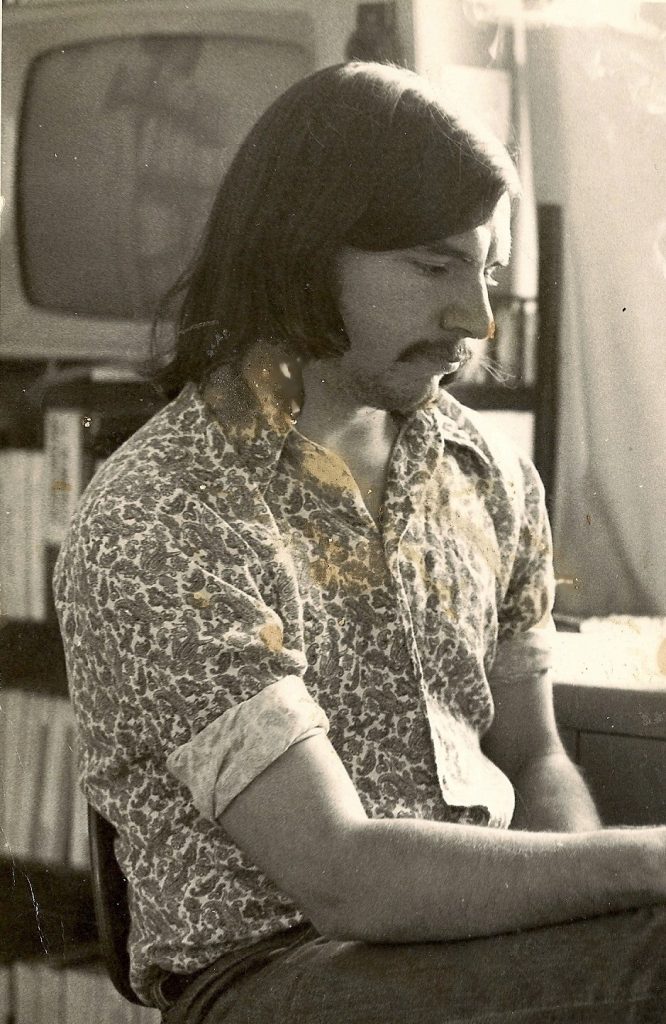
I asked Daglow to summarize his career. He said the 55 years is accurate an it ruins all of the lies he has ever told about his age. He didn’t list a bunch of these honors.
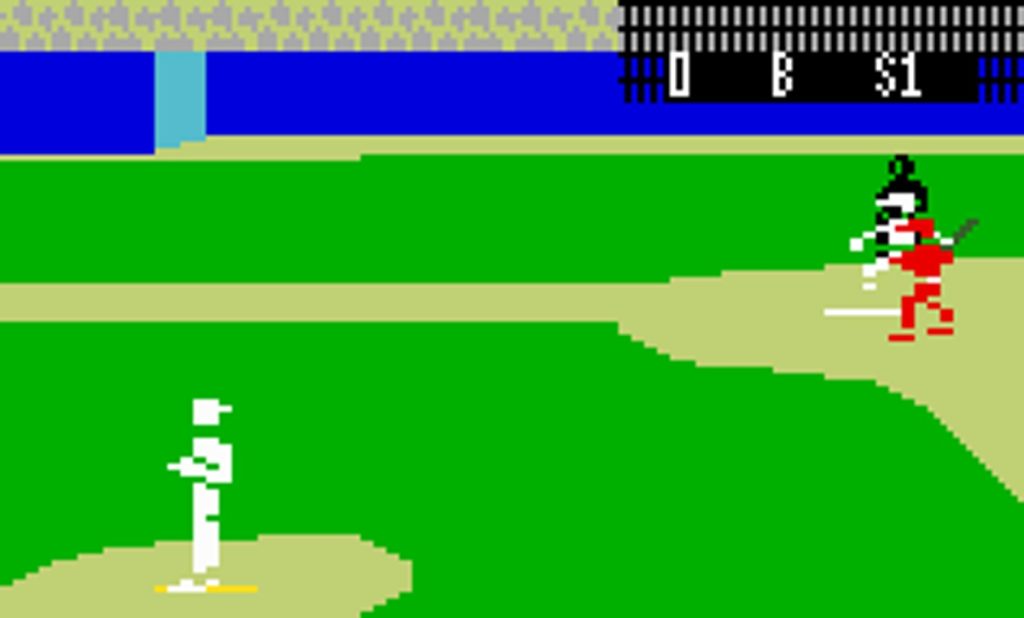
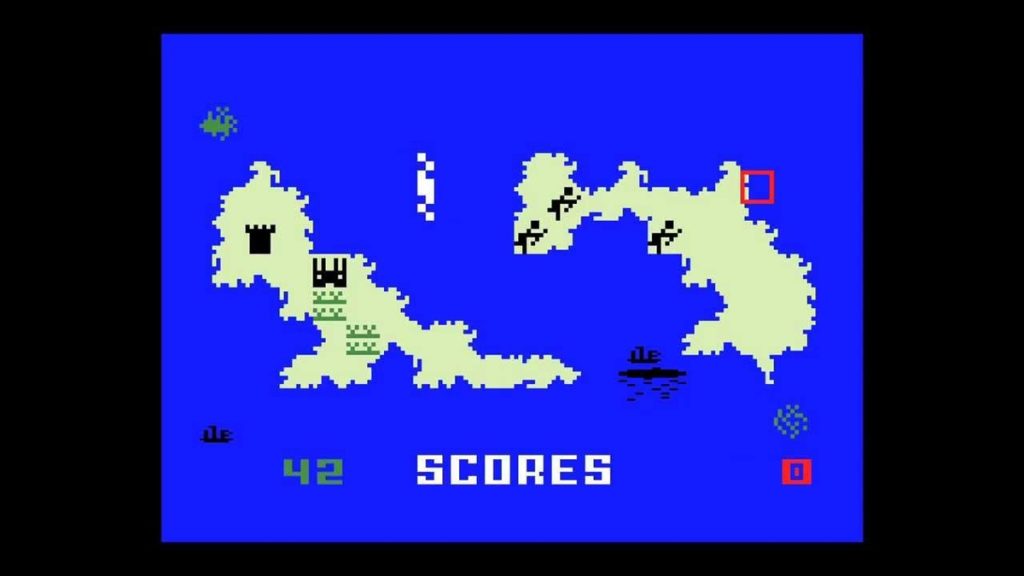
He is the only executive in the history of the games industry who has held leadership and/or creative positions on every generation of video game consoles, from 1980 to the present day. As both a game designer and a CEO, Daglow has run companies that produced awesome games such as Neverwinter Nights, Stronghold, Baseball, Dungeon, Utopia, Tony La Russa’s Ultimate Baseball, and more.
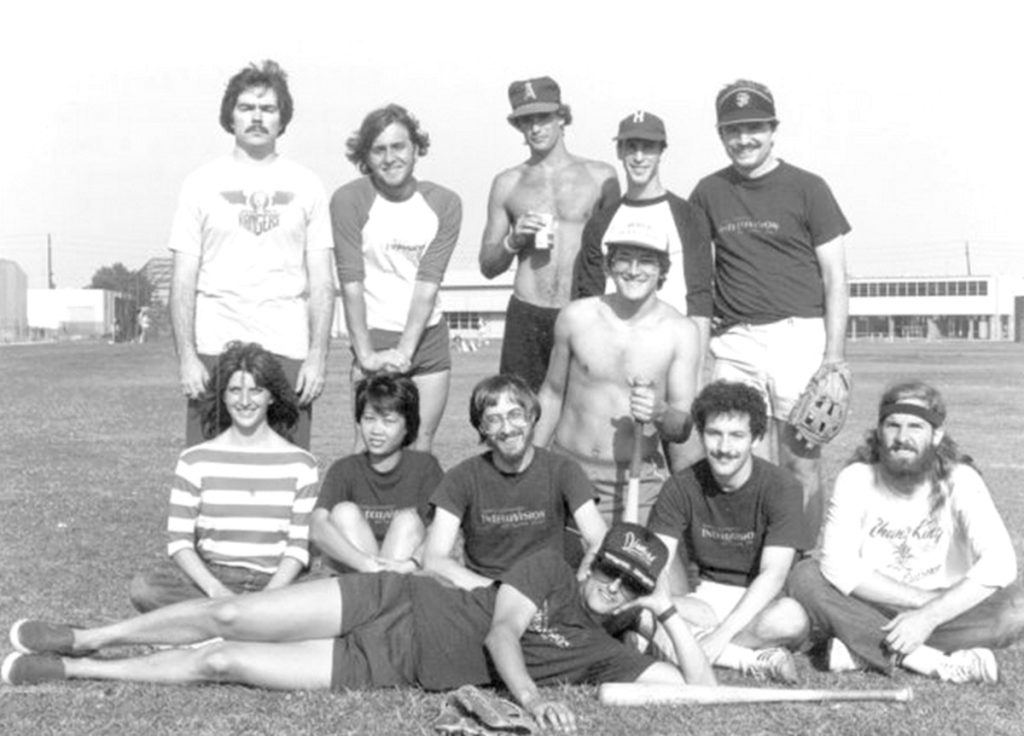
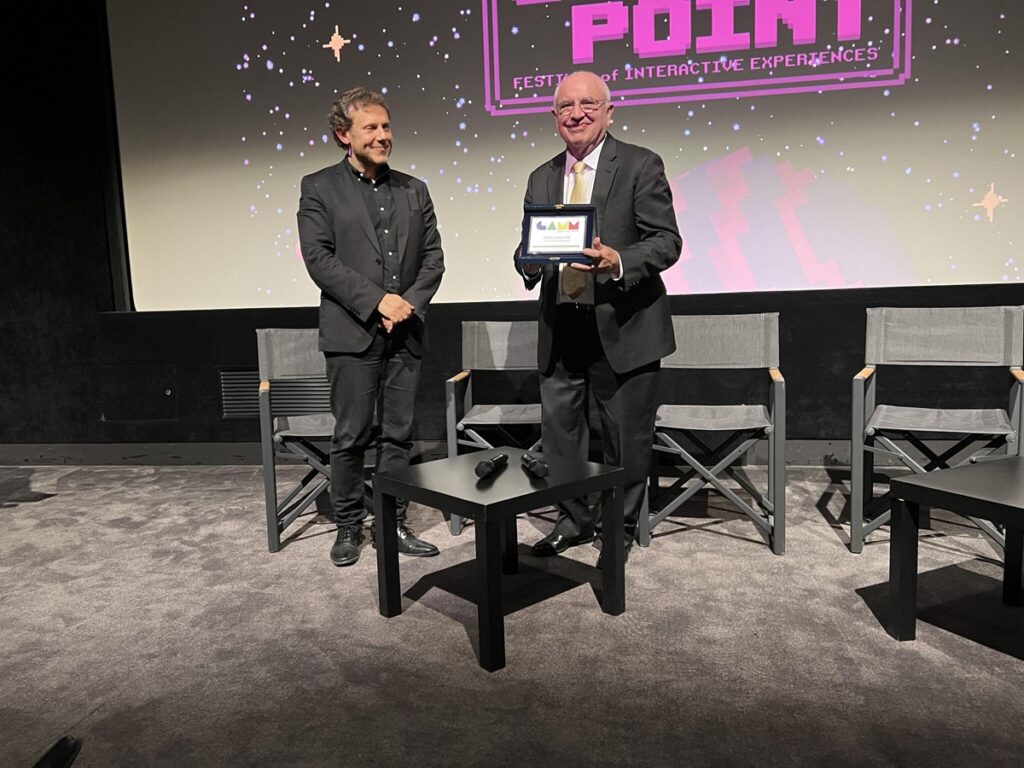
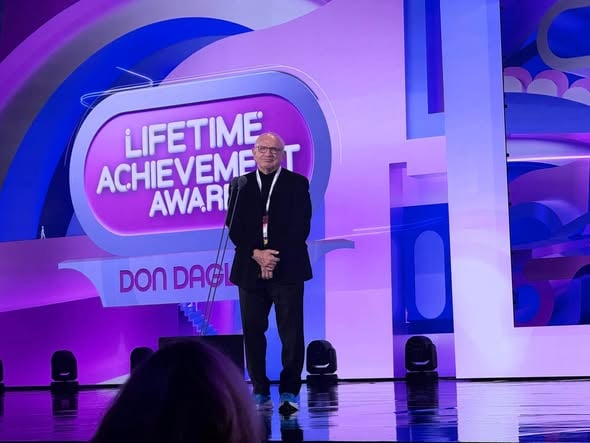
He was one of the first five programmers at Intellivision starting in 1980. During the 1983 video game crash, he joined Electronic Arts as a developer. He started Stormfront Studios in 1988 and he ran that until it ran afoul of a downturn in 2008. He has been consulting in the game industry for many years and received major awards from the Game Developers Choice Awards, the CGE Achievement Award, the Technology & Engineering Emmy Awards, and the AIAS. He also volunteered his time as an ambassador for AIAS, the IGDA and the Strong Museum of Play. He also memorializes those who have passed away in the games industry.
“For people who are starting now, it can seem so different. Those same moments of passion around the world, anywhere in the world, can happen. You just have to live your life to find where your moment of passion and incitement will be,” he said. “I try to tell the story, not as in how it was different in the old days, but that everybody has that random event so often that interests them in something and makes them care, and once you care, your caring starts to unlock the world.”
I also felt the need to say how I found games. My father liked to gamble. My parents dropped me and my brother off at the Harrah’s casino in South Lake Tahoe. We played in the arcade while my parents gambled. And we became familiar with electro-mechanical games like Sea Wolf and the pinball machines, and later it was video games like Pong and Donkey Kong.
I went on to write for newspapers about games and the industry growing up around them, as well as tech. I wrote a couple of books on the Xbox business and started blogging for VentureBeat. I covered the intersection of tech and games for 19 years before spinning GamesBeat out with Gina Joseph as an independent company in April 2025. Along the way, I occasionally interviewed Daglow at various stages of his career, often at different companies.
I recalled I always wanted to be a foreign correspondent, but never thought it would be games that took me around the world.
Daglow responded with a compliment that tells you a lot about what kind of person he is. He so frequently comes off as gentlemanly.
“I think there’s one great part of your story. The world has changed so much. When I first met Dean, he was a newspaper reporter for tech. The way that you have adapted in your career to how the world has changed. That’s an example of something to share to people,” he said. “Again, not to discourage them because of all the great things Dean has done, but the idea of people succeeding by adapting and sailing on different kinds of both stormy and smooth seas. I think that’s another encouraging story. Here’s somebody who loved journalism, and through all the changes in journalism, found a way to excel, doing it in completely new ways. That is a theme I think we talk a lot about at this conference.”
Well, I had to get us off the track about me, as this was about Don. So I asked Daglow to get to the punchline about those 55 years. How did he stay passionate about game design?
“The last couple of years, I’ve started talking about it as thinking about how I’ve been through crashes and good times and bad times and different kinds of hardware, different kinds of games, but I’ve always loved the craft. I was my mother was an artist,” Daglow said.
“The idea that art is something that, in any of its forms, can benefit an audience-that people get something out of art — and you are creating something where, at your best, you can be art. It can give something to people that they walk away with that makes them feel differently, makes them think differently. That’s what art can do at its very best,” he said.
Daglow added, “If you have the chance to do that, and that becomes your passion, as it did for me initially as a playwright, then the idea that you have to search for a way to fulfill that art and create that art and make a living at that art. I was raised around that as an idea, and so I was passionate about writing.”
For Daglow, that skill crossed transparently into games and it always gave him satisfaction.
“I think that especially now, when North America, particularly the industry, is so pressured in negative ways, it’s easy to feel like something is being taken away from us. If we look at ourselves for those of the creative artists, if we look at ourselves as artists, that is something that we and only we control: is our commitment to our art form and our belief that we can give something to an audience that they find fulfilling, satisfying, fun, in a way that makes them want to come back and play more.”
He was saying, of course, that you have to make something memorable. One of my favorite things he said was that his enduring motivation is the craft of making games that function as art and affect audiences years later.
“Twenty years later, people come up to you and tell you why and how they played your game and how much they loved it, and they still remember 20 years later. That makes it hard.”
The game industry floats on an ocean of change
He added, “If somebody remembers and cares 20 years later, if we think about the business, the business is like the ocean on which a sailor sails. People who are on merchant ships, people who sail just for fun, never expect the ocean to treat them perfectly.”
He said the ocean has storms that are a function of the laws of physics. It has no emotions, no loyalty, no disloyalty.
“I think the world of business operates on its own financial physics, and it also has neither loyalty nor disloyalty. It just does its thing. And I’ve always thought that way, but that’s how I found the way to put it into words.
I don’t blame the ocean for the storms, and although there are individuals we can blame, I don’t blame the industry for the bad times that I’ve been through in 55 years.
He continued, “I know what I’m about and what I love to be with people who feel that way because we are about the art of creating games and at our best being artists. And for that reason, my passion — the little game we’re working on right now, a four-person team. I’m as excited about that game getting up in the morning now as I’ve ever been in the 70s on a mainframe game or 80s or 90s or any decade, I just get the same feeling when I get up in the morning, and that’s our craft.”
I cracked a joke, “Daglow is the American word for eternal optimism.”
“I’ll take that,” he replied.
Then we played a bit of a game that Daglow proposed. I said he could answer my question about the decades with one word or a sentence, and then an explanation for it.
The decades from the the 1970s to the 2010s and beyond
1970s
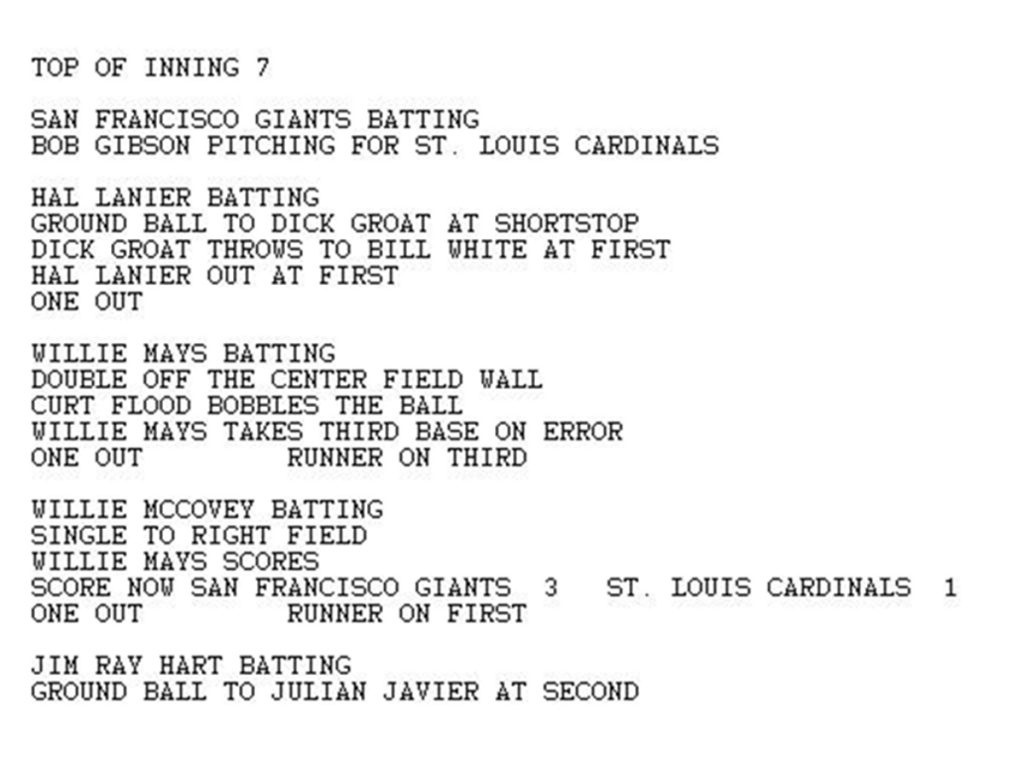
Daglow started out, “I’m trying to keep it concise. I think 70s was like the first 10 minutes of any story. An event finds people, and you find yourself in an event without ever willing it. It finds you. If you look, when you found Dungeons Dragons, if you’re an RPG player, you didn’t find the game. The game found you. It always existed. It came and found you, and it pulled you in. That’s what the 70s felt like.”
1980s
“80s was hobbyists. The industry was just starting. We’re all learning together.”
1990s
“90s was corporate. The beginning of corporate, the big companies started to become publicly traded, and the pressures we see today of the quarterly earnings report, the need for earnings to always go up, started to come in.”
He added, “A lot of people from outside games, from Hollywood and from the financial markets, came in with both positive. And negative impacts from them.”
2000s
“In the 2000s, we started to see the diversity of platforms really grow. When mobile came in, everybody said, ‘Oh yeah, that’s a big deal about phones. No, it was a big thing about everything. It changed our culture, and so the just that change in platforms and that diversity of audiences that came in.”
2010s
I think I think now of 2010s as the point at which diversity ruled. Diversity of platforms, diversity of genres, diversity of audiences, diversity of places in the world where you could live and make games-all of those things were the 2010s. The big guys, the few big companies, could not dominate all these emerging markets, whether physically or topically.
2020s

“And the 2020s, I think, have been when we have seen the idea of domination of everything by big corporations, just as those in the film industry have seen, where the big studios have times of dominance and the big studios have times of utter abject failure, and they go through cycles. We are now emulating that, so I think that’s what the 2020s have brought us.”
I said I liked that view as well because you could think of the first-person shooter market as dominated by big companies, Call of Duty. And yet two weeks ago, Wardogs came out from a company with Irish connections here, and it sold two million sold already, and it looks like they’re on their way to more millinos.
Daglow went into his actor’s voice and said, “Dean, this is something you have to learn. First-person shooters are the only place where you can make money in this industry. Yes, I’m not a gamer. I don’t know anything about it. It doesn’t matter. Build a first-person shooter. Put a lot of money in it. Have a lot of talent. There are always put a lot of art. Stuff it in.”
The lessons of the crash
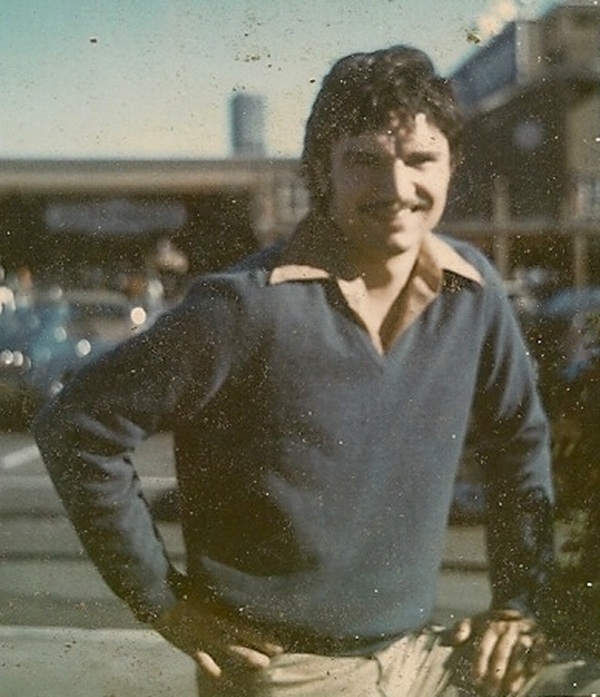
I asked what are the lessons of the 1983 and 1984 video game crash, and how Daglow relates that to today.
“There’s been a lot of discussion about that recently online. You can see Tim Sweeney from Epic made a comment that got a lot of attention, saying this is the worst since the 1980s. And in North America, there are elements to that,” Daglow said. “If you haven’t had a chance to read about it, the first wave of video games where Atari initially, and then Intellivision, and there were other companies that jumped in later. Video games broke out for the first time, where it wasn’t just Pong, but it was systems with cartridges, and you could play different kinds of games, and it became a multi-billion-dollar industry, and it just it spun up so fast.”
He added, “And by pure luck, I was one of the original five programmers for the Intellivision system. We were the leading rivals to Atari, which meant we were always No. 2. But then on the first day of operation, I was one of the original five programmers because I had been writing games, and so we spun up our team. We did $600 million off of our team in 1982 dollars, which is somewhere approaching $3.5 billion, probably today.”
And he continued, “And a year and a half later, the industry was in ashes because everything was sold through the toy stores. We were regarded as toys, and in the toy industry, once a toy peaks and starts to fade, the toy stores say, ‘Okay, get it out. It’s it’s going to not sell me, or get rid of the inventory.’ The industry had so many people rush in looking to make money. Quaker Oats Company, which makes cereal in the U.S. formed a video game division. I’m not kidding. You can read about it. And so the industry was overwhelmed with bad product and with too many very quickly made money chasing titles.”
The bad titles were overwhelming.
“And because we were in the toy industry, virtually everybody lost their job. I was one of the very lucky few who got to work straight through when I got to go to work for a little startup called Electronic Arts, and so that kind of saved the continuity of my career. But we we lost virtually everything at that time.”
He added, “What is different now vs then is we were a fad, we were the new thing, we were the new fad toy. Now we’re a worldwide establishment. Whatever troubles we have, they’re much more geographically centered in North America, and they are the problems of the maturing industry that matured too much and became at best a troubled teen. And those corrections are now happening.”
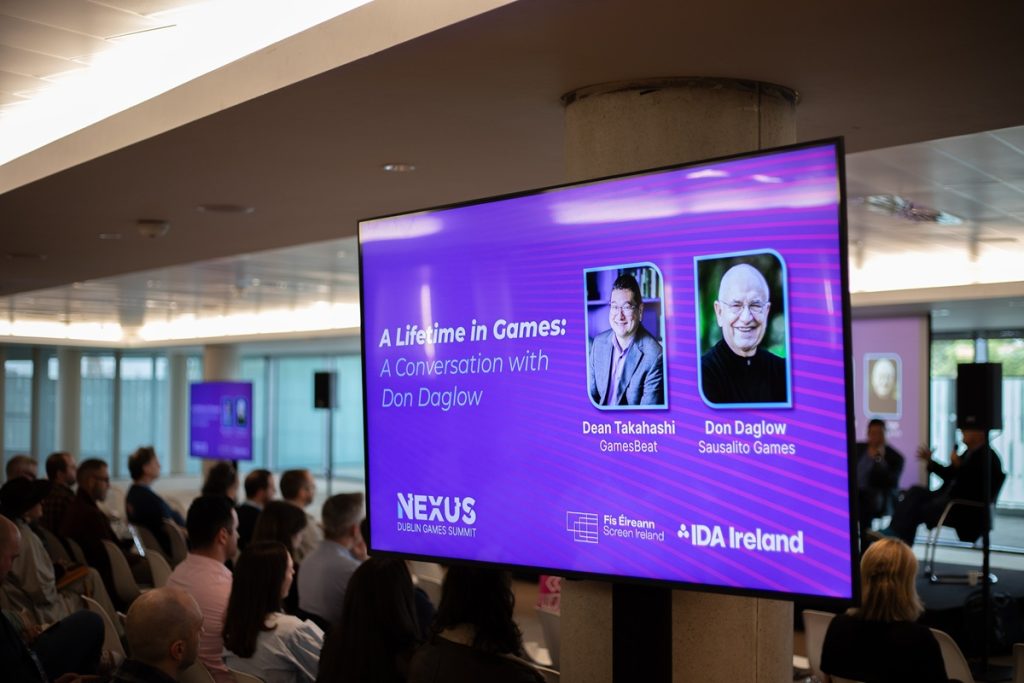
Regarding Ireland, he said, “Being here in Ireland, I have a lot of encouraging messages to say about the Irish industry and the opportunities because of not having subscribed to the false god of gigantic shooters and nothing but gigantic shooters.”
I asked what his advice was for individual game developers about how they should think about a long career.
“When you’re thinking about a long career, goes back to the idea of the ocean. Expect the weather to change, expect the kind of ships you’re on to change, expect where you’re going to change, and we cannot know that. Kalil Gibran, the Lebanese poet, has a great poem he wrote. Part of which is talking about trying to support your children, and he says you know you’re trying to support them, but you cannot go with them because they belong to the world of the future, which you cannot visit, not even in your dreams.
He added, “And so all of us looking at the future and looking far out have to just accept we can’t know that. But if we are ignited by a passion for whatever we do, and your passion may be in the business of kings, not necessarily in the creation games. Wherever your passion is, if that passion ignites you, you may not know the destination, the type of ship, or the weather. But you know you want to go somewhere. And if I switch to talking about a D&D adventure or any type of RPG, you know that after a big boss has been slain, that’s a lot of opportunity to do a lot of new things in any adventure after a big boss is slain. A bunch of big bosses are very very distracted and sick right now, and that for smaller teams, indie teams, is a very good time to be figuring out where you want to sail and what kind of ship you want to build.”
I got a bit serious and asked, “We’re in this time without precedent now. We’ve got AI on us. We have layoffs incessant. The past can’t really help you. Your experience can’t really help you. What do you What do you suggest?”
“One part of the past that is is relevant is that the basic building blocks of building a great game — of having you individually or as a group of people build a game from the ground up is not changing. The how, in terms of the devices you use, the technology where you’re painting changes, but that process of how you conceive a game, how you find the fun, how you play, how you listen to an audience — all those things are those continue unchanged.”
He added, “At this point, the indie cycle has happened multiple times in multiple art forms. If you look at film, especially television views, you see times when indies stood out. This is a time for indies. So I think we can look not only at our own industry, but other industries, and find roadmaps of how it’s been done before.”
Since we were in Ireland, I asked Daglow what will be the destiny of the Irish gaming ecosystem.
“I think people from Ireland will make this new Irish gaming ecosystem, and that is the point. That for each of us within our own cultures, we are the masters of our own cultures,” Daglow said. ” We opened this conference in Irish. Language is one of the ways in which we carry culture forward, but there are so many, many different ways.”
He added, “So I’m very optimistic. And for a number of countries which people refer to as small, but have powerful creative and technical potential, like Ireland, I think that when the big bosses are either down or dead, iit’s a great time for those communities to be able to shine and find their place in the world more readily, because the sheriff of Nottingham, amongst other things, has fewer troops out subverting what you’re trying to do.”
Daglow said it’s best not to think of having a culture that is thousands of years old.
“Think of having a national pride and a sense of what it means to be Irish, so you bring something unique to a game,” he said. “In addition to being a gamer, you bring that unique perspective to a game. I think that’s a lovely and wonderful advantage. And if we talk about this purely as a business. Unique points of view, different points of view, shine in a crowded world.”
I asked Daglow what he enjoys about what he is doing now.
“If I answered that question fully, you’d be here for two hours because I get up in the morning. I either collaborate or argue with my cofounder, depending on the day. I always say we argue productively, which is why we’re a good team. We have two fabulous artists with us, and we are just doing what we all do — we’re making a game, and we’re going through all the stages and having things not work and try over.”
He added, “I’m just experiencing being a game developer, and it’s as much fun as it’s ever been for me.”
In closing, I said, “Well, with our all of our decades in the industry together, Don and I have never had a chance to do this on stage before. So thank you.”
Disclosure: Nexus paid my way to Ireland. Our coverage is the sole responsibility of GamesBeat.