
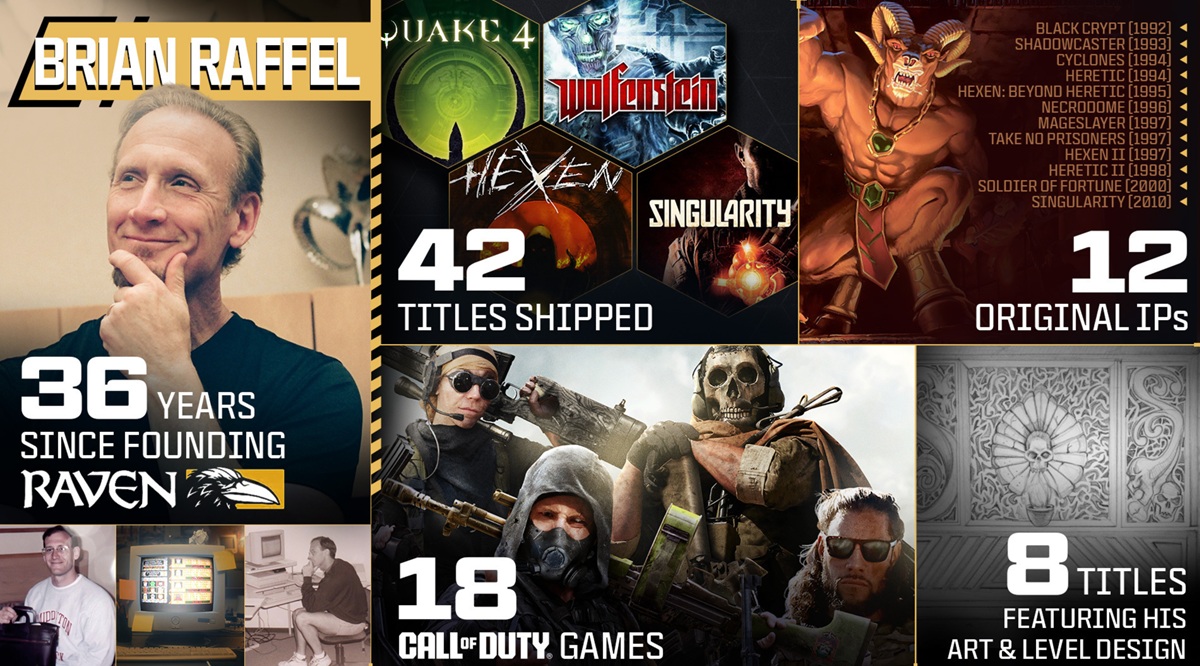
After more than 36 years at the helm of Raven Software, cofounder Brian Raffel has decided to shift into retirement. His team worked on 18 Call of Duty games over the years, as well as other early gaming titles.
In 1990, inspired by a shared love of storytelling, Brian and his brother Steve set out to build something of their own. What began as a small creative pursuit known as Black Crypt grew into something far greater. Electronic Arts published that RPG in 1992.
Over the years, the Raffel brothers guided the studio through a wild and shifting industry, shaping it into what it is today. Activision bought the company in 1997, but the studio remained anchored in Madison, Wisconsin, where it has over 300 people now.
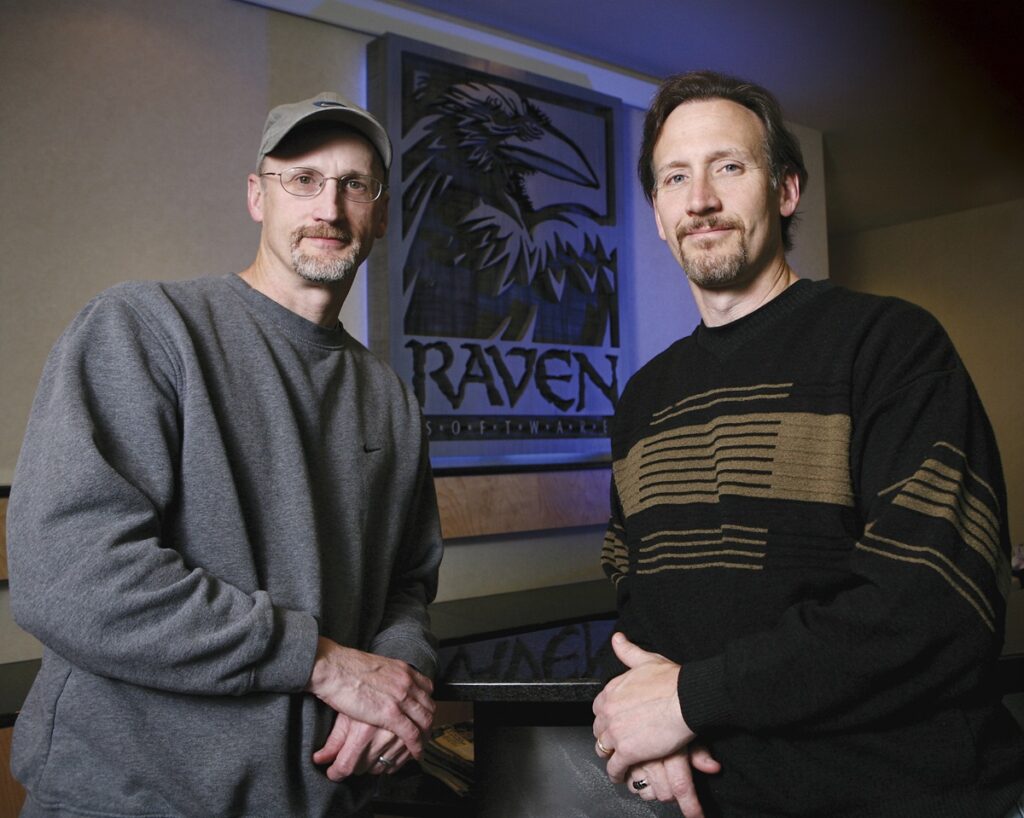
The studio that Brian and Steve built made games including Hexen, Star Wars Jedi Knight: Jedi Academy, X-Men Legends, Wolfenstein, and many more, each contributing to a legacy of iconic experiences. Those first decades of achievements earned Raven a place among the greats and the trust to shape and evolve Call of Duty over the years.
Steve left the company in 2017, but Brian stayed and helped turn Raven into an indispensable contributor to Call of Duty every year. And Call of Duty has now shipped hundreds of millions of copies. Raven is part of Activision, which is owned by Activision Blizzard and which in turn is owned by Microsoft.
Raven shifted to work on Call of Duty games starting in 2011, working as a support developer. In 2014, the company opened a studio in Shanghai, China, to collaborate with Tencent on Call of Duty Online.
Raven also worked closely with Infinity Ward and Treyarch on Call of Duty: Warzone, the battle royale game that debuted as a free-to-play title in 2020. Raven also led the production of the single-player campaign for Call of Duty: Black Ops Cold War. It also contributed to Call of Duty: Black Ops 6 and Call of Duty: Black Ops 7. Now, as many as 10 studios work on any given Call of Duty game.
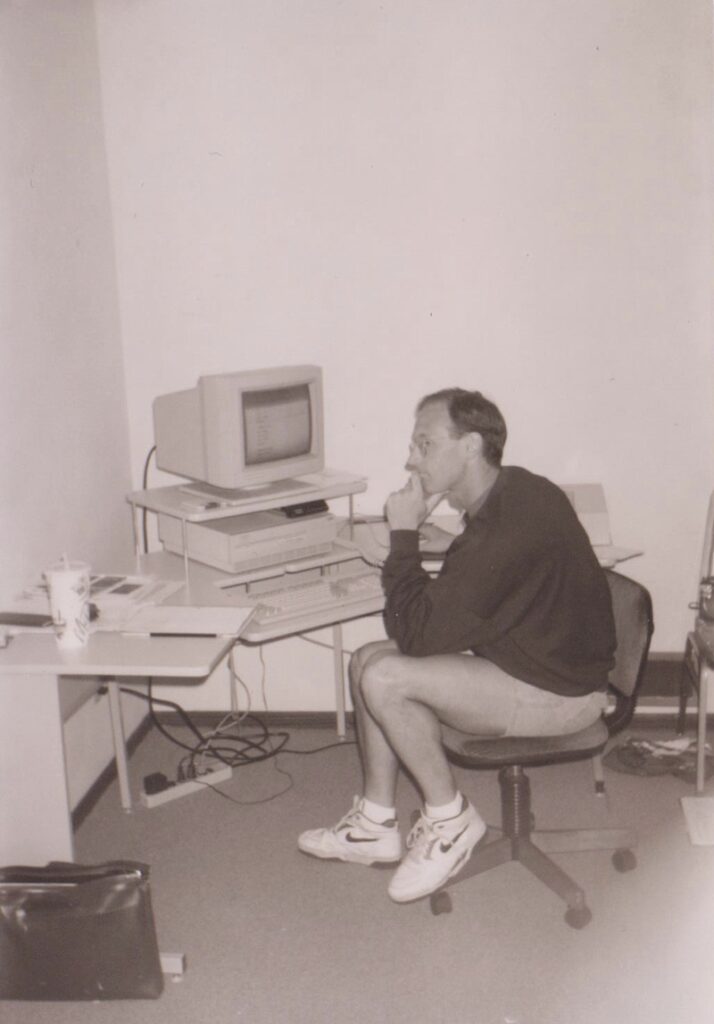
Beyond great games, Brian’s legacy is also reflected in how he has invested in the people and places around him. His commitment to building games out of Madison, Wisconsin, has grown his home city into a strong hub for game developers and studios.
Under his wing, Raven’s doors have remained open to the next generation of developers, offering a firsthand glimpse into what is possible. As a proud alumnus, his connection to the University of Wisconsin has benefited students pursuing careers in art, design, and technology. Through it all, Brian has remained loyal, humble, and true to himself.
“Brian, thank you for the stories, for the path you carved, and for the lives you’ve changed along the way. The impact you have had is timeless, and we wish you all the best in this next chapter,” the company said in a statement.
David Pellas is now the studio head at Raven. Pellas has been with Raven for almost 12 years, working his way from design director to studio head, a position he’s held for the last almost two years. Raven currently has over 300 employees.