
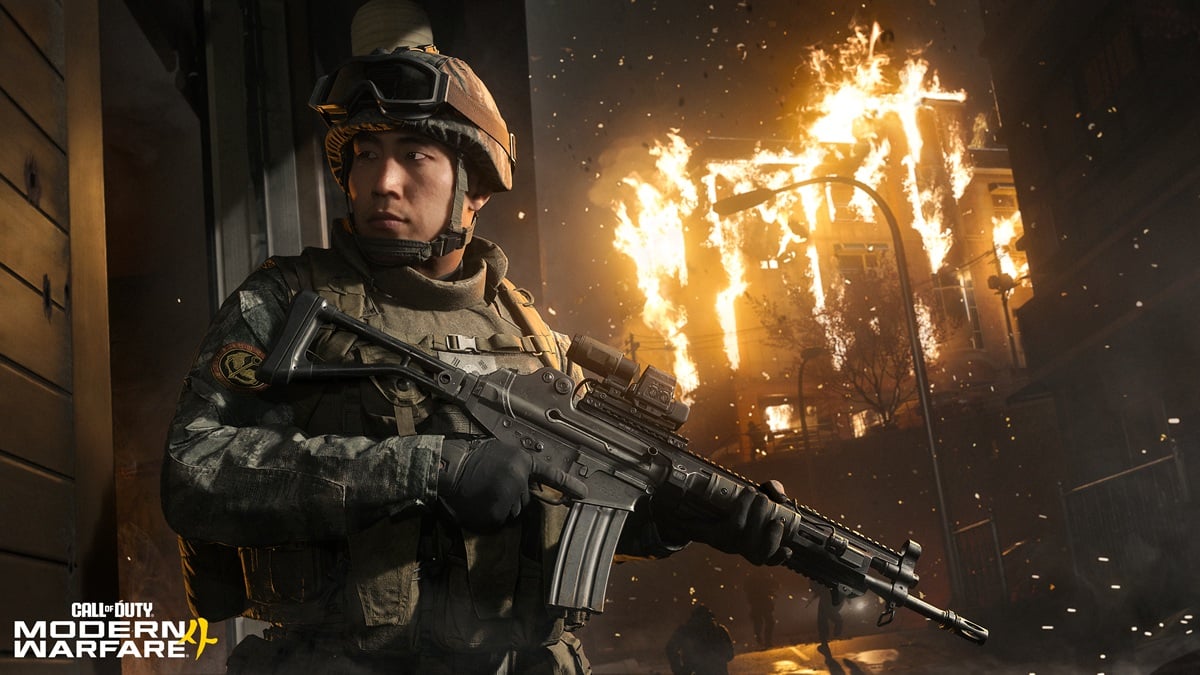
The opening scene of Call of Duty: Modern Warfare 4 is one of the best I’ve ever seen in a Call of Duty game.
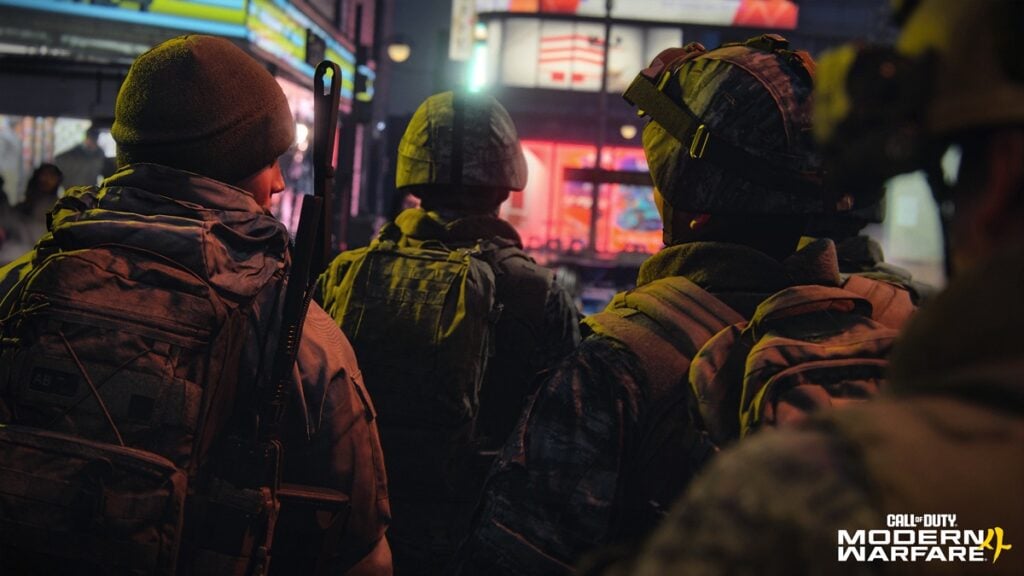
You can see it here in the video, starting with raw South Korean conscripts and their American and South Korean veterans walking through Seoul, the nation’s capital. I’ve finished the campaign and I have to say it’s one of the best in many years. For Activision, now part of the Xbox gaming empire, that could mean billions more in sales this year.
It’s a tight story. The recruits buy their snacks in a modern convenience store and haze their American counterpart, who is embedded in their unit, telling him that “hwe,” a not-so-great Korean dish, is really so good it’s like “Korean sushi.” They pay of it with a phone and walk past the sights of nightlife with the outdoor hot pot cafes and cute plush doll shops.
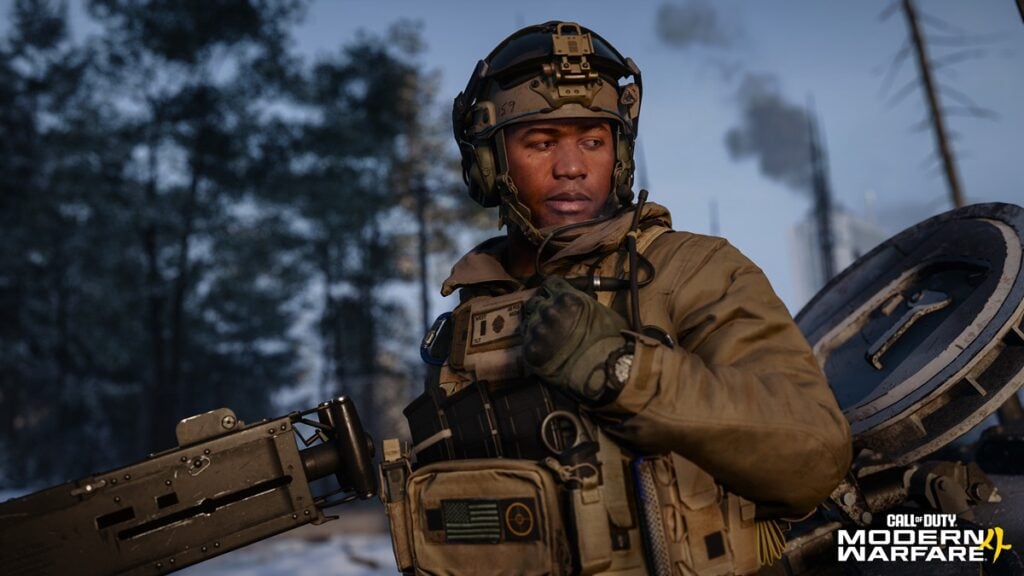
Then a sound reverberates, the lights of the city go out, and all is quiet and scary. The sky turns orange with an explosion in the distance, and then the explosions hit their street and knock them to the ground. It’s terrifying chaos. You black out. When you awake, you see one of your squad’s own lies dead in the rubble and the American soldier is desperately trying to revive him. They take his tags and leave his body behind. The North Koreans are finally attacking in a full-scale conventional war after decades of truce.
The recruits get their baptism of fire and the fear shows in their F-bombs. They get organized and head to a stadium, where one soldier asks a superior, “Shouldn’t we wait for help?” The grizzled but calm lieutenant responds, “We are the help.” It dawns on the small group that this is what they’ve prepared for. North Korean troops land by parachute at the stadium and the hands-on combat starts. After a short firefight, one recruit says, “That was intense.”
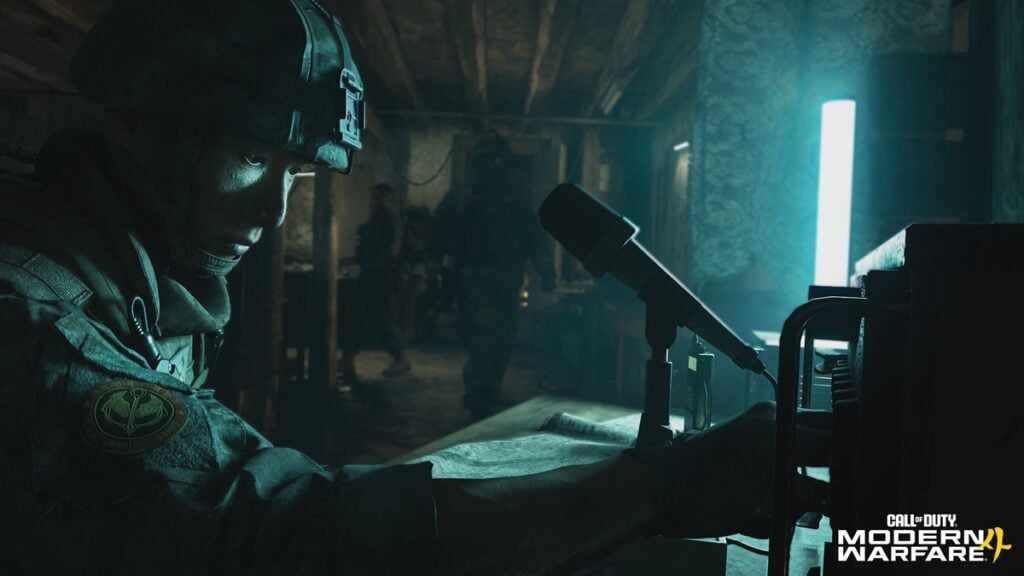
The troops dodge an armored enemy convoy and look for where they came from. In an underground parking lot, they make a disturbing discovery. The North Koreans have dug a giant tunnel underground and they’re driving tanks straight through to Seoul, or Hajin City, as it’s called in the game. The outnumbered soldiers launch a surprise counterattack, blow up the tunnel, and halt the advance. Then the game’s intro kicks in. The North Koreans are allied with the Russians, who make their own move into the Middle East. The South Koreans and their American allies are in full retreat.
The bravery of the small South Korean unit with Americans embedded in it is a fresh story, and it’s the best narrative in the game. But this wouldn’t be a Call of Duty game without the special forces and clandestine operators like Captain John Price (who will get his own movie). His job was to get dirty so the world stayed clean. Price famously answered the question, “Where do we draw the line?” — about fighting enemies with fire — by saying, “You draw it wherever you need it to be.” It means you will have to do anything and violate every norm to protect your country through covert actions.
As soon as the opening scene is done, we switch to Price, who is AWOL and on the run because he crossed the line and took down a corrupt American general, who happened to be helping the enemy. Now Price is on the tail of his nemesis, Vladimir Makarov, a ruthless Russian terrorist who once slaughtered civilians at an airport (in No Russian in Call of Duty: Modern Warfare) and set off a nuclear bomb in the Middle East that killed 30,000 U.S. Marines. This narrative involves Price’s attempts to stop the plot to get the strange weapon in the hands of the North Koreans. And he shows he will make any unholy alliance to achieve his aims.
A third plot takes us into the enemy’s den itself to show us what is happened inside North Korea that prompted the attack. Makarov’s allies have teamed with the North Korean leadership at a time of succession, where a young male heir and his older sister are now in control. One loyal North Korean veteran has to decide whether or not to go along with atrocities or stop them from happening. It’s the same kind of self-sacrificing decision that others will make.
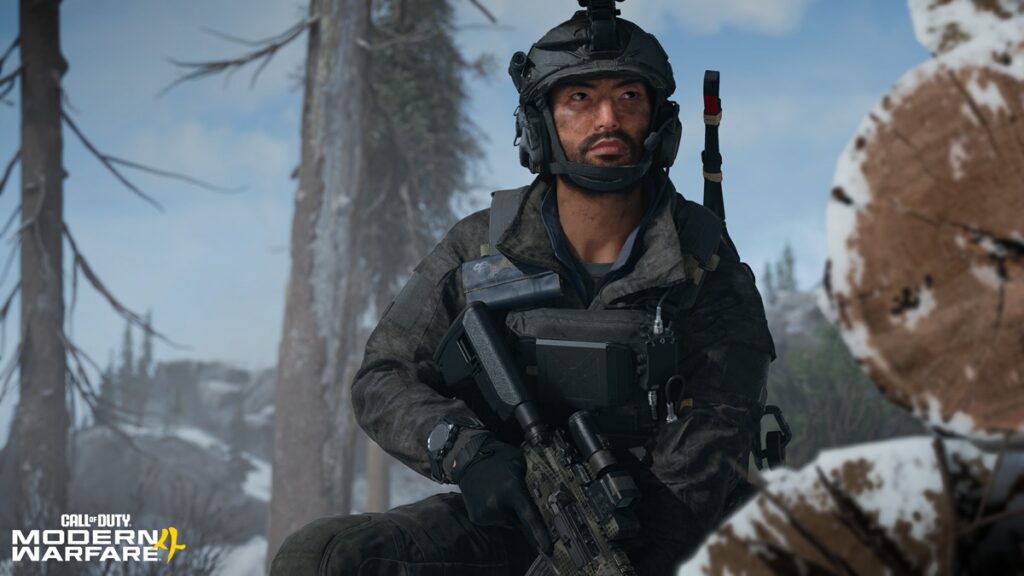
What I like about this story is that it finds heroism in those who serve, whether they are in the shadows or just boots on the ground — and how they rarely get credit or satisfaction. You play as Private Park Hyun Jun, a soldier in the South Korean army who is just doing his time until he can get out of military service. He’s not happy with his mandatory military service, and he wants to make his own choices. He’s not a gung-ho killer, but he is capable of stepping up.
The common thread throughout the story and combat is that it all feels authentic, and wrapped around the theme of where the line is — how far will you go to become what you hate when everything is at stake. This is where the narrative threads come together. And the Infinity Ward team manages to take the storylines to a logical conclusion.
There’s an open world element to the North Korean intrigue, and it offers a lot to explore. But it breaks the intensity of the narrative threads, slows you down, and reminds you that there can be a lot of dull moments running around a big battlefield (to the point where you have to engage in Fast Travel to get around).
The open world adds hours to the gameplay and the feeling you are fighting a big war, which some players will like, but I favored the intense room-to-room combat in the counterattack of the Americans and South Koreans. I played 16 missions all in one long day, including parts of the open world but I did the bare minimum just to get through it fast.
A beautiful game
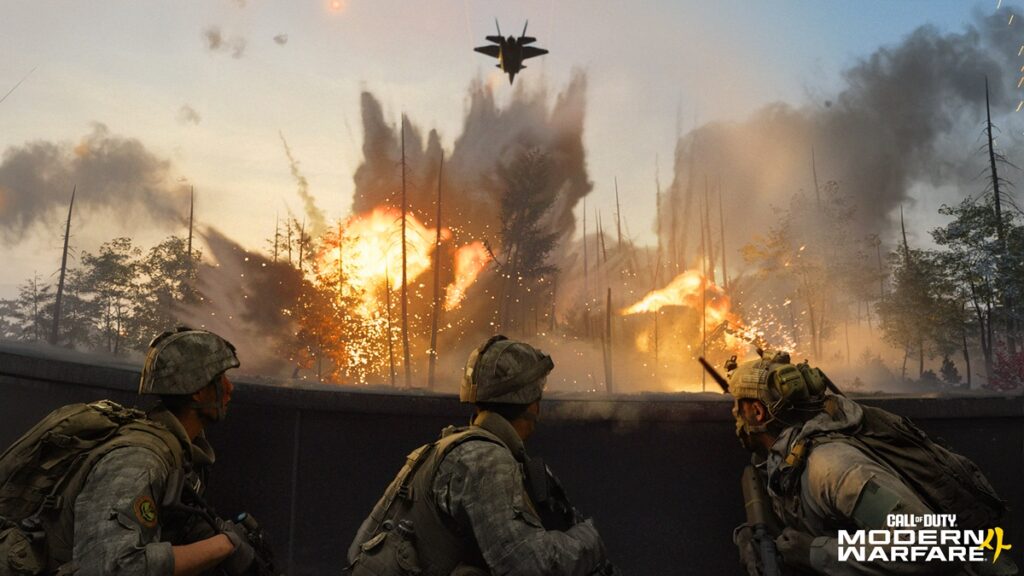
There are also things that Infinity Ward (and the 11 other studios that helped make the game) did to reinvent Call of Duty in other ways. The idea of having grounded combat meant bringing Call of Duty back to its roots of intense fighting. The team refined how you see enemies through your gunsights and scopes; it made movement smoother so that you could chain together moves without realizing you’re doing so, like mantling a barrier, climbing a ladder, sliding through doorways. It all feels more natural than the controller mastery required to execute Treyarch’s omni-movement in the Black Ops games. Infinity Ward said its philosophy in game design is to deliver a military combat experience that feels fast, grounded, and cinematic without getting in the player’s way.
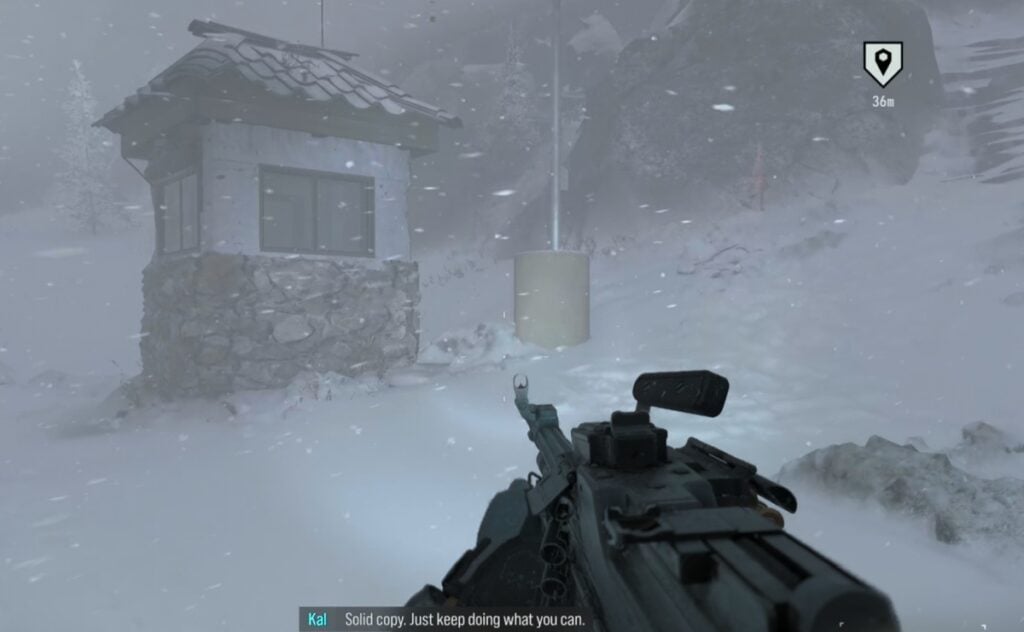
The shockwaves of the artillery blasts at the outset of the game come courtesy of a wave-like effect that accompanies explosions during gameplay. You’ll feel the force of a grenade that knocks you down if it doesn’t kill you. The sound design is excellent, and the weapons are deadly and they feel well tuned. There’s a variety of combat in the form of firing mortars, driving armored vehicles in an assault, hitting the beach in a massive invasion, and chasing an enemy on the rooftops.
Occasionally, it feels like the AI is a little dumb, but that’s mainly when you’re shooting at them from a distance and they don’t know how to react to your threat. The imagery of South Korea is very well done, whether it’s in the countryside, the snow storms, or the dense urban jungles.
Taking the right risks?
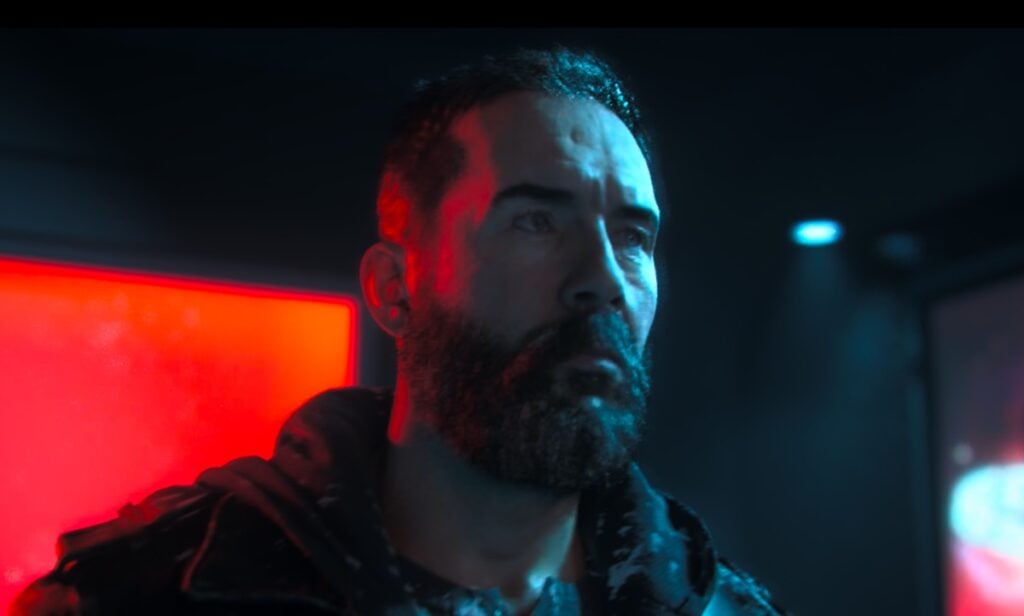
The Infinity Ward team took a lot of risks with this narrative. They killed off longstanding characters in the franchise, and it means that the future of Call of Duty will likely be in a new franchise, a new story that we haven’t seen before. It takes place in a fresh and plausible new theater of war, the Korean peninsula, yet the action and subterfuge happens worldwide in places like Hajin City, North Korea, Paris, Mumbai and New York.
For the Call of Duty teams, this is a big boomerang from last year’s game, Call of Duty: Black Ops 7, which players decided w. Black Ops 7 was said to be the worst-performing Call of Duty in nearly two decades. It was the first game in a long time where I didn’t level up to multiplayer Prestige. And I broke off early to play ARC Raiders, which was a great extraction game. I didn’t predict that the 100-feet-tall soldiers (as experienced in a drug-induced haze) would break the immersion of Call of Duty, but in hindsight that’s where it lost so many dedicated players.
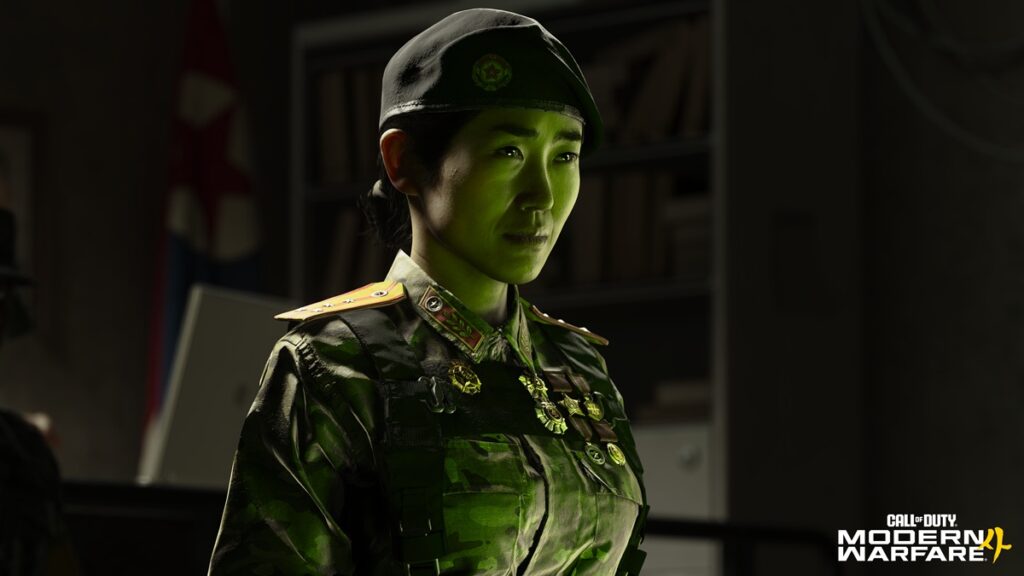
This time, Infinity Ward is ready to deal with that threat with DMZ, an extraction game embedded in the combat between North Korea, South Korea, the U.S. and Russia. We’ll be writing more about DMZ shortly. It’s a nightmare scenario that seems all too real when ruthless, witless and ambitious leaders lead their countries into war.
We aren’t giving an official review score on the whole game yet. But for the campaign, I would rate it at 4.5 out of 5. I will give a real overall review score later on.
I don’t think the team succeeded in fitting the open-world gameplay into the compelling narrative, and it slowed down the pace of the game. It did add hours of potential gameplay for completionists, but it left me wanting more story, cinematics and close combat.
Still, I played it and enjoyed what was there. And I appreciated the risks that Infinity Ward took in bringing Call of Duty back from the dead.
Disclosure: Activision paid my way to an event where I played the full game. This story is the sole responsibility of GamesBeat.