
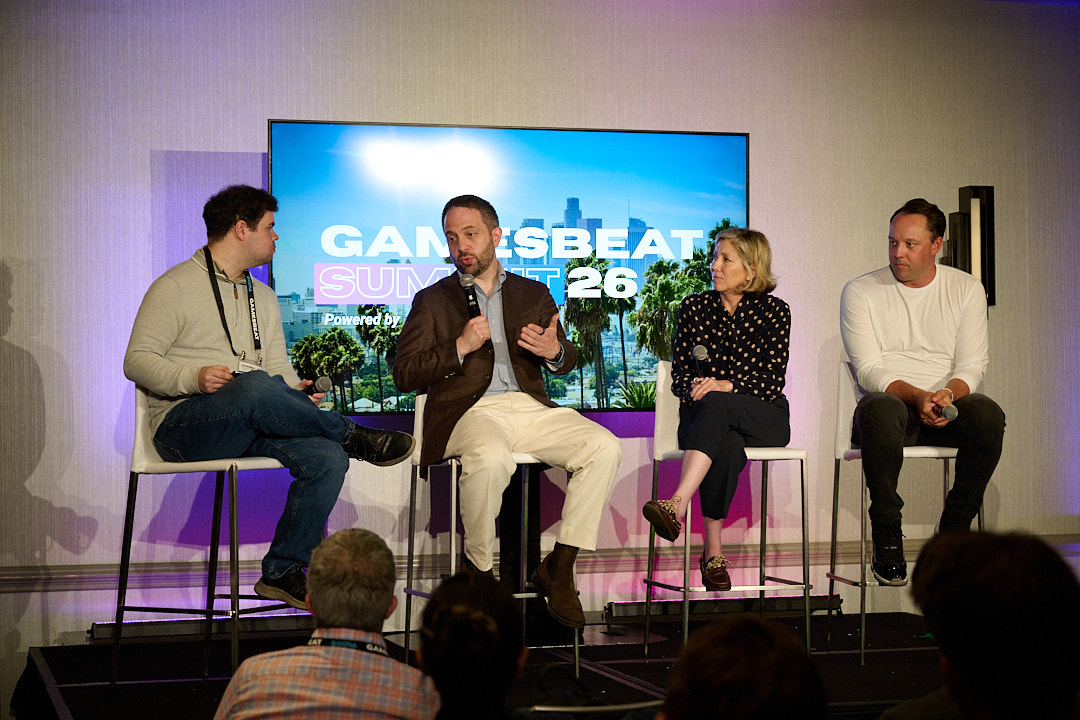
From The Super Mario Galaxy Movie to Amazon’s Fallout, video games have seized the IP landscape in Hollywood. Yet gaming’s relationship with film and TV has never been limited to what starts with a controller. In this recap of “Blurring the lines of games and entertainment” session from GamesBeat Summit 2026, the role of game shows, browser games, and more, across entertainment mediums is explored in more detail.
This session’s speakers included Eric Berman, Lil Snack, Co-founder & CEO, Sally Umsted, Sony Pictures Entertainment, Game Shows, SVP, Brand Partnerships, Licensing, and Experiences, John Jelley, NBC Universal, and moderator Kaare Eriksen, Luminate, Media Analyst, Intelligence.
John Jelley kicked off the discussion by talking about how “snackable, easy-to-access games” based on beloved IPs like Wheel of Fortune are “really resonating” with audiences who may be familiar with that brand, and enjoy playing it themselves on mobile. Jelley also pointed out that some players are enjoying the game, but have never actually watched Wheel of Fortune, so the game has served as an entry point for them to become regular viewers of the original game show.
Eriksen asked Jelley how valuable multimedia experiences like this are for companies like NBC to keep Peacock in the streaming race. Jelley explained that it’s about identifying what IPs you have, and how these can be utilized outside of their usual remit.
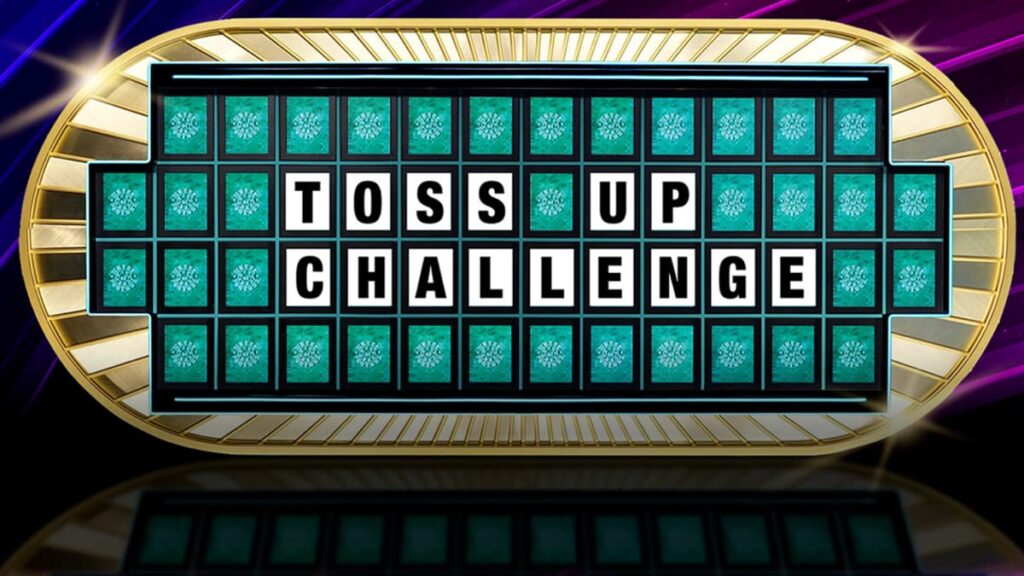
“What are the experiences we can build that are additional and complementary to the kind of fandoms that we have? We have such great IP on the platform, from SNL to Love Island to amazing game shows like Wheel of Fortune and Jeopardy, and so how do you build a kind of fandom experience around that is really key to our strategy,” Jelley said.
Lil Snack, Co-founder & CEO Eric Berman, supported this by saying that “daily iteration” by developers is key to maintaining daily engagement and “driving that retentive behavior,” as well as accelerated development cycles for games where this is possible.
Speaking more about blurring the line between games and entertainment, Berman said that he wants to see gaming become a more accepted part of consuming media in everyday life.
“We believe games should be in the Starbucks app, we believe games should be in DoorDash, as you’re waiting for your order to come, we believe games should be in your dating app as another way to connect, not just swipe left, right, but actually connect with somebody. So, we believe that these bite-sized play experiences can really go everywhere,” said Berman.
When asked how one goes about gamifying other formats in a way that allows users and subscribers to interact with the other content, Jelly said, “The key is working with the creators of that content to find the right kind of experience.”
“You really need to start working with that production team early on, thinking of the season ahead, or what that could be. We partner closely with our studio group and the production teams and our partners that we’re licensing from on what are the right experiences and make them feel more engaging,” Jelly added.
Sally Umsted, of Sony Pictures Entertainment, agreed that production teams working closely with the executive producers of a show (those who know the IP best) is the “secret sauce.”