
As daily casual games gain momentum, the puzzle may be the hook, but the surrounding rituals can be just as important to keep players engaged.
Over the past few years, daily casual games have been one of the brightest points in the gaming industry, encouraging audiences that had never engaged with video games before to pick up their phone and play a game on a regular basis. Media platforms of both the traditional and social variety have embraced this trend to stir up engagement and unlock new revenue streams.
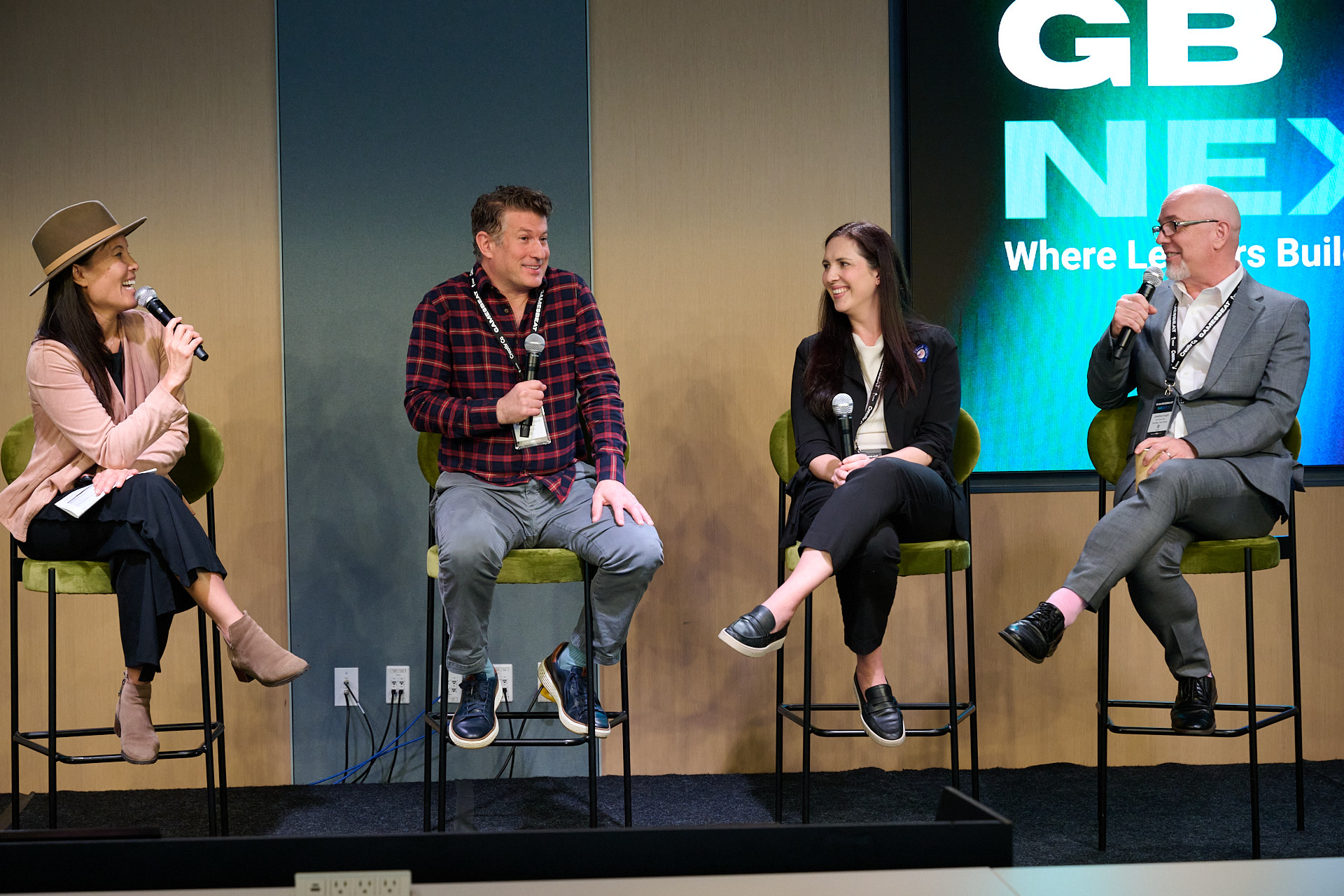
At GamesBeat Next 2026 in San Francisco on November 3, some of the leaders building today’s most popular daily casual games sat down for a panel discussion exploring the similarities and differences between their approaches, as well as how the best practices of daily casual game development had evolved over time.
Moderated by Beast Industries vice president of partnerships Tina Tran, the panel featured the voices of New York Times chief game officer Jonathan Knight, LinkedIn group product manager for games Helen Smith, and Kenny Rosenblatt, the chief executive and co-founder of the daily casual game studio Arkadium.
The throughline of the panel was that for daily casual gamers, the experience surrounding a game can be just as important as the gameplay itself. Arkadium CEO Kenny Rosenblatt noted that his company had observed that gameplay represented “about 50 percent of the offering” developed by Arkadium. He said the other half of his platform’s user engagement came from “meta systems” around the game, including recordings of gameplay videos and blogs about how to solve daily puzzles.
“We find that coupling both the mechanic, as well as the community around the mechanic, is the one-two punch that gets the most out of the experience,” Rosenblatt said.
Instead of treating community and content layers as an optional add-on, daily casual game makers are factoring social elements into their games from the outset — an approach that has been particularly advantageous for LinkedIn, which has plugged games into its pre-existing social media elements by creating leaderboards and prompting users to share their scores.
“Since we launched games, we have increased the connections and the conversations sparked, and really, those ultimately are our two North Star goals for why we have games on the platform,” Smith said during the panel session. “What’s interesting is the professional context around games. It’s not just that you’re sharing scores, engaging in competitive banter with folks that you meet on the street. These are people who could technically be your colleagues or future colleagues as well, and so we just find there’s a lot of benefit from that.”
Sharing and community is ultimately what forges a casual game into a regular daily ritual, according to Knight, who was promoted to his current role as the New York Times’ first-ever chief games officer in September. Although Wordle started as a social-network trend on platforms like Twitter, Knight said that the majority of score-sharing now takes place in group chats and other “private micro-networks,” and that “tens of millions of people” still play Wordle on a weekly basis as a result.
“We also have community forums online where people come together for tips, tricks, and hints, and we have made that center to the strategy. We invest similar to LinkedIn a lot in those pages,” Knight said. “A little bit of a different kind of concept than what Helen was describing, but we editorialize those pages, and then create a space for community to come together, and we get massive amounts of page views on those.”