
After restructuring its gaming business over the past year, Amazon wants to raise consumers’ awareness about the integration of gaming directly inside the Prime Video app.
In late 2025, Amazon initiated a pivot in its game strategy that saw the company lay off hundreds of staff across its game studio division amid a refocus toward Amazon Luna, the company’s cloud gaming service. Since then, Amazon has streamlined its gaming offerings with the goal of reaching people who aren’t well served by traditional console and PC platforms, rather than competing with traditional platforms for existing hardcore gamers.
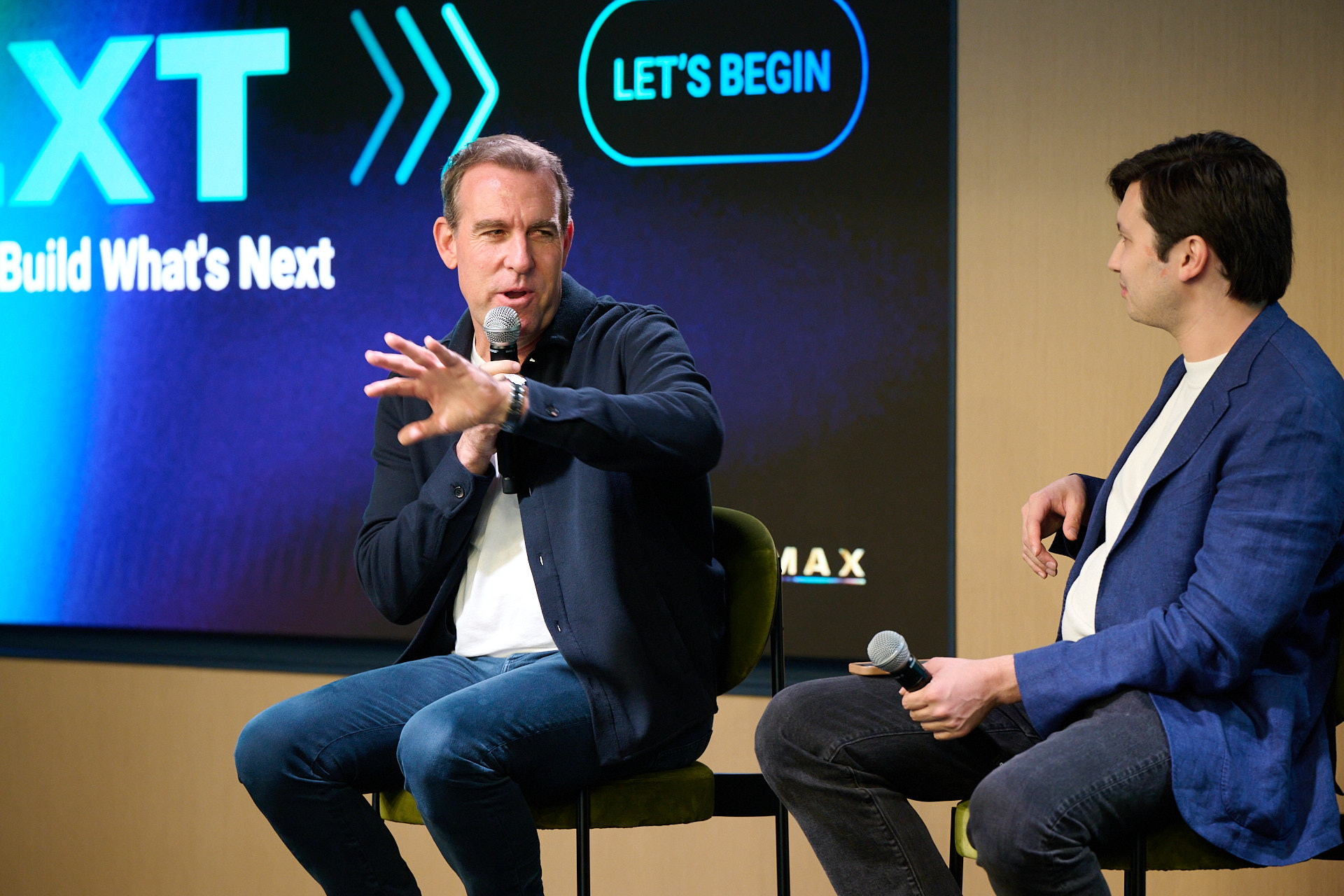
During a session at GamesBeat Next in San Francisco on November 2, Jeff Gattis, the general manager of Amazon Luna and Amazon Game Studios, took the stage for a fireside chat with GamesBeat lead news writer Alexander Lee (aka yours truly) about the evolution of the company’s gaming strategy in 2026. Per Gattis, Amazon’s primary concern at the moment isn’t being able to offer games to its customers at scale — it’s ensuring that gamers on Amazon are aware of their options.
“Amazon’s biggest challenge in gaming right now — I’m speaking specifically of Luna as a platform — is nobody knows it exists,” Gattis said during the 30-minute fireside chat.
At the moment, Amazon serves roughly 100 games, including some triple-A titles, through Prime Video, meaning games like Star Wars: Galactic Racer and Hogwarts Legacy are available free-to-play to anyone with an Amazon Prime membership. Gattis said Amazon was on the cusp of kicking off a “big campaign” to drive more awareness about these options, as well as educating players about the viability of cloud gaming as a way to play video games. At the moment, between 70 and 80 percent of Luna’s playerbase doesn’t currently own hardware that can run cutting-edge, premium titles, per Gattis, who cited an internal study by Amazon.
To help raise awareness about Amazon’s premium game offerings, he said the company plans to lean into the credibility of some of its owned gaming IPs, like James Bond, as well as the cross-promotional opportunities afforded by game-inspired Amazon TV shows like Fallout and the upcoming Tomb Raider series.
“In the past, there’s a franchise like Fallout, and then five years later, somebody makes a show, and that’s all good,” Gattis said. “But I think in the future, you’re going to see a lot more tighter coupling between these things, where those lines blur between what is a lean-back video or a lean-forward video game.”
Although Gattis said Amazon views premium titles as a way to build credibility with gamers, he made it clear during the fireside chat that premium games do not represent the majority of gaming activity on Luna at the moment. He said that roughly half of Luna’s audience currently comes from the platform’s Game Night category, which represents games that can be played using a phone as a controller, many of which involve quick-hit or trivia elements.
“That’s all really net-new to living room gaming or PC gaming, because they just weren’t doing it before,” Gattis said.
Beyond the Prime Video integration, Gattis said Amazon is still working to integrate its gaming offerings more closely into other areas of the company’s portfolio, including Twitch, which he acknowledged had been under-leveraged by Amazon’s games division in the past. He said he regularly meets with Twitch chief executive officer Dan Clancy to discuss how they can work together, and that collaboration between their teams has increased during Gattis’ 18-month tenure leading games at Amazon.
“If you’re building a gaming business and you have tens, if not hundreds, of millions of people coming to Twitch to discover games, that’s a massive opportunity for us,” Gattis said. “So we certainly didn’t want to overlook that altogether.”