
copyright GamesBeat
Three former console leaders from Nintendo, PlayStation, and Xbox/Sega agreed that the games industry has become overly focused on efficiency, consolidation, and financial metrics. They think its future depends on empowering developers to create weird and risky original games.
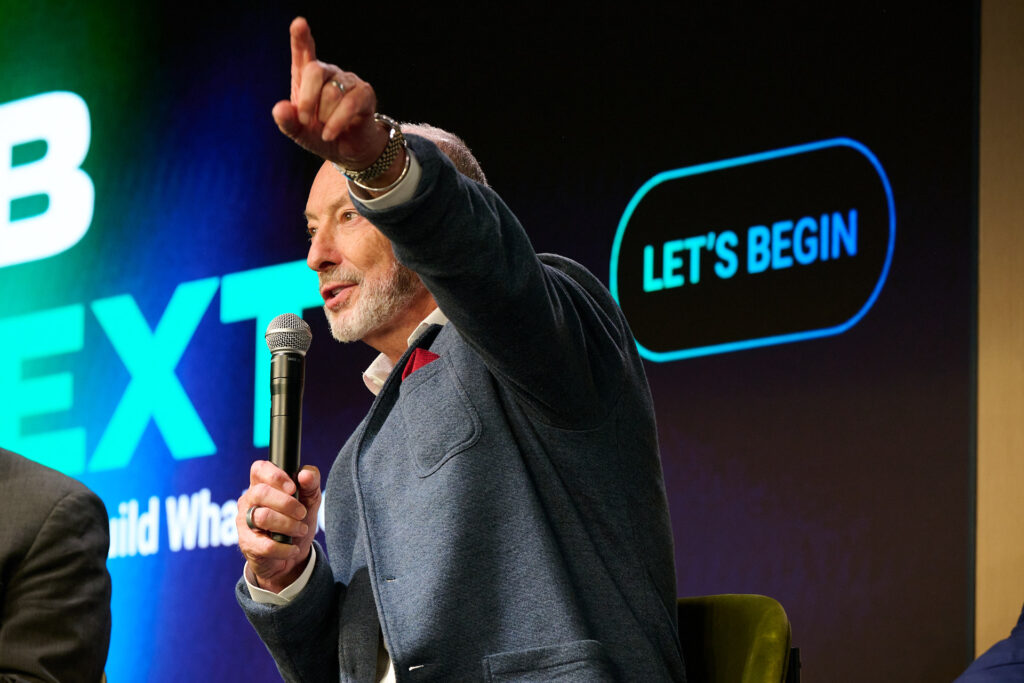
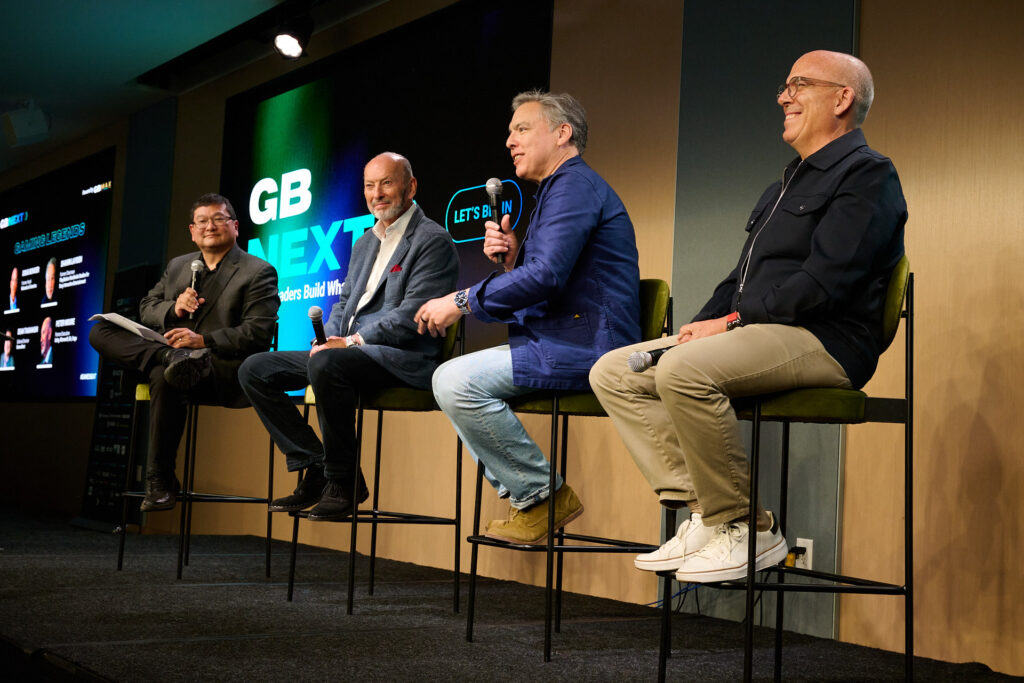
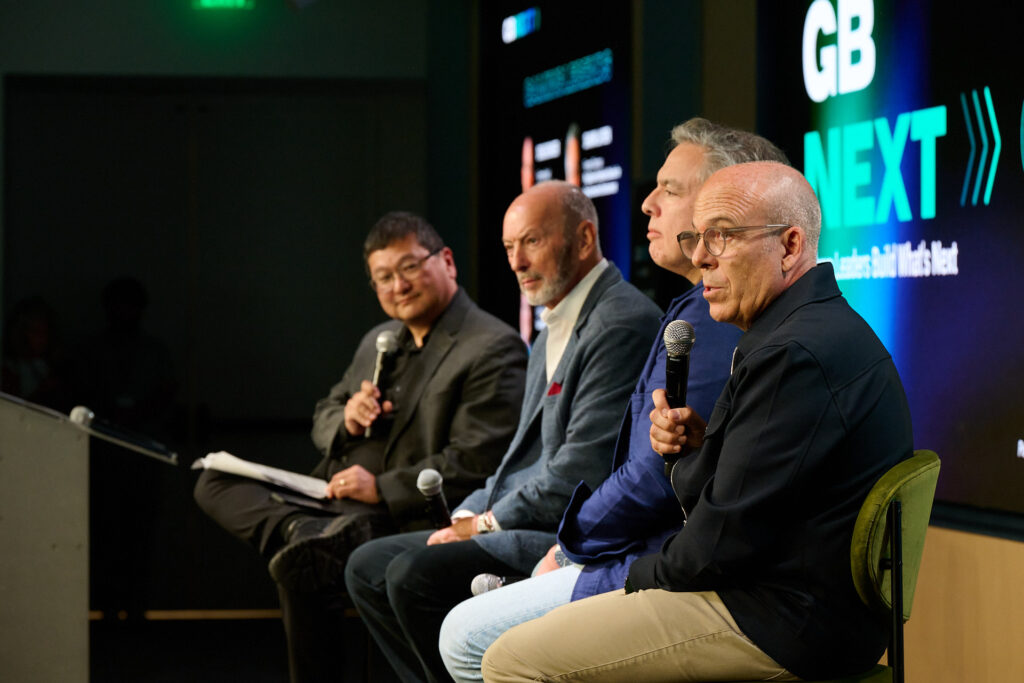
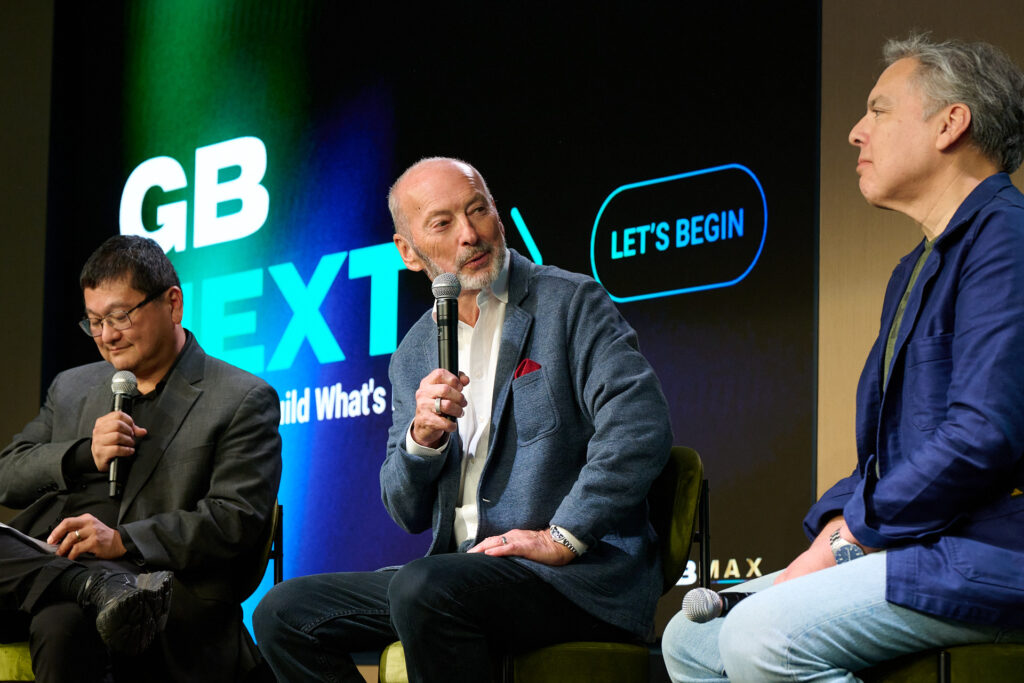
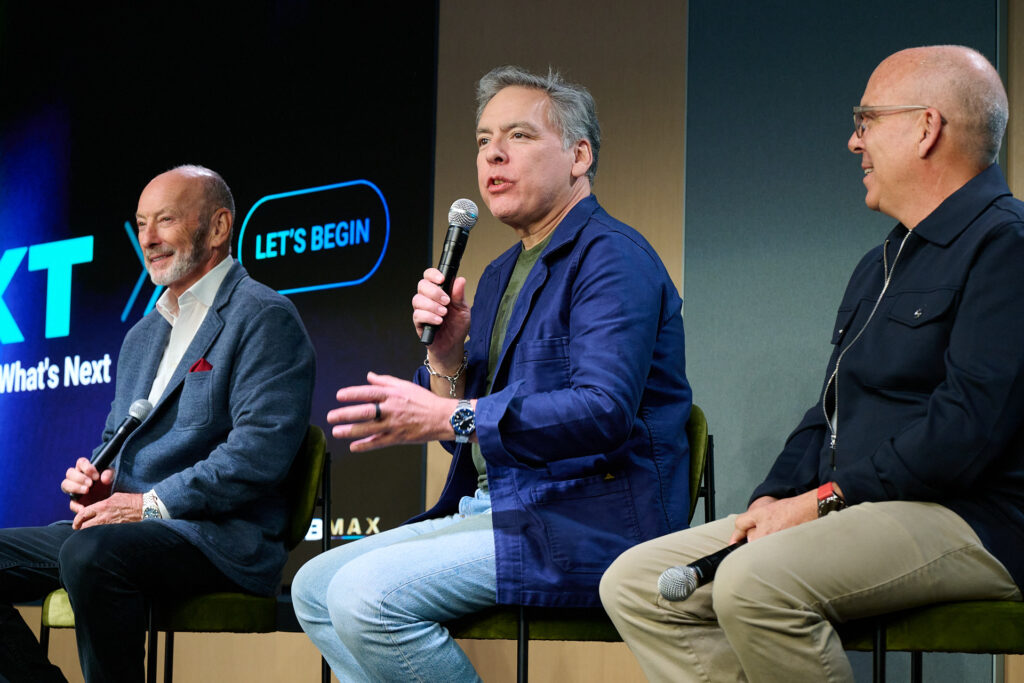
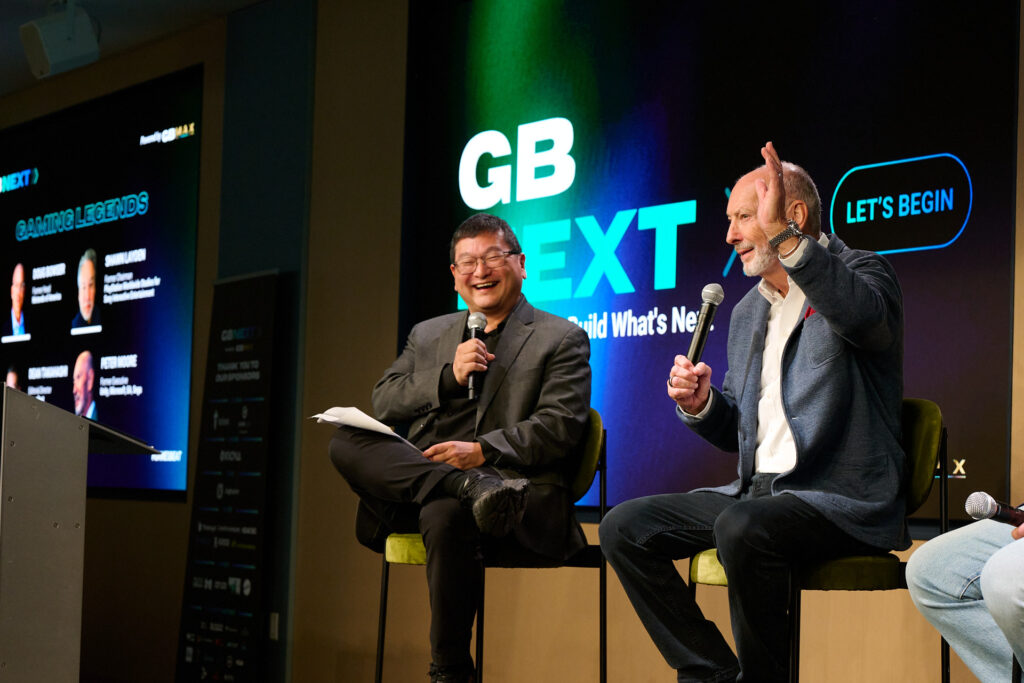
We had a great time at GamesBeat Next 2026 opening our event with a game legends panel: Doug Bowser, former president of Nintendo of America; Peter Moore, former leader at Xbox, Sega and Electronic Arts; and Shawn Layden, former chairman of Sony Interactive Entertainment Worldwide Studios. I served as the moderator.
This panel was modeled on a session I saw 25 years ago at an E3 conference, in 2001, as a relatively fresh full-time reporter on games. I watched the E3 panel that, for the first and only time, brought together the top current leaders of the Xbox, Sony and Nintendo. They kind of insulted each other, and then they never did it again.
In our opening session at the event, all three leaders said they believe the industry’s creative risk-taking has fallen dramatically. To be clear, they were not insulting the current management of their own companies with this criticism. Their words targeted the entire industry.
They feel major publishers have become too focused on efficiency, scale, and predictable returns.
Layden argued that consolidation is producing companies that are “too big to fail” and increasingly unwilling to innovate. Bowser agreed that fewer titles now carry greater financial pressure, reducing experimentation. Moore lamented that many unconventional games — like Sega’s Seaman — that once launched on systems like Dreamcast would never get approved today.
Layden was frustrated that many publishing leaders are prioritizing shareholder value and efficiency over creativity, and that the industry’s decision-making increasingly focuses on financial metrics rather than whether games are actually fun.
What’s the way out?
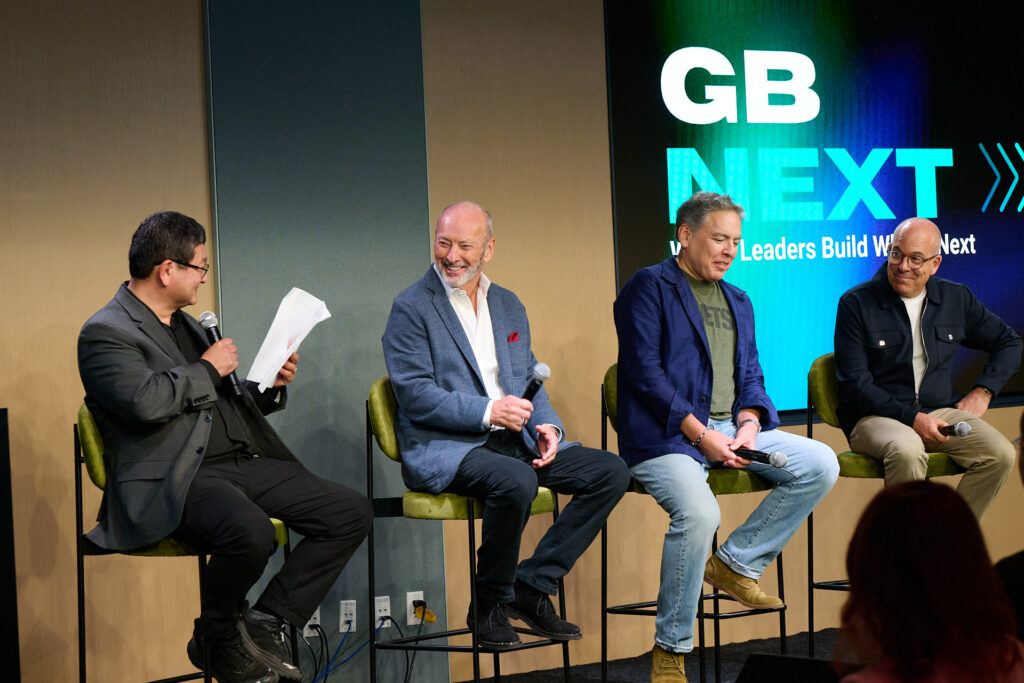
Bowser sees AI as a major opportunity for indie and double-A developers. Rather than focusing on AI replacing jobs, Bowser framed it as a democratizing force that allows small teams to compete more effectively with larger organizations.
His argument was that AI can reduce development costs and remove some barriers to entry that traditionally favored large publishers.
Moore believes GTA VI will be an industry-wide positive event. Instead of hurting competing games, Moore and Bowser both suggested that GTA VI can pull consumers back into gaming, reactivate dormant users, sell hardware, and generally create broader momentum for the market.
Moore also believed that exclusives are becoming less important. His argument was that Microsoft’s acquisition of Activision Blizzard fundamentally changed the nature of exclusivity by making major franchises too valuable to restrict to a single platform.
It’s time to take risks again
Nintendo remains the outlier. Bowser repeatedly emphasized that Nintendo operates under a different economic model than Sony and Microsoft, developing software and hardware together and maintaining lower development costs as a result.
All three executives want leadership teams to empower creators again. The recurring message was that the industry needs fewer financial gatekeepers and more belief in developers who understand what players enjoy.
Surprisingly, there weren’t many barbs fired at each other. The panel was less about console competition and more about a collective concern that the modern game business has become too risk-averse. And yes, Peter Moore did say “time to penis” in our panel.
Here’s an edited transcript of our panel. (Photos by Mark Madeo).
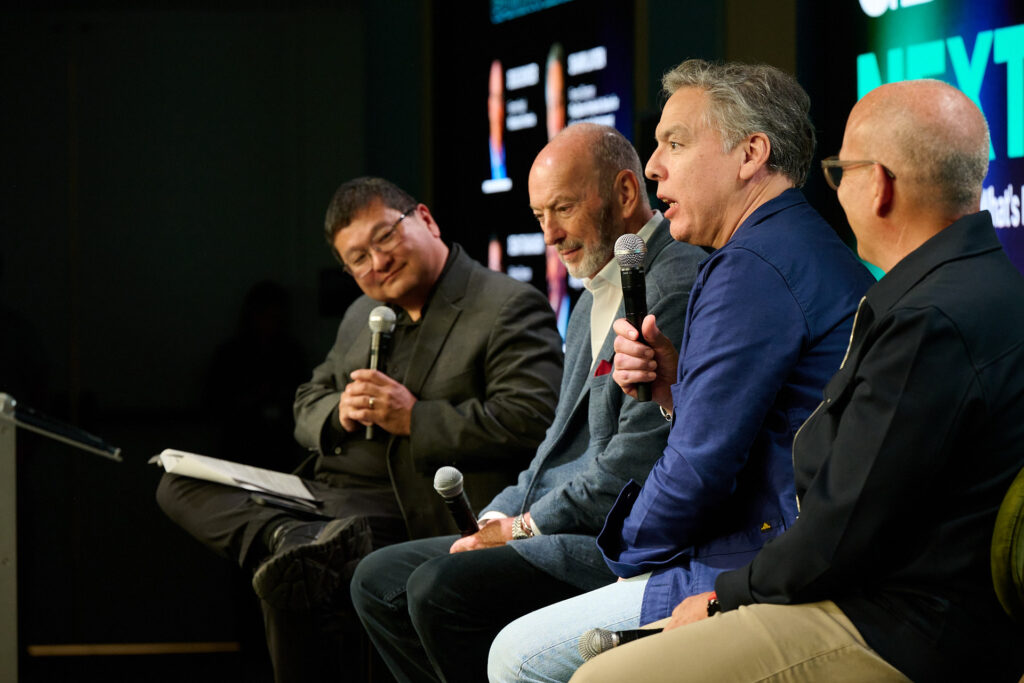
Peter Moore: I’ve always wanted to walk out to Linkin Park.
GamesBeat: Let me take you back to that 2001 panel with Robbie Bach and Kaz Hirai and Peter Main. The veteran Hirai of Sony said to Bach, in a fairly condescending way, “Follow our lead. Follow our lead.” He was not so wrong at the time. Perhaps it was not surprising that they never took the stage together again.
We have that same session in a slightly different form to bring the transparency of that time back, perhaps when we need it the most. We’ve taken some of the risk out of the conversation with some added common ground. This trio is no longer working for the console companies they once represented. They also didn’t fight the console wars with each other at exactly the same time. A couple of them even worked at the same company at the same time. This is more of a conversation among old friends.
We’ve also brought them together for a common purpose. To quote Peter Moore, “You know, things break.”
Moore: That was 20 years ago! And for those of you who don’t recall, he’s referencing the Red Ring of Death.
GamesBeat: Anyway, we have these three wise leaders here to tell us how to put things back together. First, let’s have them say a bit about their backgrounds that’s relevant to the conversation.
Moore: Born a thousand years ago in Liverpool, England. Absolutely pleasure to be here with everyone. So many familiar faces. Delighted that Dean, in the vacuum now of things like E3, is able to bring the industry together in such a great setting. It’s wonderful to be here with old friends, foes, and colleagues as well, with Shawn and Doug.
I came into video games at a late stage. I was a shoe dog at Reebok. I was in the sneaker wars. I got all from Sega asking me to join the console wars. I knew nothing about video games. I moved back here to San Francisco about eight blocks south, 650 Townsend. President of Sega, Bernie Stolar, for you old guys who remember Bernie–I got there and Bernie was gone not much later on. A sudden–what we call a battlefield promotion. There we are at the launch on 9/9/99. Great years at Sega. Learned an awful lot. We took games where gaming was going. Went head to head, prior to Shawn’s tenure running PlayStation hardware. It was Kaz Hirai and Andrew House and those guys.
Caught the attention of Microsoft and moved up to the rain in Seattle. Steve Ballmer said, “We need somebody who can throw punches.” I always remember him saying that. Xbox saw themselves at the time–it was Xbox versus PlayStation. They somehow conveniently forgot Nintendo was going to slip in with the Wii during that period. Five years at Microsoft. Then John Riccitiello called and said he needed a sports guy and a video game guy. He needed a president of E! A! Sports! Moved back here, Redwood City and a brilliant 10 years at EA as Chief Operating Officer.
During that period–we’ll talk about that. Saw the industry go from physical media-based to direct to consumer and digital. And then, as an aside, got a call from another executive to move back to the U.K. I’ll always remember looking out the window in Redwood City at a glorious California day and saying, “Hell no.” But Spencer Stuart out of London said, “What about being CEO of Liverpool football club?” So, born and bred Liverpudlian. My dad took me to my first game in 1959. It was very difficult to say no.
Left the industry and had a wonderful three and a half years. My wife Debbie is here. We moved back to Liverpool. We were champions of everything and everywhere. I took a lot of my video game learning and applied it to running a global football club. We can talk about that as well. Then back here doing a bunch of stuff in football and video games. It’s always a pleasure and a delight. I go back with Dean. Industry Standard, Red Herring, San Jose Mercury-News, Wall Street Journal when he was just a kid. It’s wonderful that someone like him keeps us all together and brings it all together for an event like this.
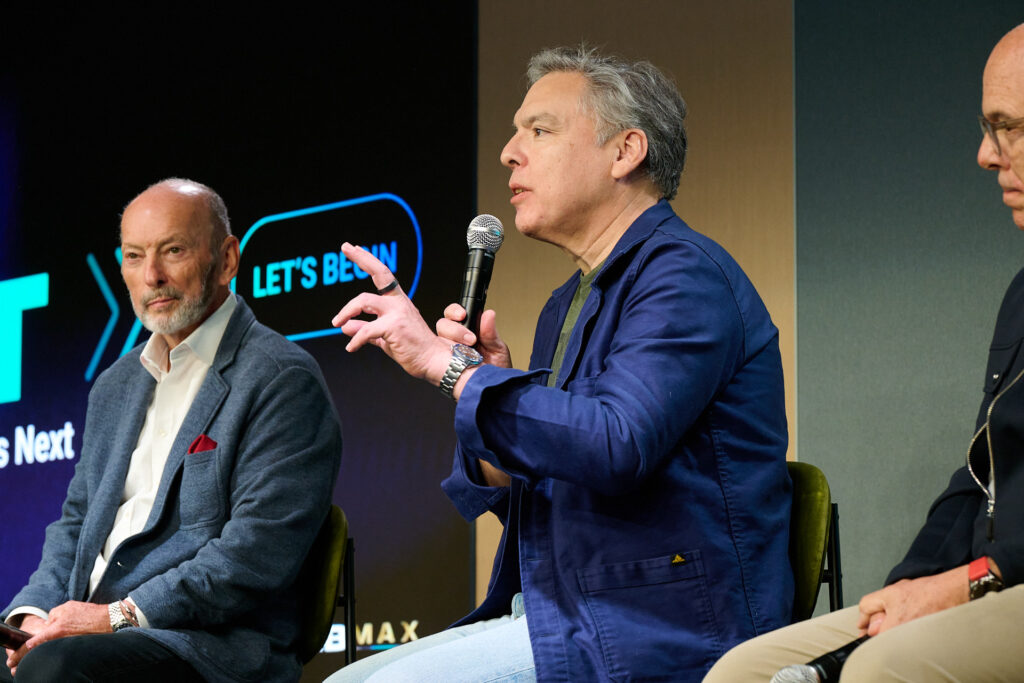
Shawn Layden: I’m honored to be up here with Bowser and the Scouser. As an Arsenal supporter I’m not going to take too many shots at Liverpool. Go Gunners. I joined Sony shortly after they invented the compact disc. That’s how far back it goes. I spent my time in Tokyo. Joined the nascent PlayStation group back in 1995 when it began. Took on the job, at that time, of bringing western games to Japan. That is the ultimate coal to Newcastle experience. Trying to bring something like Twisted Metal over there to a country that’s used to beautiful games like Final Fantasy. We had a hard slog at the time.
I moved to London around 2000 to take over some of the international development activity there. We’d bought Psygnosis, a big European concern, and we had to integrate the asset, which means you go around with a clipboard and people call you the Grim Reaper. It’s not very fun, but we did it. It’s been going on in the game industry since time immemorial. We can talk about what that means today.
Then I came back to America. We did the Sony Network Entertainment company for a while. Then I became CEO of PlayStation in the states. Later I chaired the studios, which was a delight for me, because I got to say my 10 dark years of sales and marketing were finally over. Going back into game development, those were really the fun days. I left the company about seven years ago, just before COVID. Good timing, me. But I’m here today to talk to everyone about the industry we love, that we’ve given our lives to, that provides a livelihood for many of us. It’s in a bad place right now, certainly a difficult place. We can talk a bit more about that later.
Doug Bowser: I’d like to start by just challenging the name of this panel. As I look across this audience, I see way more legends out in the audience. It’s fantastic to be here among all of you, and to have a really important conversation. As to my background, I’m similar to Peter. I’m kind of a mid-career hire. I spent the first 23 years of my career selling something even better than shoes. I was involved in the toilet paper wars. I was at Procter and Gamble. It was us against Kimberly Clark and Northern. I can tell you more today about two-ply versus three-ply versus one-ply than you’ll ever want to know.
But it was a great place to sharpen my teeth. Procter is famous for its sales and marketing programs and development programs. I had the opportunity to work not only in the U.S., but live in Hong Kong and expand into China. I spent six years in Mexico and Caracas, Venezuela, helping expand into Latin America. I had the chance to learn about what it really means to be a global brand and nurture and grow and shepherd global brands. Also was able to carry forward some unusual skill sets. I had a bit of an international learning and understanding.
When Cincinnati said, “We’d like your 10th move in 23 years to be Cincinnati, Ohio,” I said, “Hell no.” With all due respect to anyone from Cincinnati out there. But when I reached out to a few headhunter firms, the very first call I got was about an opportunity at EA. I was at the time playing Tiger Woods PGA Tour Golf with my son. I was addicted to SSX Tricky on my PS2. This was like, wow. This was perfect. I could take these skills I’d learned and apply them to an industry that I absolutely loved, that was a part of my life as long as I could remember. It was a great honor to be able to jump into the industry.
I spent eight years at the EA in sales and marketing roles. My last couple years I spent working for Mr. Moore. We had to call him Mr. Moore there at the time.
Moore: To my face.
Bowser: We had a great relationship. Those were really fun times. The second time I said “Hell no” was when I got a call from a headhunter asking me if I would be interested in a role at Nintendo. I said that because it was three years into the Wii U. I was forecasting the business for Peter. We literally were killing every single title on the Wii U. Every single one, I thought, “Oh, this is a sinking ship. It’s not a good idea.” But then I stepped away and thought about it for a couple of weeks. I remembered my experiences with Nintendo. I realized that Nintendo was one of those companies that was not afraid to take risks. Not afraid to try something different. When others zig, they zag. I really started to build an affection for what they were doing.
I called the recruiter back and said, “Is it too late to say hell yes?” The rest is history. It’s been a pleasure, an incredible honor to be able to work at the company for the last six years of my career. It’s an honor to be here in front of all of you, because I still remain incredibly bullish about this industry. Despite what has been happening–Dean and I were having this conversation earlier. There have been cycles like this in the past. We’ve lived through them. I would say this one is longer. There are more factors influencing this cycle. But I still believe, when you’re a $250 billion industry and growing, that there’s a huge opportunity in front of us.
We just have to get together, work through this period, understand what created it. Some of those things are under our control. Some of them are outside of our control. We need to plot our path forward. I think this is an incredible part of people’s lives right now, and it will continue to be going forward.
Moments, memories and history
GamesBeat: I’d like to think about the industry’s evolution in terms of these moments, memories, and history. The distinction is more like, the lasting things are memories and history. I’ll give you guys a choice. Tell me a big moment or a great memory or where you felt like you were part of history. Let’s start this one with Doug.
Bowser: It’s kind of a layup. I was lucky that most of my tenure in my last role, it was the Nintendo Switch era. For me, it was–starting with the very first moment I saw Switch and got my hands on it, just the excitement I had over something I thought was incredibly revolutionary. Obviously Nintendo has a history in both the handheld space and the console space, but to see both of those platforms come together in one, and understanding that then we could take all of our dev talent, all of our dev capability on the game side and put it into one device–for me, I just thought that was amazing. Things were going to be heading in the right direction.
But there was the unknown. How was the consumer going to react? Everyone was talking about teraflops. At the time we weren’t quite talking about raytracing, but it came shortly after. This device didn’t have some of those capabilities. I was concerned as to how consumers would react. But this all came to life for me when we had our first launch event. We were unveiling in January. People got to play the games. I always said, it’s less about what’s under the hood and more about what’s on the screen. What’s the feeling you get when you see a game, get your hands on a controller, and experience the game firsthand? That’s what makes the difference.
I saw that come to life then, and of course I saw it come to life with the launch itself. Standing in front of our New York store and seeing consumers literally around the block and down past Rockefeller Center and beyond, lining up to get a Switch. And then seeing literal tears in their eyes as they came through the door, their sheer excitement and fandom for what we were about to do. That’s a pretty special moment. It’s one you don’t get to live very often.
GamesBeat: Shawn, did you have tears in your eyes when you saw the Switch?
Layden: I was speechless.
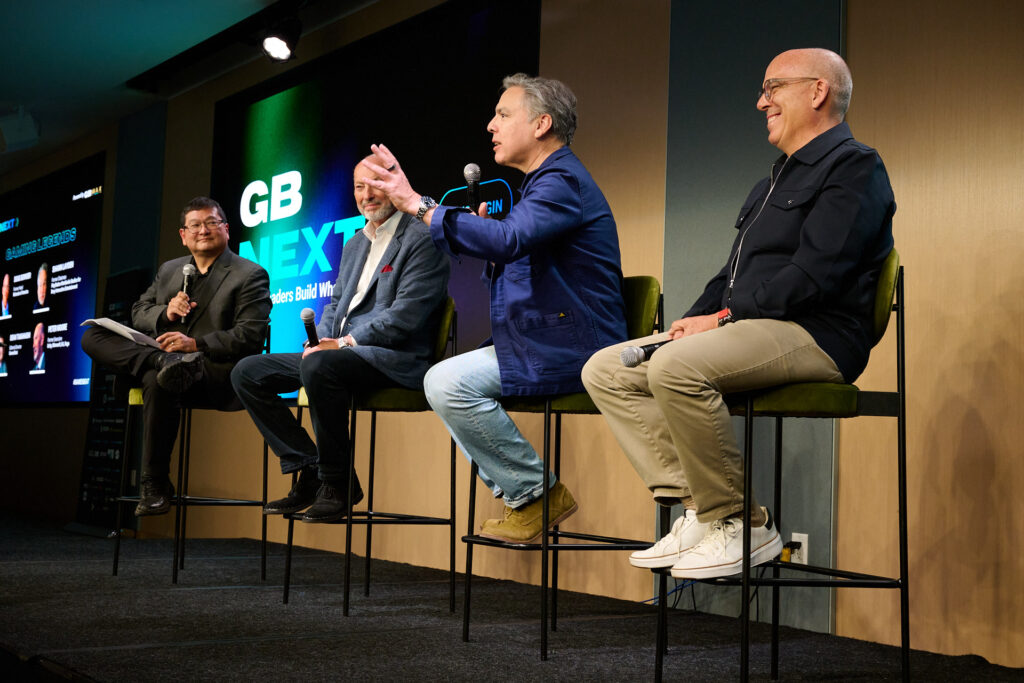
GamesBeat: But how about you? A big moment, a great memory?
Layden: I guess I’ll take a moment of privilege here, because my favorite memory in my time at PlayStation, which was a very long time–we have PlayStation stories and PS2 stories and the PS3 story about where Sony flew too close to the sun like Icarus and almost destroyed themselves. And then PS4 is kind of the redemption arc of the console business.
I think we hit our peak at E3 in 2016, where they closed down the sports arena because they were building a soccer pitch or something there. We had to find a new place to have our E3 conference. We went to the Shrine Auditorium, which is legendary for holding the Oscars and things like that in the past, but it’s also a really old frickin’ auditorium. There’s no way to do it other than just to do a 1930s show, we decided. That’s why we brought in an orchestra and filled the orchestra pit. We got Bear McCreary to come out and direct the orchestra in this new soundtrack, which no one had heard. It was really epic. We flew a singer in from Iceland to sing the vocal chorus to what was the main theme for the game God of War, which hadn’t been introduced yet. We had Cory sitting up in the balcony. He was going to do live demo code. I’ve never seen a man sweat so much. We were worried he was going to electrocute himself through the controller.
It was a high tension moment. But when the curtains opened, the demo ran, and you heard Kratos say, “Boy, I’m hungry.” He walks into the late. The place goes pandemonium. It was the most incredible experience I ever had. I said on stage at the time, “If any of you get the chance to walk on stage to a live orchestra, do it. Whatever the reason. There’s nothing quite like it.” That show had God of War. We talked about Spider-Man. We brought back Crash Bandicoot. We had Hideo Kojima walk down the Michael Jackson staircase to “Take Me Back.” It was a crazy show. That was kind of peak E3 showmanship for PlayStation.
GamesBeat: I think you wore the Crash Bandicoot shirt before anyone had greenlit anything?
Layden: That was at a different event, where I wore the Bandicoot shirt and got calls from Activision later about why I was trolling them on stage. But they made the game afterward, so all’s well that ends well.
Moore: I’ve been blessed. Unveiling my guns on stage for Halo and GTA IV. Just a myriad of different experiences. But one thing–I was remembering back a long time ago, 650 Townsend. It’s the spring of 1999. Visual Concepts in San Rafael. We are trying to get NBA2K, Sega Sports NBA2K, to play head to head online. It was our first attempt at getting a team in Marin and a team down here to play on the internet. Again, remember, this is a 56K dialup situation. I’ll never forget hearing Greg’s voice and watching my team there at 650 and the team in San Rafael, watching an online game. As far as I was concerned, really it was the first time with a sports game.
It’s NBA2K now. We named it at Sega. Take-Two obviously bought Sega Sports and the IP. We named it because we couldn’t come up with anything else. The Y2K disaster was in the news. That’s how 2K came about. But watching two people play 30 miles apart, realizing that we’d cracked this at a very smooth 30 frames per second, it was one of those moments. Like I say, I’ve been blessed with so many ridiculous moments since, but that moment will live forever with me. Realizing that this was the beginning of something that we all, and hundreds of millions of people, take for granted now, which is logging in, connecting, and playing. This was a revolutionary moment for me.
Why GTA matters to everyone
GamesBeat: In the current era–I’ll toss this up for whoever wants to take a swing. What do you think about the GTA VI moment?
Bowser: The one platform the game cannot be played on, and you look at me? First of all, I’m actually excited to see what it brings. We don’t have these moments very often. This may be the greatest or biggest launch we’ve ever seen in the industry. I think launches like this are good for the industry. I hope to see hardware get sold because of it. I hope to see people reactivating their existing devices and re-engaging. It’s a pivotal and important moment for the industry. But also, it’s not the only moment. Shameless plug for Ocarina of Time. I’m a loyalist still.
But here’s the point I’ll make. There are people that are absolutely going to play GTAVI. If you look at Steam and all the other indicators, this is going to be massive. But there are also people out there that just play other games. In general, all boats can rise. In a situation like this, it benefits the entire industry. I do think that it may motivate people to turn on a device that has been idle for a while and maybe play another game that they haven’t finished or want to go back and visit again.
I don’t believe in blast radius. I really don’t. I think that we can all coexist in a period of time. Yeah, if you’re launching on that day, it may be a little different. But I think that if you get people to turn on devices, you get excitement. It’s a great time to step in and be a part of the industry.
GamesBeat: Peter, would you pay to see Doug play GTA VI, running over people with cars and things like that?
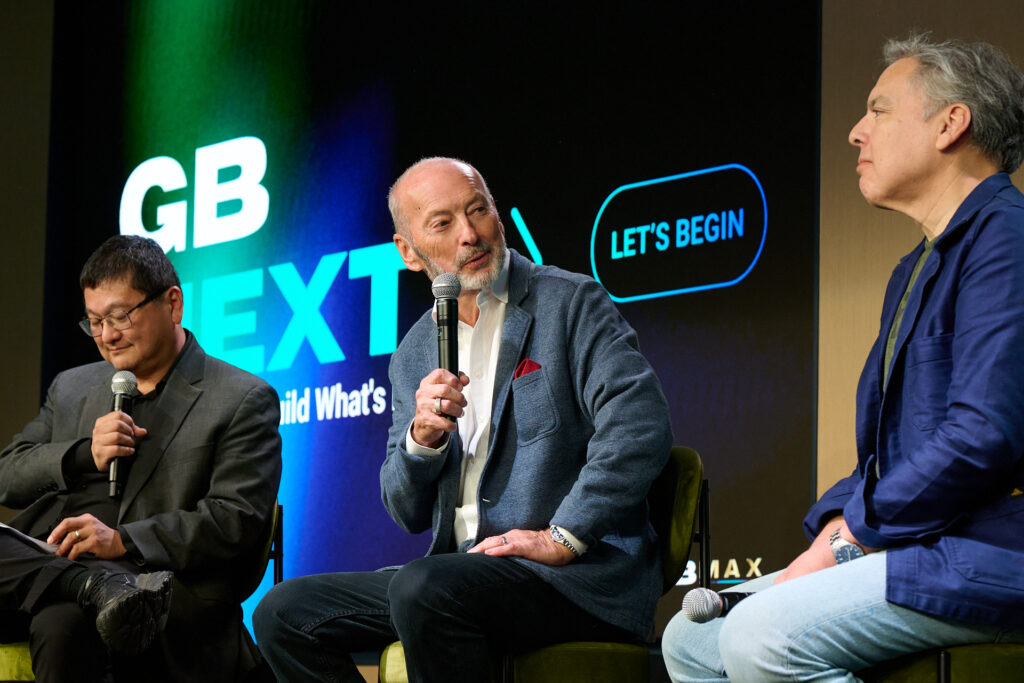
Moore: I’ve seen him in real life. That EA parking lot–Doug’s exactly right. I’ve always believed these moments–I can go back. I remember GTAIII in particular. All of a sudden. I would go to Japan and take GTAIII and say, “This is where it’s going. This is the first 3D GTA.” At that point our nine studios in Japan were still making games–Yu Suzuki, Yuji Naka, I can see them all now, making games that they felt were appropriate. The industry was globalizing quickly and taking full advantage of three-dimensional graphics, better sound, and GTAIII in particular, followed by Vice City–we moved past Hot Coffee and pretended it never happened, and on to GTAIV, which I proudly had on my bicep.
Then you get to now. Thirteen years ago, GTAV. I think what this will do on November 19 is put the industry back on the front pages. You read all of the stories. People doing templates to give to their boss. “I won’t be in for the next week, and this is why.” Huge launches like this, we go back to the old days. It used to be the Call of Duty launches. Certainly in my time at EA the FIFA launches were–people get really excited about a new game, about our industry, about our creativity. What we’ve seen in GTA–let’s not forget that the previous one was 13 years ago. It taught us a huge lesson. If you keep a team on it, keep updating it, find different ways to engage people–it got through all of the adult content many years ago. We all lived through that. It’s been brilliant for the industry and it’s going to be brilliant. It couldn’t come at a better time for us right now.
GamesBeat: In today’s environment, with all the challenges we have–we’ve had unprecedented layoffs and studio closures. If you’re steering one of these big companies today, what comes to mind about what you need to do?
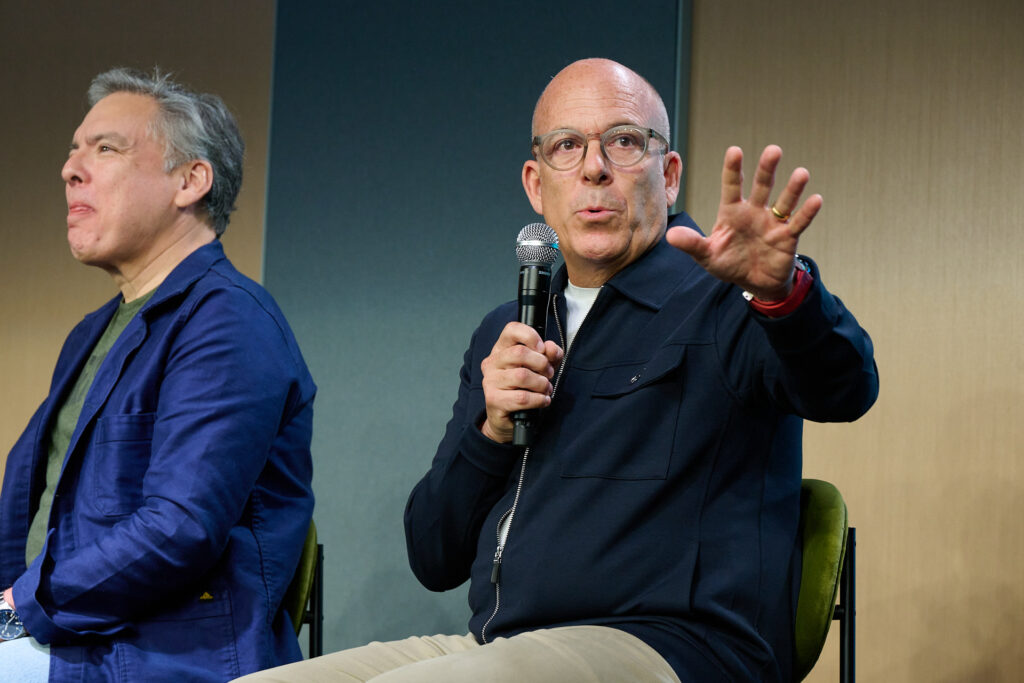
Layden: It’s been bad for the last couple of years. I’ve said this before. I think consolidation is ruining creativity in the gaming business. I think we’re creating huge concerns that are too big to fail. It means they’re too big to innovate. They’re too big to take risks. We end up having the same games made over and over again. Which means they have an audience for it, and the same people are paying more money than they paid before, but they’re still there and still paying.
But a large part of the planet doesn’t game. We talked about the $250 billion business. That’s a huge financial number, but the social impact of gaming–it’s inverse to music. Music is probably the least revenue-generating. If you put all the shows together and the merch together it adds up a bit. But everyone in the restaurant downstairs has a favorite song. Not everyone there has a favorite game. Maybe five or six out of 10? Even though we’re this huge business, we don’t have a lot of social impact at this time.
If we continue to make the same games over and over again, the majority of people who didn’t want to play Call of Duty last year, they’re not going to play Call of Duty next year either. We’re running out of ways to talk to new people through new games and new innovations. That, I think, is the biggest risk we have right now. So much of the corporate world is saying this is an attack, and now it’s bleeding over to gaming. Two big companies are sacrificing their business on the altar of two gods. One god is called shareholder value. The other god is called efficiency. You can’t run an entertainment business by just satisfying those two gods.
Bowser: I’d like to build on Shawn’s point, because I said the exact same things to a group of indie developers in Mexico City about a month ago. I talked about the fact that consolidation leads to a point where you put more pressure on fewer titles, and when you do that, the financial outcomes of those titles are so significant that you stop taking risks. That does worry me, because when you stop taking risks and you try to do fewer and better, the end result is we start to narrow, if you will, the catalog that we offer consumers. Over time that’s going to narrow the number of people that want to be engaged with our industry. I think it’s incumbent on all of us to think about ways to address the broader audiences that play games today. They’re not just playing those two or three games.
My message to the indie community was, this is your opportunity. You now have the great equalizer out there. It’s called AI. You no longer have to have teams dedicated to building massive powerful engines. You can use AI to help you with your code. You can use AI for a variety of reasons. Importantly, you have small teams today. Small teams can be nimble. They can be quick. They can pivot. They can make decisions, whether they’re heading in the right direction or they want to go in a different direction. My message to that group was, this is a huge opportunity. While doors may be closing and windows may be shutting on the triple-A side, I think there’s a world of opportunity on the double-A and indie side for folks to step up and create some really unique, fun content.
Moore: You can’t spreadsheet your way to a GTA or a Minecraft or a Roblox. The creative elements, the creative juices. AI is going to be a wonderful tool, ultimately. We’re going to get used to it. We’re going to get past all of the negativity. It’s going to be a tool that developers can use. For years, certainly at EA in my time–I’ve been gone nine years. We were using variations of what you would call AI to do rendering, to populate environments.
Layden: Liquid AI came out of EA.
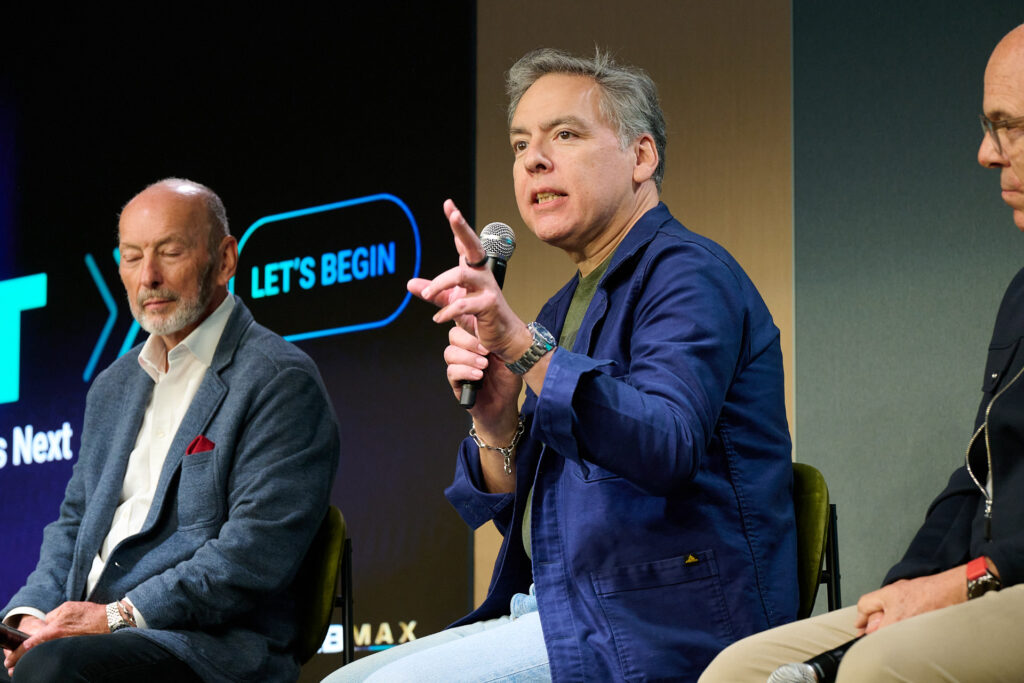
Moore: It’s super-I now, super intelligence? I’ve forgotten.
GamesBeat: It’s thinking! Right?
Was Seaman thinking?
Moore: Totally, yeah. To Doug’s point in particular, you have to allow the creative juices to flow again. In the early days we didn’t have tools that we now have. It was very much about story arcs, character development, interesting worlds. Think about all the quirky games we did at Sega. Samba de Amigo. Seeing that. It was on that day when I came home and my Seaman was floating at the top of his tank. Sega Bass Fishing. My son, who’s 40 now–I would walk into the room and he’s playing Sega Bass Fishing. If I made a noise, he would go, “Shhhh! The fish are near, they’ll hear you!” With the mic in the Sega fishing rod. Those were wonderful times, incredible times. I was so happy, a few months ago, to see Crazy Taxi come back and get a new life.
These games were incredible. It kind of breaks your heart a little bit. I launched Xbox 360 with Gears of War. It was a great time, because Epic was launching the Unreal Engine 3. We got around that. It was a great day. But here we are, I don’t know, 20 years later? Gears of War E-Day, if I believe the reports, cost $500 million to make. It seems to have only sold through 400,000 copies. Who knows what the numbers are? But instead of $500 million on a 20-year-old piece of IP, let’s see if we can take half of that and spend $20 million or $30 million or $40 million on new bits of IP.
At EA we had difficulty, always, at launching new IP. The one person, when we brought them in, that could do it–God rest his soul, Vince Zampella. One of the greatest, most interesting individuals I’ve ever met in my life. He built Respawn, and we helped him. This game called Titanfall. EA wasn’t very good at this, but you needed those driving forces, the great creators of this world like Vince, to believe in it, to bully his way through the boardroom, to refuse to take feedback from Larry Probst, John Riccitiello, and me. He said, “This is what we’re going to do. Just get out of the way. Keep the money coming, but get out of the way.” And then follows it up with Apex Legends.
You think about these moments. The levels of creativity. Everyone is freaking out about AI. No. We’ll get around it. We’re not Luddites. We’re not going to smash the machines. We are very much going to embrace this. It’s an inflection point in the industry. GTAVI will be one of those moments. It’s an ignition point that will allow us to get back on the front pages. People talking about games again. Everything will reset and resize. We will get our dev teams focused more on creativity and less on cost efficiency. I just hope that my former employers in Redmond, Washington grasp this. Certainly we’ve seen Nintendo always drum their own beat all the way along. Kyoto doesn’t care what goes on in Tokyo or Redmond or wherever. But the industry needs what’s going to happen.
From that perspective, if I was still at Xbox or Sega, focused on what the future looks like–trying to, as Doug points out, enable and empower the young mobile developers that are coming through. Looking at that platform in particular, because it’s so accessible. Let’s see what’s going to happen with the iPhone Duo. What is that going to look like as a gaming device, when it stops breaking? But I couldn’t be more bullish. If I was Asha in particular, in my old haunts up there at Xbox, the resources that she has available to her are immense. You still have, I think, the belief of that company that badly doesn’t want to be pushed back into the offices as a productivity company. It loves its Xbox brand. I just think Xbox can be very different over the next 10 years.
AI should empower developers, not replace them
GamesBeat: Where is the fun going to be? There’s not going to be new machines for a while with faster 3D graphics. Do you think AI is going to get us there? But where is the fun going to be?
Moore: AI is not going to create the fun. That’s still a human thing that people will work at. It’s interesting you say that, because in the boardroom at EA–JR was very good at this. “Okay, that’s great. Where’s the fun?” Looking at games, whether it’s Bioware rolling something out, where is the fun? This is magnificent visually. These are unbelievable characters. But where’s the fun? There were so many games that couldn’t get past that question. Hundreds of millions of dollars in dev that just didn’t see the light of day at EA, because you couldn’t get to the fun. That was an expression he used.
Layden: That was the criteria in the early days. We’d have these producer gauntlets you’d have to go through at the end of the month. Present all your games and have people critique them in real time. It gives you really thick skin. But over time, I think the question about “Where’s the fun?” became different questions. Well, what’s the TAM on that? What’s your DAUs and your ARPPU or whatever those are? These became the leading points in presentations. When that began to happen, we started to feel that the creative bit was being squeezed out. The financial patterns around it were becoming primary. That kind of got us to where we are today.
Bowser: You make a great point there on the KPIs changing right in front of us, and us accepting it. That’s something we have to push back against. At Nintendo, their mission statement is pretty simple. We create smiles. Easy to understand, and easy to actually ask when you’re in the process of developing a game or reviewing a game with the dev teams.
The one thing that struck me, I had the chance to sit in the room a few times when the dev team would present a game to a group during a strategy session. It was a group outside of Kyoto that was running the various regions. Shinya Takahashi, who was running development at the time, was very specific about what he wanted. He wanted enough people in the room that you could see their faces and see their eyes, but he didn’t want any more than that. He wanted to be able to see everyone. He would sit there and literally watch your expression. He never watched what your hands were doing on a controller. He never watched what was happening on the screen. He watched your eyes and your facial expression. He wanted to see, are you having fun? If he didn’t see it, he would ask you directly. “Why is it not fun?” That was direct feedback that you got.
I think it’s really important that we continue to focus on this area, because as we look at the new cohorts that are coming into gaming, whether it’s Gen Z or Gen Alpha, their needs are fundamentally different than ours are. You only have to look at games like Roblox or Minecraft or Fortnite to understand that those players want to play in a different environment. They want self-expression. They do want fun, and they want it to be easy to get to fun. It’s important for us to keep an eye on those cohorts as we build our next games. To Shawn’s earlier point, don’t do what you did in the past. Really understand how those people want to play. They’re going to be our largest cohort in just a matter of years.
Moore: My wife and I drove up from Santa Barbara yesterday. We listened to a podcast called Acquired. It’s long form deep dives into a company. It takes them about a month to research this. The latest one is about Seinfeld, the business of Seinfeld. To get to the punch line at the end, this is a $7 billion business, and there hasn’t been a Seinfeld filmed for 30 years. But the thing I took from it is exactly what we’re talking about. In the early days, it was very difficult to sell to NBC. Jerry Seinfeld and the writer Larry David would go into the boardroom with Jack Welch at GE. GE owned NBC in those days. And what I didn’t realize, all of the sales people who had to sell the advertising, they got to see the scripts. They would go to Ford and Pepsi and McDonald’s to go sell the advertising.
Jerry and Larry David would go in, present the script, and get feedback from the advertising sales heads, from Jack Welch, from Brandon Tartikoff, and on and on. They’d walk out and say, “Yeah, I’m not going to do any of that bullshit. We’re just going to make what we think is funny.” You’re all too young to remember when Seinfeld first came out. People were scratching their heads at a show about nothing. But the humor was deep. It was so disruptive at that time, when it was all American sitcoms. Listening to this reminded me. When you have creatives who have a backbone, who can stand in the boardroom and say, “That’s great” to CFOs and advertising sales guys. “We know what’s fun. We know what’s going to work. We’re just going to do it whether you like it or not.”
If you have the opportunity to listen to podcasts of this depth and learn about the history of these great brands, please do so, because it really informs the games industry, or any industry you’re in. I would strongly recommend if you’ve never listened to it. You have to be on a long road trip, but it’s brilliant.
Reeling Peter back into games
GamesBeat: That’s good, Peter, but I have to pull you back into games here.
Moore: I tried to cross-reference! It’s an intelligent crowd, Dean, that can see the juxtaposition.
GamesBeat: How do you feel about exclusives versus cross-platform games? And what should the role of the platforms be?
Moore: Nintendo has no cross-platform games, so that’s easy.
Layden: I think exclusives are important for a platform, certainly. That was the turning point for PlayStation, when we convinced Squaresoft to bring Final Fantasy VII from Nintendo to PlayStation. That was our genuine bonafide, that we’d come to conquer, come to be successful. Our own first-party stuff was always exclusive, whether God of War or Twisted Metal or Jet Moto, going down the line. I did an inventory before I left. It was about 220 unique IP that Sony owned across all these generations. That included NHL97 and NHL98, so it’s not like we still made those games. But they had a lot. It was all exclusive. In order to enjoy them, you had to have a PlayStation. It was a real easy setup.
Are exclusives obsolete?
As far as the role of the platform, we always felt that unlike the world of Sega or Nintendo, where Sonic was premier, or Mario was premier–at PlayStation we knew we didn’t have anything like that. We were new to those aspects of it. We concentrated on getting third-party content on the platform. Worldwide Studios, when I ran it, even at our most successful we were never more than 22%, 21% of the marketplace. We never had the biggest share out there. But we didn’t go out there to try to steal the pie from EA or Activision. Our job was always to make the pie itself bigger. Come up with new ideas. What about this two-dimensional rap-singing dog that has an onion as a friend? Sure. Let’s make Parappa the Rapper. No one else will do it, so why don’t we do it? We’ll create this new genre, rhythm action gaming. Then other people can feed off that. That’s kind of how we felt the business was. That, I think, is the role of the platform.
Moore: In today’s world–the moment that Microsoft closed on acquiring Activision Blizzard, the whole concept of first party and exclusives became very murky. The old days, it was a simple business when I joined it. You sell hardware. You get an installed base. You sell enough software at an attach rate–if I remember right you needed 12 over the lifetime. You could sell peripherals as well. It’s all good. That was a very simple business model. Today you have subscription, game pass, DLC, microtransactions. It’s a bit more complicated.
I just don’t see any more of the huge first-party exclusives, particularly as Microsoft figures out whether it wants to be in the hardware business going forward. Whether we are on the cusp – which I think we are, in two years or five years or 10 years – of simply having a controller and a television and a chipset in the TV. Zero lag and latency. You’re playing like you would select a Netflix movie to watch. Microsoft would be desperate to get out of the hardware business. It’s a necessary evil. Always has been. When I arrived there we were selling the original Xbox. It cost us $175 to sell it. We had to get out of that business. Even the Xbox 360–forget what the Red Ring of Death cost. It’s billions of dollars to develop, billions of dollars to install. Marketing. All so you can have a piece of the hardware between the player, the controller, and the television. I think those days are numbered.
I don’t know the value of first party anymore. Between Sony and Microsoft, Call of Duty–it’s murky. Once you acquire Call of Duty, paying $75 billion or whatever the recorded price would be, how could you not allow it to continue on PlayStation? You’d devalue your acquisition cost immediately. Exclusives become a bit murky. I think they’re dying. I think this is a democratization of the industry that needs, again, to rise that tide. I think the next five years are going to be very interesting as far as how this all develops.
GamesBeat: What’s it like to not be part of that arms race that Peter just described?
Staying out of the console war
Bowser: It’s interesting. It’s funny. I’m a pretty competitive guy. There are times when I would read news reports talking about the console wars, and they’d only mention Sony and Microsoft. WTF? We’re selling 150 million units and we’re not even included in the conversation? But there are times like this where I’m glad we’re not included in the conversation. Nintendo really chose to play in its own ocean and not get dragged down by that.
I think Peter, at the very end, pointed to something that is a real important consideration. It’s the economics. I don’t think this is a binary answer, yes or no to exclusives. I think it really depends on the first-party publisher, their understanding of the costs of building a game, whether they can make that game profitable and use it to drive hardware. I think you make a choice to make an exclusive. I had lengthy conversations with Phil when they were considering what to do with Call of Duty. His point was, as you say, “I’ve gotta recoup all that money that I’m investing in this purchase. I’d be foolish not to put it on PlayStation, and in fact I’d be foolish not to try to put it on Nintendo, on the Switch.” Which they’ve ultimately done.
But for Nintendo, I think the conversation has always been a bit different. With the Switch, and even before, our software dev teams were sitting with the hardware dev teams. As a result of that, they were able to truly optimize the build to perform as best as possible on the platform at the lowest costs. You look at some of the dev costs at Nintendo compared to some of the costs we’ve talked about here today. There’s a huge gap, just a huge gap. For them, it’s always worked. They want to create, if you will, a Nintendo universe where you can come in and play the content and be a part of that. They don’t feel the need, at this point in time, to take it beyond the platform.
That’s as far as I’ll go, because I always want to be careful not to talk for the dev teams and what they aspire to. But that’s always been a part of our consideration. How do we keep the costs as low as possible? One way to do that is by putting it on your own platform.
GamesBeat: Shawn, if we had a panel of young game devs that made Fortnite, Roblox, and Minecraft games, what do you think they’d say about our session now? What advice would you pass back to them?

Layden: “God, you’re old.” I’m feeling cripplingly old right now. You look at that world, where they can develop their own characters, develop their own gameplay, emergent gameplay, all that kind of stuff–you can build what you want the way you want to do it. I think that’s delightful and that’s great. I think those gamers also play other games. When we look at a cohort around gamers, there’s not only the Call of Duty gamer, or only the Fortnite gamer. They may have proclivities toward one title or genre, but largely we’re pretty much omnivores, I think, in the gaming community. We try out different things.
I think our challenge now is there are not enough different things. There’s every shooter you want and then some. But where are the great horror games? We need more horror games. We need more Castlevanias. Resident Evil is coming out and that’s great, but there has to be a bit more out there. For me, it’s always been about three things: character, world, and story. I think those are forever values in gaming. I want to see some more time spent in that area. A new Roblox or Minecraft experience where you can inject some of that into the games you’re creating there? Great. Then level up and build me a nice double-A game.
Bowser: The first thing I’d do is congratulate them. I think they hit the mark in terms of some of the experiences I mentioned that the younger cohorts are looking for. I think they hit it right on the head. But I would encourage them to stay on top of that audience and understand what their next needs are going to be. It may not always be–we’ve seen this in this industry. What is hot today is not necessarily hot tomorrow. It’s always changing and evolving.
I don’t mean to open up Pandora’s box here, but I’d also caution them to make sure that they’re taking care of, one, what users are exposed to, what content they’re exposed to. I think it’s also critically important that they put up some guardrails and parameters around IP protection, so there’s not just unwarranted use of IP out there. But if they put those guardrails in place, they’re doing great work right now. I see the numbers that are playing reflect that.
Time to penis
Moore: One of the interesting things I saw last week, Roblox announced Roblox Build, which is their plug and play AI. Anybody can make a game with the right prompts. And then 80% of the top 100 games were built on that platform. The UGC element of things, which has always been around in one form or another – albeit, to Doug’s point, controlled – I always remember, we had a studio we built at Xbox called Turn 10. Their job was to build Forza. We allowed livery design on the cars, where you could go on and design whatever you wanted.
We learned pretty quickly, for a couple of iterations–I would see Dan Greenawalt, who just retired yesterday after being at Turn 10 since inception. I would say, “How are things going?” He’d say, “Yeah, TTP lasted about an hour this time.” Naive me, “What is TTP?” He says, “Time To Penis.” Which is how fast the community could put a penis on top of the car with user-generated content. To Nintendo’s point, who are always a little more conservative on this stuff, a little bit of guardrails–but yeah, that was a measurement criterion, a metric. TTP.
GamesBeat: All right, I’m going to get this last question in here.
Moore: Dean’s blushing now.
GamesBeat: Maybe a minute and a half, two minutes for each now on this question. What do you want to see from the leadership of the current game industry? This is the Spider-Man responsibility question here. What do you really want them to do?
Bowser: They both looked down the line. I tried to look and there’s nobody there. A few things. Maybe this is just me dreaming, but one, make it easier for teams to take risks. All the discussion we had earlier, I think what’s limiting us as an industry, or what could limit us going forward, is that teams aren’t allowed to take calculated risks. They’re not allowed to be creative.
I go back to when I started gaming in 1981, on a Donkey Kong arcade machine. My God. That’s the simplest device you could imagine, if you think about the graphics and the gameplay itself. But there’s one thing that was true about it. It was unique and it was fun. I think you have to let teams get back to that point, where they make things that are unique and fun and differentiated from things that are out there.
What does that mean? Lower the cost of development. Find ways to embrace technology that’s available today and help teams lower the cost of development. From a platform perspective, there’s a responsibility to really understand, are we hitting a point of diminishing returns with everything we’re putting under the hood? Can we find ways to streamline and simplify the development of these boxes so that it’s not going to create a barrier to entry for new consumers as we go forward?
Layden: I think you’re going to find a lot of alignment against what Doug just said from the three of us up here. I look back at–you never know it’s the good old days when you’re in them. You only realize that after they’re over. But I look at the PS2 days and the kind of wild content we had flowing out. We were launching 15 games a month out of PlayStation. We had everything from rhythm action games to horror games to racing games to fighting games. There was so much to choose from. It seemed like the whole industry was bubbling over with creativity.
I think we’ve reached a point where–again, we said earlier, I think management takes their shareholder value responsibilities too seriously, their efficiency responsibilities too seriously. We don’t have enough creative people sitting at the top of game developers or game publishers anymore. I think that’s going to show over time. The rest of the industry–probably one of the darkest days in gaming was when the headline came out that we were a $200 billion industry. A lot of non-endemics said, “Wow, we’ll get a piece of that. We’ll come over with our big Google dollars and create this whole platform.” You know how that story turned out.

Audience: Too soon!
Layden: But it did change a lot of the dynamics around management. A lot of the ways that studios are being run, looking at the ultimate outcome–what’s the profitability? What’s the comparables? If you don’t have comps, you can’t get your pitch done because they don’t know what to think about it. If it’s not a sequel, how do we draw a line from here to there? Those kinds of leadership qualities need to modify and modulate and get back to a place where we ask that question again. “What’s the fun part?” If the answer to that is “We don’t have a fun part” then you don’t have a game.
Moore: Never waste a good crisis. Whether you think you’re in a crisis or not, this is a time where you can reset what we’re about. You can go back to basics. I’m often reminded, when we launched right down the road here on 9/9/99, the Sega Dreamcast had 24 launch titles. Way too many. But 16 of those were brand new IP. Ready 2 Rumble. Hydro Thunder. TrickStyle. Crazy Taxi. You go on and on. Some of these were Midway and Acclaim, companies that don’t exist anymore, but giving their best with brand new IP. The only kind of reruns we had, Soul Calibur was a second iteration, and it was a phenomenal game. Then you had a game like Shenmue come shortly thereafter, which cost a fortune to make. God bless Yu Suzuki. But it was the first open world real time game.
I just fear, to Doug and Shawn’s point, the way we are right now, those games would never see the light of day. Too risky. Too difficult to make. Too innovative. The TAM isn’t big enough. The ARPPU isn’t big enough each and every day. We have to get back to those days. We have to get back to the days of funky, wild, innovative, almost childlike. I remember joining video games in late 1998. We didn’t even call it an industry. I think I looked the other day at how big the market was when I joined. It was less than $30 billion. It was very much consoles, the PC, Game Boy obviously. You yearn for a simpler time.
Now, at $200+ billion, whether those days are long behind us because it’s too corporate, the stakes are too high, the shareholders have too much of a say, I don’t know. But you have to yearn. What a great moment and opportunity we have right now to reset what we think about this incredible medium that we all exist in, that we all love, that certainly for me and Shawn and Doug, we can look back at our lives and our careers and say it’s done so much for us. But in that, we’ve stood on great shoulders, on the shoulders of great creative people that allow the suits like us to be able to manage them a little bit, but let them loose and do what they do best. That’s what we need to do as an industry going forward.