
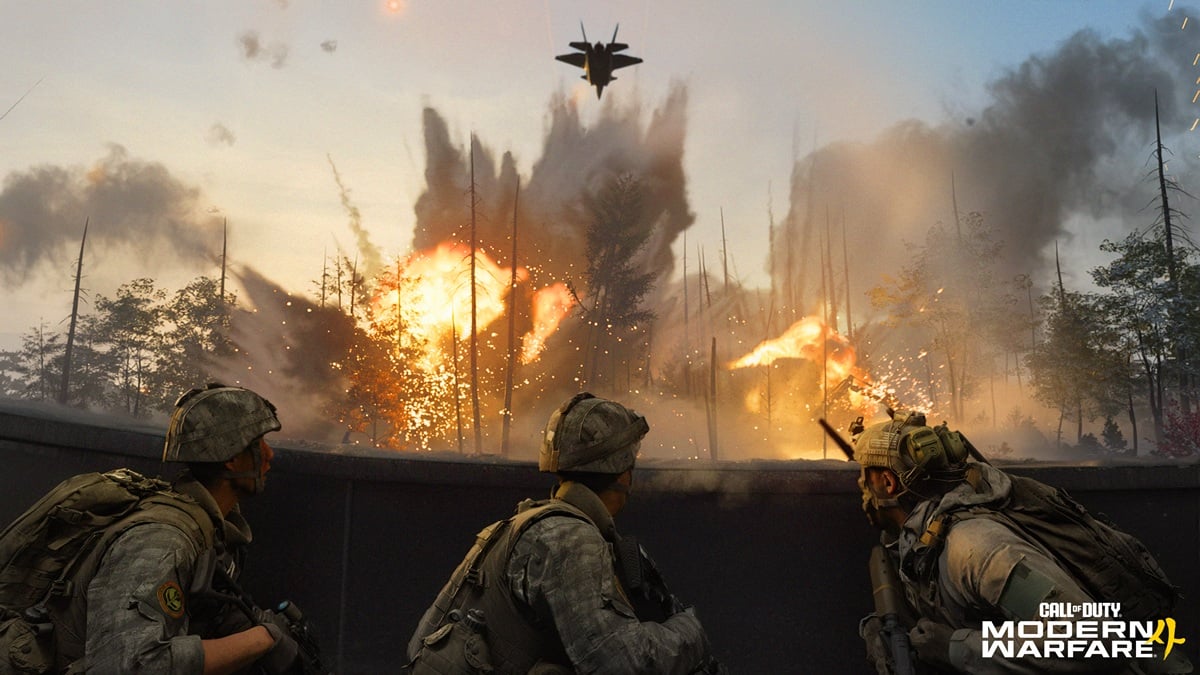
It’s always been my honor to play games like Call of Duty and then immediately interview the game developers who brought the game to life. I had that privilege again, playing all of Call of Duty: Modern Warfare 4 at Infinity Ward’s headquarters in Los Angeles.
And so, of course, I squandered the time asking idiosyncratic questions that made them wonder why they spared the time for the interview. And in the end, my wandering around actually turned out to be pretty interesting. As they were preparing me, and I am preparing you, to recognize that there are some things that come to an end.
I played most of the campaign (and have since finished it) and then interviewed Alex Norris, associate design director; and Justin Harris, lead narrative designer. I loved the net result, but I wanted to hear them fully explain the tough choices they made in development.
At the outset, I asked how they thought about weaving an open world section into the campaign in the midst of a very tight narrative about a squad of inexperienced South Korean grunts who are thrust into battle in the middle of a full-scale North Korean invasion of the south. You follow the story of the squad that plays a role in the massive battles, but you’re also diverted to the north, behind enemy lines, to wreak havoc in one region.
It struck me as a jarring change to the pace of the campaign, and they acknowledged that. It was a candid conversation where they answered more questions than I thought they would. And it made me wonder if this was going to be the last Modern Warfare game — at least for a while.
Here’s an edited transcript of our interview.
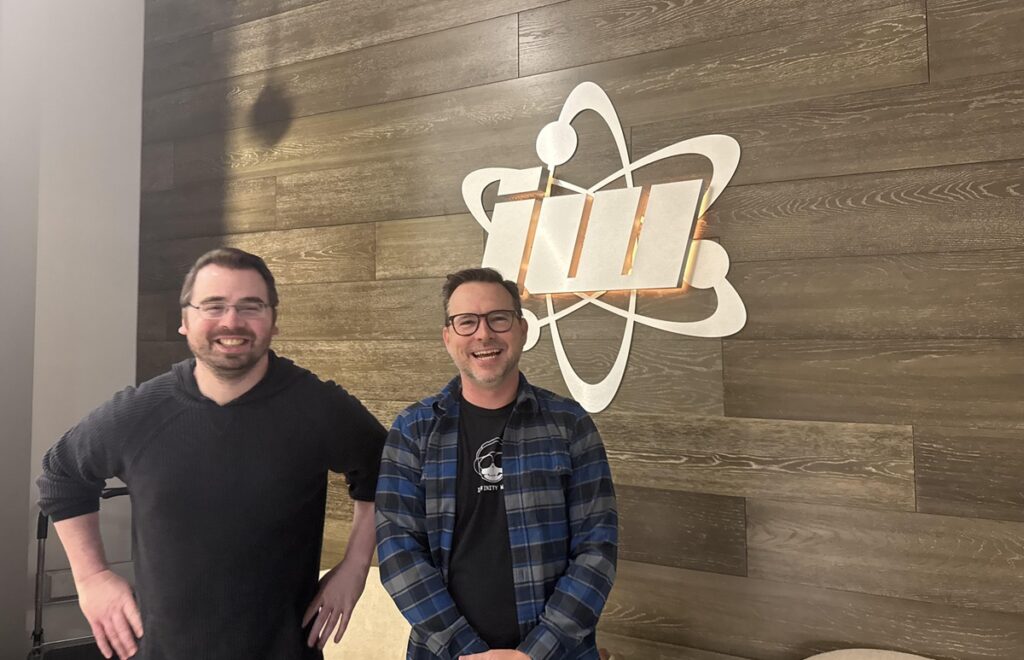
Editor’s note: I interviewed Norris and Harris at Infinity Ward at a review event where I had almost finished the campaign. So there are no ending spoilers in our conversation.
GamesBeat: It’s a very tight, very focused narrative until you get to the open world part. How did you think about writing that part into the game?
Alex Norris: It’s a challenge that the designers thrust upon the narrative team.
Justin Harris: Yeah, thank you for that, by the way.
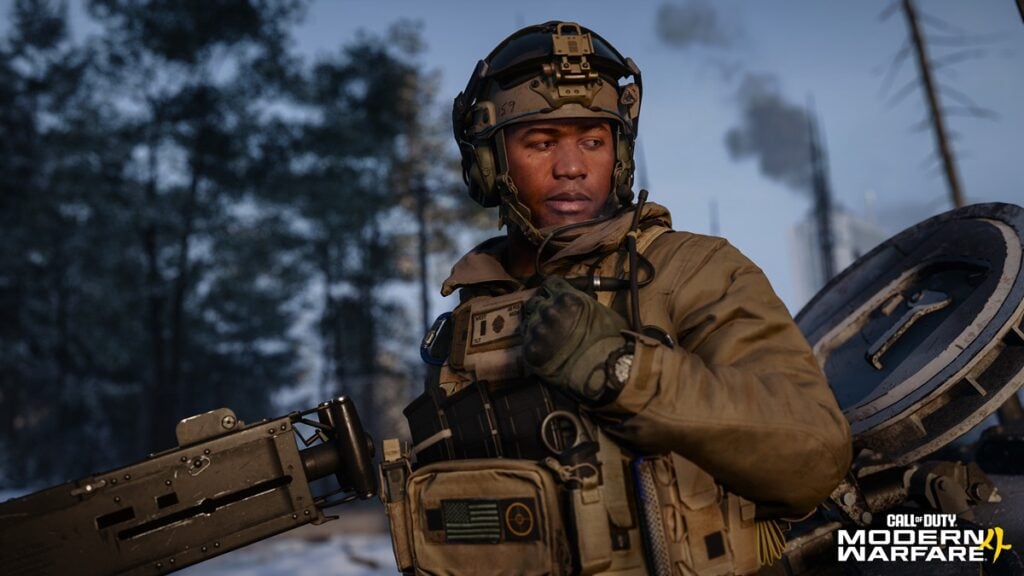
Norris: When we set out to make that mission, we were inspired by the Black Ops 6 version of that, which is in Iraq. You’re moving around the desert. We wanted to take that and make it feel a bit more like an open world, but with linear experiences within it. Each point of interest would have its own story. It would have a specific combat that’s constructed for the player, not just random AI everywhere. We wanted you to feel a bit of a zero-to-hero arc as you start from nothing and build up. When we decided to do that, the narrative team just looked at us and shook their heads.
Harris: With joy in our eyes.
Norris: Yes. It was a challenge for many months.
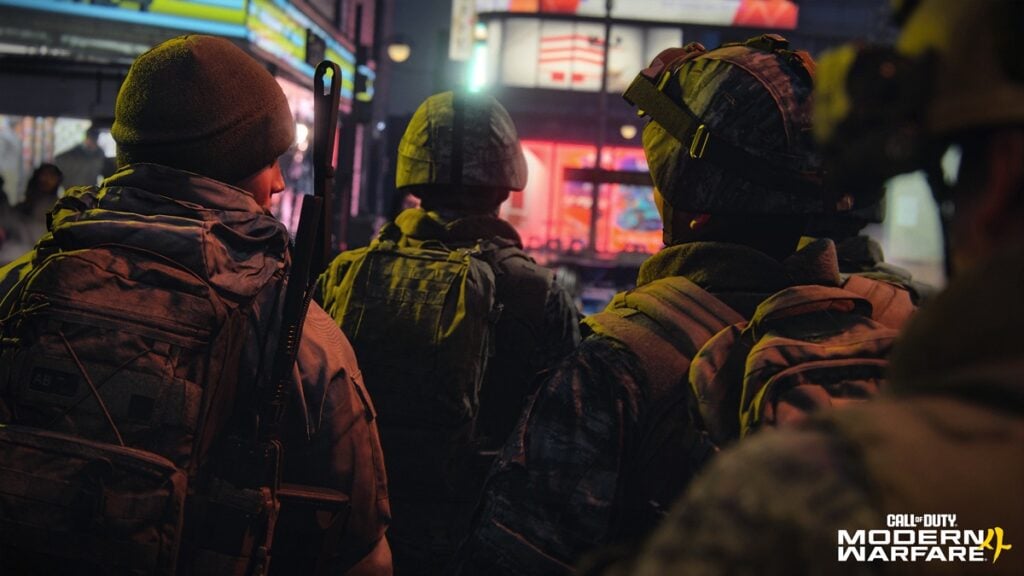
Harris: From the narrative side, we were looking at the different threads. You have a finite number of missions in the game. Some of them are the Price side of things. For the ROK marines, the squad that we have, as much time as we get to spend with them, that’s very important. We’re trying to tell their story. Having a mission like this at that particular time, I think, ended up working out very well. We were able to have a little bit of an introduction to the squad. They’re thrust into these extraordinary circumstances. They don’t have much combat experience. We get to see how they rely on each other, how they can build these relationships with each other. We get to see some major story beats on the North Korean side of things as well.
In a Call of Duty game we don’t usually get to spend that much time in one particular location – even though it’s a big location – with these characters, having their story play out there. It was a unique challenge, but it allowed us to sit with these characters a bit longer before we jumped back to the other side. We got to know them a bit more, got to experience some of the tragedy and heroism.
GamesBeat: Can you tell us a bit about the inspiration for those characters, how they came to life, and how you decided on the stories they lead throughout the game?
Harris: A lot of this was just from reference material. Talking with some actual ROK marines. Becoming a sponge of information as much as we could. Something that I like to remind Alex of to death–the opening of the game, for instance, at the convenience store, that’s something we got from a ROK marine. He told us that these soldiers, who were conscripted, are basically eating military rations for most of the day, for weeks and months on end. When they finally get through their basic training, it’s like, “Hey, you can go to the store and get whatever you want to eat. Bill’s on us.” They get snacks and candy and all this stuff. They get out and think it’s going to be the best day ever, and then they say, “Nope, eat it all, right here and right now.” It’s this level of hazing. Just real-life stories, reference material, as much as we could find.
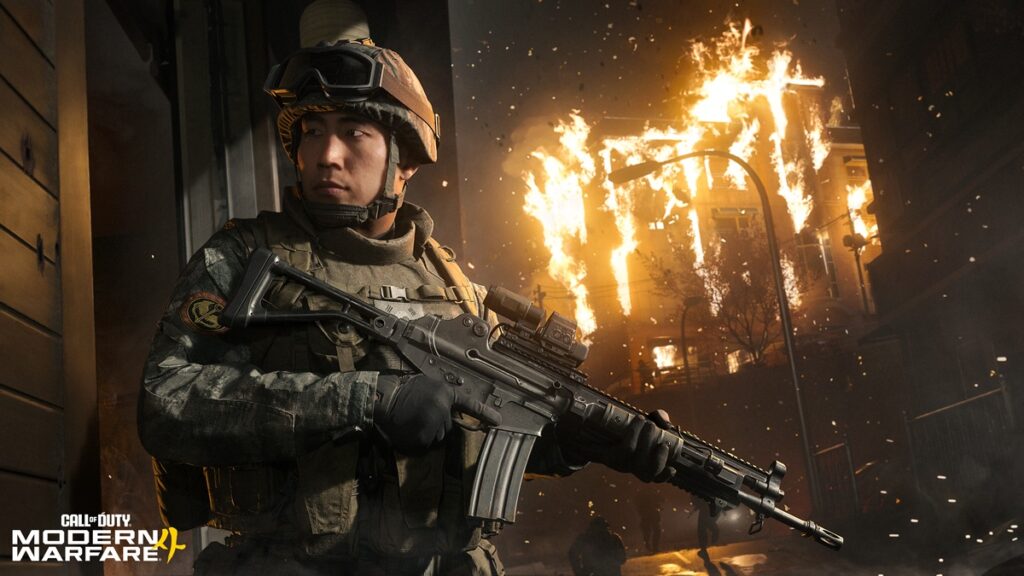
Norris: Speaking to that convenience store experience, we reflected back on our own idiot selves in our early 20s. If you were in the convenience store with six of your friends, what stupid things would you do to each other? Teasing each other a bit, razzing each other. Just trying to show that these are normal human beings that are kind of thrust into this conflict. That was a goal of ours.
Also, a lot of our previous consultants were touching on narrower, smaller raids. Nighttime experiences. You see a lot of that in the first two Modern Warfare games. We wanted to go to this larger scale experience, so we went to another consultant that had infantry experience. We wanted to develop some of the characters based on that consultant’s actual experiences in the war. Things like, if you were to breach this door, how would you do it? Instead of the typical situation where you’re going to stack up here and stack up here and then blow it open, his response was, “I’m going to take this vehicle and just slam it through the door.” Different tactics, different approaches. Infantry has a different way of doing things than special forces.
Harris: These are young people that have never experienced combat before. There’s a vast difference in the way they act and talk compared to the typical special forces guys that we have in CoD. It was interesting to get that other side of that coin.
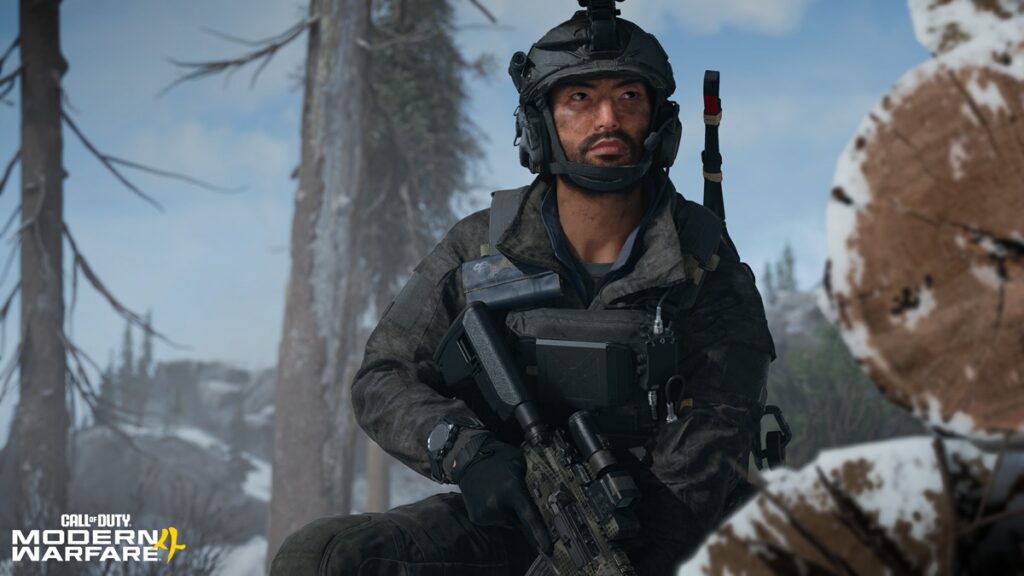
GamesBeat: I was surprised that they get from zero to one so fast. If you look back at something like Saving Private Ryan, there’s a lot of cowardice before they find their bravery. Did you think about that kind of pacing?
Harris: That’s something we brought up to our military advisors, that exact question. The answer we got is that–essentially, you’d be surprised at how trained these guys are. If shit were to hit the fan, you’re not going to get that kind of–what you might see in older media and whatnot, cowering behind something as bullets ricochet everywhere. These guys are not just–granted, they’ve never experienced combat, but the training is so good that if shit were to hit the fan, they can react accordingly. The training kicks in. They’re some of the most solid people to fight a war for you, the ROK marines.
Norris: They’re not exactly drafted, but they’re conscripted. They have been in the system for a bit. It’s not their first day. For the most part, they’ve had their training, which is something else we learned from our research into the peninsula in general. Seeing U.S. forces embedded with the ROK marines, seeing those training exercises on the beaches. Our amphibious landing experience is built off some of their training experiences.
Harris: We also didn’t want them to feel like they went from grunt to special forces immediately. Their reactions to certain events are not how Price and Ghost react. For special forces it might be the same shit on a different day. For these guys it’s more like, “What the hell is going on? The world is exploding.” Reacting to deaths, or even just reacting to falling in ice cold water. It might be something that a special forces guy would be able to think ahead on, versus just gut reactions.
Norris: It’s a real challenge, when you think about it. The player is a god. The player is going to wipe out a bunch of bad guys, die, rinse, and repeat. That grounded experience comes more from the people around you. Don and Jae, West.
Harris: Something in the cold open mission that we wanted to hit on is the uncertainty. What do we do now? How does that fit into Jae being a leader, but not in combat? Now combat’s here. How are you going to lead your men? Having him try to make the best call he can.
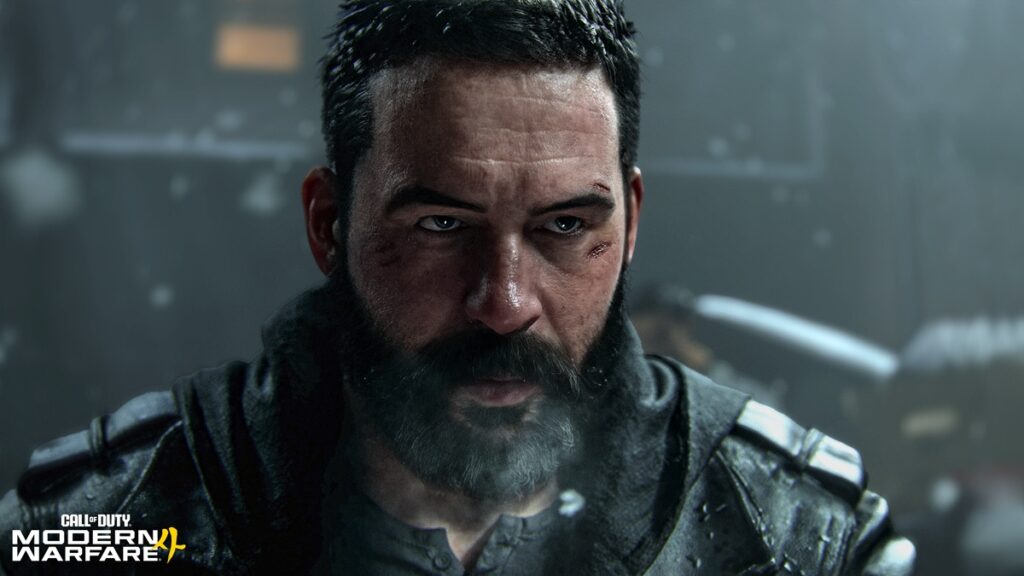
GamesBeat: Korea is a new area for Call of Duty to venture into. We still have loose strings out there with Farah Karim and the Russia storyline. How did you decide to go into North Korea, to make this story about these conscripts and tie it to the story of the special forces we’ve been with for three games now and make that work together?
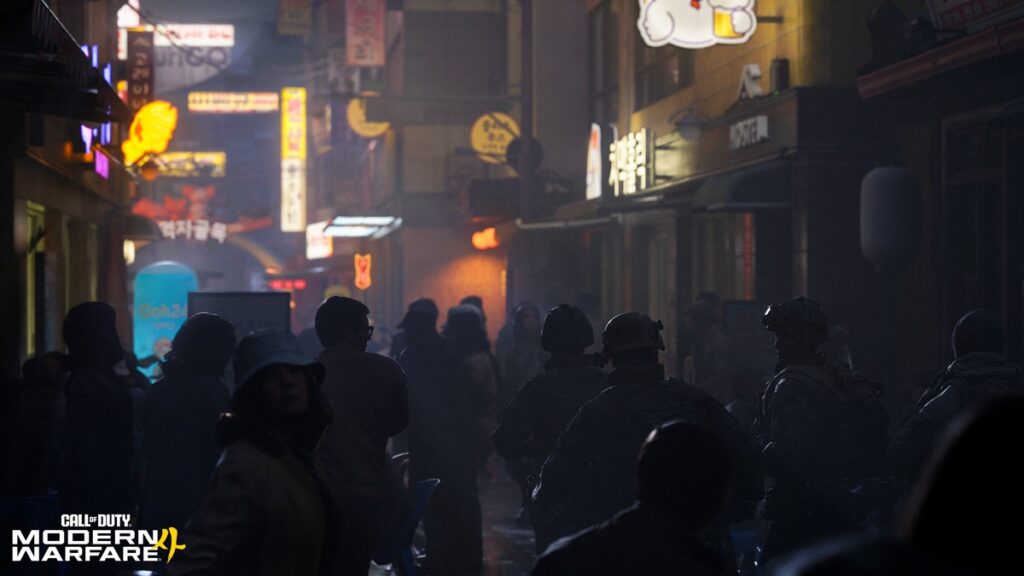
Harris: From the narrative side, and probably from the design side as well–the Korean peninsula excited us because it’s a place we’ve never been. It’s a war that never really ended. What would happen if that were to reignite in the modern era, with our tools of the trade in this time? At the start, that was something we could really sink our teeth into.
In terms of returning characters or not, we love Farah. We love Alex. But have the largest cast that we’ve had in any Call of Duty in this game. Part of the decisions we were making here were–what is the story we want to tell? Part of that, one of the key pillars early on, was returning to the grunt perspective. That’s something CoD had been known for. When it came out, that was a huge draw for players. You’re not always the tip of the spear. Sometimes you’re the cog in the machine. Getting back to that perspective within the Korean peninsula.
We wanted to bring back as many people as we could, but again, we’re in the Korean peninsula. How are Farah and Alex and those types of characters going to fit into that side of things? We had to make some pretty tough calls. But what helps me sleep at night is hey, they’re still alive. They’re still out there fighting.
GamesBeat: It’s a very real situation. A lot of these things could happen. Did you feel some responsibility, in a way, to create a narrative that didn’t diverge too far from reality? But still tell an interesting Call of Duty story.
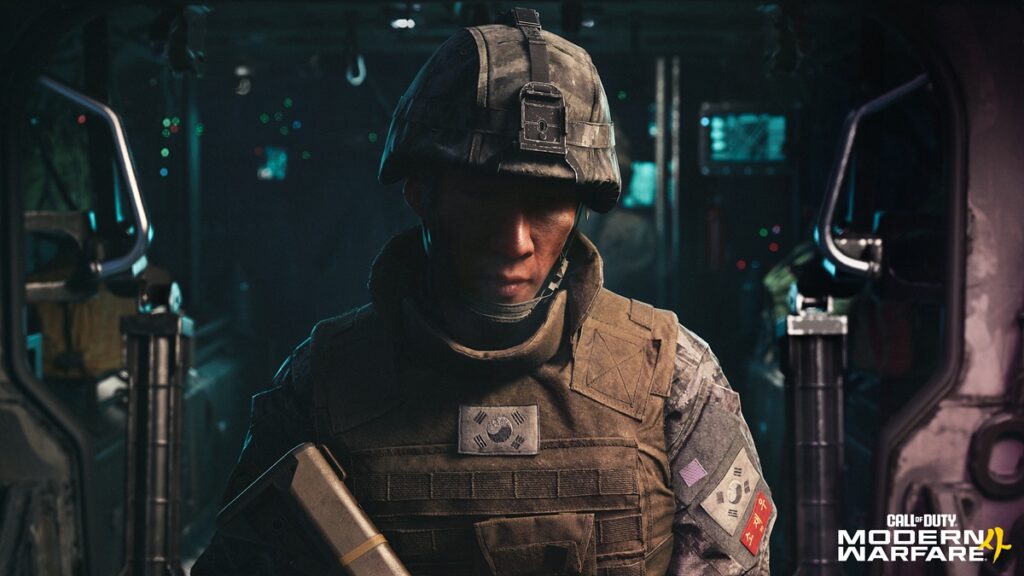
Norris: We want to be grounded. We want to be ripped from the headlines, as close to that reality as we can be, but not–it’s more plausible than probable. It’s building its own slightly different universe, different supreme leader group. It’s definitely something that we’re conscious of as we go into it.
Harris: You put it well a few moments back. It’s inspiration, not exploitation. Something Call of Duty is known for. Like we said, it’s ripped from the headlines. It’s grounded in a level of authenticity that feels like this is the world we live in. But it’s still reality-adjacent. It’s not reality.
Norris: We want to tell a story that has stakes. It has value in who the villains are and what would happen if they were to succeed. I can make all the silly crazy gameplay I want to, but that’s going to be empty unless there are characters in it that feel like they’re impacted by the events that happen within the story.
Harris: In the end it’s entertainment. It’s an entertainment product.
GamesBeat: This game is particularly brutal compared to the last couple of Call of Duty games, even though Modern Warfare has a long history of being pretty harsh. Playing through this one there were several times where I was clutching the pearls. “I can’t believe we did that.” Is there a decision-making process that goes into thinking about whether to go further or pull back?
Harris: We wanted to have a certain level of finality to these arcs. We didn’t want a Graves in that tank type of moment again. Some things, we definitely wanted to make sure there were no questions about whether or not this character was going to return. We wanted to make sure, again, that this was wrapping up some arcs officially.
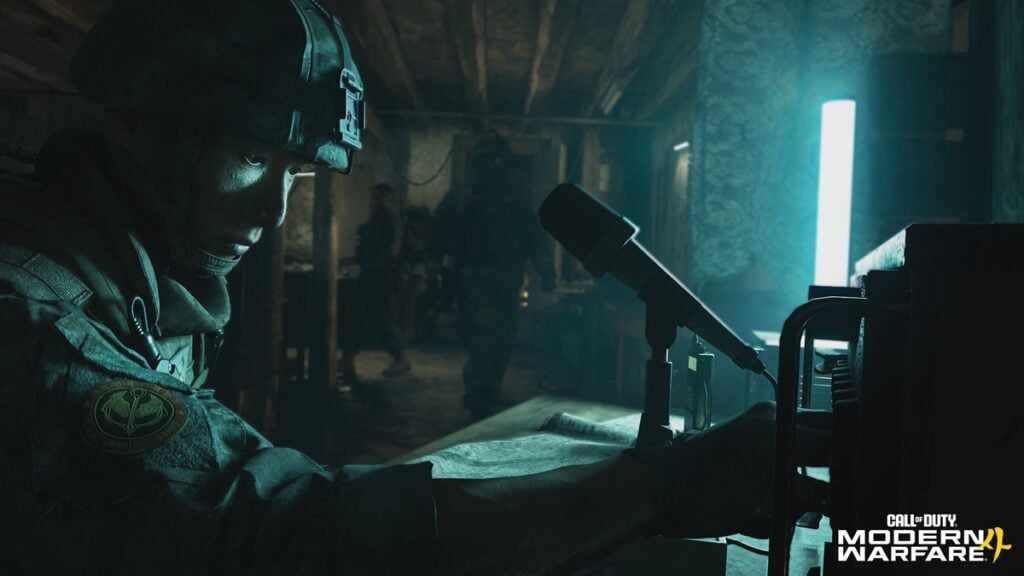
Norris: There’s a bit of pearl-clutching in there. We wanted to give the player what felt like their choice within some of those missions. I remember seeing you play. I saw you didn’t kick the stool, I believe. You refused to hang the defector. Which came with a consequence. When we try to push the line, when we want to have these experiences that are provocative, we want to make sure that we earn it. We want to make sure that we’re, as we said, being inspired, but we’re not exploiting. We also want to make sure that the player doesn’t feel like they have to do something terrible. There are multiple ways to do that mission. Intimidation, violence, coercion. You have different verbs to experience it.
Harris: If you get a chance, go back to that mission.
GamesBeat: That was another thing I wanted to ask. What were some of the impacts beyond just the few that we could see? Because we didn’t get to really–you can’t go back and replay those today.
Norris: Tomorrow you might be able to hop in and go back in there. I recommend it. Go back to the campaign and jump back in there. You can play it differently. More aggressively.
GamesBeat: You talked a bit about loose ends. I haven’t finished the campaign, but how do you go into this thinking that it might be the last Modern Warfare? What loose ends do you have to tie up? What stories do you have to finish? Do you finish Makarov’s story? What else did you want to finish? Just in case there’s never going to be a Modern Warfare 5.
Norris: Number one was Price. This is a person that you met in the first Modern Warfare who says, “We draw the line where we need it.” Which is a bit of a selfish and outside-the-system style, but he’s already there. He’s already pushing the line himself, pushing the boundaries. What happens to that person as they keep progressing down that path? Where does that ultimately lead? As you say, we wanted to resolve that storyline about who he’s becoming.
Harris: You asked about how we do that. Very carefully, very cautiously. There’s a lot of people that love these characters. They love Graves. They love Valeria, which is very interesting. But I think that–some of the decisions we made for this, you’ll find out. There was no finality to that decision at the beginning. It’s something that, as we got further along into development–okay, what are we going to do with this character? Do we really want to end their arc here? But we always go back to what’s best for the story. If it makes sense that they end here, then they end.
Norris: If Price goes this far, who are the people to bring him back in? That’s our way of tying back into Task Force 141 and what they’re doing to stop Price.
GamesBeat: Why does Mads Mikkelsen always have to be the most evil person?
Harris: He’s so good at it!
Norris: I gotta tell you, I was shocked that we were able to keep that a secret as long as we did. When we realized he was in it, we were like, “Aw, they’re gonna find out inside of a month.” But it was quite a bit of time.
GamesBeat: When I was playing, one of the developers came up and said, “You missed something in this room. There were some guns in a display case that he planted there.” Are there other little Easter eggs like that, things we maybe saw or didn’t see while we were playing?
Norris: Oh, yeah. If you go back into the Stranded mission, the big open world, there’s stuff all over that mission. There are signs. There are climbing puzzles. There are notes to follow everywhere.
GamesBeat: I kept picking up the notes and getting lost forever.
Norris: Yes, yes. While you were here, there were two IGN people sitting near you that were working on the guides. They were like, “How many notes are in this mission?” But yeah, there’s quite a bit in that mission in particular.
Disclosure: Activision paid my way to an event where I played the full game. This story is the sole responsibility of GamesBeat.