
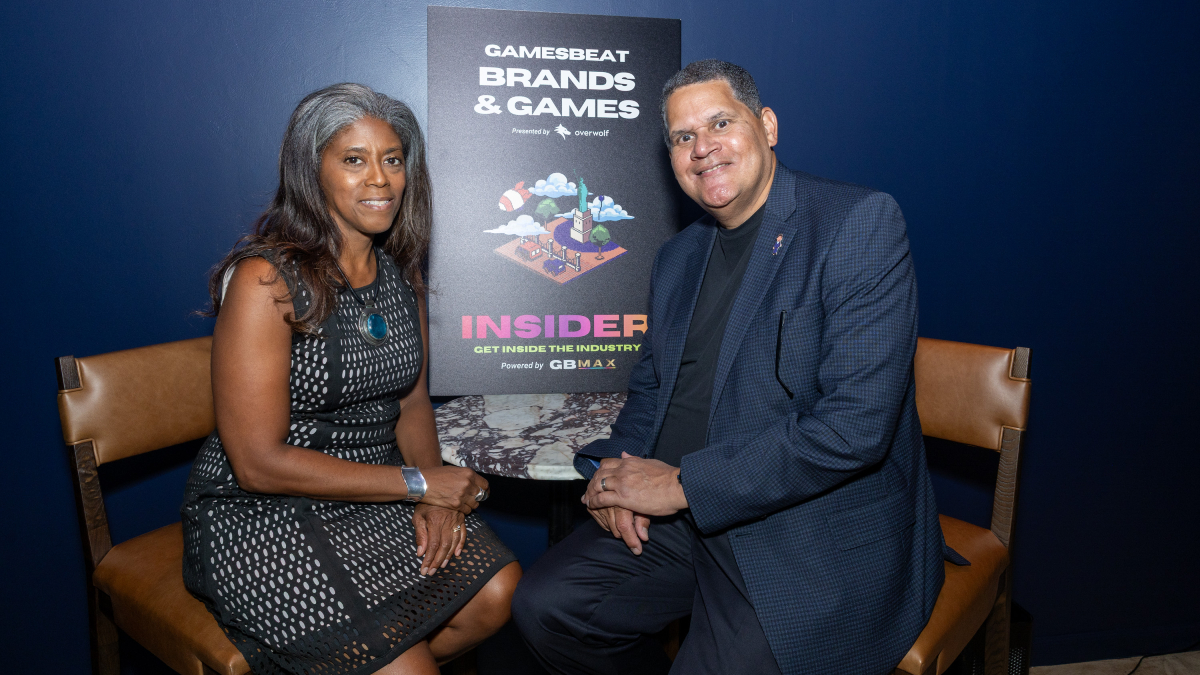
The inaugural GamesBeat Insider NY Brands & Games event, presented by Overwolf Ads, took place on September 16, 2026, in New York. The event focused on how brands can successfully advertise within video games without disrupting the player experience.
A panel titled “How Non-Endemic Advertisers are Proving the ROI of Gaming” featured Carol Reed of Ogilvy, Shahar Sorek of Overwolf, and Bryce Showalter of JBL. Reed was keen to emphasize that brands should no longer treat marketing in games as an experimental cost or rely solely on digital insert ads. Instead, success requires brands to earn the right to belong in that game’s community by providing genuine value to its members.
Reed highlighted Ogilvy’s “Cracked Royale” campaign for Clash Royale, a campaign that celebrated players who kept playing despite having a cracked phone screen. The campaign rewarded top players with in-game loot, offering an insight-driven integration that resonated with players rather than interrupting their gameplay. In turn, players got something valuable from the experience.
Sorek said brands should stop treating gaming as a niche and approach it as they would any other audience they buy smartly. He compared it to music, noting that no one asks how to target “Spotifiers” because everyone listens, just in different moods and for different artists. Players are the same, he said, with behavior that shifts from game to game, so brands should map players’ habits and meet each moment with a relevant offering. Overwolf’s first-party data enables brands to map player behavior in real-time and deliver relevant messages to players at precisely the right time, in order to fully appeal to that audience.
Sorek noted Overwolf’s partnership with JBL and a campaign that triggered brand-related sounds during key moments of gameplay in a first-person shooter. This effectively embedded the advertisement into the gameplay rather than disrupting it.
However, Sorek also noted that measuring effectiveness remains a challenge, as players are highly unlikely to leave a game session to click through on an ad. Therefore, successful advertising campaigns must track data over weeks and months. More broadly, Sorek said the industry needs to streamline its KPIs and educate the market on how to measure gaming, with the goal of making gaming marketing “boring,” as easy and standardized to buy as Meta, Google, or YouTube.
Bryce Showalter of JBL, whose brand operates in consumer electronics and dedicated gaming hardware, emphasized the need to see gamers as a distinct demographic. Showalter noted that JBL’s popularity doesn’t automatically translate to gaming, so the brand must establish credibility within the space and integrate its 80-year heritage of sound into that community authentically.
Showalter revealed that he evaluates advertising campaigns by how well they capture attention, stay within the desired engagement parameters, and “fit in” culturally. The last one refers to the measurable sense of community acceptance that goes beyond traditional metrics of reach and clicks.
Sorek added that fragmentation is part of what makes gaming harder to buy. Players live across an ecosystem of games rather than a single Fortnite map, so brands need to understand where their audience lives and how to measure across it. That takes education and a team that knows the space, he said, in order to justify budgets.
During a fireside chat, Take-Two Interactive Chairman and CEO Strauss Zelnick discussed the marketing of Grand Theft Auto VI, one of the most anticipated entertainment launches in history. Despite near-universal brand awareness, Zelnick asserted that aggressive marketing remains crucial. He drew a parallel to the Barbie movie, arguing that even well-known intellectual properties require sustained efforts to generate excitement and consumer intent. Simply relying on existing hype does not guarantee success.
Zelnick noted that games differ from linear entertainment because players actively engage, leading to unique experiences for each individual. Rockstar’s 27-minute extended look on Netflix served partly as an entertaining tutorial that showed players what to expect. Ultimately, he stressed that no amount of marketing can sell a weak product. Take-Two remains focused on creating the highest-quality entertainment possible, with marketing’s role being to amplify word of mouth that cannot be artificially manufactured.
Former Nintendo of America President Reggie Fils-Aimé reflected on building brand equity during the DS and Wii era. Nintendo expanded beyond its traditional younger audience by offering content that appealed to broader demographics while staying true to its core identity. Cultural crossovers, including multi-city music tours that allowed people to play games, helped drive platform growth without diluting the brand. Authenticity, consistent messaging, and strong content, rather than forced repositioning, proved to be the most effective means of reaching larger audiences.
Across the discussions, a consistent message emerged: gaming has evolved from an experimental channel to a mainstream cultural platform. Brands that succeed treat gaming as a community to join rather than a medium to interrupt, prioritize relevance and participation, and develop measurement approaches that capture attention, sequential influence, and genuinely add value to the audience. The opportunity is significant for those willing to engage on the community’s terms.