
Twitch’s CEO says the platform is leveraging the rise of short-form video to funnel viewers back into livestreaming — and so far, the efforts appear to be paying off.
In August, overall viewership on Twitch increased by seven percent year-over-year, according to an analysis by creator and livestreaming industry observer Zach Bussey. August represented Twitch’s strongest month of 2026, with 1.56 billion hours watched across the platform, per the data platform Streams Charts.
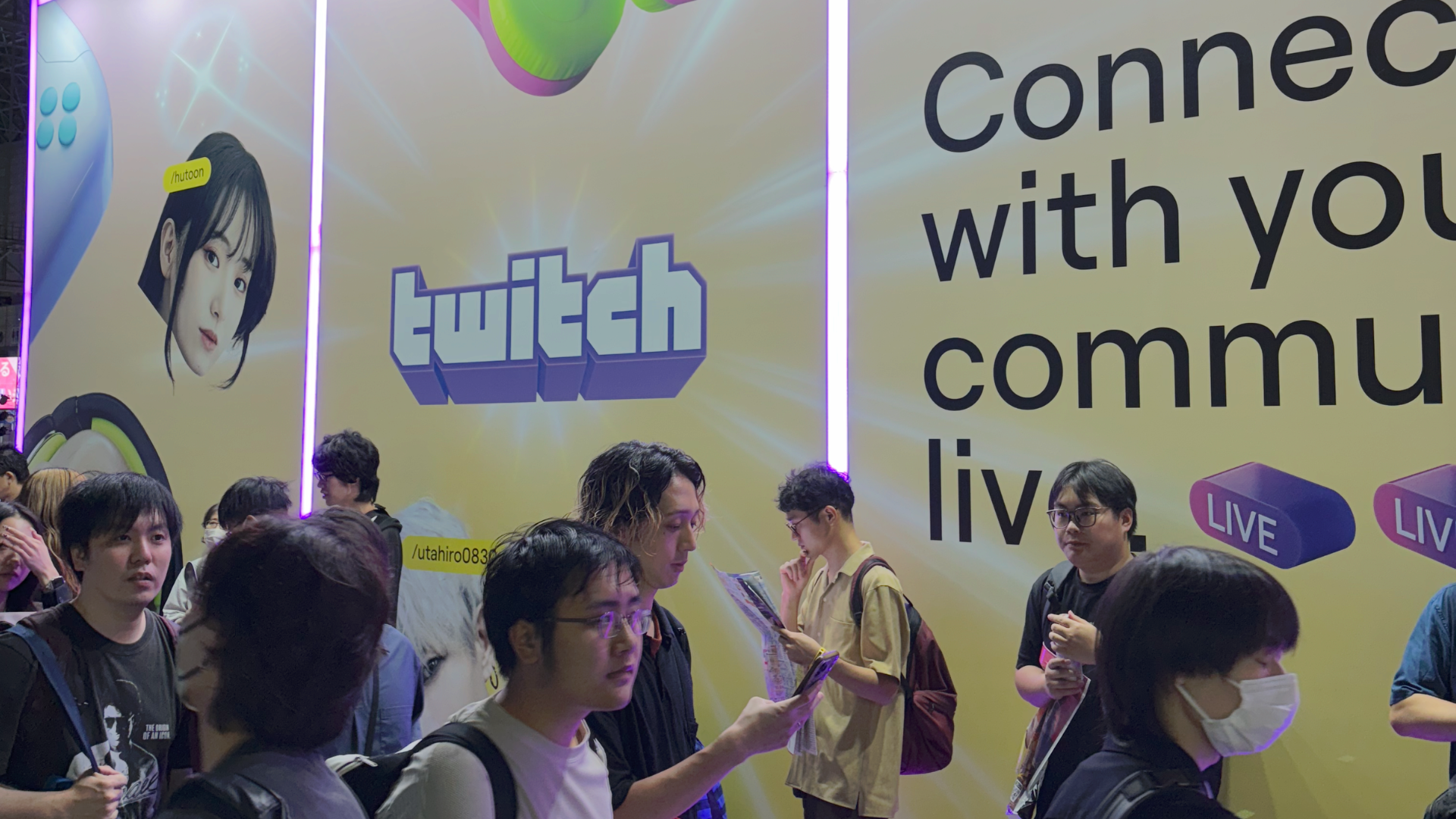
During an interview with GamesBeat at Tokyo Game Show 2026, Twitch chief executive officer Dan Clancy celebrated the platform’s recent uptick in viewer activity, framing it as part of an influx in interest around livestreamed creator content over the past year.
“There’s an excitement and awareness about livestreaming that wasn’t there two years ago or three years ago or four years ago,” Clancy said. “It’s just been growing, and you see this with the number of people that are interested in coming on the platform and starting livestreaming — and you see this in the prevalence of clips from live streams on third-party social media.”
By noting Twitch’s role as a source of the short-form clips frequently shared across social platforms as part of the growing clipping economy, Clancy signaled the platform’s growing prioritization of short-form video clips and the tools used to create and share them. Twitch has long viewed itself as a platform primarily intended for long-form content; although Twitch has allowed users to create and share clips of longer streams for years, this product has not traditionally been a focus for the company’s development team.
In 2026, Twitch is embracing the interplay between long-form and short-form, per Clancy, with long-form video acting as a source of short-form clips and short-form clips providing a powerful marketing tool for streamers to grow their audiences.
In addition to the role of prominent livestreamed events like Kai Cenat’s Streamer University in driving the creation of clips, Clancy highlighted the growing presence of celebrities from a nontraditional background on Twitch as a source of excitement on the platform, naming examples like Kid Cudi and Jaylen Brown, with whom Clancy did a joint livestream in Cannes earlier this year. Clancy tied the growing presence of celebrities on Twitch to the broader clipping trend, noting that clips involving celebrity streamers often perform well on social media.
“It’s because these feeds are now more and more being dominated with AI, and you don’t know what’s real and what’s not,” Clancy said. “When you see a Twitch clip, it’s kind of messy and noisy, and you know it’s not AI. You kind of look at it, and you know this really happened.”
With 2027 on the horizon, Clancy said one of Twitch’s biggest challenges at the moment — the increasingly anti-social nature of social media — also represents a significant opportunity for the platform.
“Sitting and swiping doesn’t make you connected with other people,” Clancy said. “If anything, it makes you feel a little isolated.”
Instead of locking viewers into an endless doomscroll of short-form video, Clancy said Twitch is intentionally integrating more short-form video tools in a bid to bring audiences back to livestreams and long-form content. Although short-form video provides easy entertainment, Clancy noted that livestreams and long-form video allow viewers to feel like they are part of a community.
“The community experience on Twitch comes from experiencing stuff together in a livestream,” Clancy said. “So, we’re going to use short-form content to drive you back to the livestream.”