
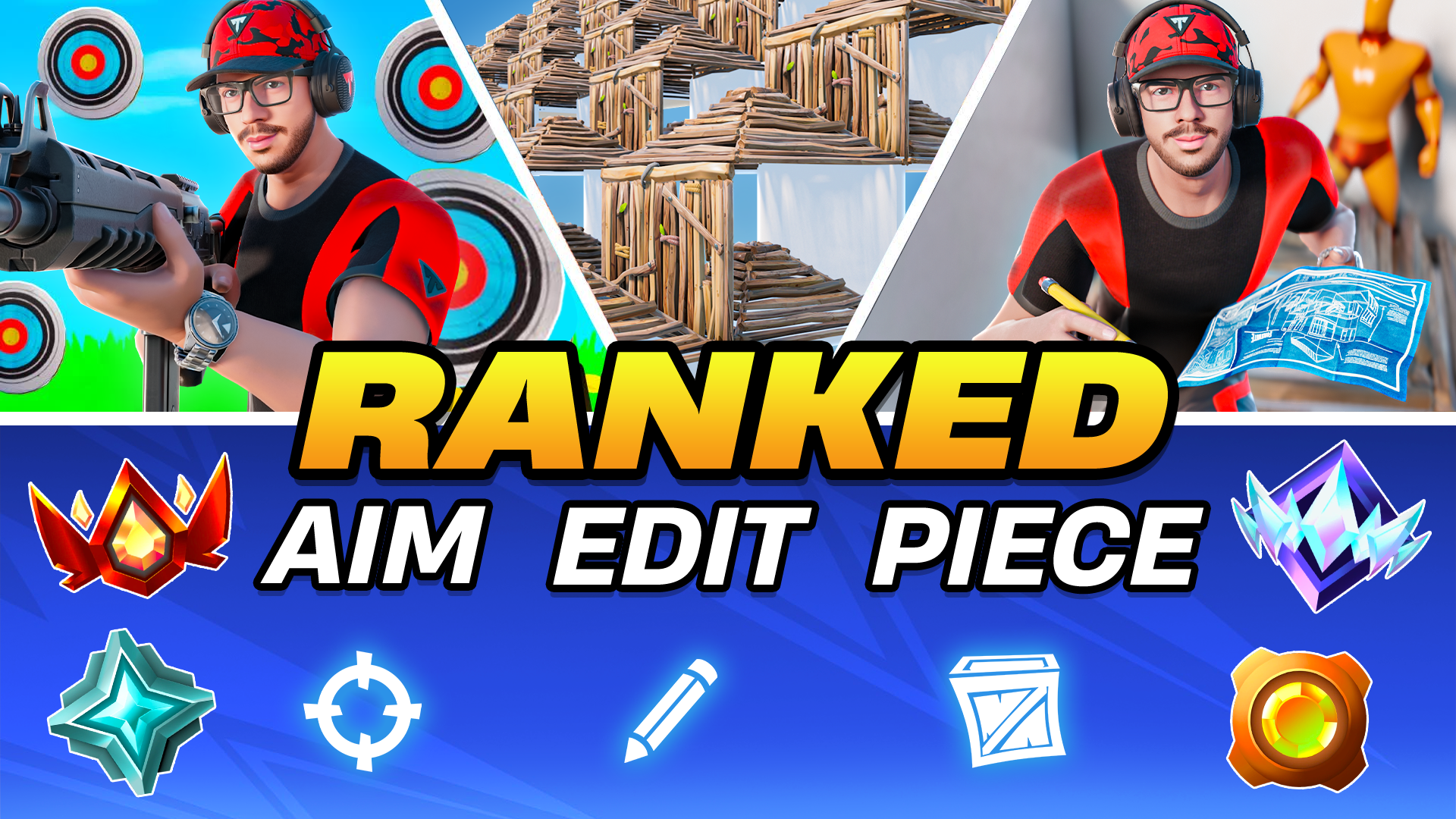
As Unreal Editor for Fortnite developers jockey for gamers’ attention and engagement, competitive training maps are emerging as an effective way to keep players coming back for more.
In May 2025, the prominent Fortnite creator studio JOGO Studios acquired RHQ Creative, a smaller studio focused on developing Fortnite training maps. Since JOGO folded RHQ into its broader mapmaking operation, the studio’s revenue has increased significantly, according to numbers shared exclusively with GamesBeat by a JOGO representative.
In the past 15 months, JOGO’s competitive maps have earned the studio a total of $652,000 in earnings through Epic Game’s engagement payout system, accounting for 10.6 million hours of playtime across four maps, representing a 402-percent increase in playtime year-over-year between July 2025 and July 2026, according to the JOGO rep. The studio’s most popular map, Aim Edit Piece, has garnered 714.2 million minutes of playtime alone.
“At RHQ Creative, we already had some successful maps. Being able to use all the wonderful tools at JOGO to be able to amplify that to the next level and expedite the process — it just made the most sense,” said RHQ founder Quinn Gannon, who has served as JOGO’s head of competitive since the acquisition last year.
Geared towards competitive players, Fortnite training maps are an unofficial genre of Fortnite game intended to help players improve the skills needed to win ranked games — aiming, building, movement, and so on. Amid a broader downturn in overall Fortnite playtime over the past year, Gannon said competitive training maps have proven to have a remarkable “retention advantage” over other types of maps because they attract invested, core players who are already likely to come back again and again.
“They have such a consistent player base. Players come back to train on maps that they get introduced to, and they stay on the maps that they want to play on to improve,” he said. “So, I do think that there is a lot of stability, especially with the audience in Fortnite maturing.”
Over the past year, training maps have accounted for an increasingly large proportion of JOGO Studios’ overall revenue, according to Gannon, who said he intended to continue growing this share in 2026. For JOGO, whose major UEFN properties include Super Red vs. Blue and Cash Heist City, competitive maps represent an expansion, rather than a pivot, in strategy.
“When we acquired RHQ last year, we gained a capable competitive division focused on building engaging training experiences that make players better,” said JOGO co-founder and chief operating officer Chad Mustard in an email to GamesBeat. “Under Quinn’s leadership, it’s grown into a meaningful part of our business, and we’ll continue investing in durable experiences built for the modern Fortnite competitor.”
JOGO Studios is not the only Fortnite mapmaker to experience success with the competitive training genre in recent months. Clix Creative, the development arm of top Fortnite creator Cody “Clix” Conrod’s company, also focuses on this genre, with its training map Pro League Endgame achieving 40.4 million minutes of playtime so far since its release in October 2025. As developers in the Fortnite ecosystem continue to search for stability amid changing player habits and updates to the platform’s discovery system, competitive training maps could represent a viable path forward.
“Epic has been doing a lot of Discover changes, and because of all the Discover changes that they’ve been doing recently, we have been hitting that top number one category for Battle Royale really consistently, and that has also contributed to our player growth,” Gannon said.