
This interview was originally published on my weekly Inside the Industry newsletter. If you like what you’re reading, then consider getting a GB MAX subscription that will give you access to our newsletters!
If you’ve been reading GamesBeat for any amount of time, you likely know how much we (okay, I) enjoy the monthly reports from Circana. The firm tracks game sales in the United States, offering insight into the monetary side of the industry. And speaking with Mat Piscatella, Circana’s head of video games, is quickly becoming one of the highlights of my quarter.
Piscatella and I have spoken before about video game sales in 2026, and now that the year is more than half over, I wanted to speak to him about where he thinks we are at the moment. And just as before, Grand Theft Auto VI and the Switch 2 featured heavily in our discussion. Here’s an edited transcript of our interview.
GamesBeat: How are things, for starters?
Piscatella: *grim chuckle*
GamesBeat: Oh, that’s an answer!
Piscatella: Starting with the spending part of it, consumer spend is okay. It’s holding pretty well. We’re now up against the Switch 2 launch comparable, so we’re gonna start seeing some declines — at least until GTA shows up, and then we’ll see what happens there. Kind of on track for our mid-single growth target, should GTA do what GTA is supposed to do. But of course GTA is supposed to be the biggest game ever with the biggest launch ever. Those are quite high expectations.
So far the consumer is hanging in there. Everything else, of course, is falling apart, but the consumer still likes playing games! They’re still spending. They don’t have as much to spend on, and everything’s getting more expensive. That’s not helping. They still like playing games, but the industry is getting worse at giving them affordable things to play.
[Here we spoke for a few minutes about upcoming consoles like Xbox Helix, and I may have used some language not fit for print.]
Piscatella: I think if you look at the decisions that Sony and Microsoft are making, even the very public ones, they sure seem to be signaling that the high-income, high-spending consumer is you know what they’re really focused on, right? Neither of these companies seems particularly interested in addressing the less-affluent part of the market right now.
They keep saying, “Oh no we’re going to have more affordable options,” but they only keep talking about higher prices and the next-gen systems and getting rid of physical in some cases. You don’t really need to get rid of physical; it’s already kind of gone already.
So far the consumer is hanging in there. Everything else, of course, is falling apart, but the consumer still likes playing games… They still like playing games, but the industry is getting worse at giving them affordable things to play.
All of the focus is going to the high income player. A lot of the activity is coming from the more affluent older part of the market, especially for the big console manufacturers. Different for other folks, but for Sony and Microsoft, that sure seems to be where things are at.
GamesBeat: We’re halfway through 2026, and I have two questions. One, is the year kind of tracking the way you thought it would up to this point? Two, have there been any big surprises so far?
Piscatella: All things considered, it has been. We were expecting the Switch 2 comp to be extremely difficult to meet, and it has been. But when you take into account all of the other things in the marketplace, the fact that the consumer is holding this strong to games is actually a very good sign. They’re changing what they’re spending on. They’re changing how they’re spending. It’s really kind of breaking down in different ways by different demographic groups, particular on income. But they’re still there, which has been what we expected.
Yeah, from a total spend point of view, it’s going about the way we expected. The big question mark is going to be GTA and what that does to the market.
GamesBeat: Any surprises so far — either in game sales or in launches in general?
Piscatella: Nothing really new in terms of surprises. Crimson Desert was a big surprise from a sales perspective, Requiem’s done better than historical Resident Evil games, so it’s one of those better-case scenarios. 007’s really done pretty well, better than pre-launch purchase intent data would suggest. Forza has done pretty well.
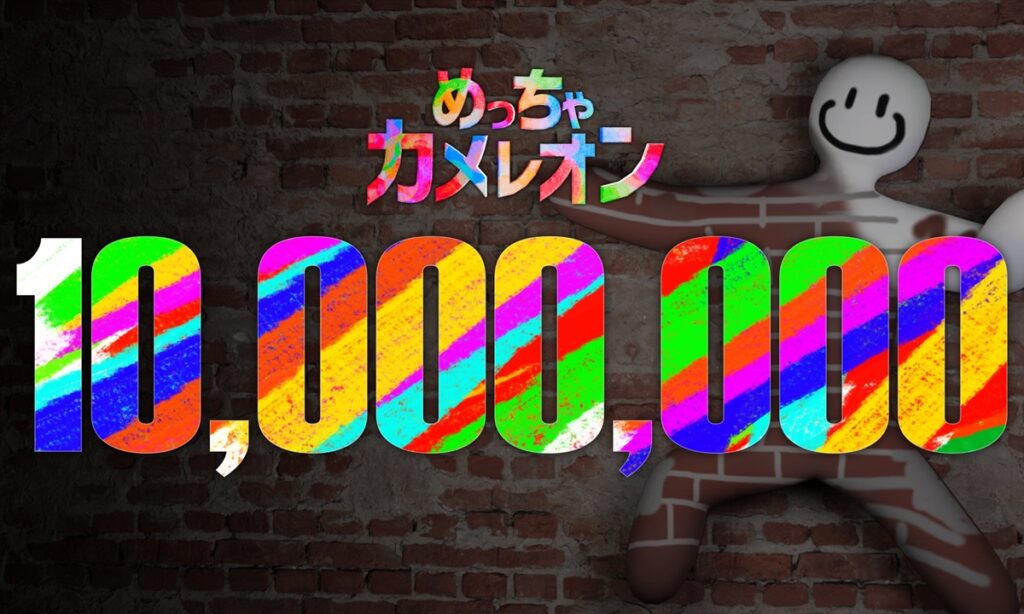
There’s no “Oh my god!” Unless you want to talk about the Meccha Chameleons of the world — those are nice, but they’re not massive market movers. There’s really nothing I would say has changed the market.
GamesBeat: Fair, fair. Regarding the Switch 2 comp, I read the charts and saw a 21% dip in total game sales. That’s not as bad as I was expecting, but I don’t have the perspective you do. Was it as unfavorable a comparison as you thought it would be?
Piscatella: Hardware was down 62% in June, and Switch 2 itself was down 79%. That’s about what we expected. That’s pretty in line with what you would one would expect. It’s still doing well. It’s still the best-selling hardware platform. It’s just going to be really difficult to compare to a launch where so so much quantity of inventory was available.
GamesBeat: You mentioned yourself that people are still playing video games, but everything else around that central truth is kind of falling apart. Has there been any kind of a knock-on effect of the industry travails on the sales so far this year, or on the market environment so far?
Piscatella: It’s extremely tough to kind of tie those things together. I mean, the the Xbox stuff looks more a result of the market trends than a driver of the market trend. I’m not seeing anything that suggests the overall mass market recognizes or is having a reaction to the layoff news or anything else at Microsoft. If anything, they’re reacting to the game slate and the higher prices on products. Changes in the market are really hard to point to one or two different reasons as drivers. There’s so many things that go into sales performance.
GamesBeat: I’ve noticed that subscription spending seems to still be trending upward steadily throughout the year. There are CEOs, not naming names, but there are CEOs out there who would probably grab onto that number and say, like, okay, the future is in subscription. Is that a fair kind of assessment of the thinking there?
Piscatella: I think the folks that are dialed into it on the publisher side know that the biggest driver of the of that subscription number is the higher prices, so we’re seeing pricing continue to be up. You’ll lose some subscribers doing that, but you’re not going to lose enough generally to offset the higher price. So your overall spending goes up because your attrition is lower than the increase of the price.
From a total spend point of view, it’s going about the way we expected. The big question mark is going to be GTA and what that does to the market.
We’re not seeing tremendous increases in subscriber counts. We’re seeing increases in the average subscription cost being paid per user. That’s what’s really kind of driving that number.
GamesBeat: On that note, how are prices affecting everything? Not just in subscription spending, but is that kind of also what’s been driving, I would say, a certain upward trend in hardware spending as well?
Piscatella: You have to look at the platform level. When Xbox increases its price across hardware, the last what three times they’ve done it, we’ve seen immediate declines in in sales of that hardware. When PlayStation rose its price on PS5, we saw an immediate drop in spending and unit sales for PS5s. Like when Nintendo does its price increase in a couple months, here I’m expecting we’re going to see a dip on the trend there too.
It’s normal price-sensitivity stuff. But the problem is the prices keep going up and up and up. And at some point, you know, you do hit the point where things kind of break. We’re not there yet, but I think there are some signs that we should be extremely cautious and careful about increasing prices more on things like hardware.
GamesBeat: What are the pros and cons that you see in shifting more towards the digital? Sony is the one that’s been the most vocal about it. Nintendo is going to be the one that doesn’t want to do that because they haven’t actually abandoned physical at any point in their long history of everything. Do you think that will change the market at all if gaming shifts primarily to a digital-only model?
Piscatella: I mean, we’re pretty much there already in in many respects. Xbox already is effectively — it supports physical discs, but in terms of the overall disc market, what part of that they make up, it’s very very small. Sony is overwhelmingly digital, even for titles that have both physical and digital versions out there.
Nintendo games are getting to the point where they’re consistently majority-digital, but they’re going to be the ones that stick around physical longest; not only because they have a new platform that supports physical, but because they have the strongest relationships with retailers. They rely more on Mom or Dad buying a game at a store versus an Xbox gamer. But eventually they’ll go digital. It’s just a matter of time. They’re always the slowest movers.
GamesBeat: Last question, and this is more of a behind-the-curtain kind of thing. But Circana has changed their gaming reports a little bit. Could you give me a quick rundown of what prompted that shift? You’re now considering sales projections as well as actual sales.
Piscatella: We’ve always projected the total market. We just hadn’t published those. We have a panel of publishers that share digital point of sales data directly from the storefronts, but because of the Switch 2, because some games that are showing up are from smaller, even single-person developers; not including a broader view of the market just wasn’t good enough.
We want to make sure we capture Crimson Desert or Meccha Chameleon, and put those games where they should be in terms of their market relevance, rather than limiting it to only those panel-participating publishers. It took a long time, but we finally got to the point where everyone was comfortable with that change internally and externally.