

Note: A version of this article was first published in our weekly Inside the Industry newsletter. It’s been expanded here with new facts.
Last week was a tumult for those working at Xbox’s various studios and divisions. On July 6, CEO Asha Sharma revealed just how many people would be affected by the reset that the company soft-launched over the last month or so. That’s when we discovered that around 3,200 people would lose their jobs in the name of this restructure, 1,600 of them that very day. So what exactly happened and who’s been affected?
The Who
Sharma and Matt Booty hinted at upcoming layoffs in their “Next 100 Days: XBOX Reset” memo in June. They didn’t say it in so many words, but they mentioned that Xbox has “not adequately funded” its “industry-defining franchises” while adding that it would need to reexamine its infrastructure. In the time between that post on June 10 and July 6, multiple rumors surfaced that various studios would be called to the figurative carpet while Xbox figured out what to do with them.
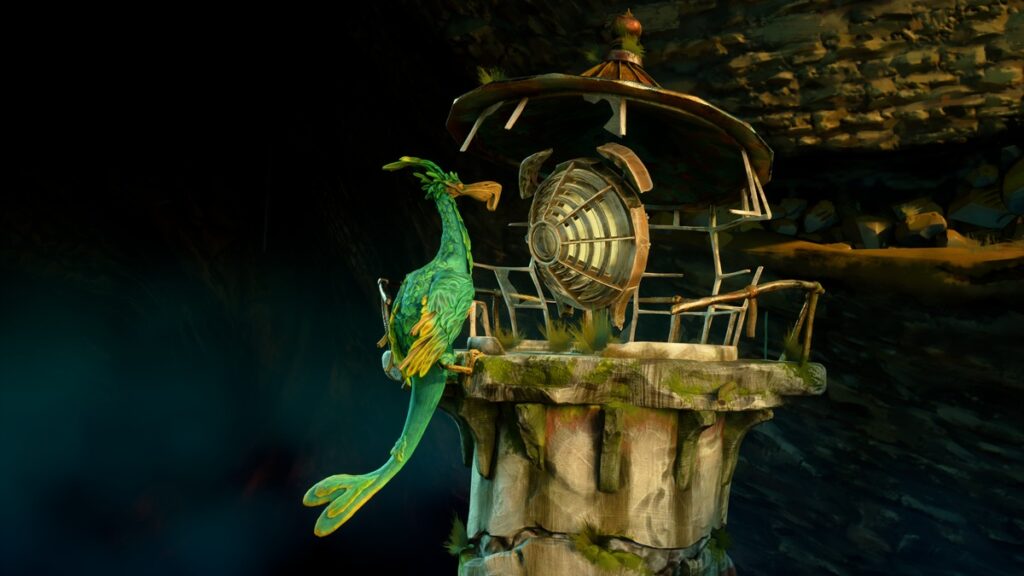
Last week, Sharma confirmed that four of Xbox’s studios would be departing from its stables. Compulsion Games, developer of South of Midnight; and legendary studio Double Fine, of Psychonauts fame, are both going independent via management buyouts. At present, Compulsion is seeking partners with which to collaborate. Both studios confirmed they’ll retain ownership of their IP and the games they created while working under Xbox.
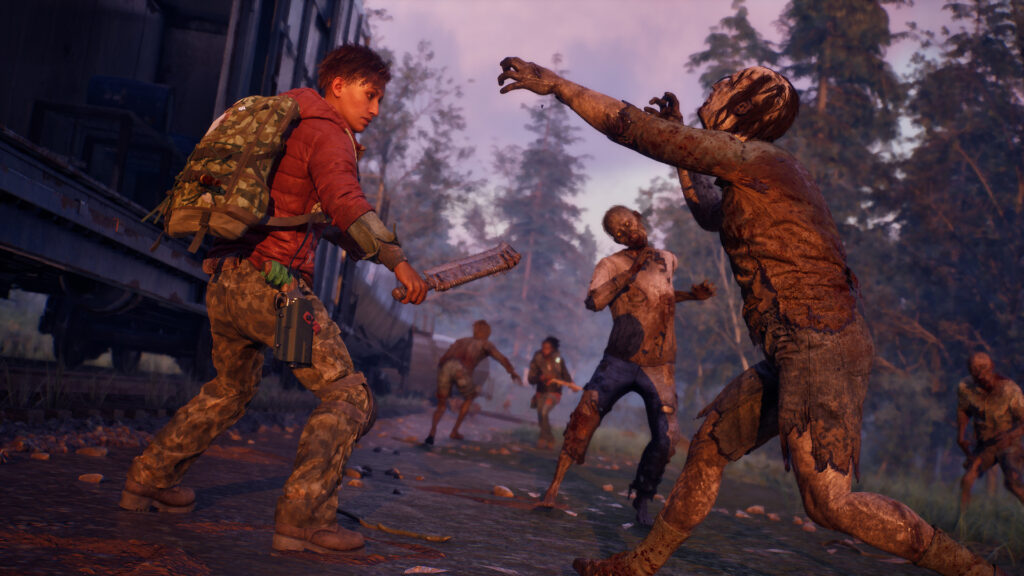
Ninja Theory, developer of the Senua series; and Undead Labs, developer of the State of Decay games, have both entered terms for new ownership with funding to finish the in-development titles of both series. The one studio whose future is, at present, uncertain is Arkane. According to Microsoft, the studio is currently working within the French labor system to determine its next steps with its Works Council. Co-founder Raphael Colantonio asked Sharma on social media, “Regarding Arkane… how much?”
Beyond the studios being sold off, Xbox is also cutting staff at several of its other studios. Notable targets of these layoffs include id Software (which reportedly lost around half of its staff), Bethesda Softworks, Obsidian Software and Zenimax Online. It will probably be some time before the full scope of the 3,200+ layoffs becomes apparent (or even properly happens).

Needless to say, there have been a number of responses to these layoffs, from the laid-off employees and from numerous figures across the industry. As several of the members are unionized, the Communication Workers of America weighed in, noting that Xbox was treating its workers as “disposable.” John Carmack, one of the founders of id Software, expressed his sympathy, as did fellow co-founder John Romero.
In interviews with GamesBeat, several laid-off employees said they were given no advance warning the layoffs would happen, but were summarily told they no longer had jobs and that their severance would be negotiated with their union. Said union, the Communication Workers of America, was also not given advance notice.
The What
Beyond the brutal reality of over one thousand people losing their jobs in a single day, Xbox also announced shifts in its projects and content strategy. In the layoff announcement, Sharma said that they’ll “reset [their] content portfolio,” though she emphasized that they were not canceling any publicly announced games or projects. But that doesn’t mean that studios aren’t having their unannounced projects upended in this transition.
Obsidian, for example, has allegedly had to put a planned sequel to Avowed on ice, and Bethesda today confirmed it’s partnering with Obsidian on a new Fallout game headed by Josh Sawyer. This move makes a certain kind of sense — with the Fallout Prime series introducing the IP to a large audience, it could be within Xbox’s best interest to create a new game as soon as possible. Bethesda has also confirmed that Fallout 5 is in pre-production, meaning a long way off from release, and both Obsidian and Sawyer have experience working on Fallout: New Vegas.
id Software is another studio that is seemingly being repositioned to work on some new project. The studio had pitched multiple ideas, including a new Perfect Dark game (ironically, as Xbox shuttered The Initiative and canceled a Perfect Dark game just last year) and a John Wick-style action game called Fury. However, the rumor is that Microsoft wants this (incredibly slimmed-down) iteration of id to make more games in the franchises for which it’s known … namely, Doom and Quake.
In addition to change in content direction, Sharma said that Mojang and King, the studios with the two biggest games in the company’s catalog, will now report directly to her. She’s also appointed Helen Chiang as Xbox’s new Chief Operating Officer. According to Sharma, Chiang will, “bring our businesses together under one operating model, making sure we make clear investment decisions, learn from our successes and failures, and hold ourselves accountable for results.”
The Why
Now for the billion-dollar question: Why the massive cuts? Was the situation really that bad at Xbox that we needed such a thorough reset, to use their own word? Well, according to Sharma, it was. In both posts above, she says things like, “I know this is painful,” and, “Our business today is not healthy,” and “We won’t succeed by hiding hard truths, nor will we succeed by doing the same thing and expecting different results.”
Sharma lists several of the reasons behind this, including the aggressive portfolio expansion under Phil Spencer and the ongoing hardware component crisis. She notes that Xbox has had to learn, the hard way, that acquiring studios means that you’re responsible for them even when they don’t grow as you wish, adding, “We have also learned that we are not the best home for every type of studio; in a typical year, we lost 64 cents for every dollar we invested.”
She added that the component crisis was having an impact on Microsoft’s console business, saying they are, “unable to make as many consoles as players want to buy.” According to Sharma, the company’s “platform infrastructure is not built for the battle ahead” and they “must become more self-reliant as an engineering culture to build for the future.”
Sharma’s memos seem to be transparent and above-board, but at the same time it does raise questions about the strategy moving forward. If hardware is such a drain on resources, especially given the component shortages, then why is the company still doggedly “committed to Helix,” its next-gen console?
Sharma says that the company is eliminating management layers in an effort to “flatten” the organization, but it’s doubtful that the 1,600 people who lost their jobs last week were all middle-managers. In fact, several of the people who spoke to GamesBeat said that those affected by the layoffs were very much not managers of any description.
And were all of the studios affected by layoffs given the option or opportunity to depart, as Compulsion, Double Fine, et al are doing? Would they have done so if they had a complete picture of what the layoffs would look like?
Leaving everything else aside, this is a bad month for Xbox employees, former employees and fans. It remains to be seen if Team Green will be able to reset themselves after this, especially as the Sword of Damocles still hangs over the heads of hundreds more workers.