
Presented by Medal
Last year, more than 18,000 games launched on Steam. For developers, standing out in a crowded marketplace has become one of the industry’s biggest challenges.
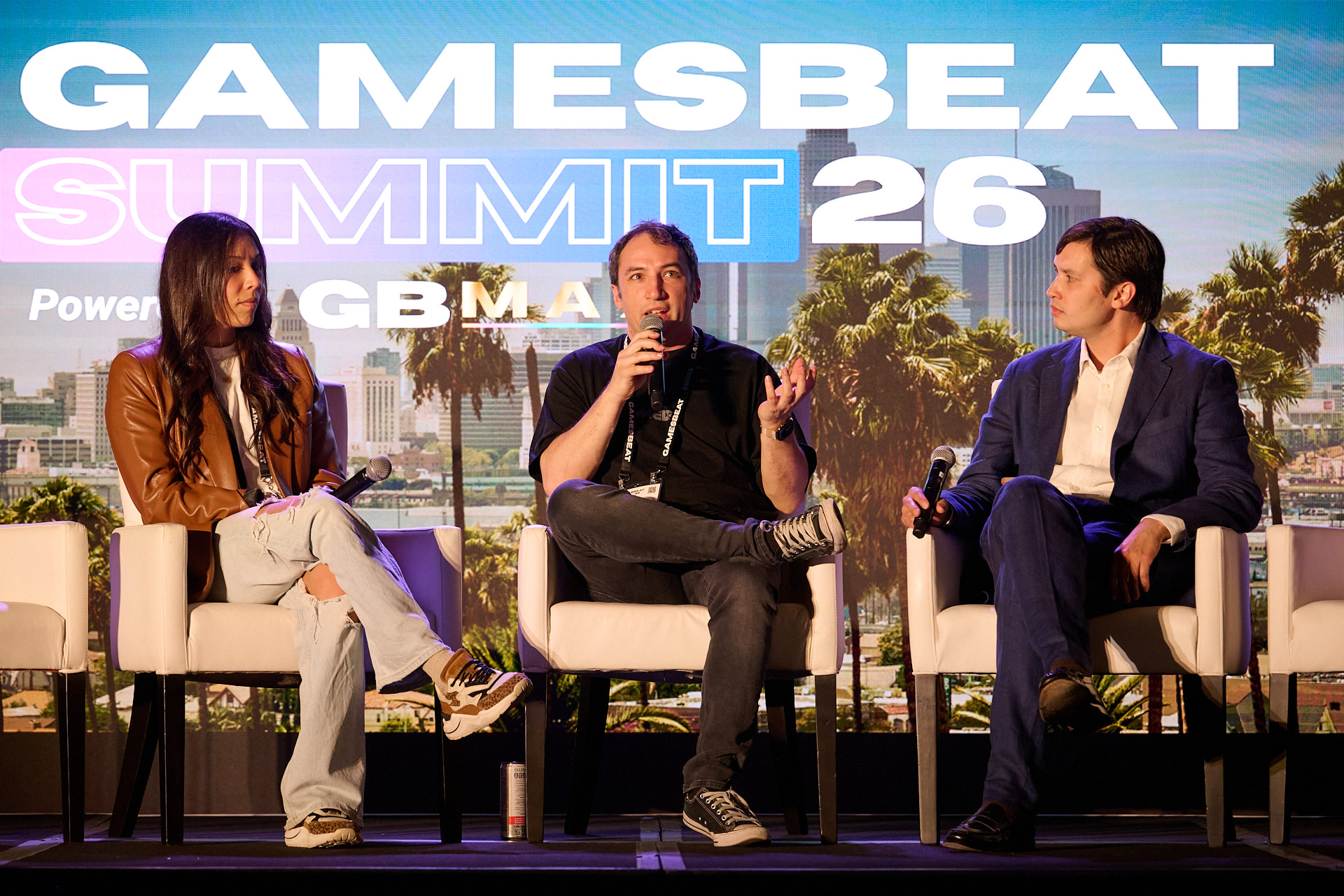
During a sponsored session at GamesBeat Summit 2026, Alexandra Takei, VP of Platform Revenue & Gaming at Medal, and Ken Colton, CEO of Medal, argued that the future of game discovery may not lie in storefront algorithms, paid user acquisition campaigns, or even influencers. Instead, it may depend on something much smaller: friends sharing gameplay clips with one another.
Moderated by Alexander Lee, lead news writer at GamesBeat, the sponsored session explored how short-form gameplay clips are becoming a powerful driver of discovery and engagement across every segment of gaming, from indie titles to Triple-A releases.
Discovery is becoming harder
The session opened with a familiar industry challenge. As game launches continue to increase, reaching the right audience has become more difficult and expensive.
Takei, who previously worked across game development, publishing, and investment, argued that traditional approaches to user acquisition are becoming difficult for PC developers. Building communities from scratch on Discord requires significant effort, while influencer campaigns often mean competing for attention through third-party creators.
“You don’t need an audience of one million people to sustain your game,” Takei said. “You just need to find the right players. That might be 10,000 players to build and sustain a good business.”
According to Takei, the industry’s discovery problem stems from a lack of direct ways to connect games with players who are already interested in similar experiences. As a result, developers often rely on building communities from zero or renting access to audiences through creators and influencers.
The rise of the 15-second conversation
Central to Medal’s thesis is the growing importance of short-form content.
“The unit of conversation has shifted to the 15-second video,” Colton said. “And I think that’s actually happened at the same time that clipping your own games kind of emerged as well.”
While traditional trailers and long-form content still have a role to play, Colton said he watched The Legend of Zelda: Tears of the Kingdom trailer thousands of times, both speakers argued that players discover games through bite-sized moments shared across platforms such as Discord, TikTok, YouTube, and social feeds.
Takei noted that short-form content has become the default way audiences consume entertainment more broadly. Just as viewers rediscover television shows through clips on social media, players are increasingly discovering games through snippets of gameplay rather than traditional marketing materials. For developers, that shift carries an important implication.
“If you don’t find the 15 seconds, the players definitely will,” Takei said. Rather than trying to control every aspect of messaging, studios should identify the moments players naturally want to share and amplify them.
Friend groups matter more than influencers
Medal believes the most powerful discovery engine comes from friend-to-friend sharing. Takei described gameplay clips as a modern form of word-of-mouth marketing. Unlike sponsored content or influencer campaigns, clips shared by friends carry an inherent level of trust and authenticity.
The difference, according to Medal, is that clips generated by ordinary players continue spreading long after marketing budgets stop being spent. Takei argued that the goal should not simply be to build large communities, but to encourage conversations within smaller social circles.
“You want your game to be discussed in 75,000 three-person group chats at scale,” she said. For Medal, the objective is to make sharing gameplay moments effortless, allowing players to distribute clips across Discord, social media platforms, and private conversations with friends.
Every game can be clippable
One of the session’s key messages was that shareable gameplay is not limited to multiplayer or highly social experiences. Through Medal’s platform, players generate millions of clips each week across a wide range of genres and budgets. According to Takei, virtually every released game has moments that players want to capture and share.
Those moments can take many forms. Competitive highlights, unexpected bugs, narrative reveals, funny interactions, and memorable player experiences can all become content that spreads organically. Colton encouraged developers to embrace those moments.
“Leave the weird in the game,” he said. “I don’t know if you’ve noticed, but gamers are a little bit weird. That’s part of the culture.”
Making sharing effortless
The discussion also focused on reducing friction. Many players want to share gameplay moments but do not consider themselves content creators. As a result, complex recording workflows often prevent clips from being created and distributed.
Medal has invested in automatic clipping tools that identify and capture gameplay moments without requiring players to actively record them.
“We see that there’s this latent desire to share more about the games that people are playing,” Colton said. The easier it becomes to create and share clips, the more likely players are to spread awareness of a game within their own networks.
A potential equalizer for smaller studios
Medal believes player-driven discovery could be especially valuable for smaller developers.
In a world where every play session generates moments that can be shared, discovery becomes less dependent on advertising spend and more dependent on creating experiences players genuinely want to talk about.
“It doesn’t matter how big you are,” Colton said. “If we can just seed one friend group to start playing your game and taking clips, then that can spread.”
For developers navigating crowded markets, discovery starts with creating moments worth sharing. If players are eager to clip them, those moments can become a powerful marketing channel all on their own.