
Qualcomm is tapping into hackathons to reach developers in their natural habitats — and hackers are responding with enthusiasm.
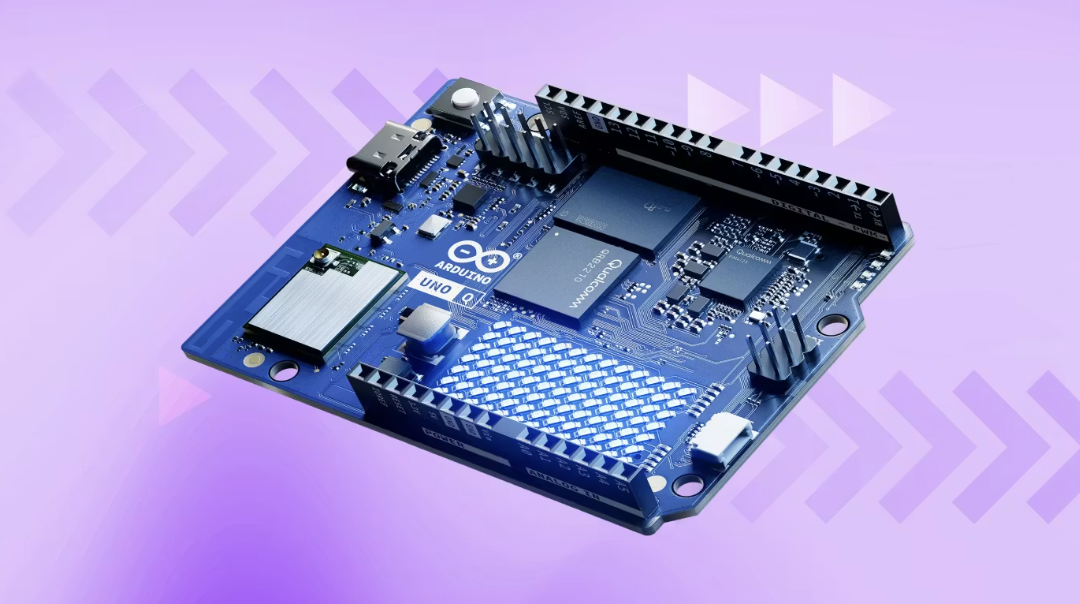
To get the word out about the Arduino UNO Q, Qualcomm’s new single-board computer device launched in November 2025, Qualcomm partnered with the hackathon Hackster.io to host a competition inviting developers to apply for free devices and submit projects to win a share of a $20,000 prize pool, in addition to a free trip to Maker Faire Rome in October.
The Hackster/Qualcomm giveaway — which closed for applications earlier this week on April 5 — was one of Hackster’s most successful in years, garnering nearly 3,500 participants and over 1,200 submissions for hardware, with Hackster slated to announce hardware recipients on May 1. Hackster’s usual benchmark for very successful product contests is between 500 and 1,000 hardware, according to Dianne Kibbey, the senior director of global community strategy at Hackster parent company Avnet, in an interview with GamesBeat.
“It’s blown away the last few years of design contests we’ve done, which kind of speaks to the product,” Kibbey said. “Everyone wants to get their hands on it.”
Hackster, which is a fully virtual hackathon, is far from the only hackathon where Qualcomm is showing up to reach developers. The company also had a large presence at the Reality Hack hackathon at the Massachusetts Institute of Technology in January, sponsoring the event and providing tech for the hackers in attendance.
For Qualcomm, the value of showing up at hackathons comes in two forms, according to Qualcomm head of developer marketing Morris Novello in an interview with GamesBeat. Hackathons allow Qualcomm to dogfood its products, getting feedback on beta releases before rolling out the final versions. They also help increase awareness about Qualcomm’s newest offerings among the developer communities that are most likely to adopt them early on.
“The hackers here are probably 60 to 70 percent students; 30 percent are professional,” Novello said. “The majority of our idea there is to make sure that the student community is aware of the Qualcomm platform.”
In addition to informing the developer community about Qualcomm products, showing up at hackathons helps Qualcomm get to know the developers who might be their next big brand advocates online or at industry events.
“Typically, with the winners, we keep going — asking them to write a blog, for example,” Novello said. “Two years ago, I brought one team on stage with us at a developer conference to explain what they’ve done.”
Hackster has promoted its partnership with Qualcomm as a “staff pick” on the front page of the company’s website since February, and the contest is scheduled to run until September 2026. Product giveaways and brand partnerships are a significant revenue stream for Hackster, which maintains relationships with all of the major hardware manufacturers, according to Kibbey.
“Avnet has a global distribution network with pretty much all of the semiconductor suppliers,” Kibbey said. “Having Avnet as our owner, and being part of Avnet, really gives us that reach.”