
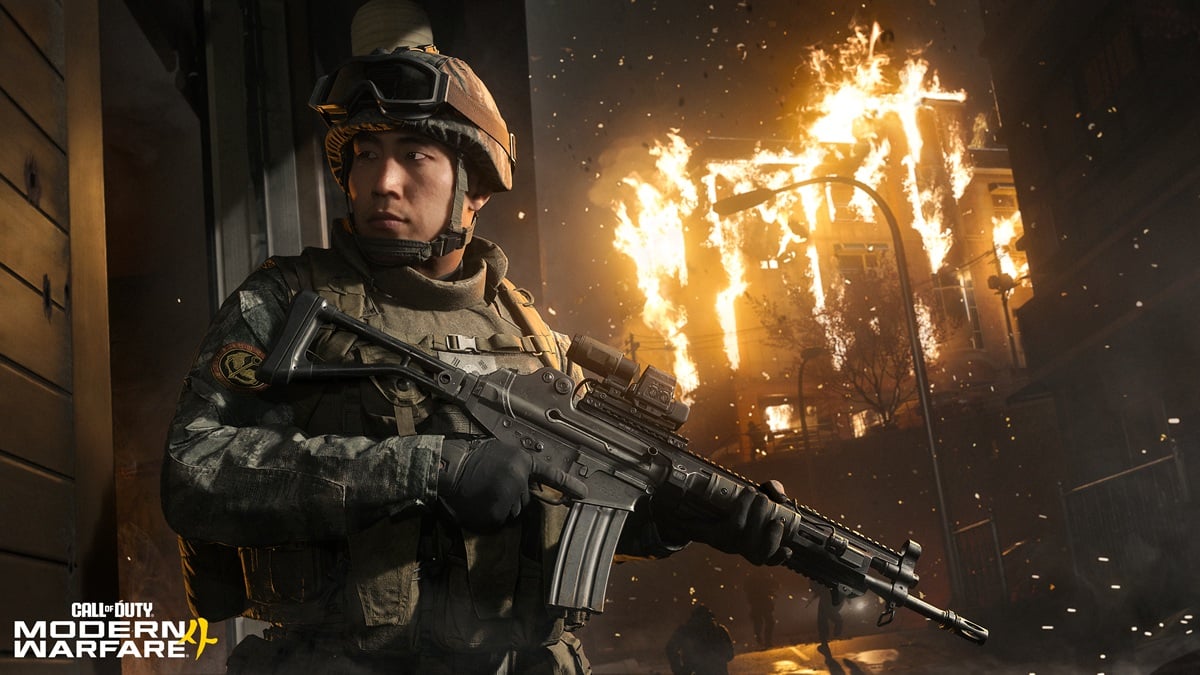
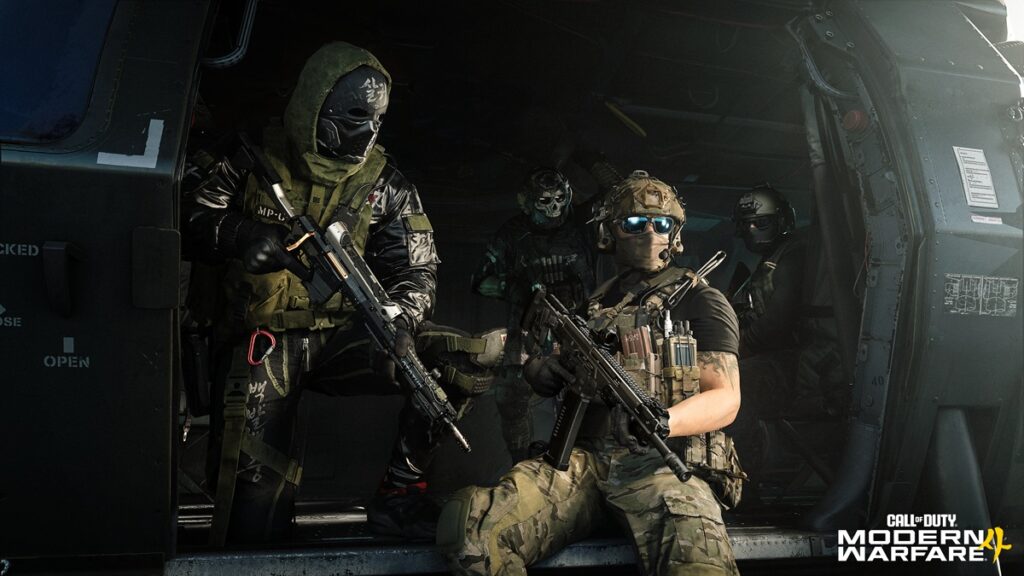
Leave it to Infinity Ward to pull Call of Duty out of the fire by dropping it into the fire. This year’s game is Call of Duty: Modern Warfare 4, and the setting for this year’s game is in the firestorm of a conventional war between North Korea and South Korea.
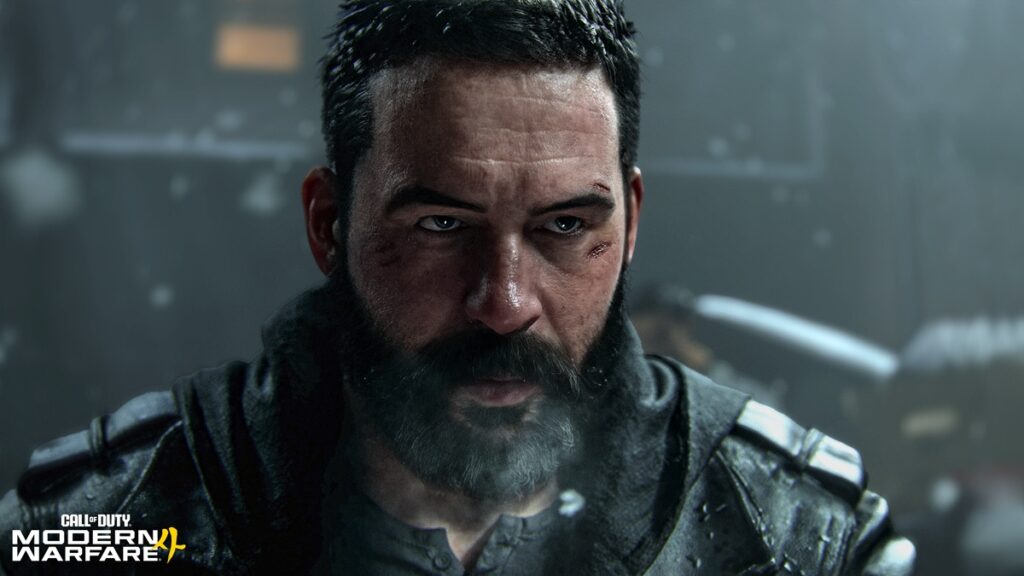
Captain John Price is back with a globe-trotting subplot of intrigue and stealth missions, but the center of the action is a terrifying surprise attack by North Korea on the South Korean and U.S. armies in the midst of Seoul. Yes, the land of k-pop and BTS (they’re not in the game despite their recent military duty) has been turned into the latest battleground for the first-person shooter, where the heroes are going to be everyday soldiers in the South Korean armed forces and their accompanying American advisers.
Multiplayer will be back with 12 maps at the outset. And Activision is confirming there will be a DMZ extraction mode in multiplayer — how appropriate for a country with a real demilitarized zone.
The single-player campaign game involves Captain Price and his Task Force 141 covert team, and it brings back Price’s archenemy, Vladimir Makarov, a Russian ultranationalist terrorist leader who killed Price’s friend, John “Soap” MacTavish, in MW3.
I’ve played some of the multiplayer game and attended a briefing with a small group of press at Infinity Ward, the lead studio in Los Angeles among a dozen game studios that contributed to the game.
I listened to the briefing about the game’s details and I had a chance to interview Jack O’Hara and Mark Grigsby, the co-studio heads of Infinity Ward. In a press briefing at Infinity Ward’s headquarters in Los Angeles, O’Hara and Grigsby talked about their focus for the project.
“We have a pride and a responsibility and excitement for what we get to build here. Infinity Ward, as you know, has a powerful legacy in defining this genre and shaping what Modern Warfare means to millions of people across the world, and that matters to us,” said Grigsby. “That matters to all of us, so when we say a new chapter, we’re not talking about moving away from that legacy. We’re talking about building on it with a fresh energy, a clear direction, and a commitment to moving the work forward.”
O’Hara came up through the ranks in production and game direction, while Grigsby rose through art and animation. They became co-heads of the studio in 2023.
“While those two paths are different, we’re absolutely aligned on how we want to lead the studio. We want Infinity War to be ambitious, focused, and absolutely relentless on quality and fun,” Grigsby said.
The game has been in the works for about four years.
Grigsby added, “And ultimately, it’s our staff there in the back, who are going to come up here and talk to you today. It’s about them. They are what make Infinity Ward special. Their ambition, their focus, and their belief in what they bring to the table every single day is what makes Infinity Ward special. And it is a reflection of what Modern Warfare 4 is so we are absolutely proud of where Infinity Ward has been. We are extremely excited about where we’re going.”
O’Hara said the pillars are what you might expect, where gameplay is king.
“We want to make sure that no matter what game mode we’re in, what moment we’re in, that we think of gameplay first, because that is our art form,” O’Hara said. “We want to make sure that we lived in this pocket that we called ripped from the headlines when it comes to our universe.”
O’Hara added, “And what that means is, when you see our game, you should feel like it could be in the headlines. Not necessarily that it came from the headlines, but it could be. We want our characters to feel authentic and gritty, not superhero caricatures. We don’t want them to feel like superhumans, and we’re always chasing state of the art visuals and polishing beyond compare. We are always chasing for that because we believe in leaving ourselves the time to execute to make sure we’re as bug free as possible when we come out, and then we really get the time to refine our vision before it goes live.”
In our interview, Grigsby and O’Hara told me they focused on the setting of modern Korea because it hasn’t been the centerpiece of any previous Call of Duty or major first-person shooter. And at the same time, South Korean culture, from k-pop to shows like Squid Game, has captured the world’s attention. You would never know that hundreds of North Korea artillery pieces are pointed at the South Korean capitol, where people live everyday lives under the shadow of a possible war.
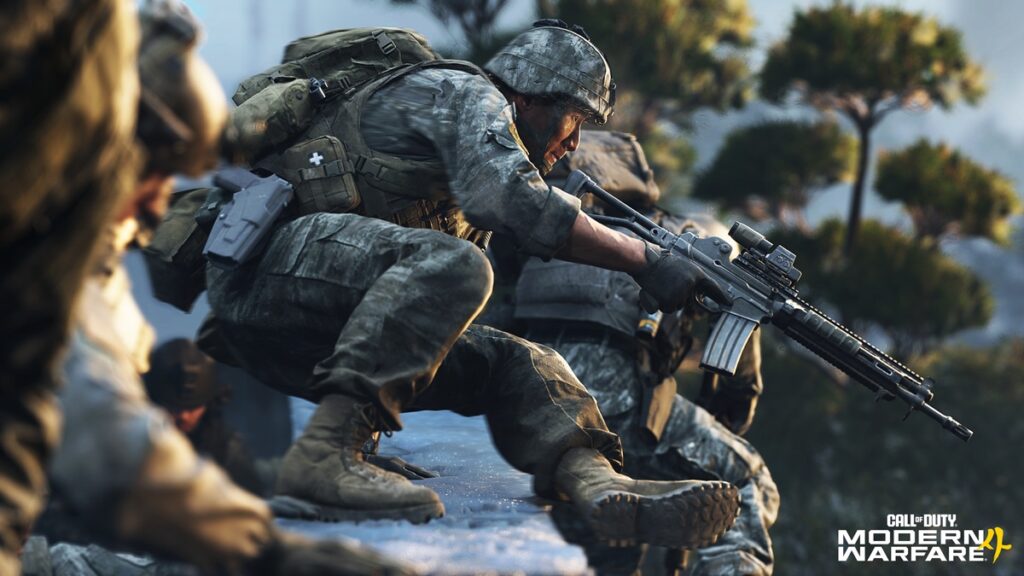
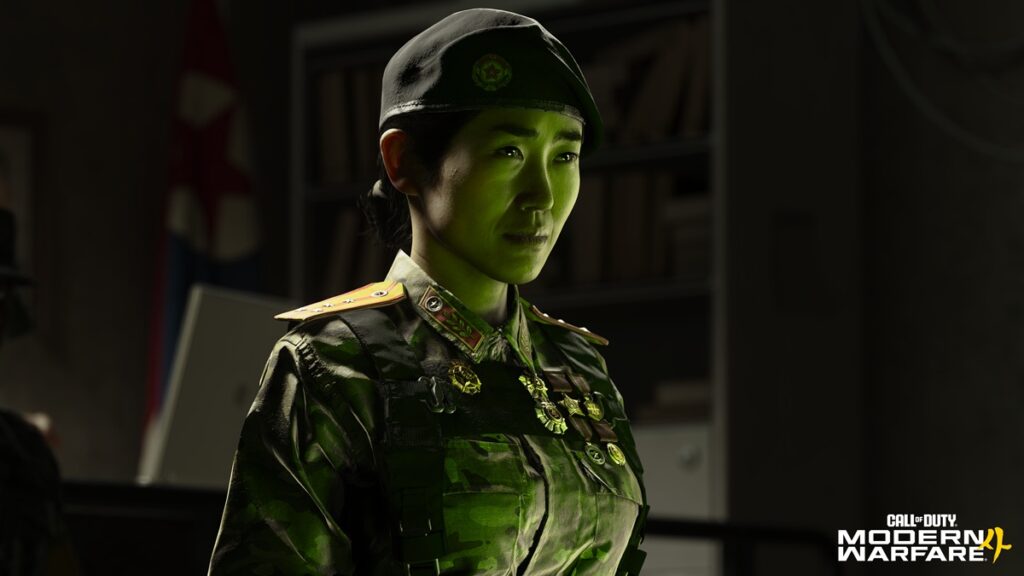
The idea of a massive ground war made it a likely scenario for Call of Duty. But while Infinity Ward’s style is to create realistic warfare in games that are ripped from the headlines, it does pull back from reality in some ways. It is, after all, a game. And while the topic of assassination of North Korean leaders comes up in the plot, it isn’t focused on the politics and real life of North Korea’s Kim Jong-Un or his family. This Call of Duty narrative is abstracted to an inter-family conflict in the country’s dictatorial leadership. It shows the consequences of modern war, for sure. But don’t expect this game to be soaked in politics. It’s entertainment.
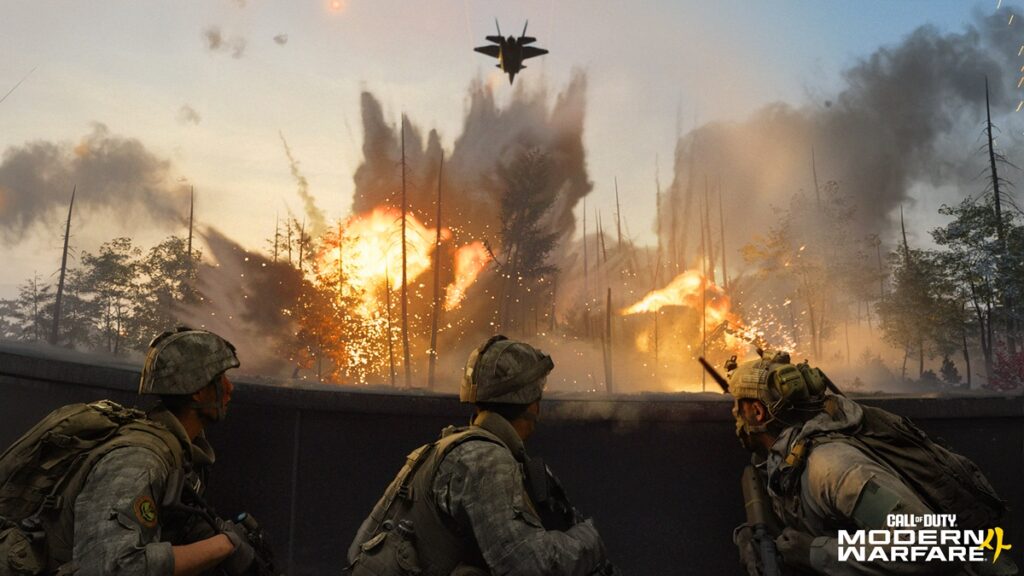
There are also a lot of gameplay changes, like the multiplayer mode dubbed Kill Block, where the map changes with every round of Gunfight. There are powerful Apex attachments for the guns, and there are AI hints that recommend how to configure your loadout in Gunsmith. Explosives now carry a concussive force that can knock you down. A lot of these small details add up to a Modern Warfare 4 game that feels very different from years past. More info on DMZ is coming on June 7.
Here’s an edited transcript of our interview.
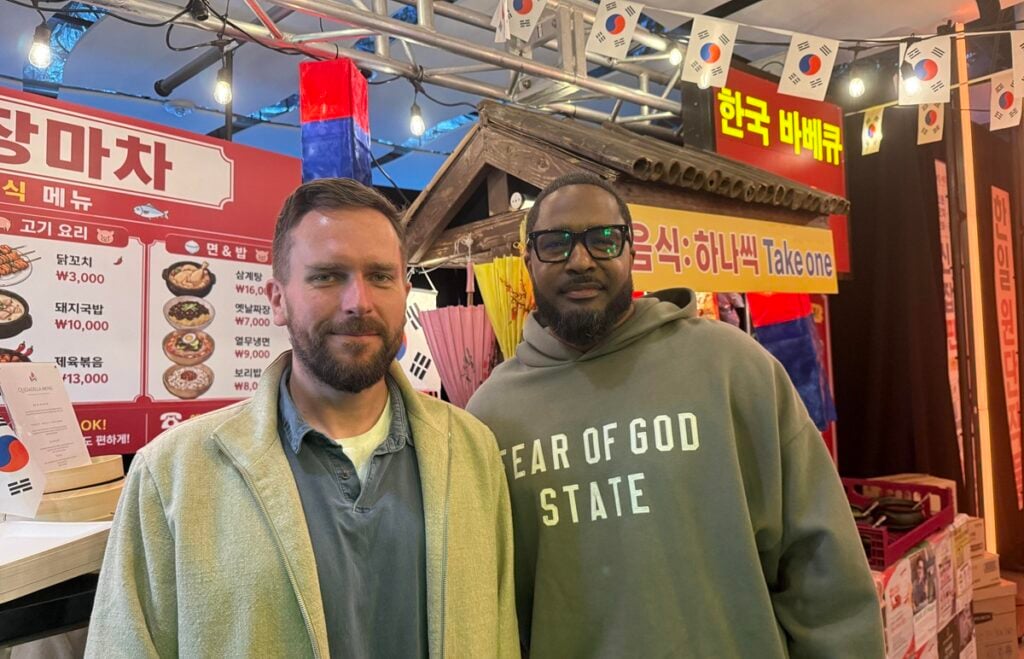
GamesBeat: I like the setting most of all. How did you decide on the Korea environment? That’s not been the centerpiece of any game I can remember.
Jack O’Hara: That’s what made it compelling. It felt new. It felt like going somewhere new. I’d watched a lot of Korean TV on Netflix. Not just Squid Game. That’s the easy one. But Encounter and other ones that started popping up. We all listen to Korean music. What happened was, one of our designers was starting to look at where to set our big map for the game. He found a region that intersected between various countries. We thought, well, one, let’s go to Asia, because we haven’t done that before. From there we started refining it down. Korea sounded like the logical choice.
GamesBeat: The map of the artillery with range of Seoul is a pretty compelling image, with all the emplacements there pointing right at Seoul. It can be a scary place.
O’Hara: It’s an interesting one. If you talk to Koreans, or if you talk to Chinese people, they don’t think of the North Koreans as a threat. It’s this very strange dichotomy. They are there. They are a threat. But people just step back from it.
GamesBeat: It seems like if you grow up there, you don’t think about how scary it looks from an outsider’s point of view.
O’Hara: Right, right.
GamesBeat: In a modern context there’s really no recent war in that region to learn from. Is that appealing in some way, that you have a setting where you can be a bit more creative?
O’Hara: Doing something in the context of a big war was an aspect to us–it’s something we haven’t done in a while. We’ve done more localized, small conflicts between small groups of people.
Mark Grigsby: Special ops.
O’Hara: Right. There was an appeal in going with a big war, bringing back that aspect.
GamesBeat: There’s an element of fear if you’re just a grunt.
Grigsby: You’re just told what to do. Your orders are given and you have to execute. You’re not this rogue special operator that can go out and do whatever they want.
O’Hara: We made a conscious choice–we can get a lot of information about what life is like in North Korea, but we don’t have access to Kim Jong-Un or his family, of course. So we chose not to represent them directly in the game. We came up with our own North Korean dictatorship. Through that–at the start of the game, basically, the father has died. Of his two children, the son has ascended, but the daughter has issues with that. What we want to show is an intra-family conflict as they wrestle with the idea of reunifying Korea.
GamesBeat: You get a compelling sub-story out of that.
Grigsby: Yeah, a family story.
O’Hara: But we had to make those characters up ourselves. It didn’t feel right to take somebody that we just don’t know much about and ascribe them motivations that may or may not be real.
GamesBeat: Does that reflect what seems to be happening in the broader market? Battle royale is almost giving way to extraction. Extraction seems to be gaining ground.
Grigsby: Definitely getting more focus. The public is more aware of it nowadays. I still love Resurgence and battle royale. There’s just a different set of players in the field right now. Extraction shooters are definitely on the rise.
GamesBeat: I can see the appeal. The matches can be shorter. You can concentrate players in dramatic moments.
O’Hara: It’s not necessarily a replacement of the audience. Battle royale is still massive, one of the most played genres in FPS worldwide. Extraction shooters are an addition to the FPS market, not necessarily a replacement for anything. The experience is different. The gameplay sessions are different enough. What we see a lot from our player base is people jumping around between things. Some players focus on one thing and that’s all they like, but we have millions of players who jump around between all of our different experiences.
GamesBeat: Is this a traditional three-year Call of Duty game, or have you been thinking about this for a longer time?
O’Hara: We always have a development timeline. But we’re always thinking–right now we’re thinking about the game after this one. Or trying not to, because we have to focus on this one. But there’s always ideas that we left on the table during the last game that we want to bring back.
GamesBeat: For a while there, the ripped-from-the-headlines themes were getting uncomfortable. It seems like in this one–the past couple of games have focused more on entertainment than politics. Have you found the right framing that you want with this game?
O’Hara: We always want to be ripped from the headlines. We don’t want to necessarily make a political statement, but you can’t show war without showing the consequences of it, what it is. You can’t shy away from that.
GamesBeat: Does this answer any complaints from players that have arisen over the years about Call of Duty?
Grigsby: We’re always paying attention to what the community’s saying. I think some of the complaints we had in Modern Warfare 2, we have addressed those. Particularly on the movement side of things. The constant push for quality and satisfaction for the player has always been there. We’re absolutely delivering on that.
GamesBeat: Is there any statement you have to make about the part one, part two pattern we saw in the last few games? Black Ops 7 immediately followed Black Ops 6. Is that not going to happen here?
O’Hara: Some of those decisions are beyond our remit. I’m not quite sure what’s been announced. We’ve talked about not doing consecutive releases, but nothing beyond that. This is a self-contained story.
GamesBeat: As far as Captain Price and the bad guys here, the core plot, how did you get to that storyline?
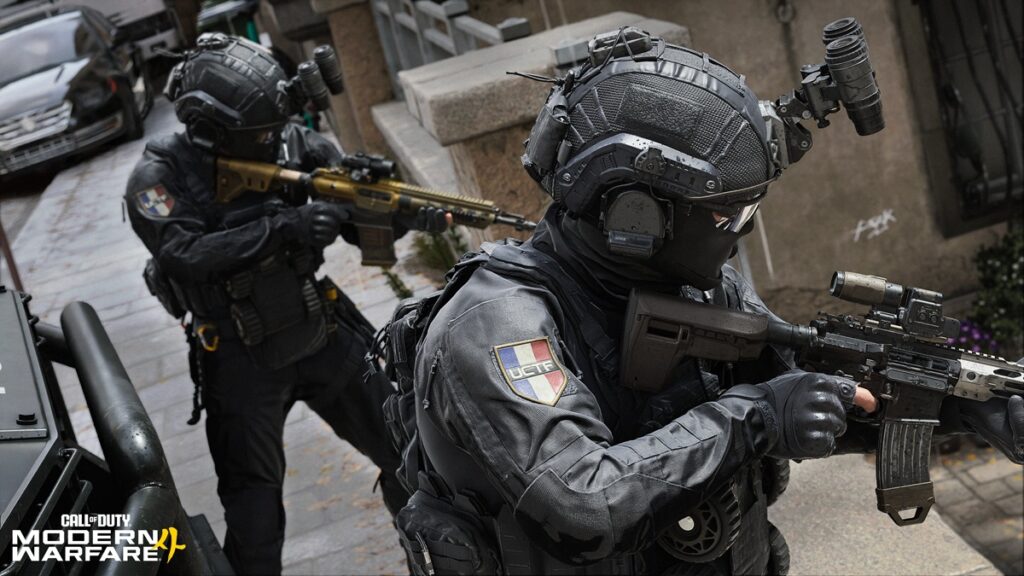
O’Hara: We knew our starting point, which is having him on the run, wanted by people, which in and of itself is interesting. When he made that choice in the last game, he was by himself. That choice that he made, then the rest of the team has to deal with that reckoning. That’s an interesting starting point for him. But we also wanted–this is the fourth game in this reboot. We wanted to give his arc a kind of evolution, a next stage to it. What it felt like, we didn’t want to rehash things that were there before. That’s why I spoil a bit of the second level for people when I do this presentation. We need people to understand that this is not the same thing.
GamesBeat: And that Makarov is out of the picture.
O’Hara: After that point, yes. It was also important to have the catharsis of–this has been his antagonist. This is someone who’s killed his friend. We wanted to make sure that we had a release for that energy, essentially.
GamesBeat: What does this lead to? With that happening so early in the game, what’s the rest of the story?
O’Hara: We have a surprise for people when it comes to the overarching villain that Price is chasing. That’ll probably come to light in the next couple of months. But we’re very excited that–after Makarov it felt like we needed someone who is up to testing the mettle of Price.
GamesBeat: Can we settle the coincidence of the BTS singers happening to be in the Korean army during recent times?
O’Hara: I’d just call that fortuitous. They’re not in the game.
GamesBeat: There are a lot of small innovations here in different pieces, from loadouts to these apex attachments. It feels like you’ve made a lot of changes that you wanted to fit into the game. It doesn’t feel the same.
O’Hara: It’s always a tough balance for us, always a push and a pull. Replace everything, but keep the parts that people like? It’s always a back and forth between all of us, trying different things. It’s important, at the beginning of a project, to experiment with stuff and then refine the vision toward execution at the end.
Grigsby: It always comes down to what the players want. We play the game all the time, all of us. We always come at any innovation we’re adding or anything we’re taking out or adjusting from a player’s perspective. We know, when we’re playing it–if someone in the studio, or more than one person in the studio, says, “That’s awesome, we like that,” we start building on it and we refine. If someone says, “Hey, you took something away that I loved,” we need to pay attention to that and pull back.
GamesBeat: What do you think is the appeal of the Kill Block mode? The way it’s never the same? Does it come down to player skill more than just memorizing the map?
O’Hara: I like that aspect. It’s part of Gunfight as well. Your weapons change. The map changes. You have to learn to be the best at everything. It’s fun for me to react to what the map has chosen. How are the other players going to use this? They have the same things that I do. How is that going to feel? That’s the exciting part of it.
Grigsby: The adjustment on the fly is really cool. You could probably be dominant in one configuration, but then it changes and they get the upper hand. It’s a push and pull. We’ve had some really good fights on Friday. We play it constantly. We’re so competitive that we went and bought ourselves some WWE belts to commemorate our wins on Fridays. They pass around to whoever is the winner that week. It’s a lot of fun.
GamesBeat: Do you think that kind of dynamic gameplay is something players are looking for these days?
O’Hara: In something as big as Call of Duty that offers so many different experiences, you get to choose what you feel like playing at any point. If you feel like playing our 6v6 mode, those maps are still extremely important to us. They’re still labors of love. Thousands of hours of people working to make them as great as they can be. We still believe in that experience. It’s just that sometimes you also want a twist on that experience. You want something fresh.
GamesBeat: Are there things you’ve steered away from in this game, or deliberately left out because you’re leaning into a certain kind of experience?
O’Hara: Not anything I can remember. There are always more ideas that we have time to execute on, so there’s always something left on the floor.
Grigsby: But never deliberately.
O’Hara: We’re still being greedy, because we still have a few months to go. If something’s a really good idea, we’ll still do it.
GamesBeat: Most of what we’ve seen so far are urban environments, like Seoul and Mumbai. Is that a consistent theme?
O’Hara: We do have a few places, especially in multiplayer, that are far and remote. Even in the campaign, there are moments where–for example, Price in the countryside in France, rather than being in Paris. I do love big cities, the urban sprawl, though. It’s true that we gravitate towards that.
Grigsby: You can find more interesting locations.
GamesBeat: What kind of reaction do you expect from the reveal? So far nothing seems to have leaked, which is nice.
O’Hara: We’ve been working on this for what feels like a long time. We just hope that people are excited about the ideas that we’re putting forward, the content we’re putting forward.
Grigsby: I hope they appreciate the craft. I hope they enjoy it as much as we’re enjoying it right now.
O’Hara: I hope they enjoy our campaign, and I’ll see them in multiplayer and DMZ.
GamesBeat: What has development been like behind the scenes? It sounds like you haven’t veered or pivoted a lot. From what I see this is something you’ve been working on steadily for a long time.
O’Hara: I don’t know if it’s been a completely straight line. There’s a lot that happens along the way. But the idea of going to Korea was always very exciting. It really resonated with people.
GamesBeat: Does it feel like you’re getting back into a rhythm, as far as making a game that involves so many studios?
O’Hara: The main studio is Infinity Ward. A lot of things come out of here. We have the good luck to work with a lot of other studios as part of the Call of Duty franchise to help develop technology. If there’s an idea that we need help achieving then it’s great to get help from the studios around us. We’ve all known each other for a long time. It’s always about getting the best talent available to help us.
GamesBeat: Is this a mature, seasoned engine now?
O’Hara: There’s no such thing. The engine is always evolving. It’s like a character in the story itself. It’s always getting upgraded, replaced, enhanced. We have a new shockwave system to help with explosions. We wanted, when the explosion happens, for it to actually travel through the world.
Grigsby: That concussive force.
O’Hara: It hits the player, throws them to the ground. We obviously have all of the movement technology we’ve developed, new rendering technology that we’re excited about. We have dynamic weather systems. New weapon tech. The list goes on. We’ll have more announcements regarding technology soon. There’s a long laundry list of things that are getting better.
GamesBeat: The concussive effect you mentioned, is that something we saw already in multiplayer?
O’Hara: Yes. The shockwave has both the visual aspect of it, where we want to show that pressure wave traveling, and also cases where–in the past, when an explosion happened, there’s just a line around it. If you’re inside the line you die. But with the shockwave system we can feather that a little bit. If you’re on the edge you get thrown down. You get to live, but you’re thrown down, and you have to get back up. The first time it happens it’s like, “Oh, what happened? Shit, I’m still alive?” Then you can run back into battle.
We tune it for each explosion. In campaign a car might explode nearby, or a rocket hits. To me it’s really cool, because it helps–again, there were those moments in the past where it’s just, “Die, try again.” Now you’re like, “Oh, the story continues.”
Disclosure: Activision paid my way to the event.