
User-generated content represents the future of gaming — and yet many of today’s most popular UGC games are locked inside walled gardens.
At GamesBeat Summit 2026 in Los Angeles last week, a group of user-generated content creators and industry experts came together for a roundtable discussion about the challenges preventing creators from easily porting UGC games from one platform to another. The discussion was originally scheduled for 30 minutes, but ran for the better part of an hour, with speakers and audience members evolving the conversation beyond its initial topic to become a philosophical discussion about the relationship between user-generated content creators and the wider gaming industry.
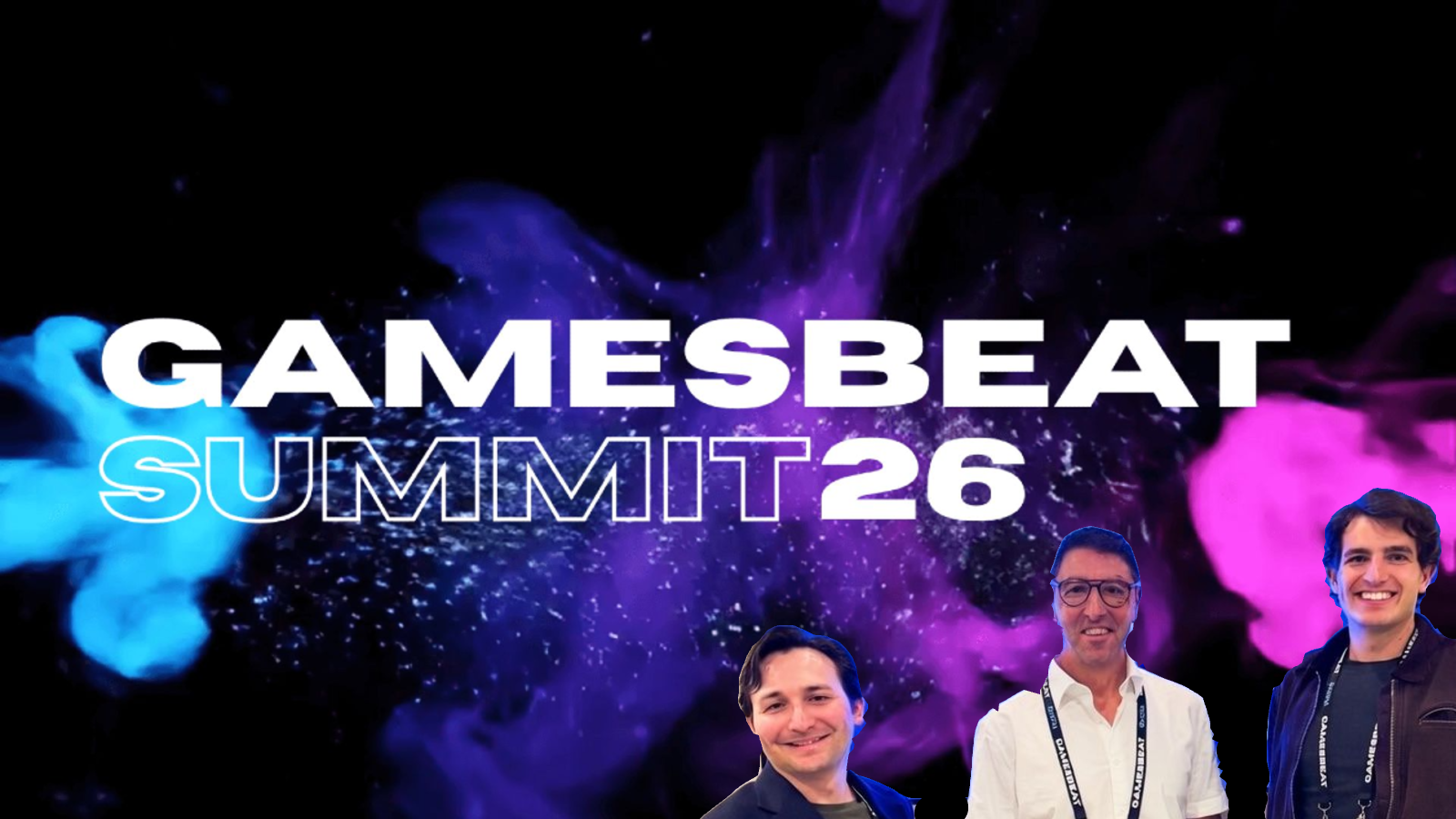
The speakers during last week’s roundtable discussion were Marcus Holmström, the group CEO and co-founder of the Roblox-focused development studio The Gang; Brendan Stock, the CEO and co-founder of the UGC game network Chartis; and Montana Sommese, the general manager of the Fortnite creator studio Creators Corp, who also served as the moderator for the discussion. GamesBeat Summit roundtable discussions are usually considered off-the-record, but all three speakers agreed to my request to go on-the-record, as I found the discussion fascinating and wanted to share it with GamesBeat’s readers.
For creators working in older forms of media like audio and video, cross-posting digital content across multiple platforms is a relatively trivial task. YouTubers can easily publish the same video on YouTube and Patreon, and livestreamers often multi-stream across Twitch and Kick. Although UGC platforms like Roblox and Fortnite have made it possible for creators to build and monetize an audience using games as their primary medium, the different development stacks of each platform make cross-publication a much more involved task for UGC creators.
“Obvioiusly, you have Lua on Roblox and you have Unreal on Fortnite — so, depending on which platform you’re going forward to, you can’t just take one piece of code and just transfer it to another,” Holmström said during the panel. “And we’re also going to come into why you shouldn’t. But technically, it’s different languages, so it’s like building something completely new.”
In addition to the broad technical issues created by different code bases, the panelists flagged a subtler issue around the different visual languages of competing UGC platforms. Roblox’s cartoonish, blocky aesthetic doesn’t naturally mesh with the more realistic graphics on Fortnite, making games that leave the ecosystem risk losing some of their signature look and feel — and incurring potential legal rights issues — in the process.
“You couldn’t take a Roblox game and port it to Steam, because Roblox owns those characters, or they own the underlying avatar — and same with UEFN,” Sommese said during the panel. “So, to port any of those games wouldn’t be a one-to-one, for that legal challenge, because you don’t own those assets, or you’d need a license to do it.”
As the discussion progressed, it became clear that the technical challenges were secondary to the cultural challenges standing in the way of UGC cross-adaptation, with Holmström pointing out that gamers go to different platforms for different reasons. Wildly successful mobile games have flopped after being recreated on Roblox, while other concepts, like Steal a Brainrot, have translated successfully across platforms. Either way, the users on any given UGC platform typically stick to that platform instead of following games or game makers around, so when a game is ported from one UGC platform to another, it will likely have to rebuild its audience from square one.
“It’s almost hard, because of the chicken and the egg — once you have enough success on the platform, are you going to be incentivized to go elsewhere?” said Stock, whose company helped negotiate a licensing deal to successfully port the popular Steal a Brainrot Roblox experience to Fortnite. “Just keep doubling or tripling down on that success where you are.”
Stock, Sommese, and Holmström broadly agreed that the common assumption that successful UGC creators will naturally look to expand beyond their home platforms is a misconception. Instead of viewing UGC platforms as a stepping stone on the pathway to real game development, they argued that many game makers are increasingly seeing these ecosystems as destinations in their own right.
“I feel like everyone always says, ‘how do you get out of these platforms?’ — and it’s kind of more like these platforms are starting to swallow the rest of the world,” Stock said. “I’m more wondering, ‘how do you get into them?’”