
Warner Bros. Games is shutting down three of its development studios — Monolith, Player First and WB Games San Diego. It’s also canceling the studios’ projects, including Monolith’s announced Wonder Woman game. This is the latest story in a series of bad news for the publisher, including financial difficulties and the departure of its president David Haddad.
The story originally came from Bloomberg’s Jason Schreier, and Warner Bros. later confirmed the story itself. According to its statement (via Bluesky), Warner Bros. says this is a “strategic change in direction” to “structure our development studios and investments around building the best games possible with our key franchises.” It also confirmed that the Wonder Woman game had been canceled. It reaffirmed its intention to “getting our games business back to profitability and growth in 2025 and beyond.”
Warner Bros. has been facing financial difficulties, including the failure of its live service title, Suicide Squad: Kill the Justice League. It’s since announced that it’s ending support for the title, along with Player First’s MultiVersus. The publisher had promised to invest more in its live-service ventures, with Warner Bros. Discovery’s J.B. Perrette saying that it wanted to make “a live service where people can live and work and build and play in that world on an ongoing basis” as opposed to “a one-and-done console game.”
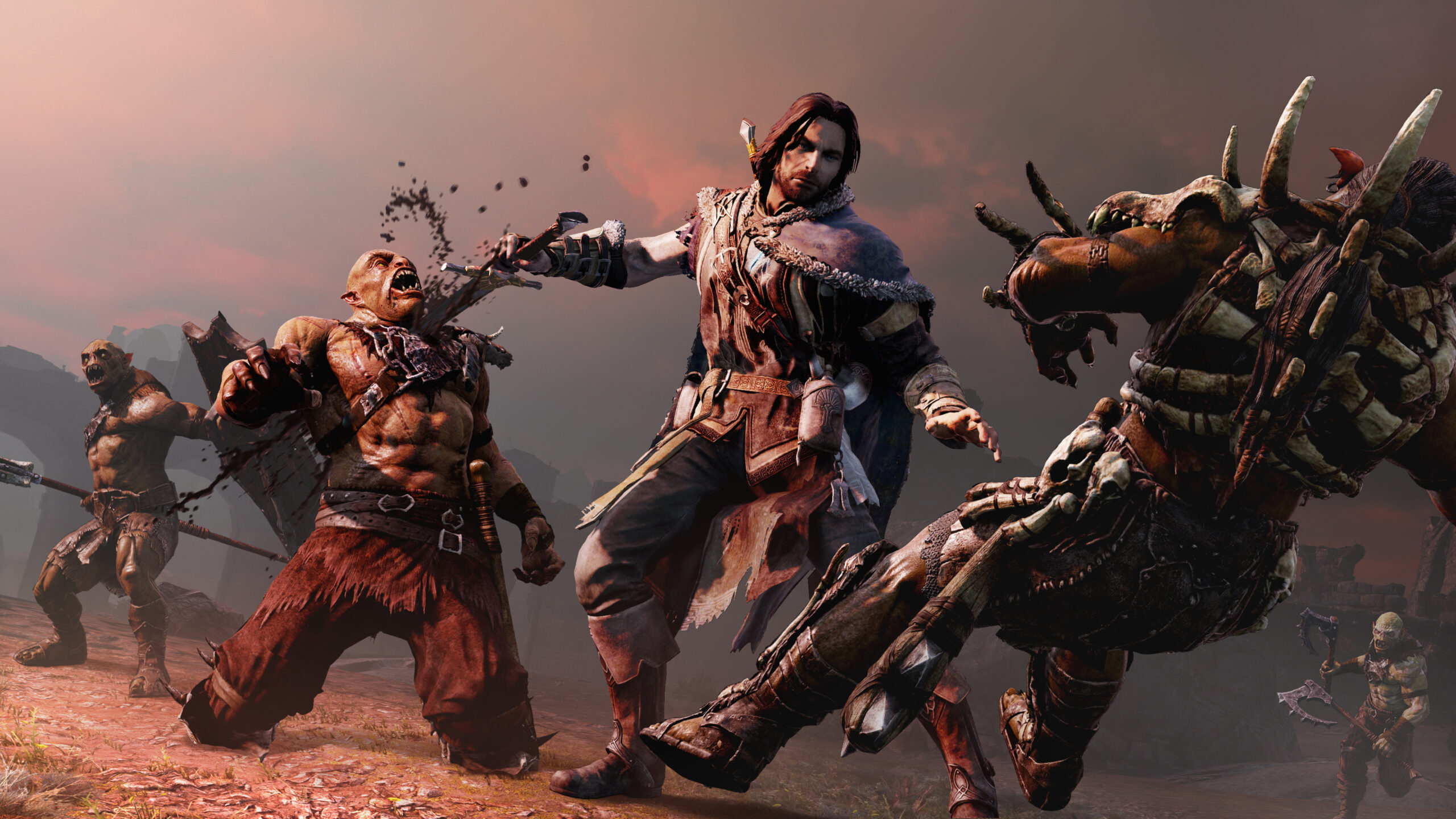
In addition to the in-development Wonder Woman game, Monolith is also the studio behind the F.E.A.R. and Middle-Earth: Shadow of Mordor titles. Player First’s only game was MultiVersus, which it made in partnership with Warner Bros. before the publisher acquired it in 2024.